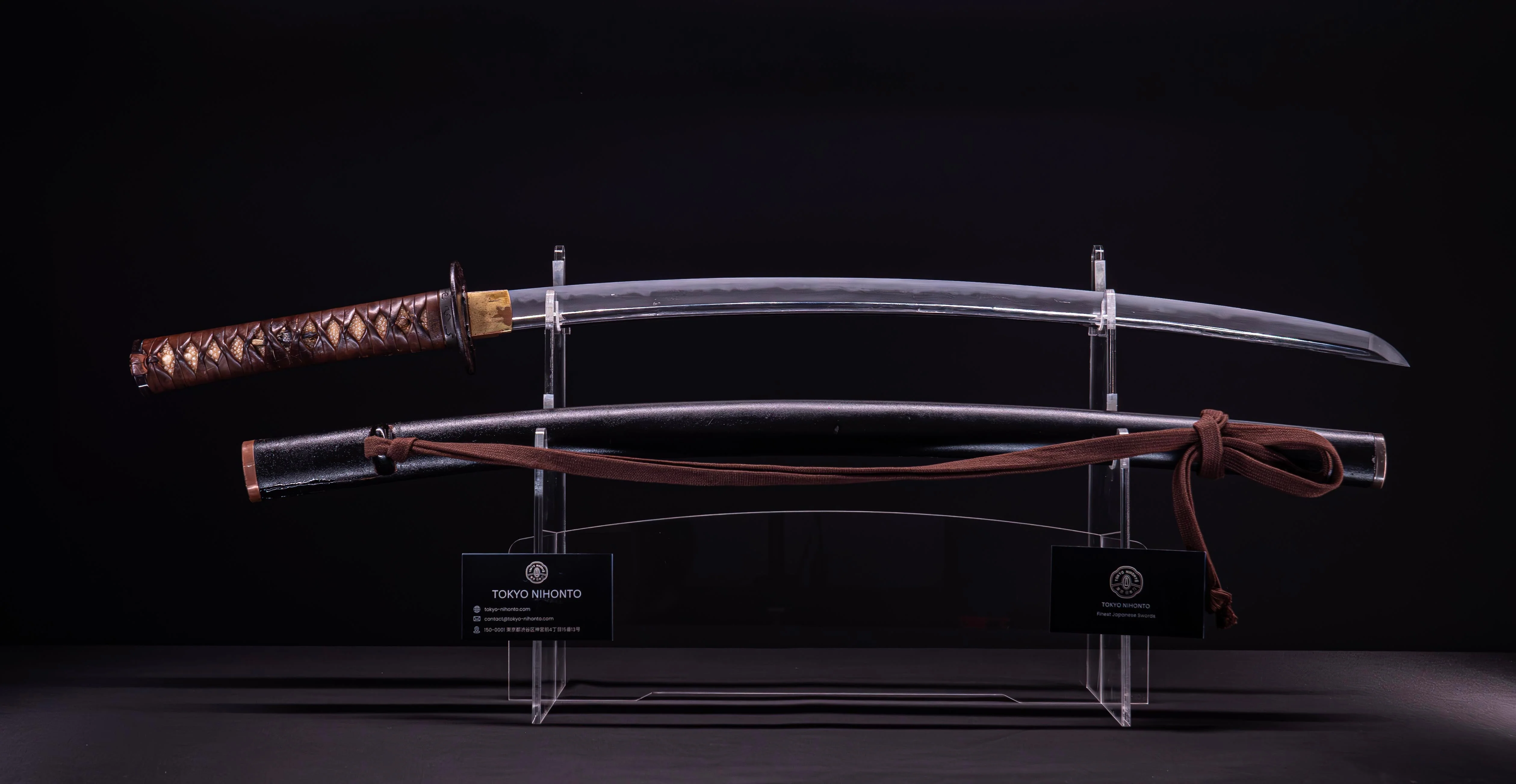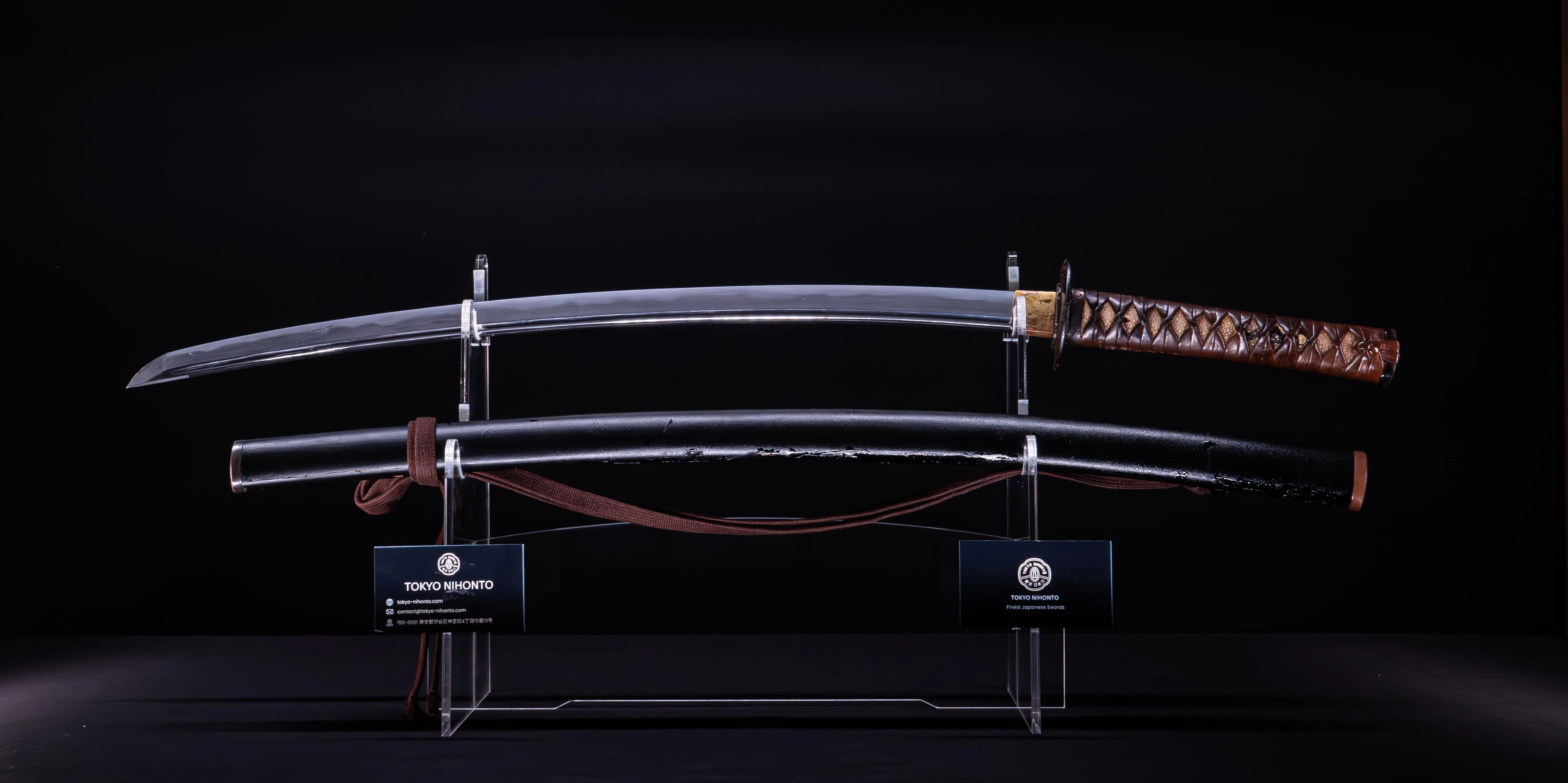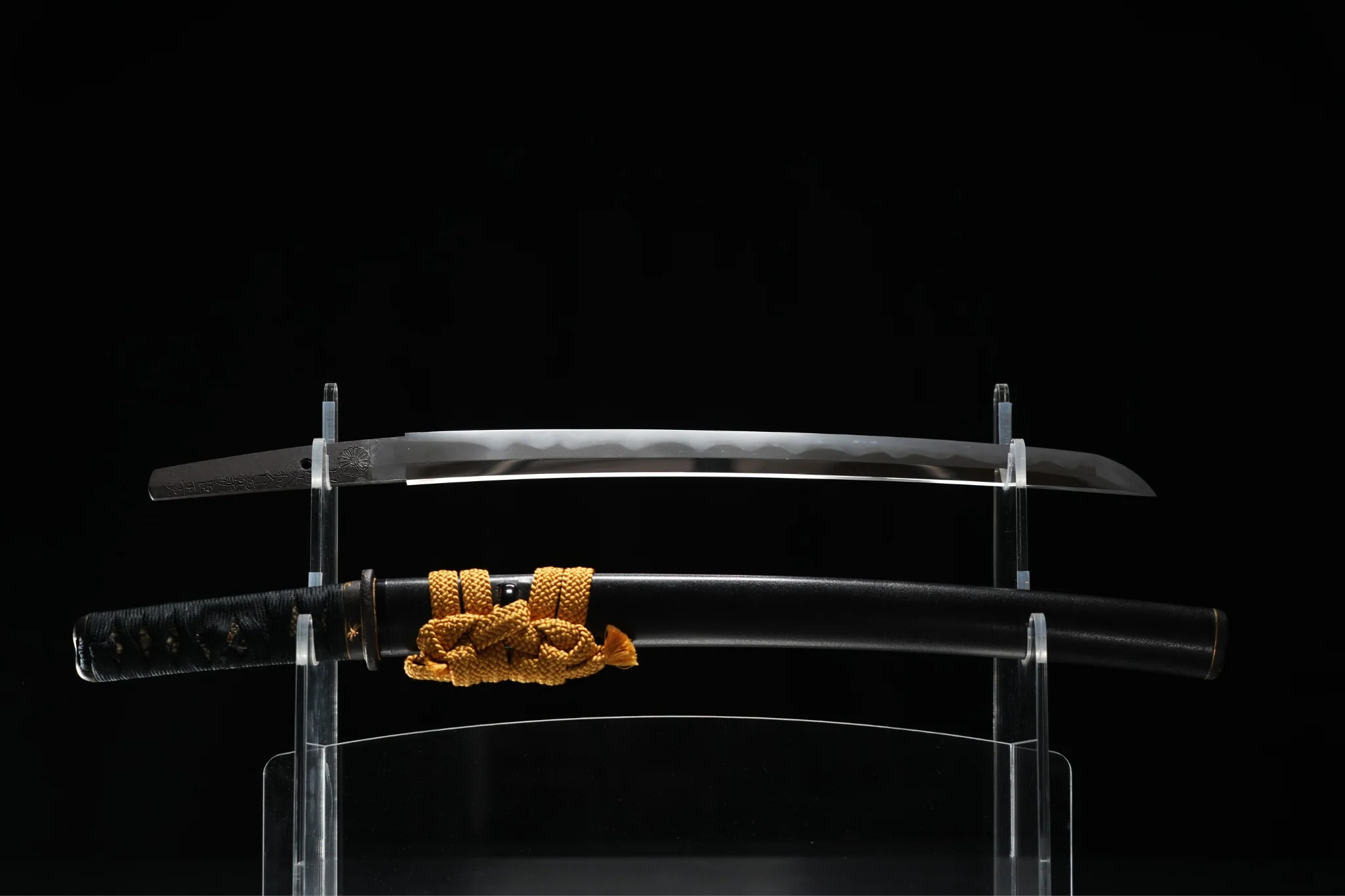
Antique Japanese Sword Wakizashi NBTHK signed by Hatakeyama Masamitsu, Edo Period
About the sword :
About the master :
Born into a lineage of skilled swordsmiths, Masamitsu was the son of Masakiyo. He furthered his knowledge and expertise under the tutelage of the accomplished Yasutomo, a renowned swordsmith in his own right. In addition to his work in Settsu, Masamitsu also resided in Aki, where he continued to refine his sword-making techniques.
Masamitsu's dedication to the art of swordsmithing is evident in the quality of his creations. His swords, particularly his Wakizashis, are known for their grace and beauty, representing the finest traditions and techniques of the Bunkyū era.
Characteristics of the sword:
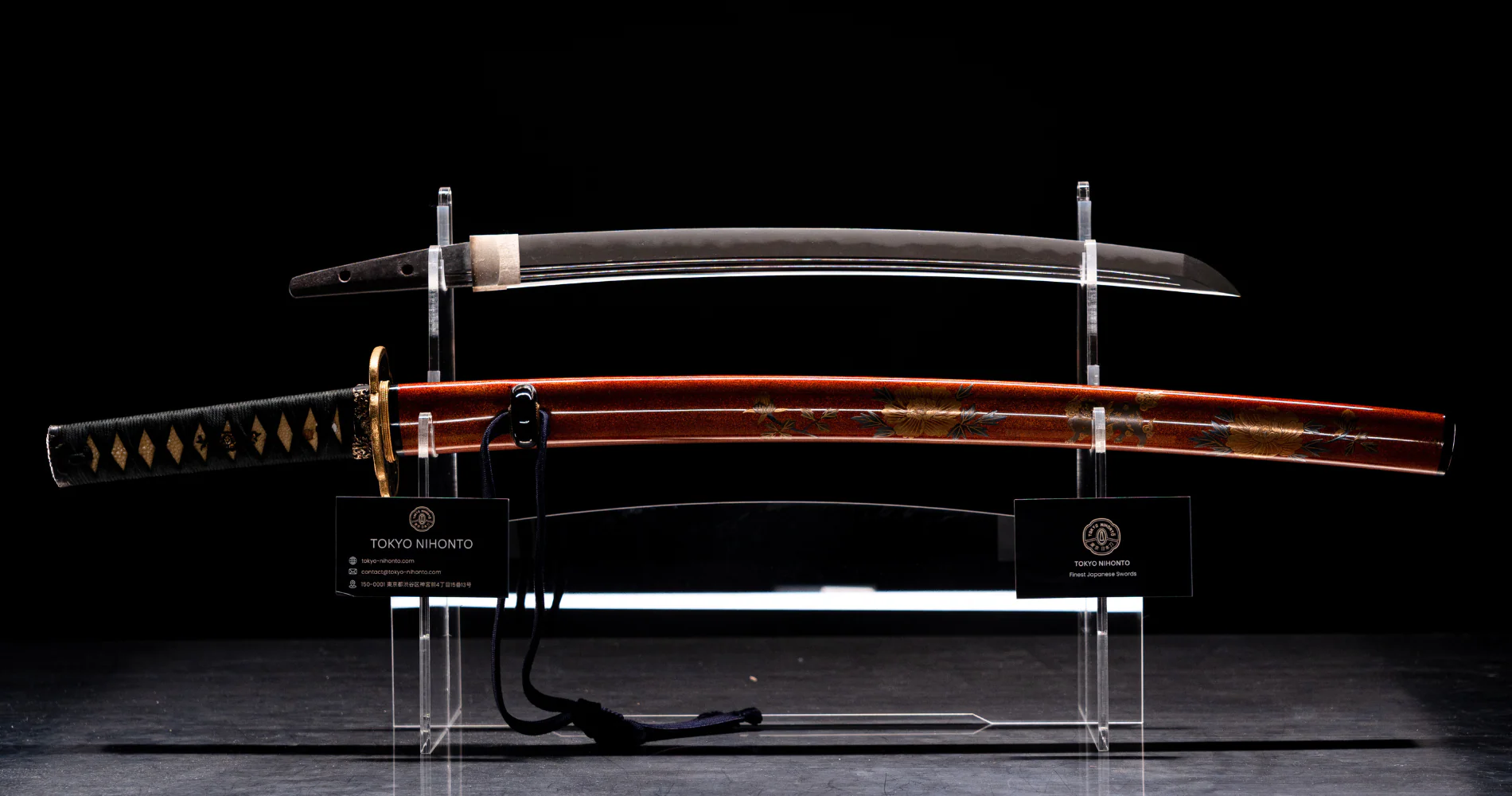
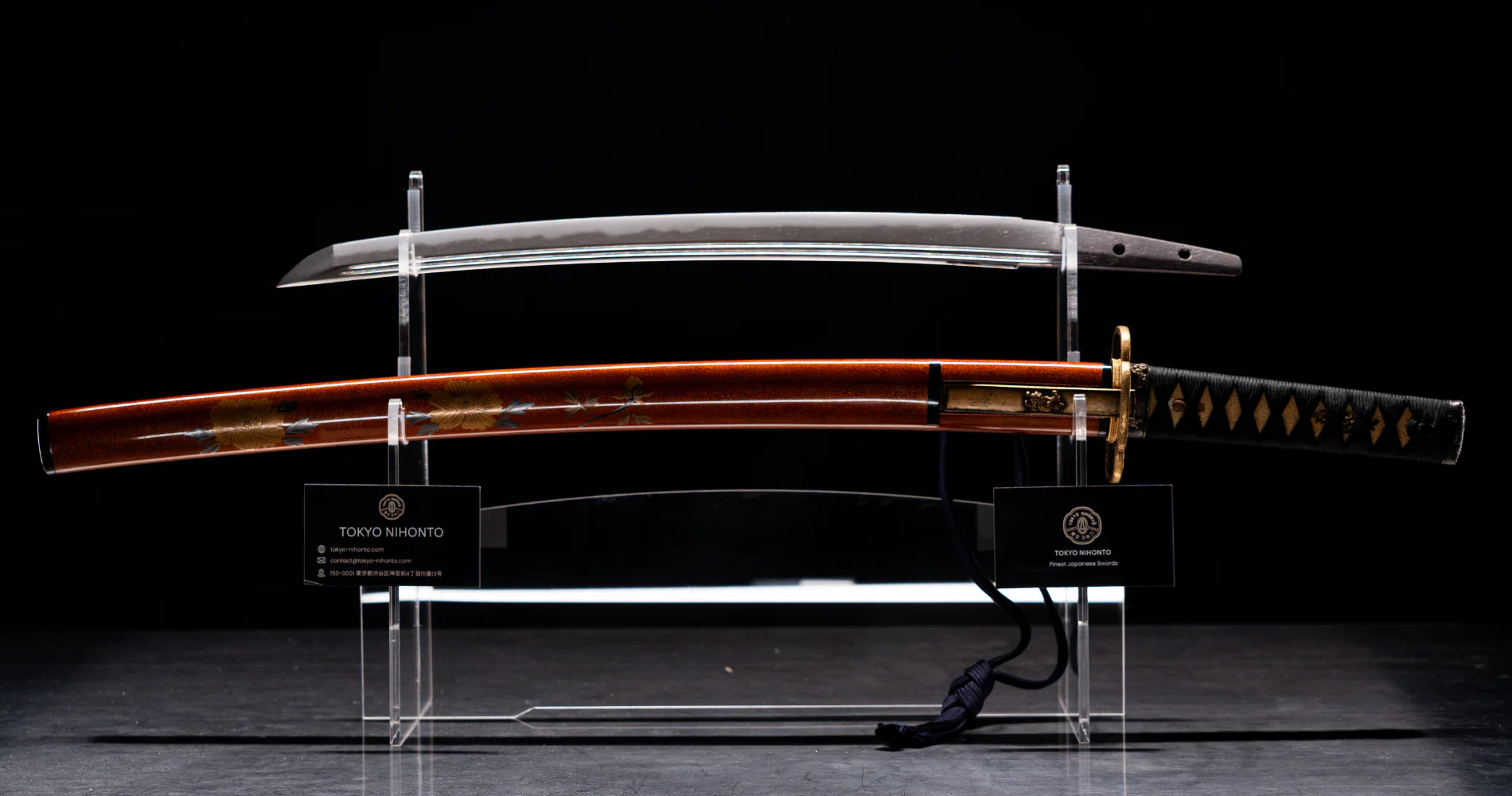
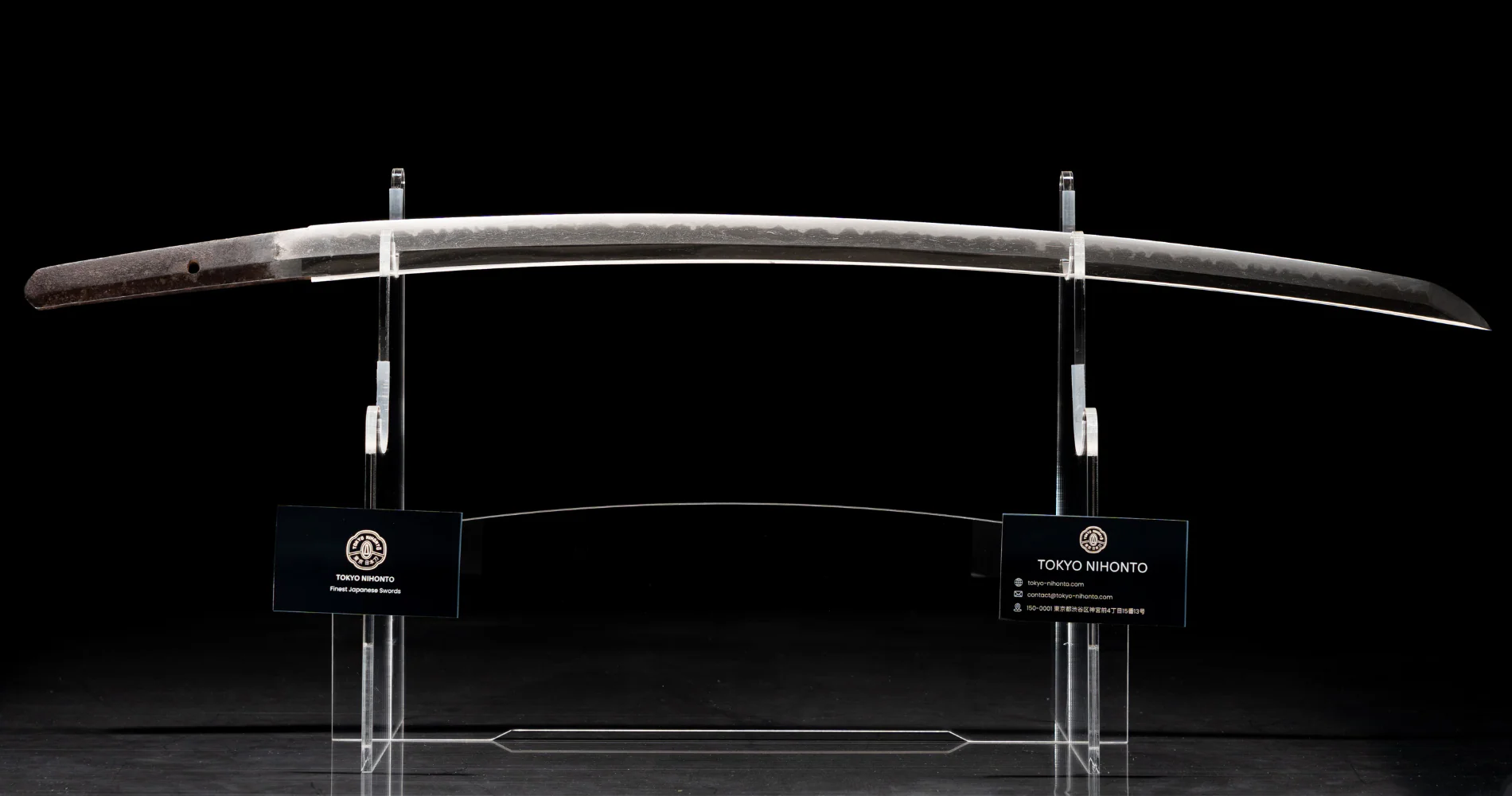
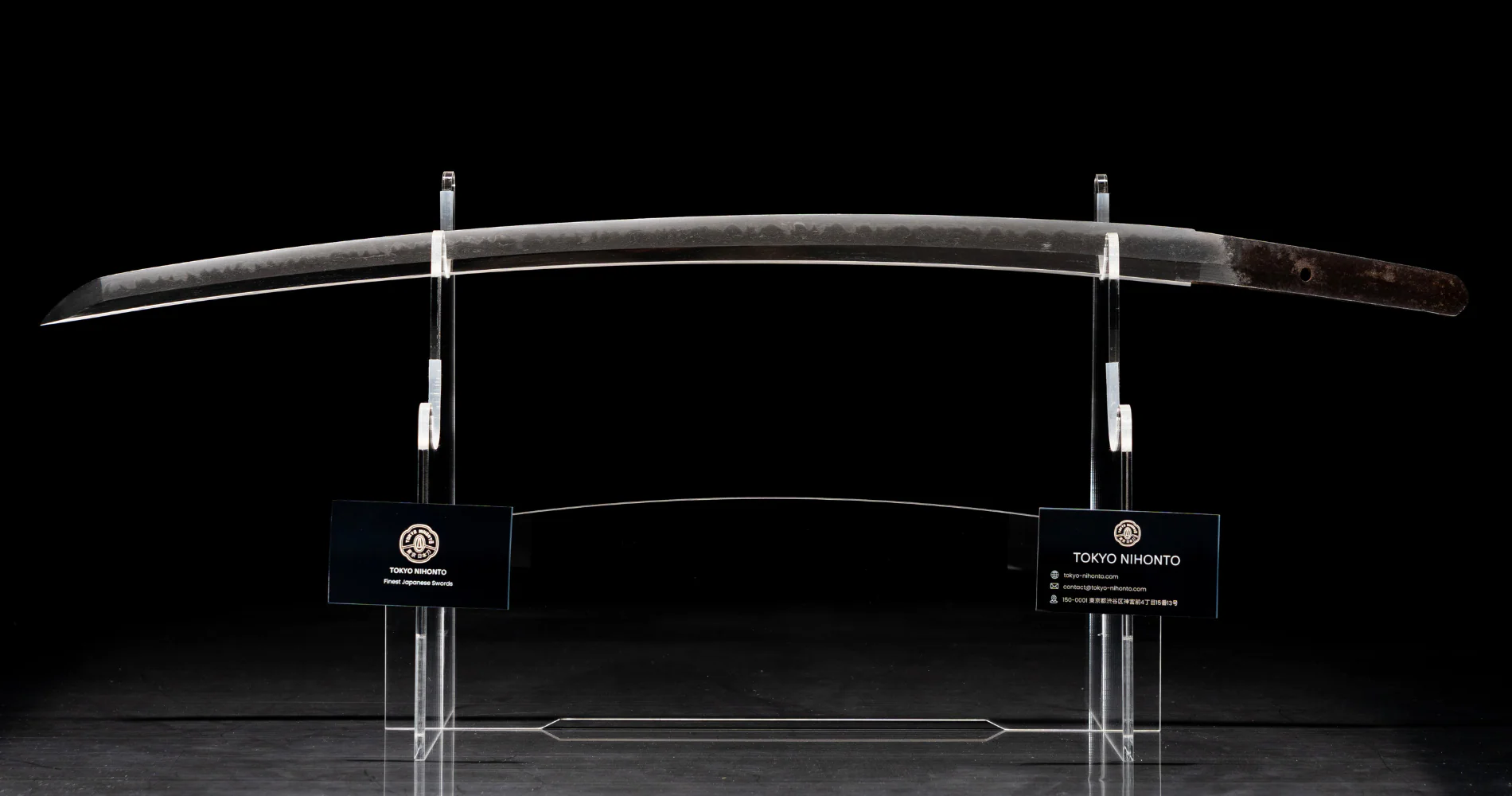
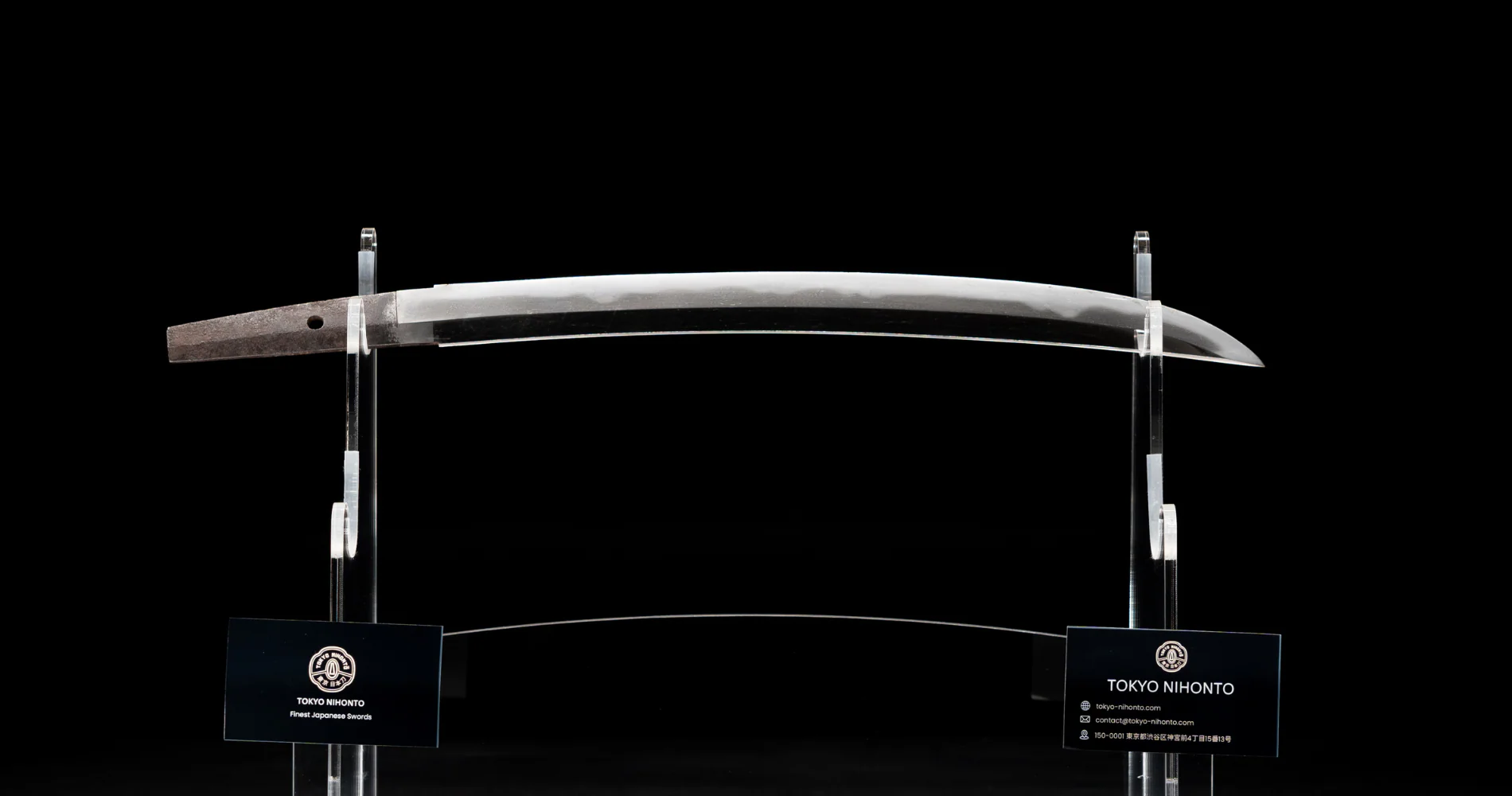
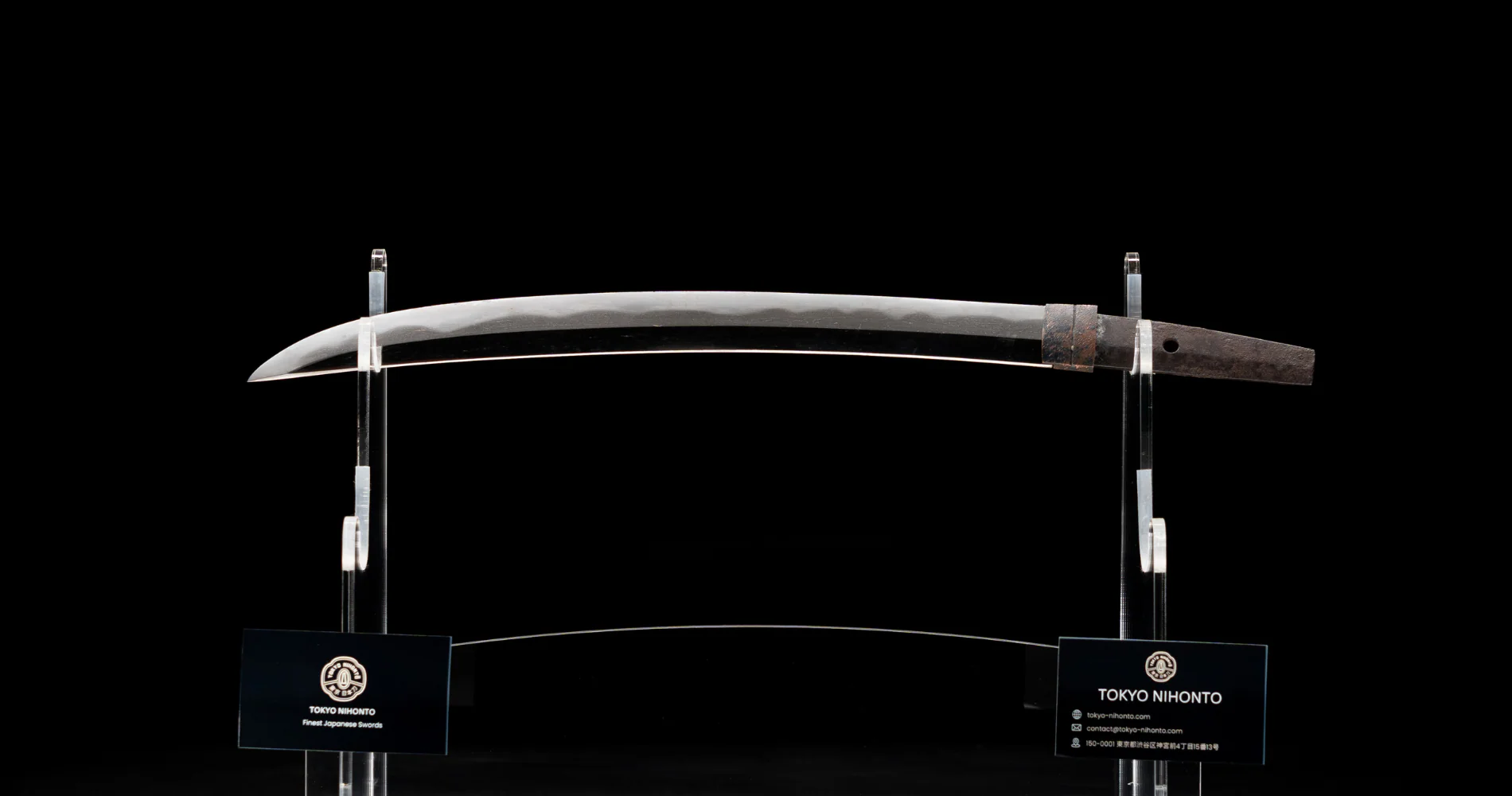
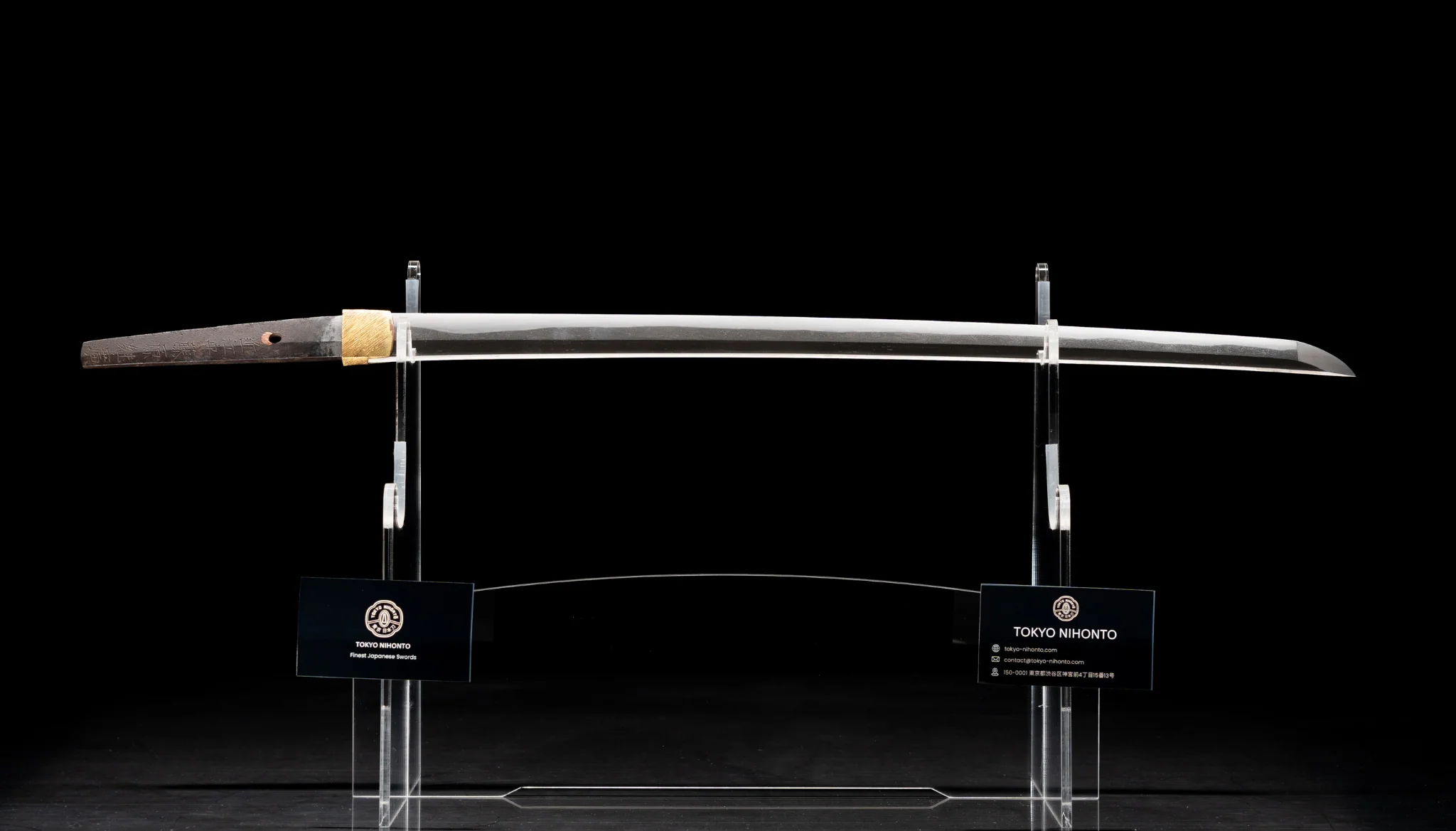
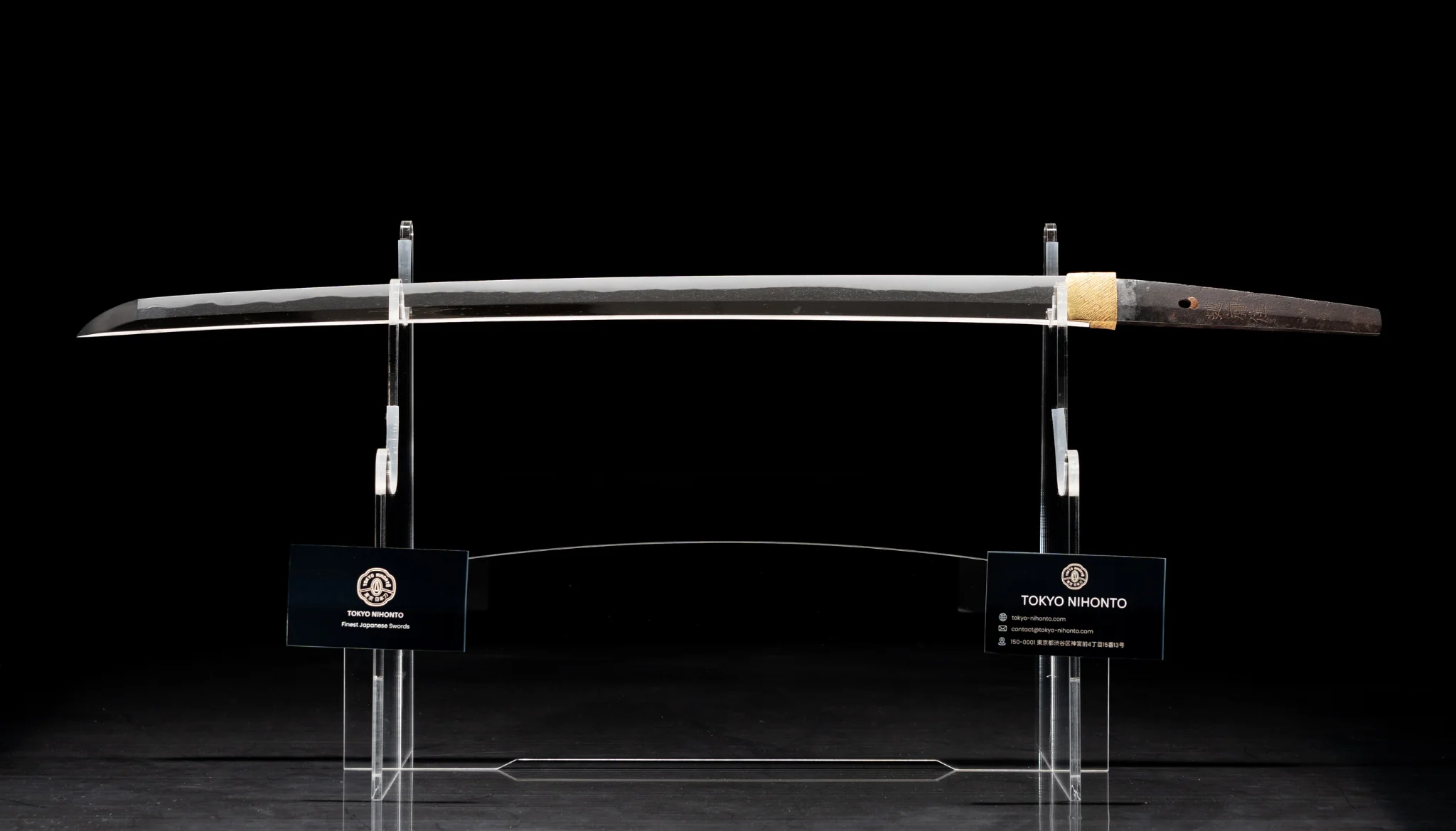
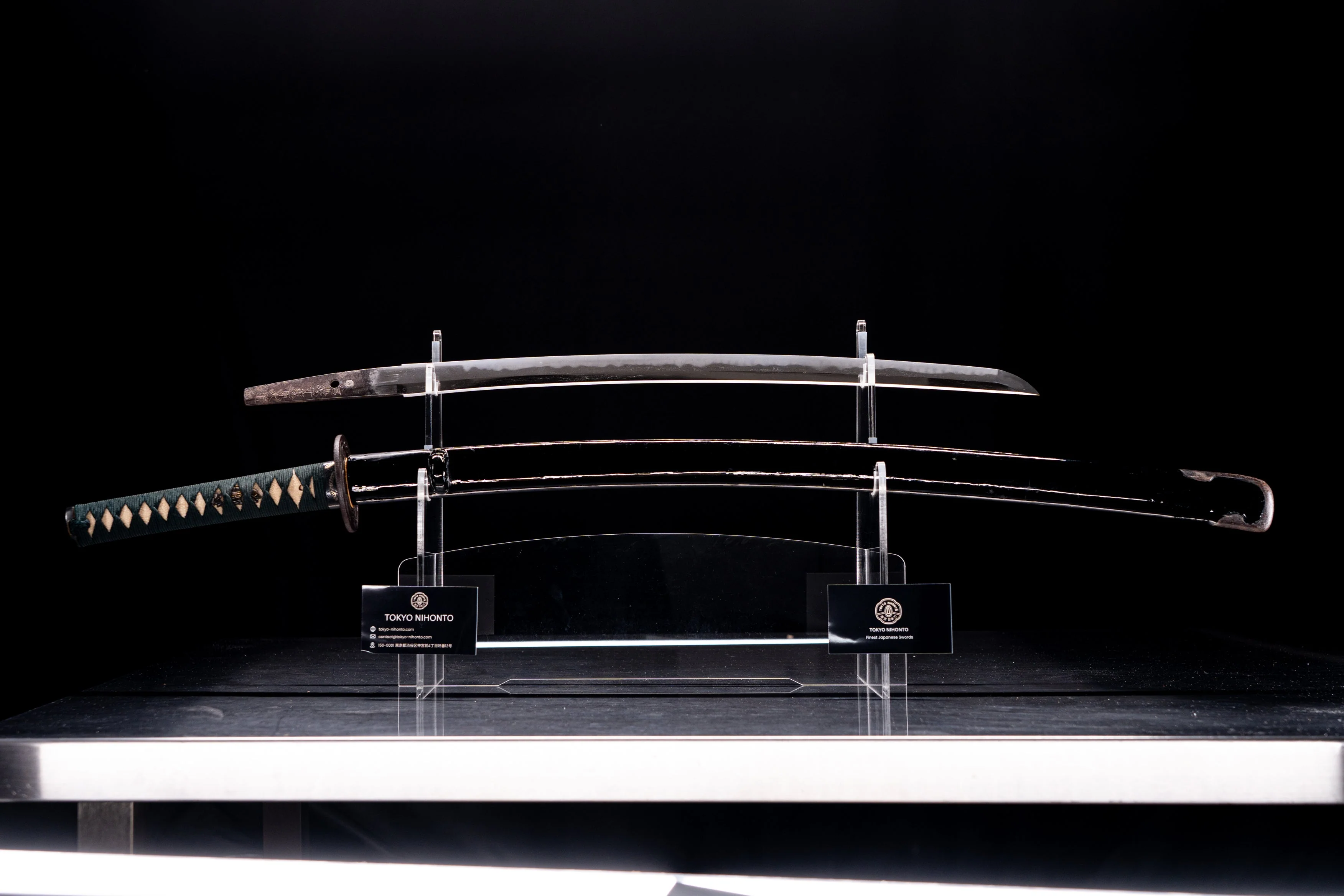
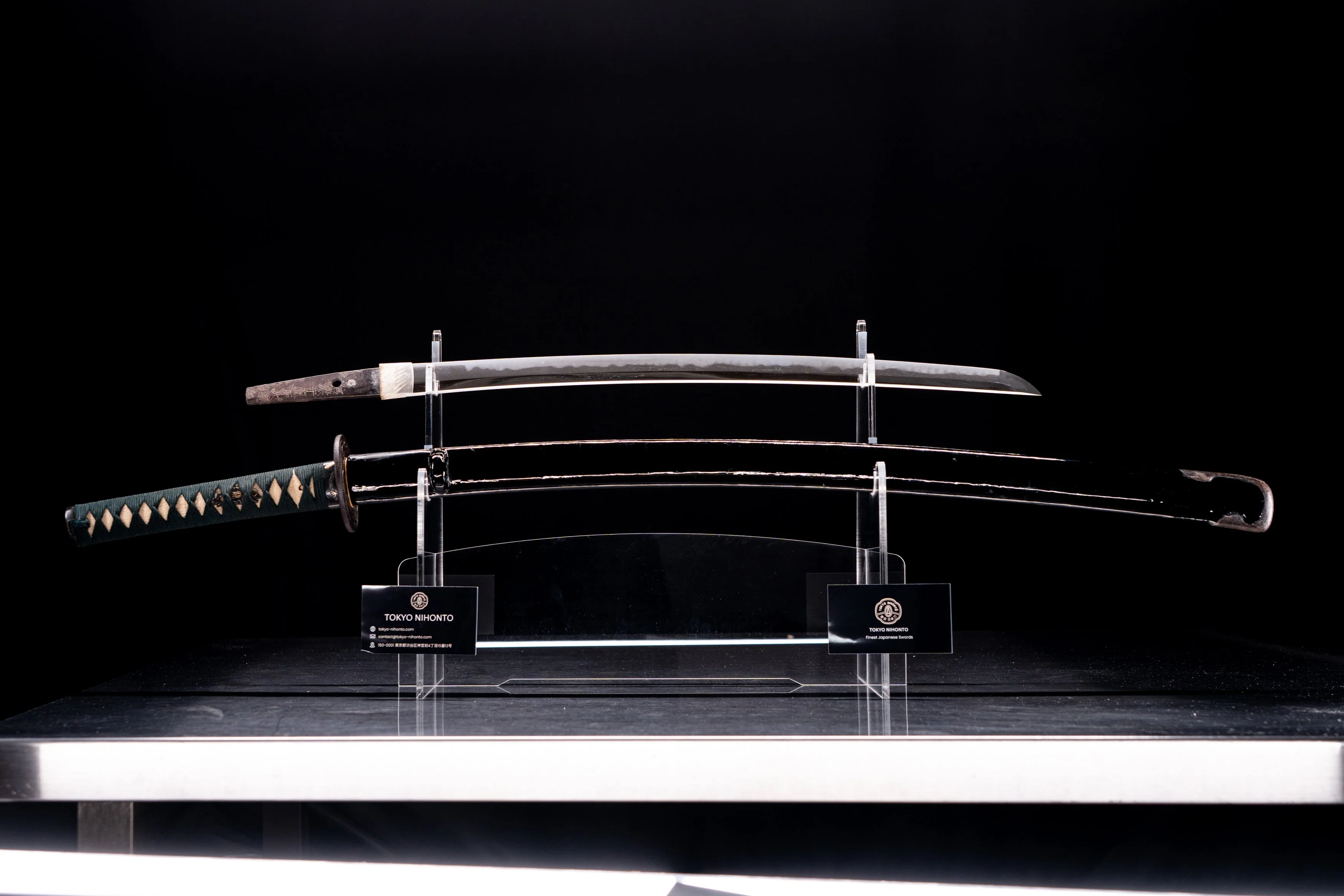
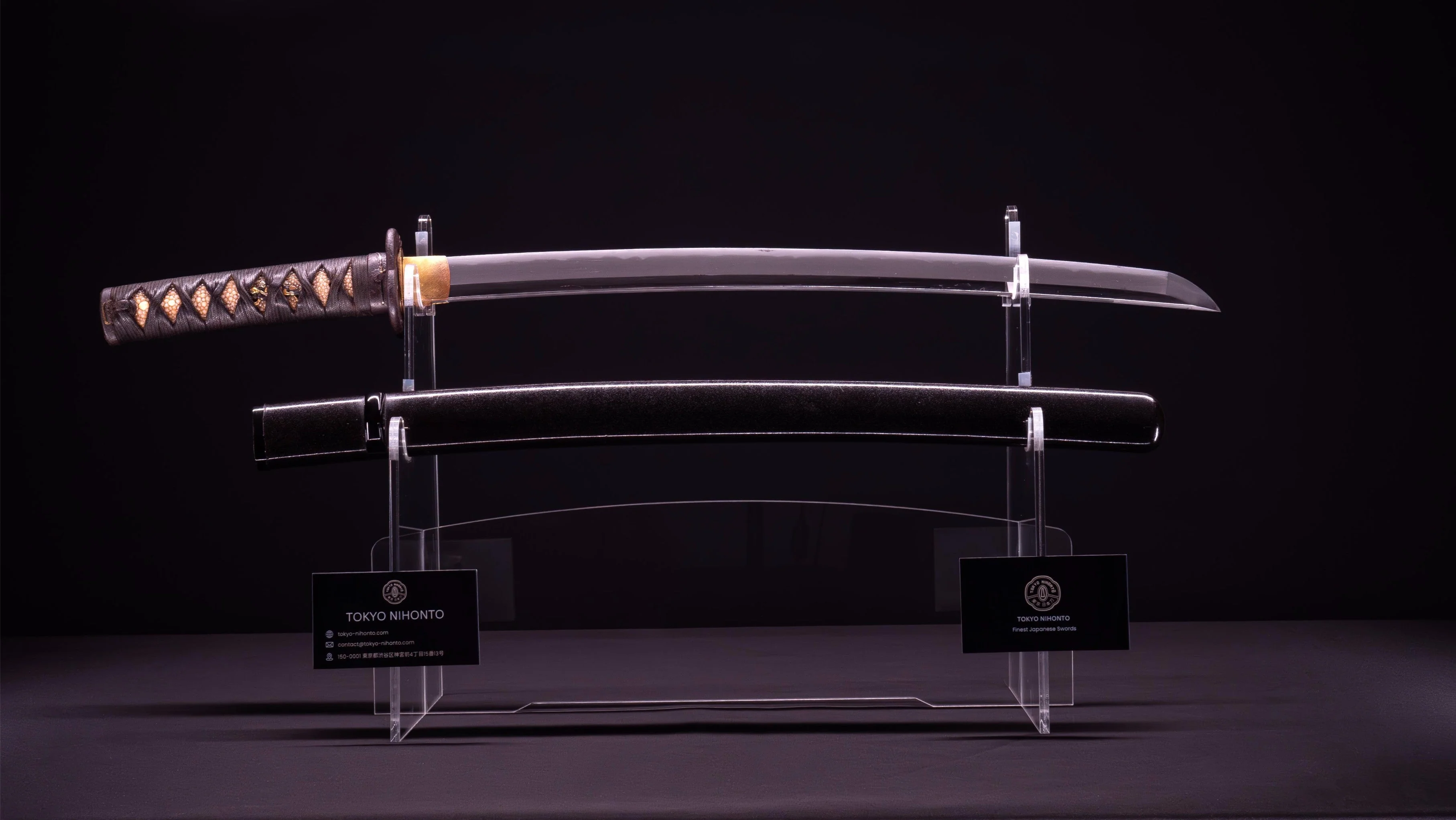
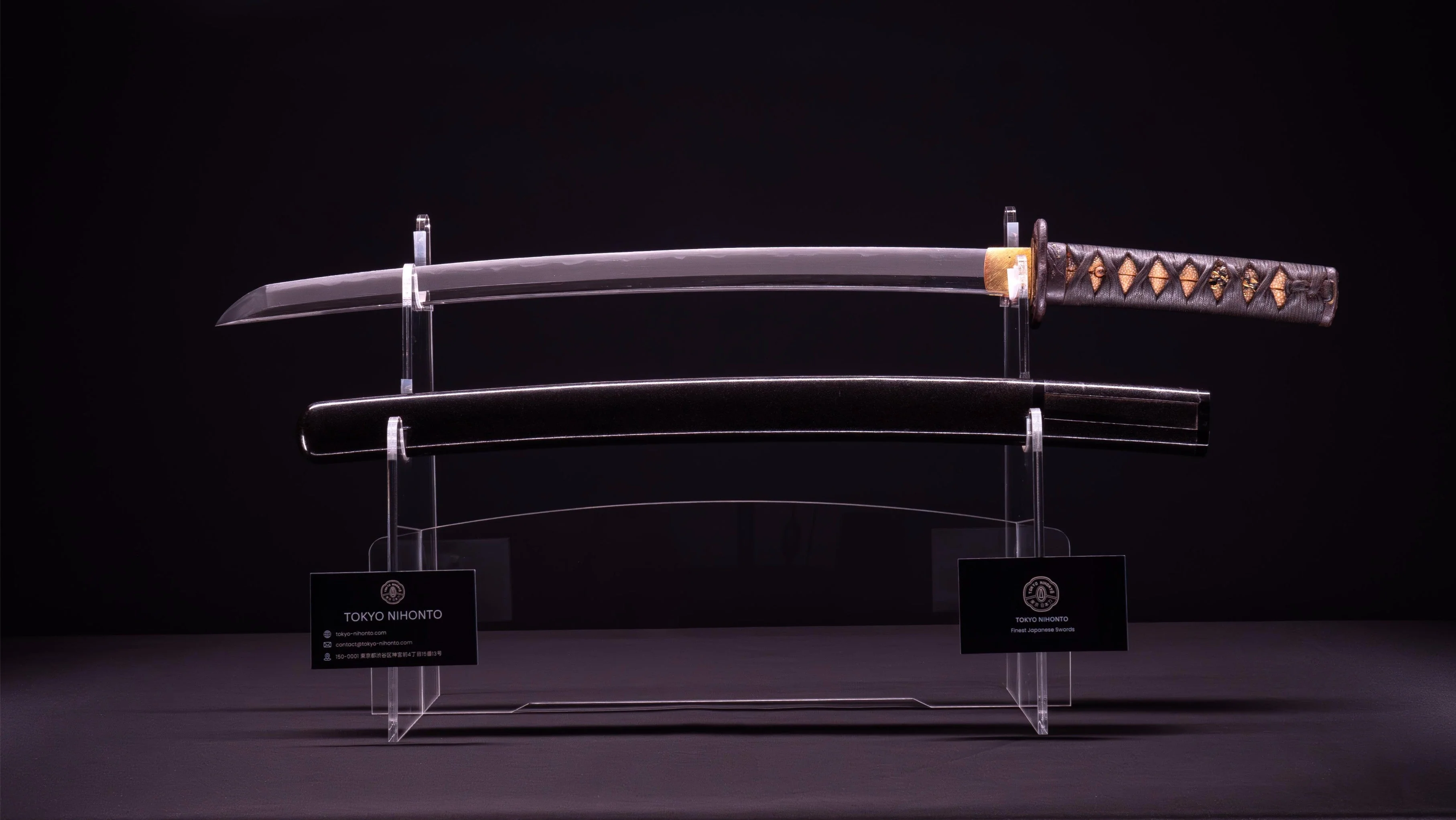
The blade features a slightly pronounced curvature and is constructed in the shinogi-zukuri style, which is characterized by a distinct ridgeline running the length of the blade. The mune (spine) is shaped in the iori style, adding an elegant touch to the sword's overall appearance. The kissaki (tip) is crafted in the ko-gissaki style, which is a smaller and more delicate point.
The hamon (temper line) displays an irregular wave pattern known as gunome-midare, which is beautifully complemented by crab marks. These intricate patterns highlight the blade's exquisite craftsmanship. The jigane (ground metal) boasts a fine grain and attractive texture, further enhancing the sword's visual appeal.
Koshirae (Mount):
The fuchi (collar), kashira (pommel), tsuba (handguard), and kozuka (small utility knife) are all made of iron, featuring intricate gold inlays of dragonflies. This detailed ornamentation adds a unique and elegant touch to the sword's overall appearance.
The menuki (grip ornaments) are crafted from shakudo, a copper and gold alloy, and feature gold inlays of delicate flowers. The kogai (skewer-like implement) is also made from shakudo and adorned with gold inlays of flowers and insect bells, further emphasizing the sword's refined aesthetic.
The saya (scabbard) is finished in a black lacquer, which has been carefully textured with a stone pattern, providing the perfect complement to the exquisite blade and ornate koshirae.
Dimensions (approximate):
- Length of the blade: 37,7 cm
- Width of the base: 2,7 cm
- Width of the tip: 2,0 cm
- Thickness of the base: 0,7 cm
- Tip thickness: 0.5 cm
- Weight of the blade: 352 g
Product Information
Product Information
Shipping & Returns
Shipping & Returns
Description
About the sword :
About the master :
Born into a lineage of skilled swordsmiths, Masamitsu was the son of Masakiyo. He furthered his knowledge and expertise under the tutelage of the accomplished Yasutomo, a renowned swordsmith in his own right. In addition to his work in Settsu, Masamitsu also resided in Aki, where he continued to refine his sword-making techniques.
Masamitsu's dedication to the art of swordsmithing is evident in the quality of his creations. His swords, particularly his Wakizashis, are known for their grace and beauty, representing the finest traditions and techniques of the Bunkyū era.
Characteristics of the sword:
The blade features a slightly pronounced curvature and is constructed in the shinogi-zukuri style, which is characterized by a distinct ridgeline running the length of the blade. The mune (spine) is shaped in the iori style, adding an elegant touch to the sword's overall appearance. The kissaki (tip) is crafted in the ko-gissaki style, which is a smaller and more delicate point.
The hamon (temper line) displays an irregular wave pattern known as gunome-midare, which is beautifully complemented by crab marks. These intricate patterns highlight the blade's exquisite craftsmanship. The jigane (ground metal) boasts a fine grain and attractive texture, further enhancing the sword's visual appeal.
Koshirae (Mount):
The fuchi (collar), kashira (pommel), tsuba (handguard), and kozuka (small utility knife) are all made of iron, featuring intricate gold inlays of dragonflies. This detailed ornamentation adds a unique and elegant touch to the sword's overall appearance.
The menuki (grip ornaments) are crafted from shakudo, a copper and gold alloy, and feature gold inlays of delicate flowers. The kogai (skewer-like implement) is also made from shakudo and adorned with gold inlays of flowers and insect bells, further emphasizing the sword's refined aesthetic.
The saya (scabbard) is finished in a black lacquer, which has been carefully textured with a stone pattern, providing the perfect complement to the exquisite blade and ornate koshirae.
Dimensions (approximate):
- Length of the blade: 37,7 cm
- Width of the base: 2,7 cm
- Width of the tip: 2,0 cm
- Thickness of the base: 0,7 cm
- Tip thickness: 0.5 cm
- Weight of the blade: 352 g