Antique Katana Sword Wakizashi by Osafune Sukesada with Lion Motif Koshirae - NBTHK Hozon
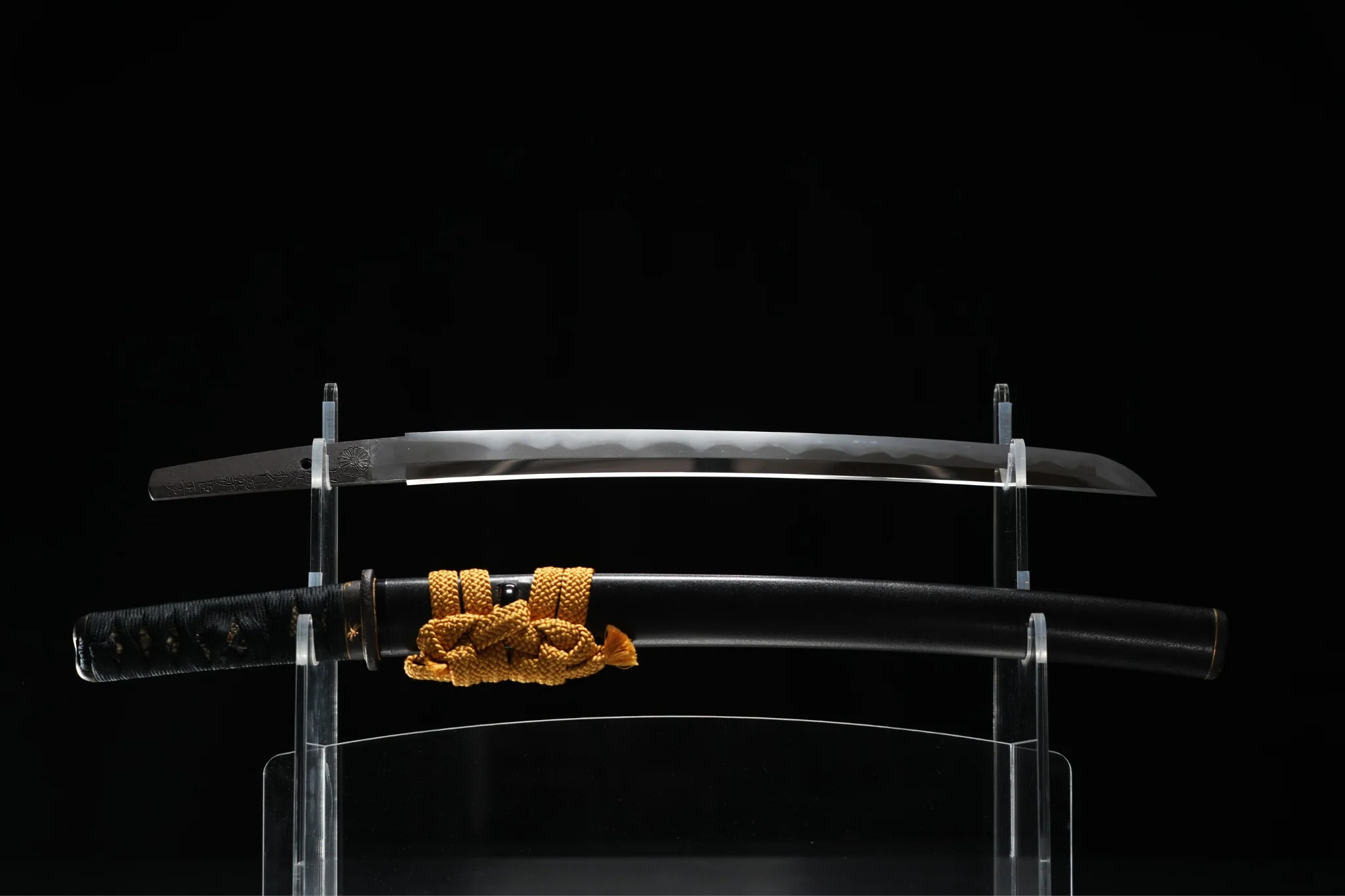
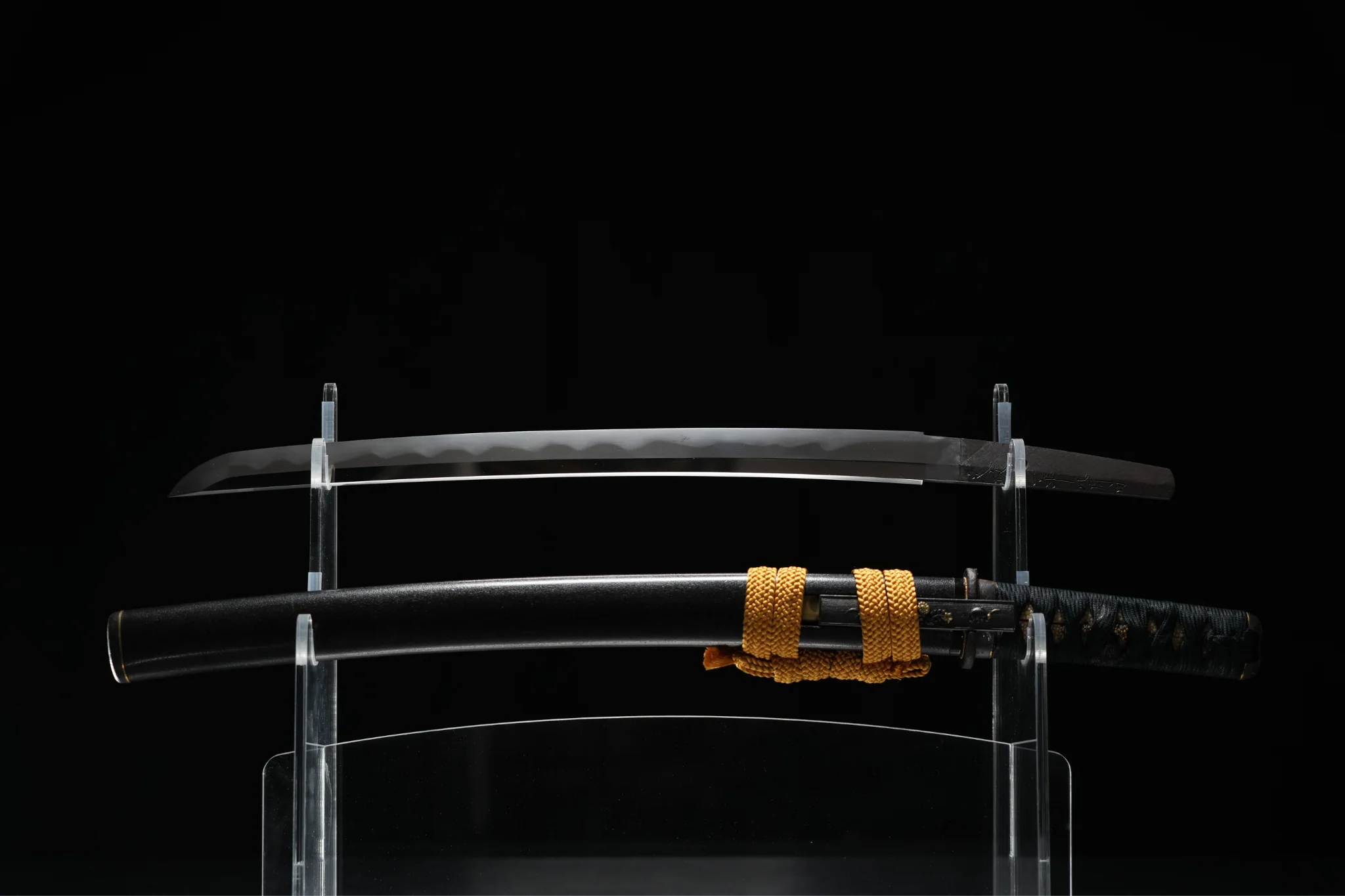
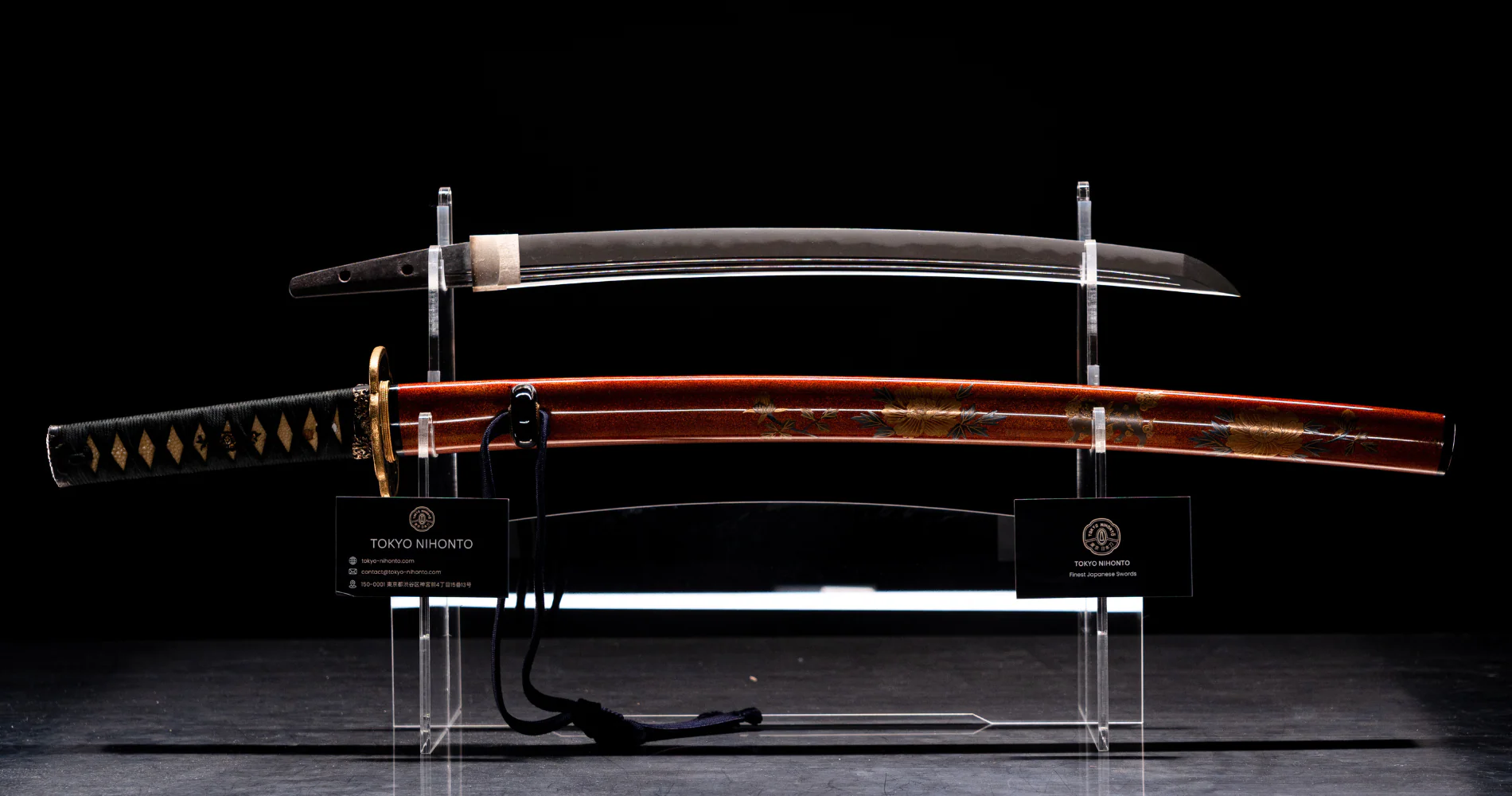
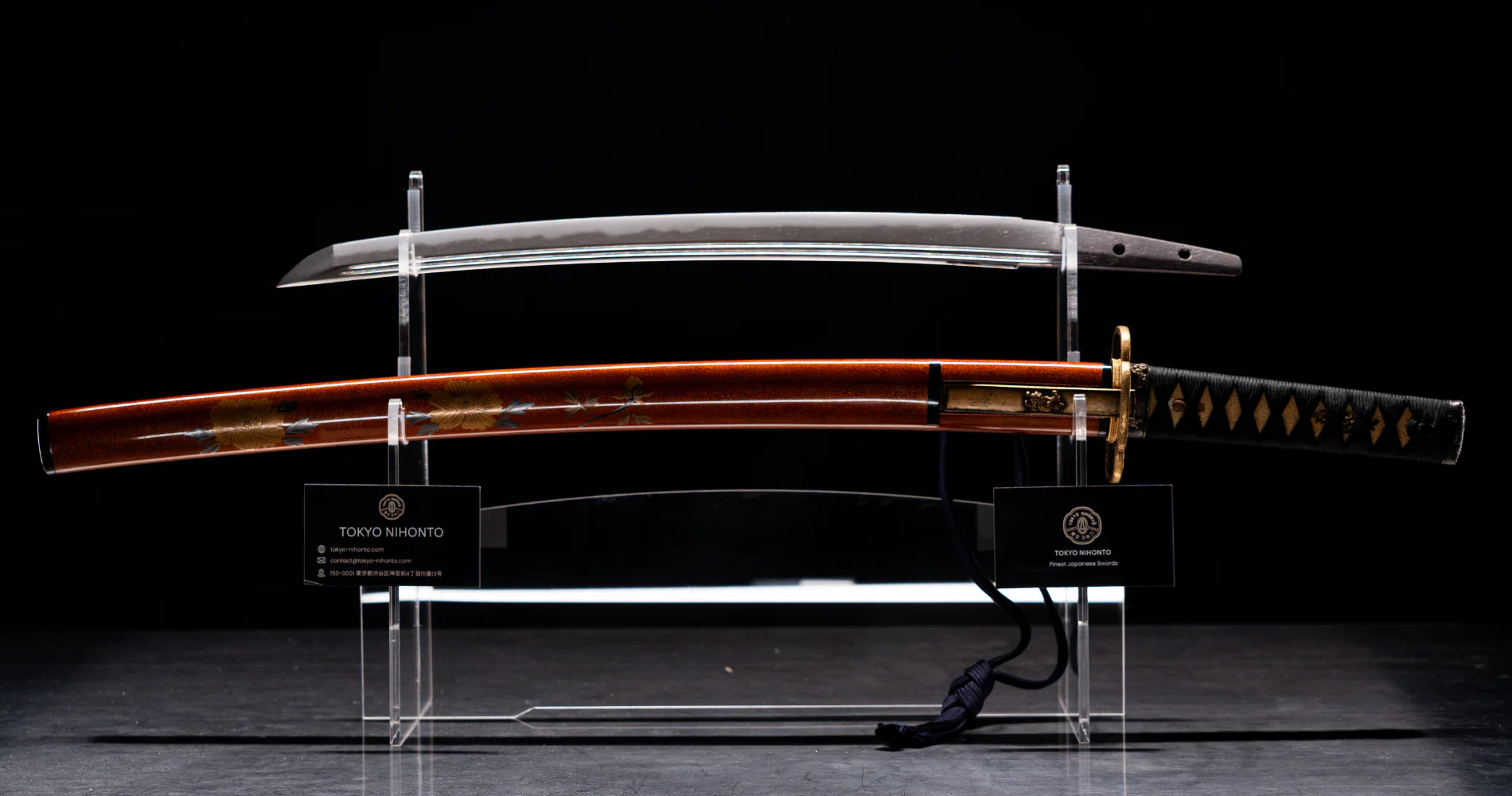
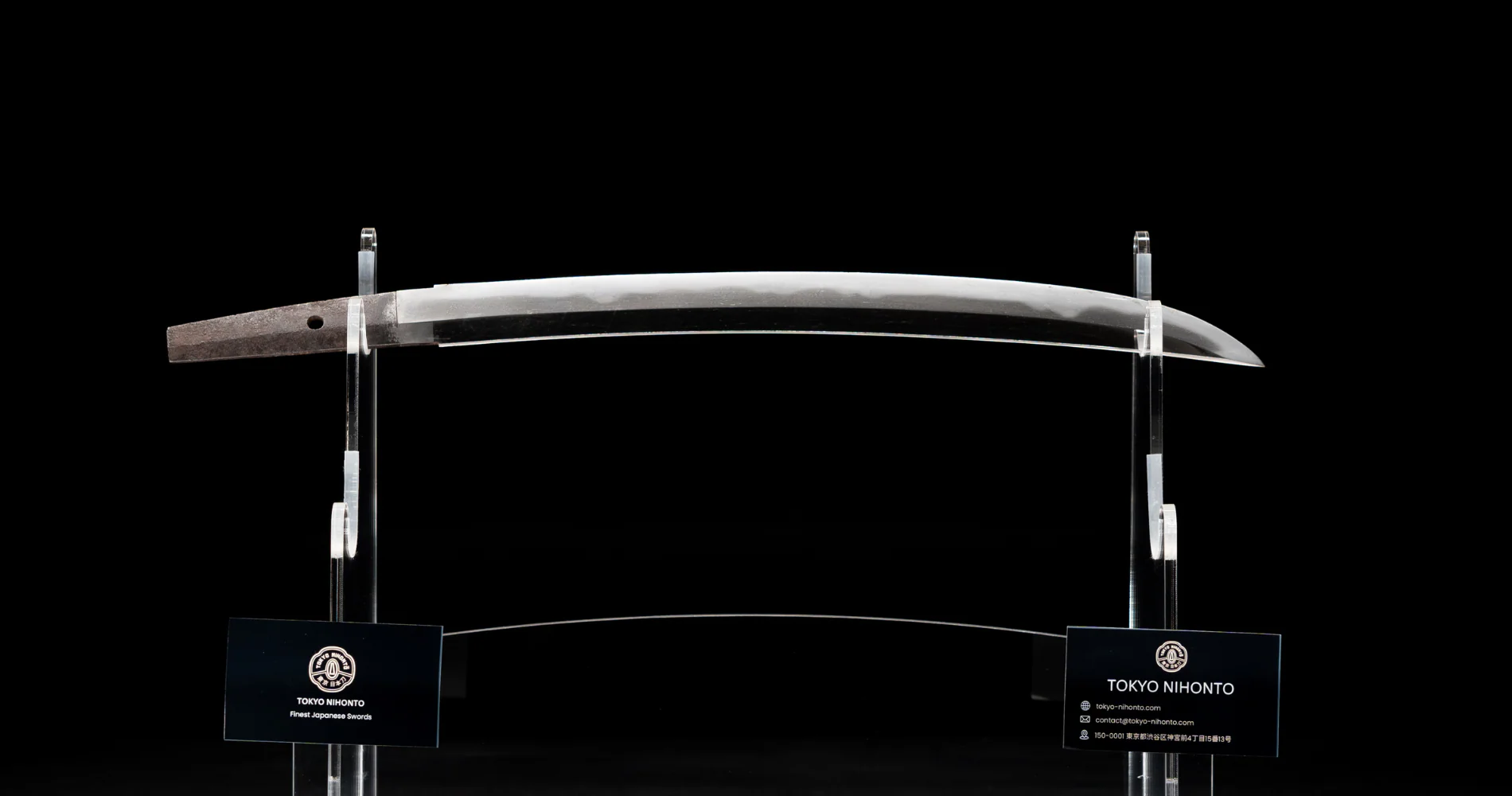
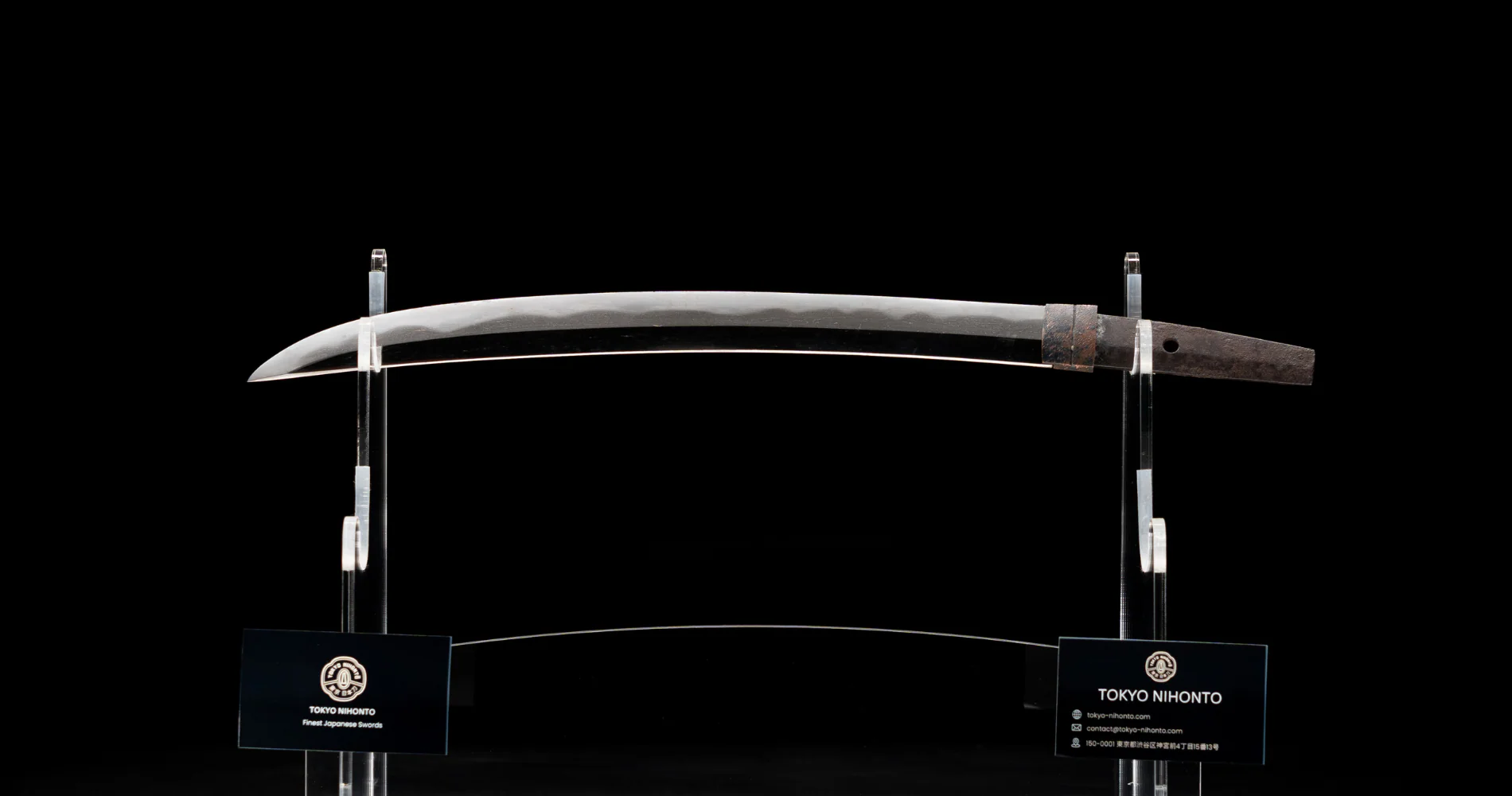
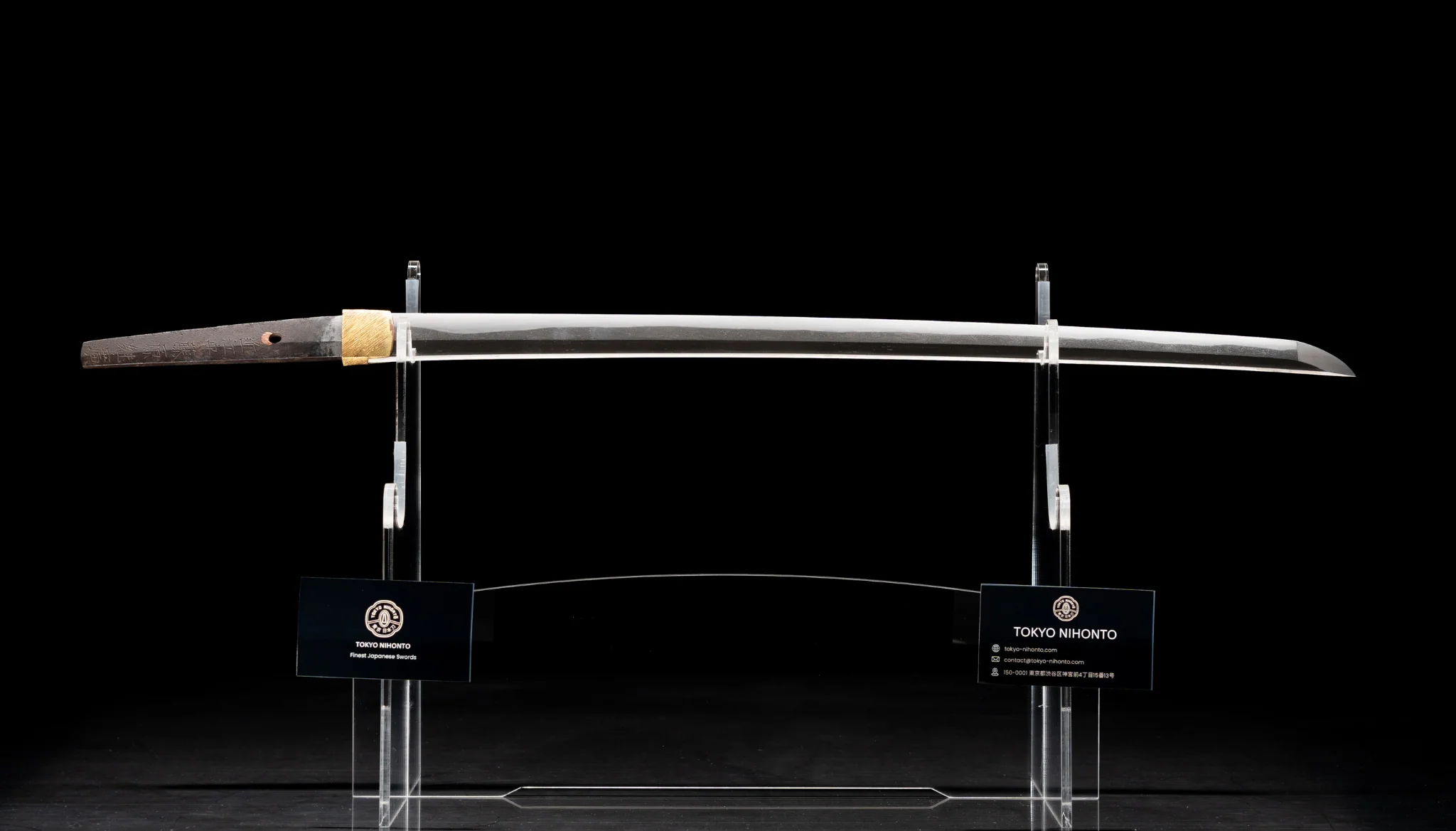
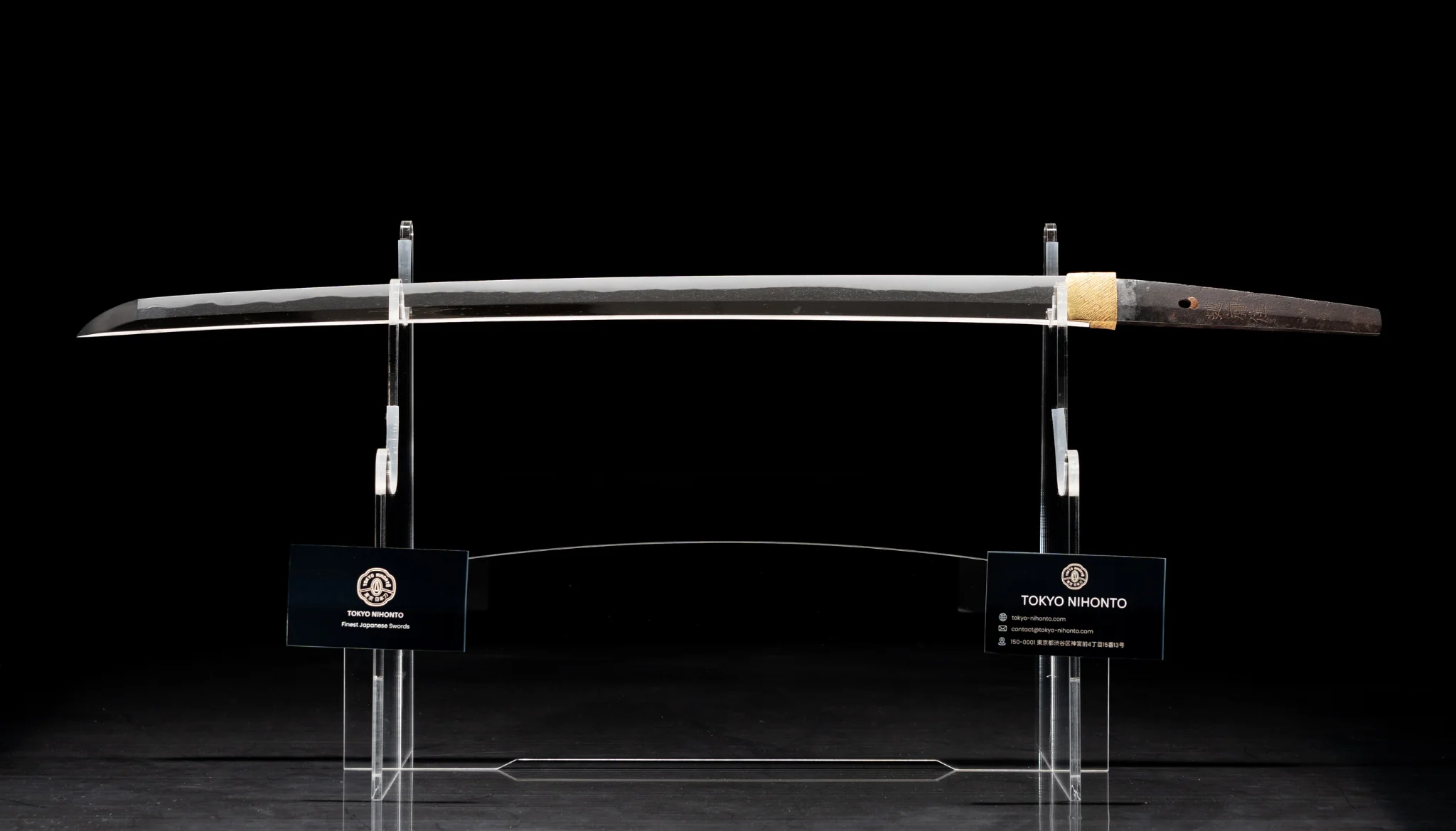
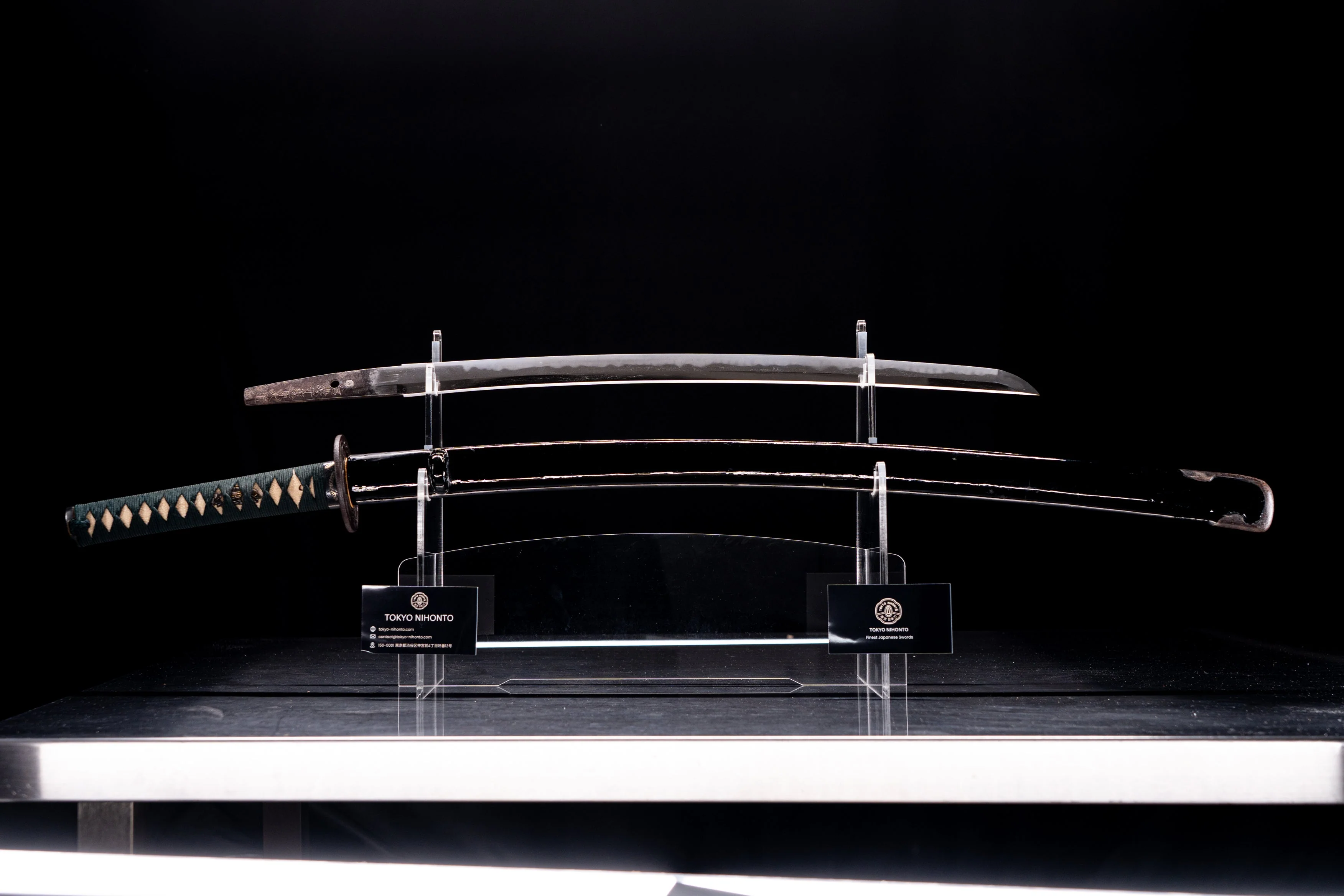
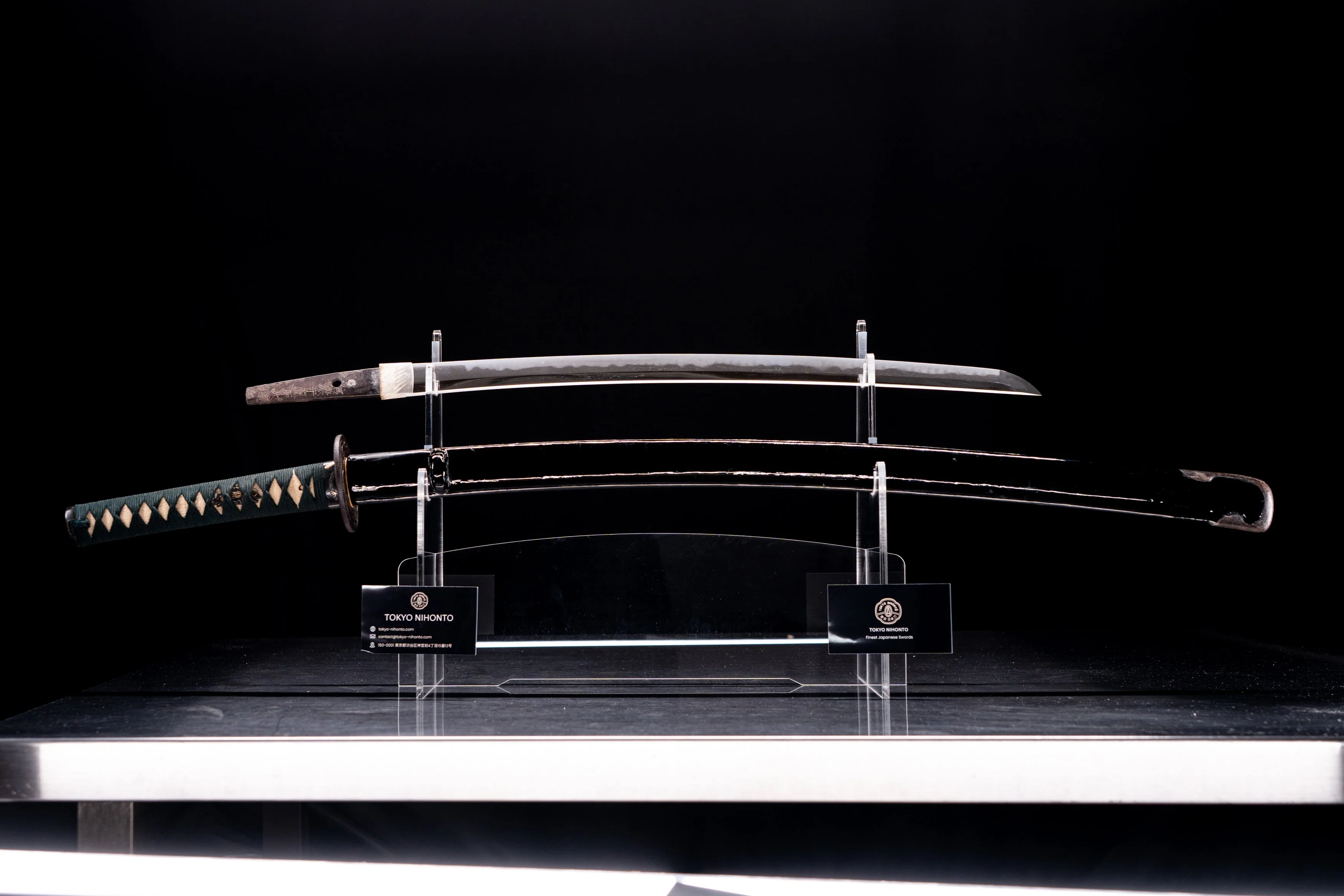
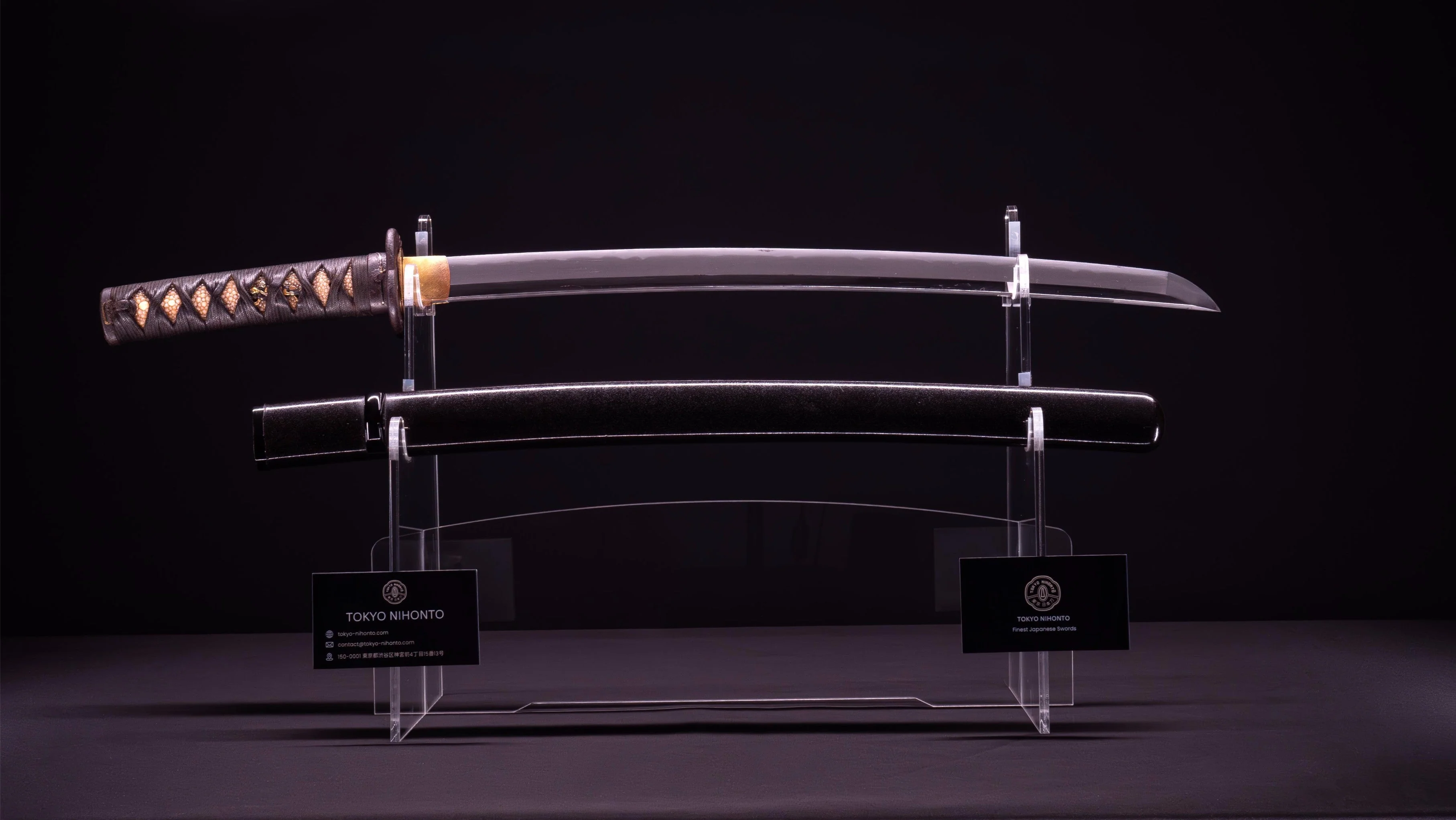
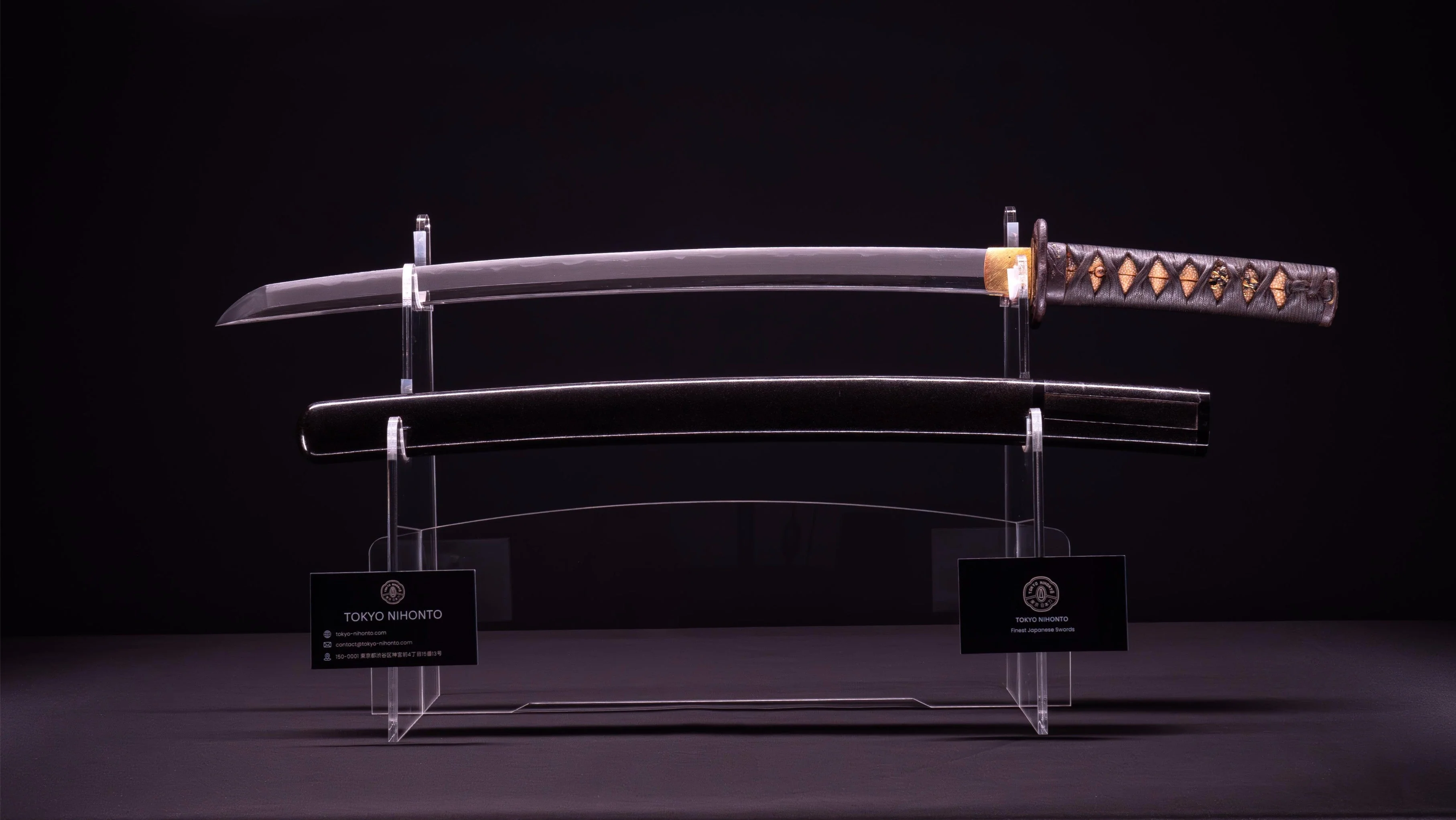
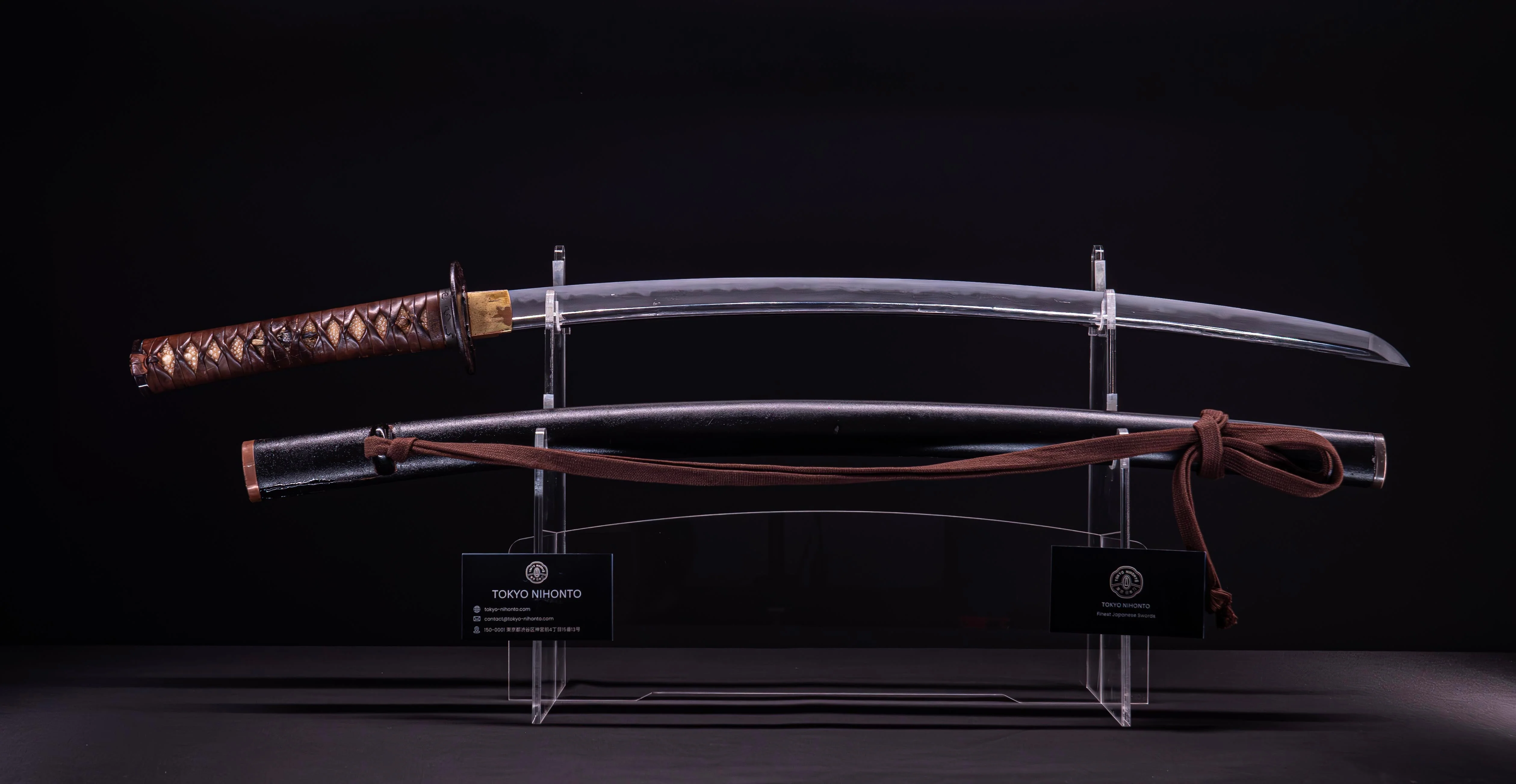
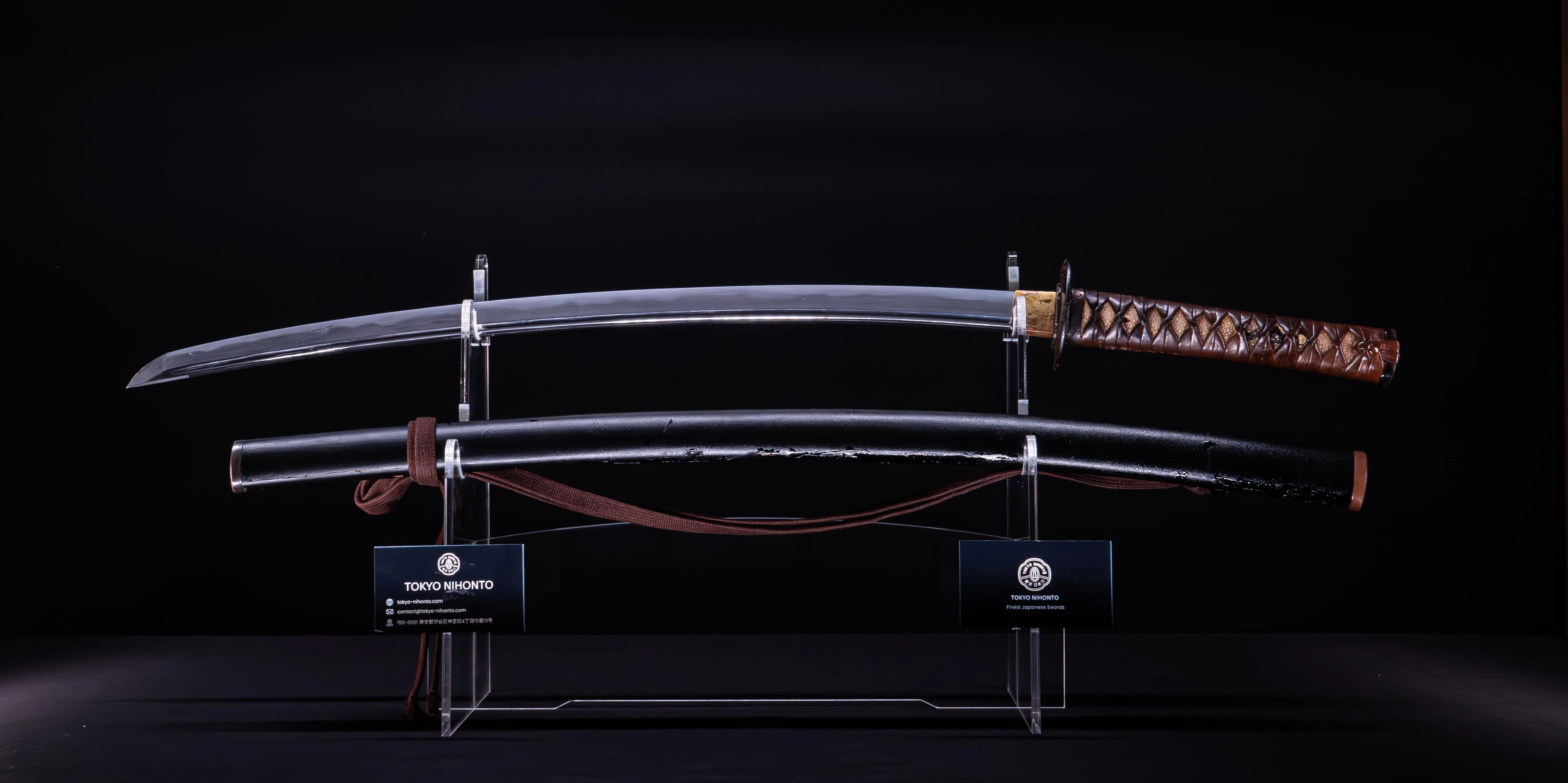
This Wakizashi, attributed to the esteemed Sukesada lineage, is a fine example of late Muromachi period craftsmanship, featuring koshirae that is as functional as it is ornamental.
Specifications:
Attribued to Osafune Sukesada
Mei: Mumei
Period: late Muromachi
Overall Koshirae Length: 83.0 cm
Blade Length: 59.6 cm
Curvature (Sori): 2.0 cm
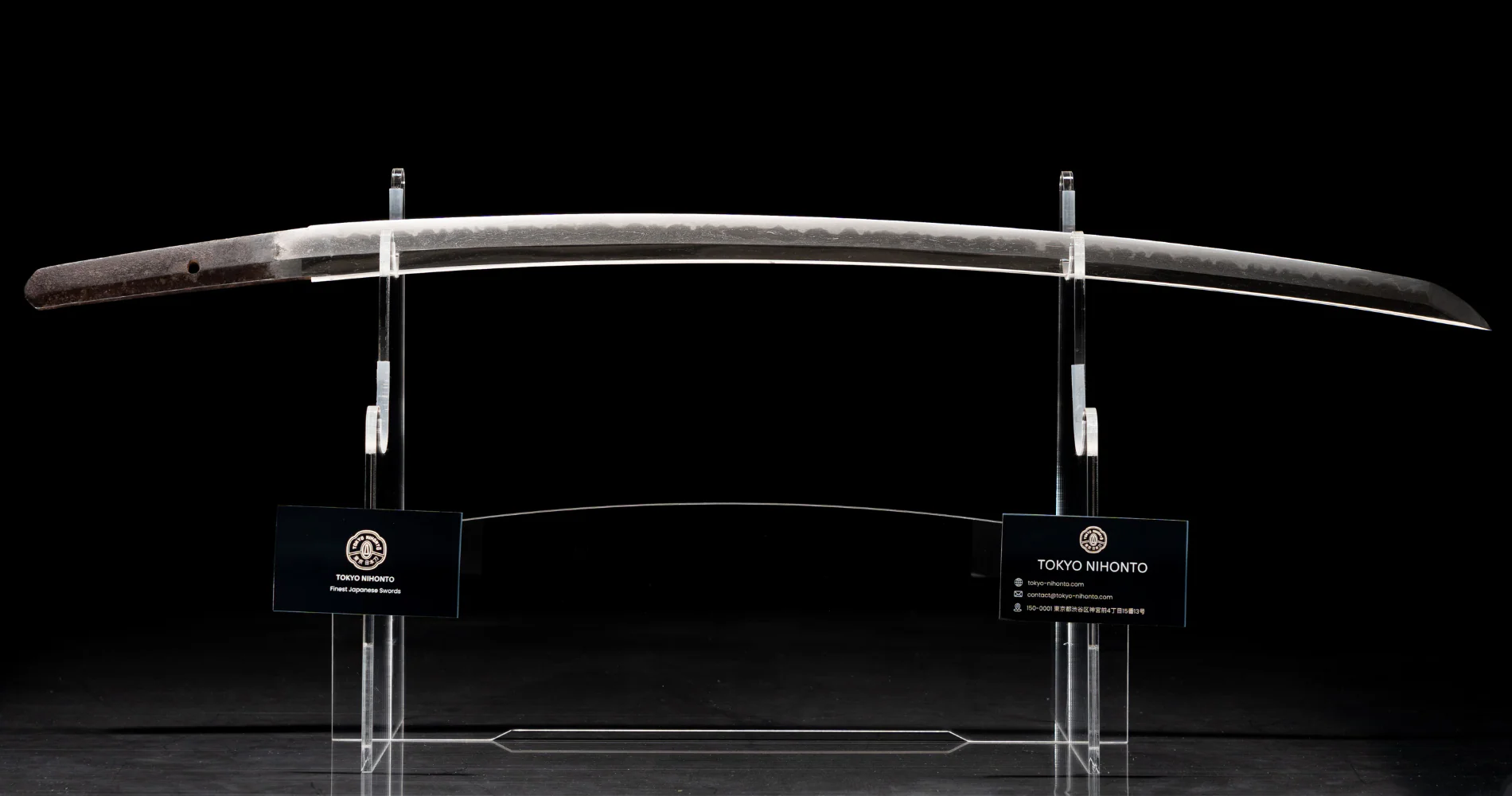
Nakago (Tang) Length: 14.3 cm
Motohaba (Base Width): 3.0 cm
Motokasane (Base Thickness): 0.62 cm
Sakihaba (Tip Width): 2.03 cm
Sakikasane (Tip Thickness): 0.34 cm
Blade Weight: 574 g
Certificate: NBTHK Hozon Token
Blade Features:
The blade boasts a midare (irregular) pattern, likely gunome midare, which is characterized by undulating patterns resembling rolling waves or cloves, indicative of the Sukesada smiths' skill.
Mountings (Koshirae):
The koshirae includes fittings adorned with intricate lion motifs. These embellishments are not just decorative but also serve as a nod to the power and nobility that samurai swords often symbolize.
Accessories:
A kozuka (small utility knife) is present, complementing the sword's aesthetic and enhancing its status as a complete piece.
Condition:
The sword comes with a preservation sword appraisal certificate, confirming its authenticity and value.
The blade is in a state befitting its age, free from significant damage such as cuts or bulges, preserving its historical integrity.
Historical Significance:
Sukesada smiths are renowned for their contributions to sword-making during the turbulent late Muromachi period. The swords from this group are celebrated for their sharpness and durability, reflecting the martial needs of the time.
The Osafune school was started by Mitsutada in the Kamakura period and became the top sword-making school in Bizen province, popular with samurai and lords for their high-quality swords, known as Osafunemono. Key swordsmiths from this school included the Osafune Sansaku - Nagamitsu, Sanenaga, and Kagemitsu, and the Osafune Shiten-no - Nagamitsu, Kanemitsu, Nagayoshi, and Motoshige.
BIZEN, located near the Chugoku Mountains and the Yoshi River, had plenty of iron sand and resources for sword making. The area's sword-making tradition started in the late Heian period with the Ko-Bizen swordsmiths. Their techniques were passed down, helping the Osafune school thrive by making top-quality swords.
Product Information
Product Information
Shipping & Returns
Shipping & Returns
Description
This Wakizashi, attributed to the esteemed Sukesada lineage, is a fine example of late Muromachi period craftsmanship, featuring koshirae that is as functional as it is ornamental.
Specifications:
Attribued to Osafune Sukesada
Mei: Mumei
Period: late Muromachi
Overall Koshirae Length: 83.0 cm
Blade Length: 59.6 cm
Curvature (Sori): 2.0 cm
Nakago (Tang) Length: 14.3 cm
Motohaba (Base Width): 3.0 cm
Motokasane (Base Thickness): 0.62 cm
Sakihaba (Tip Width): 2.03 cm
Sakikasane (Tip Thickness): 0.34 cm
Blade Weight: 574 g
Certificate: NBTHK Hozon Token
Blade Features:
The blade boasts a midare (irregular) pattern, likely gunome midare, which is characterized by undulating patterns resembling rolling waves or cloves, indicative of the Sukesada smiths' skill.
Mountings (Koshirae):
The koshirae includes fittings adorned with intricate lion motifs. These embellishments are not just decorative but also serve as a nod to the power and nobility that samurai swords often symbolize.
Accessories:
A kozuka (small utility knife) is present, complementing the sword's aesthetic and enhancing its status as a complete piece.
Condition:
The sword comes with a preservation sword appraisal certificate, confirming its authenticity and value.
The blade is in a state befitting its age, free from significant damage such as cuts or bulges, preserving its historical integrity.
Historical Significance:
Sukesada smiths are renowned for their contributions to sword-making during the turbulent late Muromachi period. The swords from this group are celebrated for their sharpness and durability, reflecting the martial needs of the time.
The Osafune school was started by Mitsutada in the Kamakura period and became the top sword-making school in Bizen province, popular with samurai and lords for their high-quality swords, known as Osafunemono. Key swordsmiths from this school included the Osafune Sansaku - Nagamitsu, Sanenaga, and Kagemitsu, and the Osafune Shiten-no - Nagamitsu, Kanemitsu, Nagayoshi, and Motoshige.
BIZEN, located near the Chugoku Mountains and the Yoshi River, had plenty of iron sand and resources for sword making. The area's sword-making tradition started in the late Heian period with the Ko-Bizen swordsmiths. Their techniques were passed down, helping the Osafune school thrive by making top-quality swords.