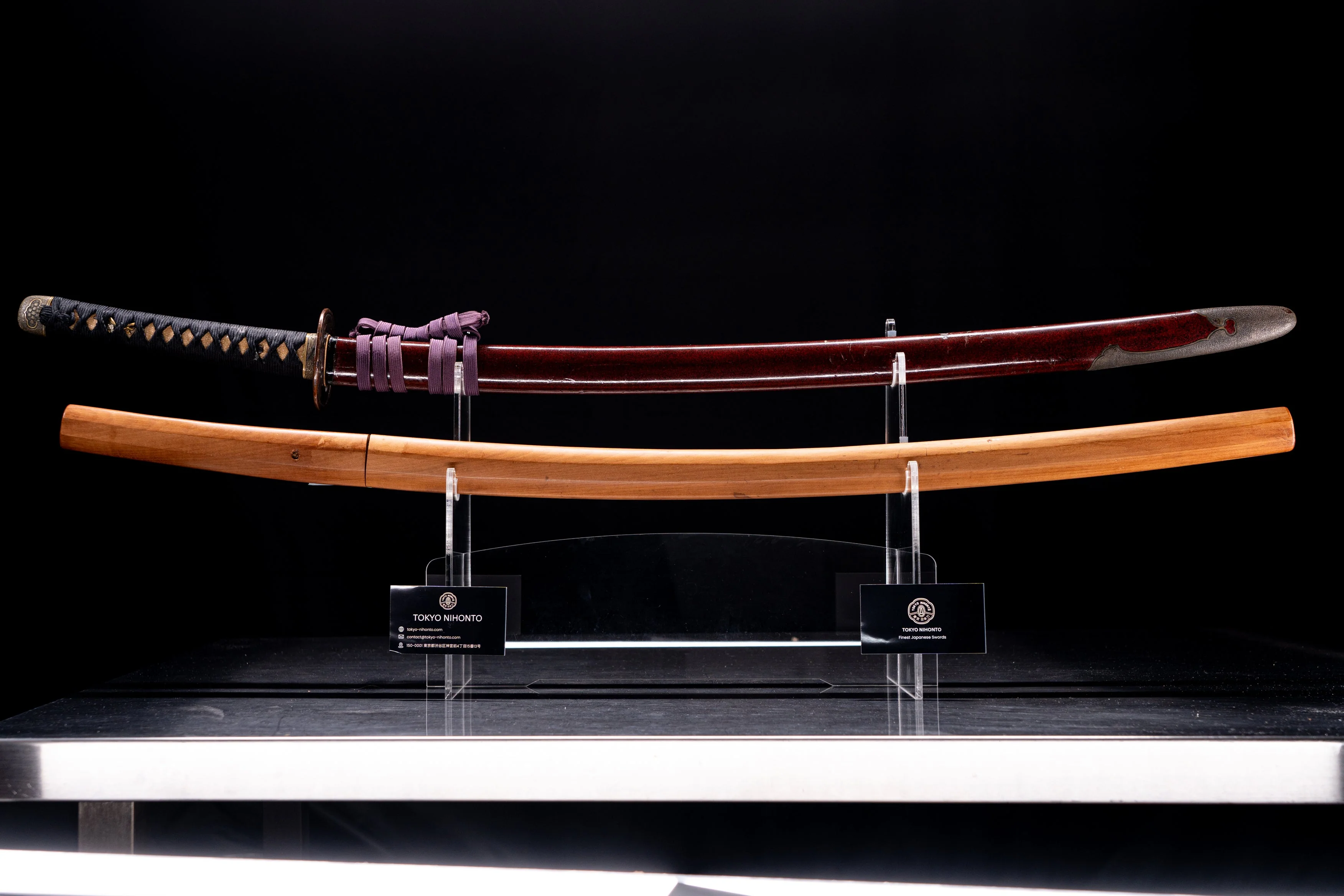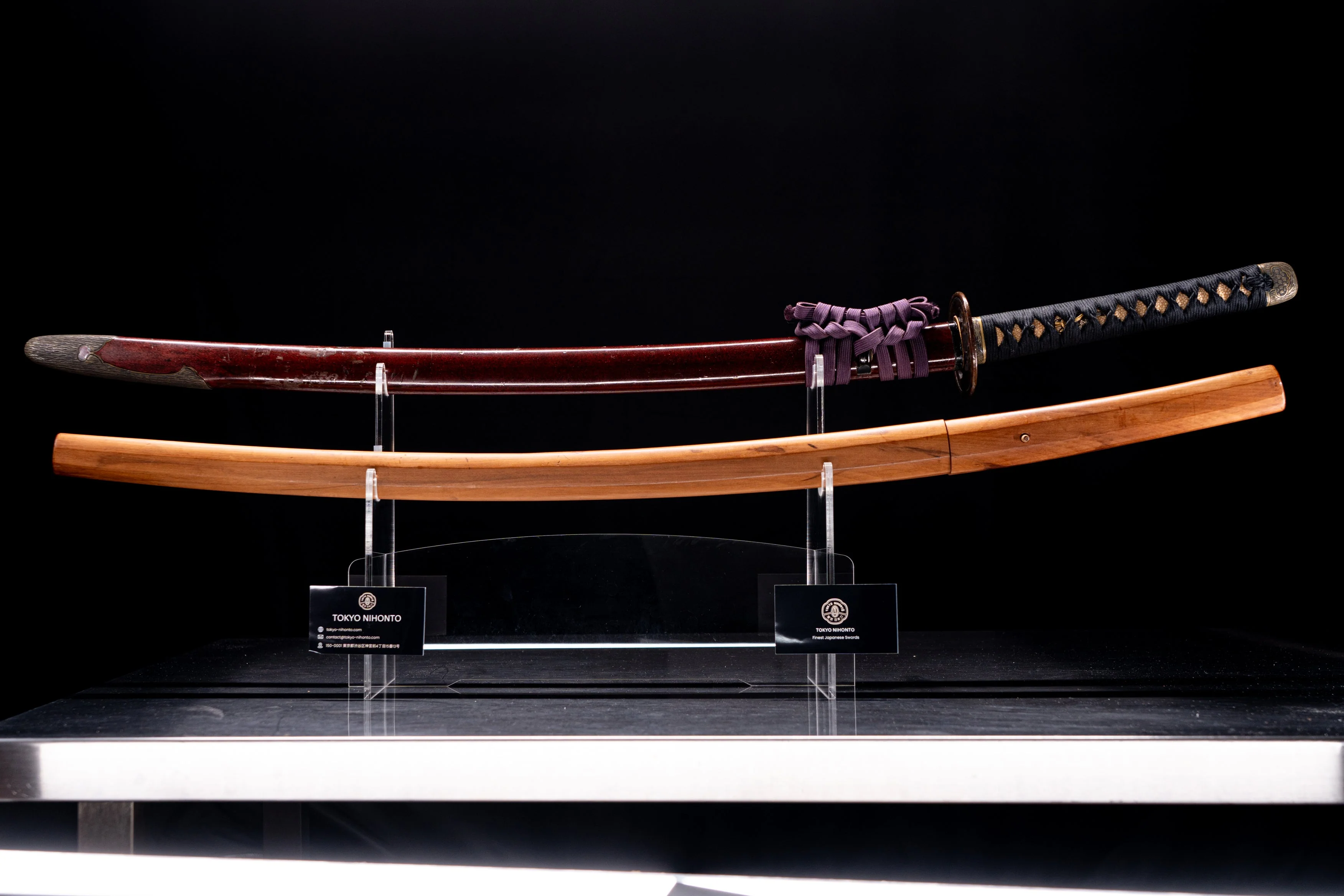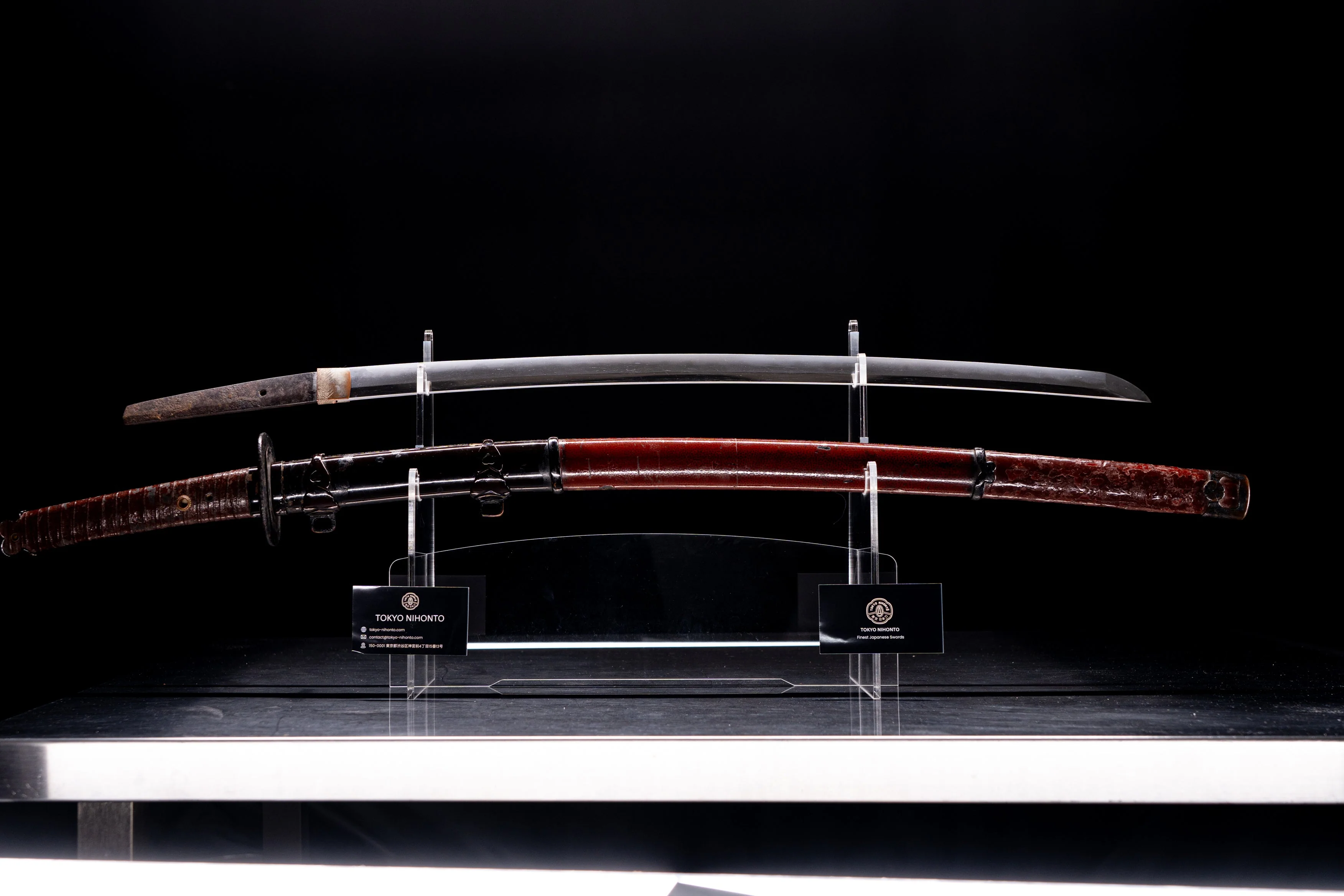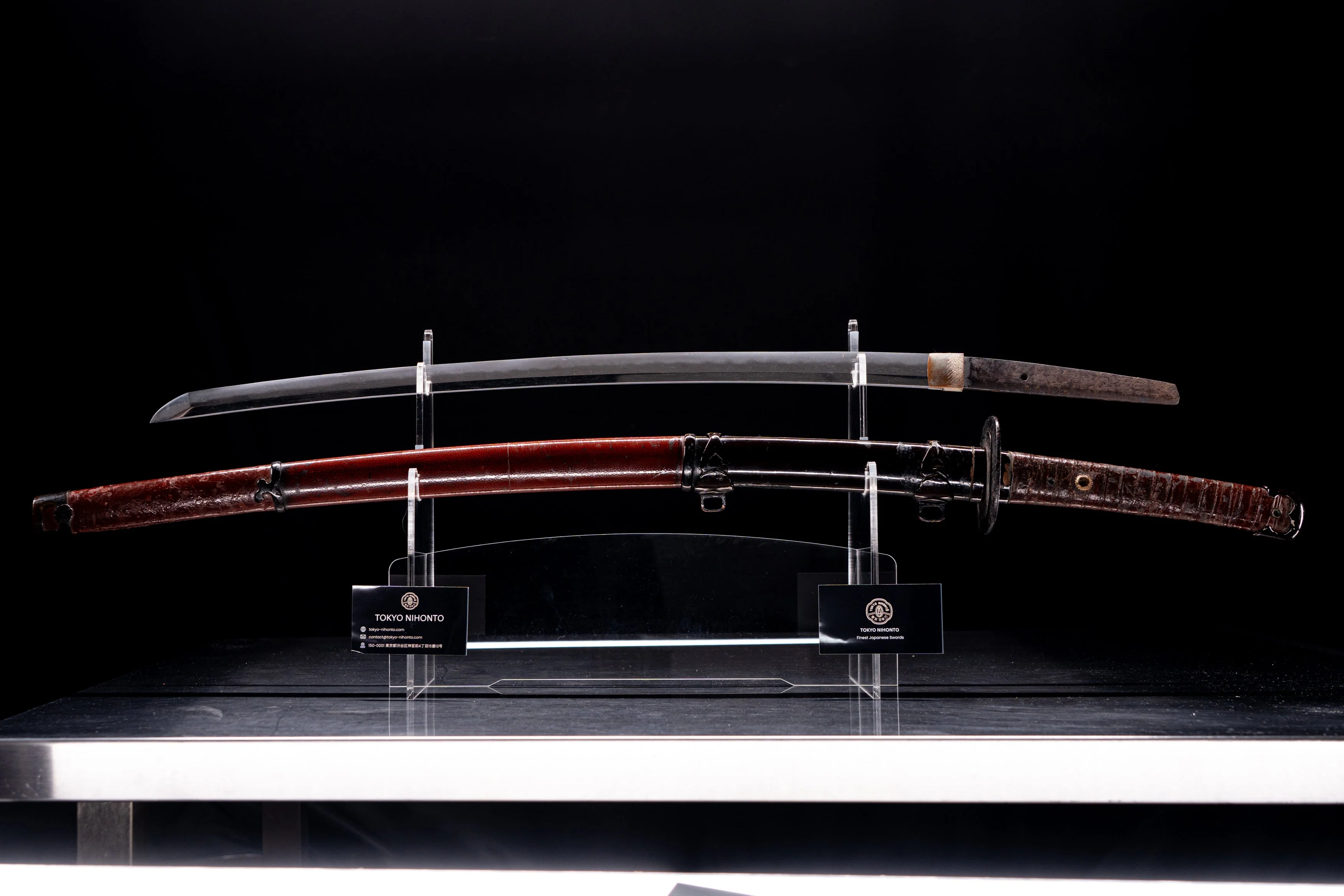
Antique Japanese Sword Katana by Fujiwara Sukesada Katana
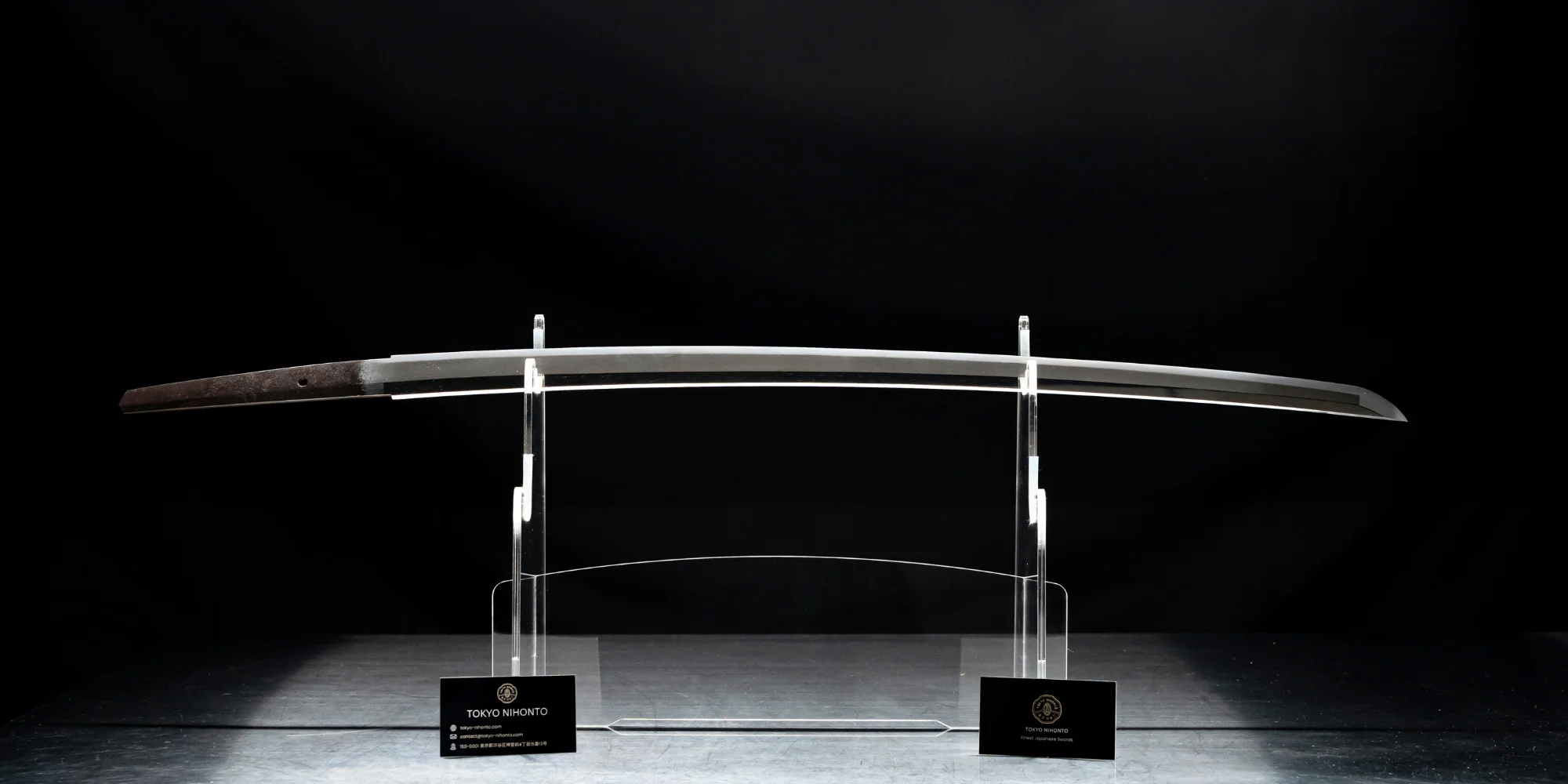
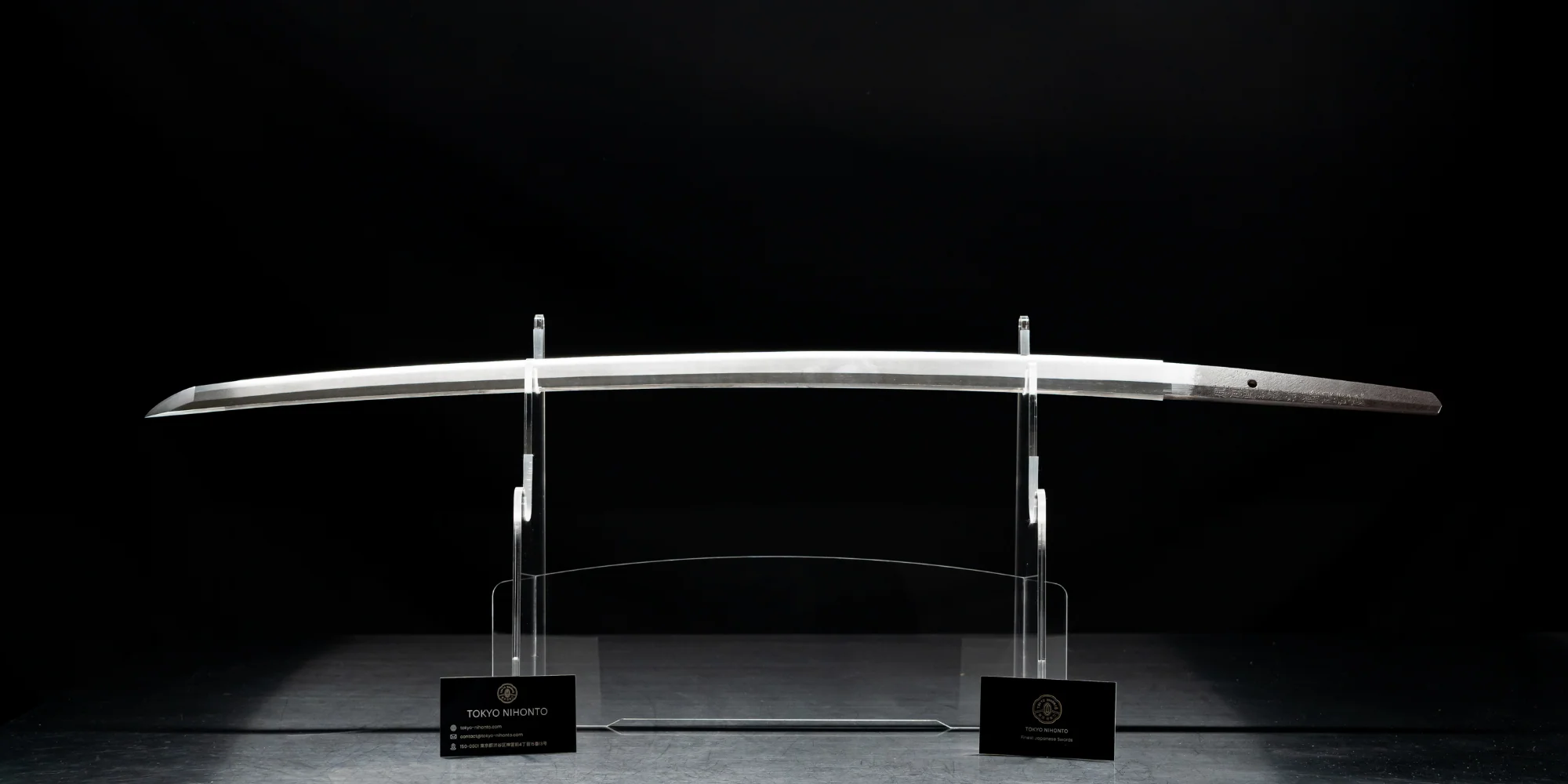
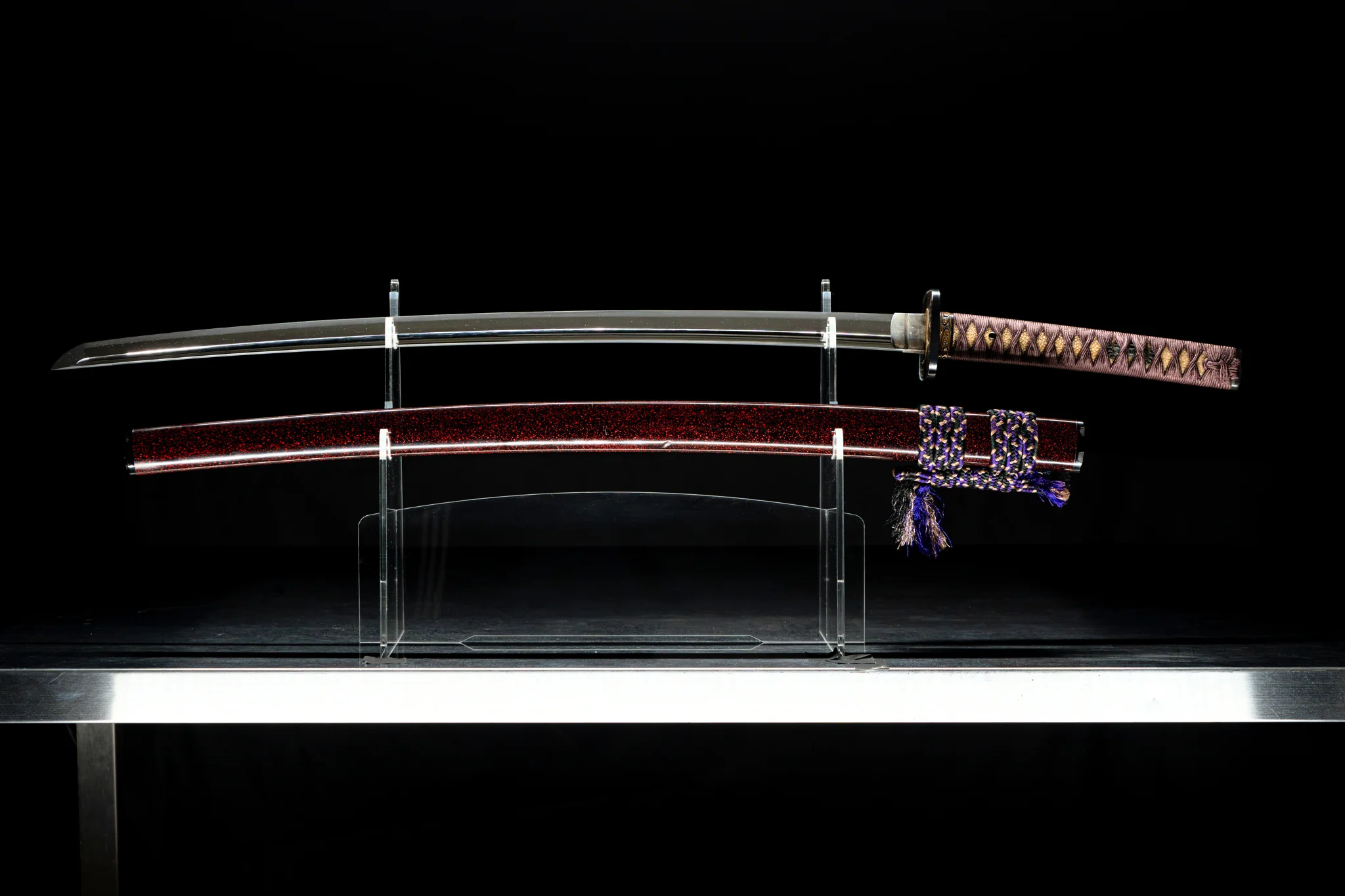
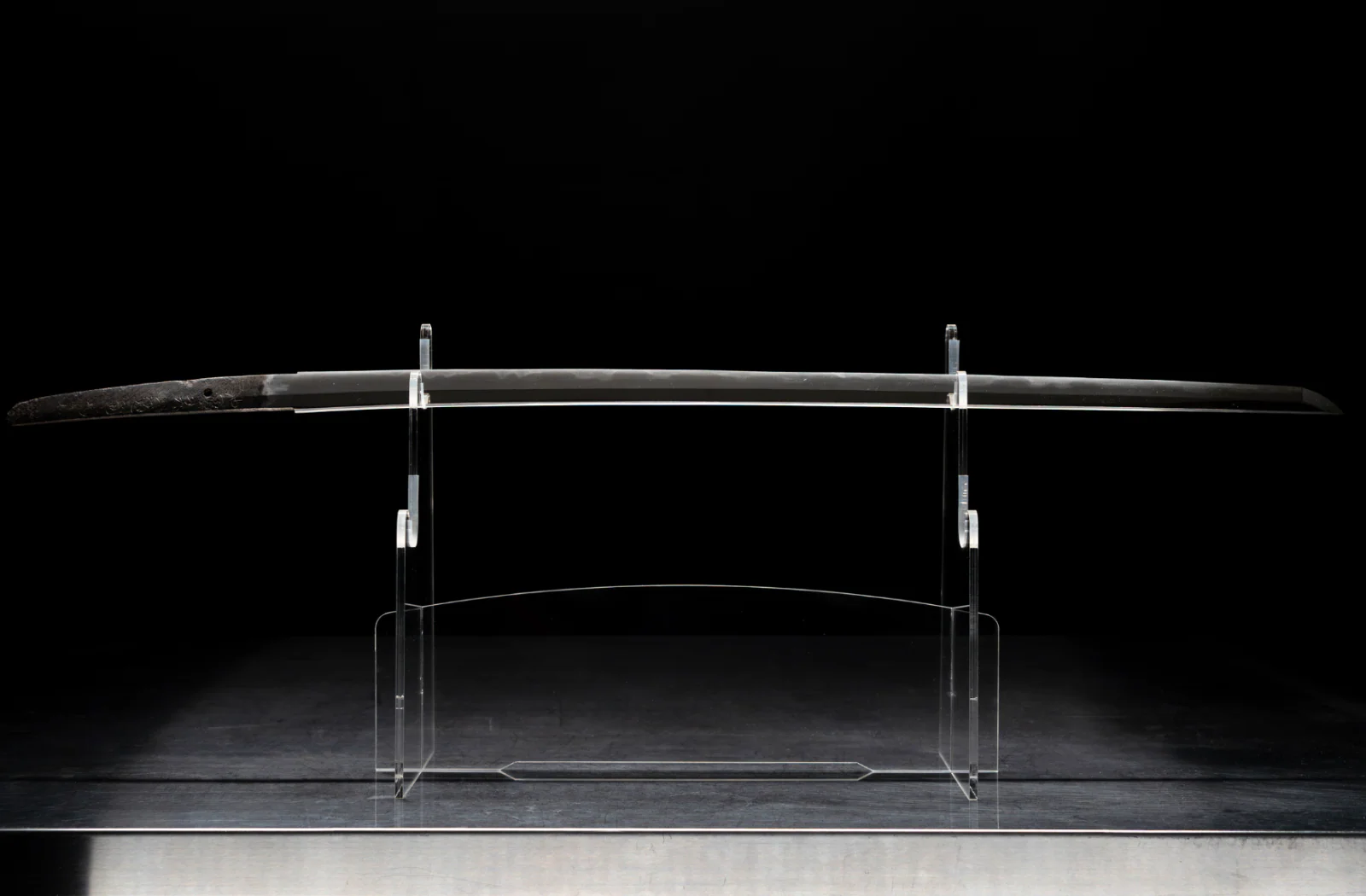
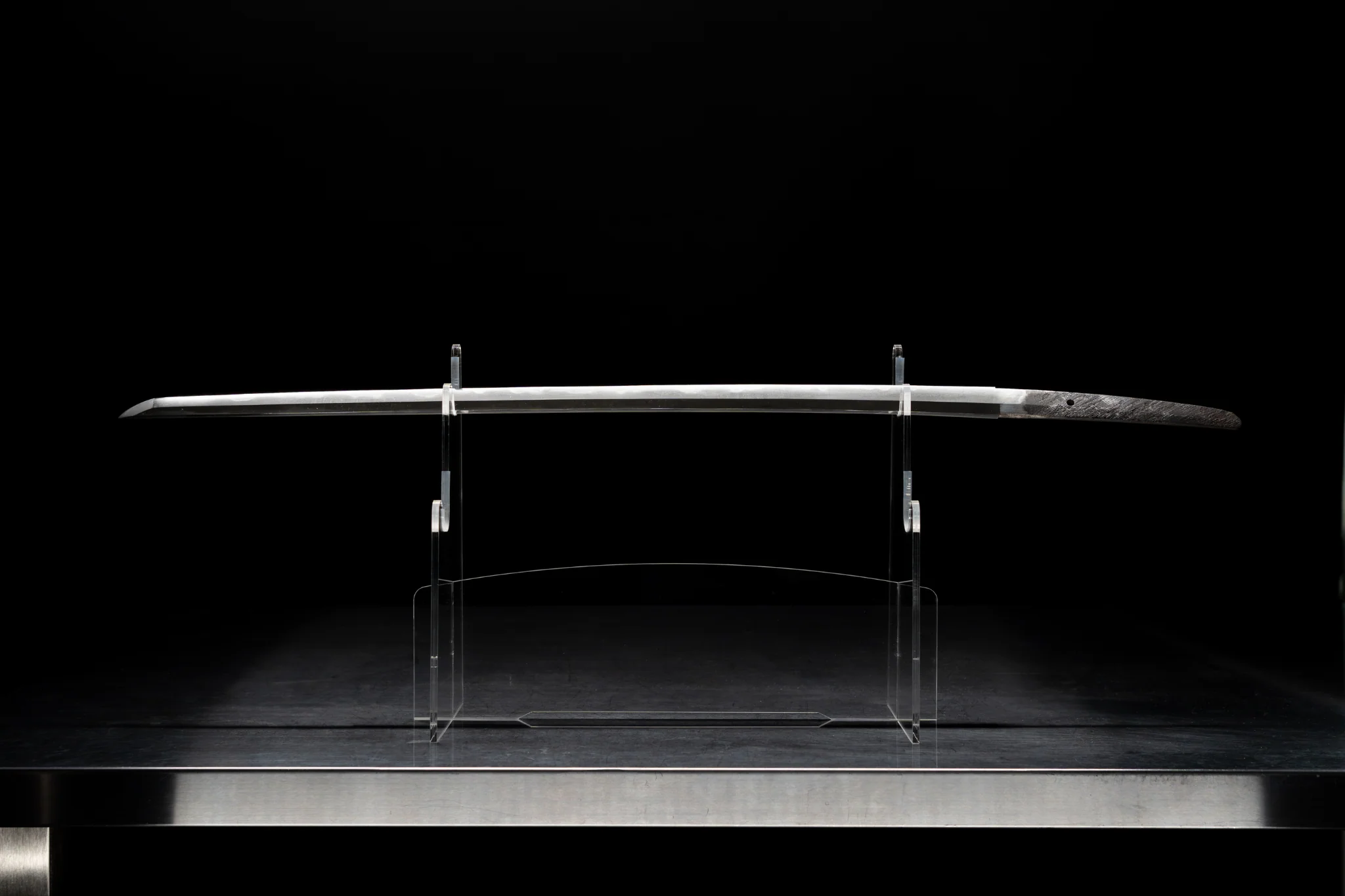
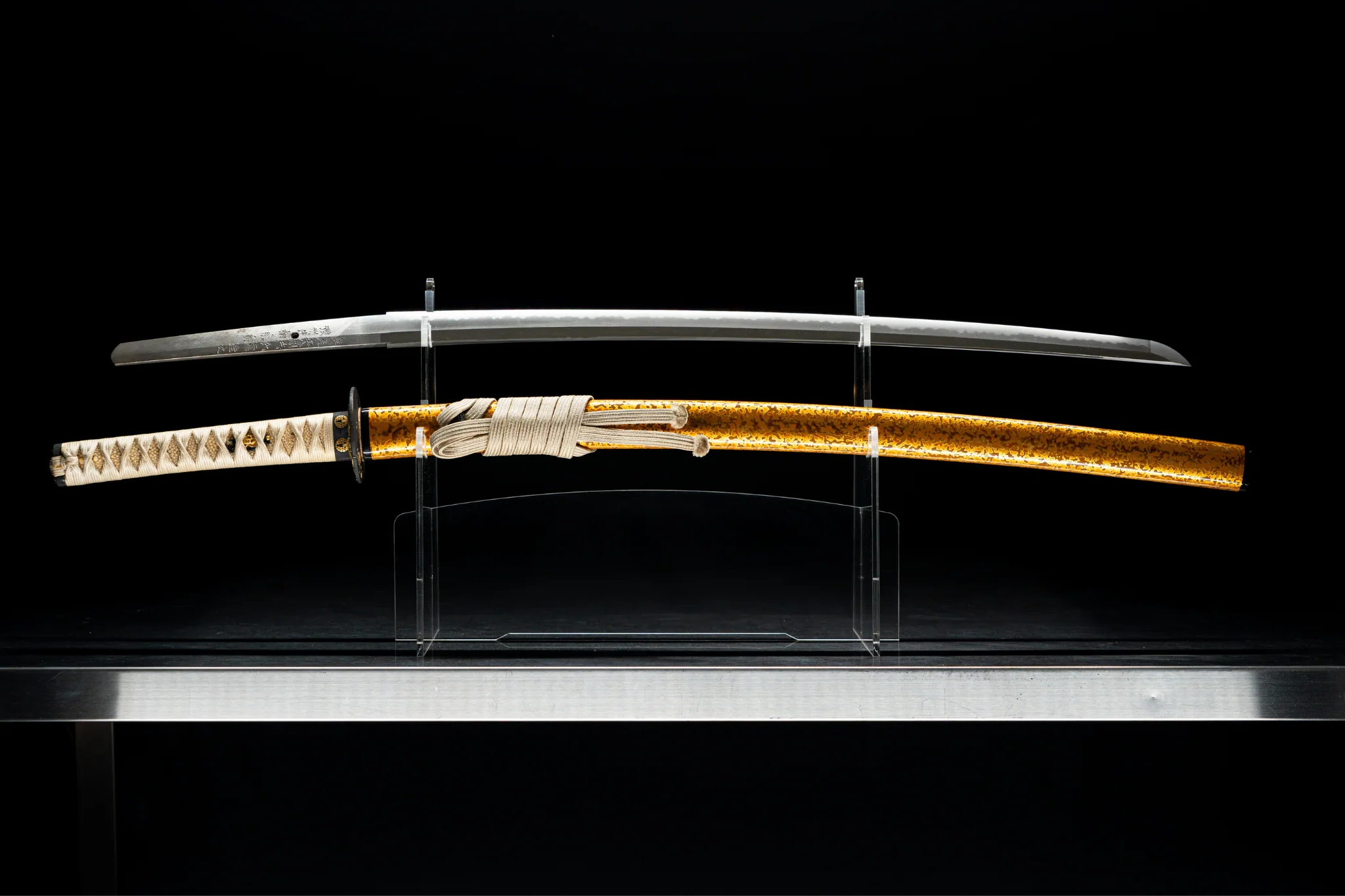
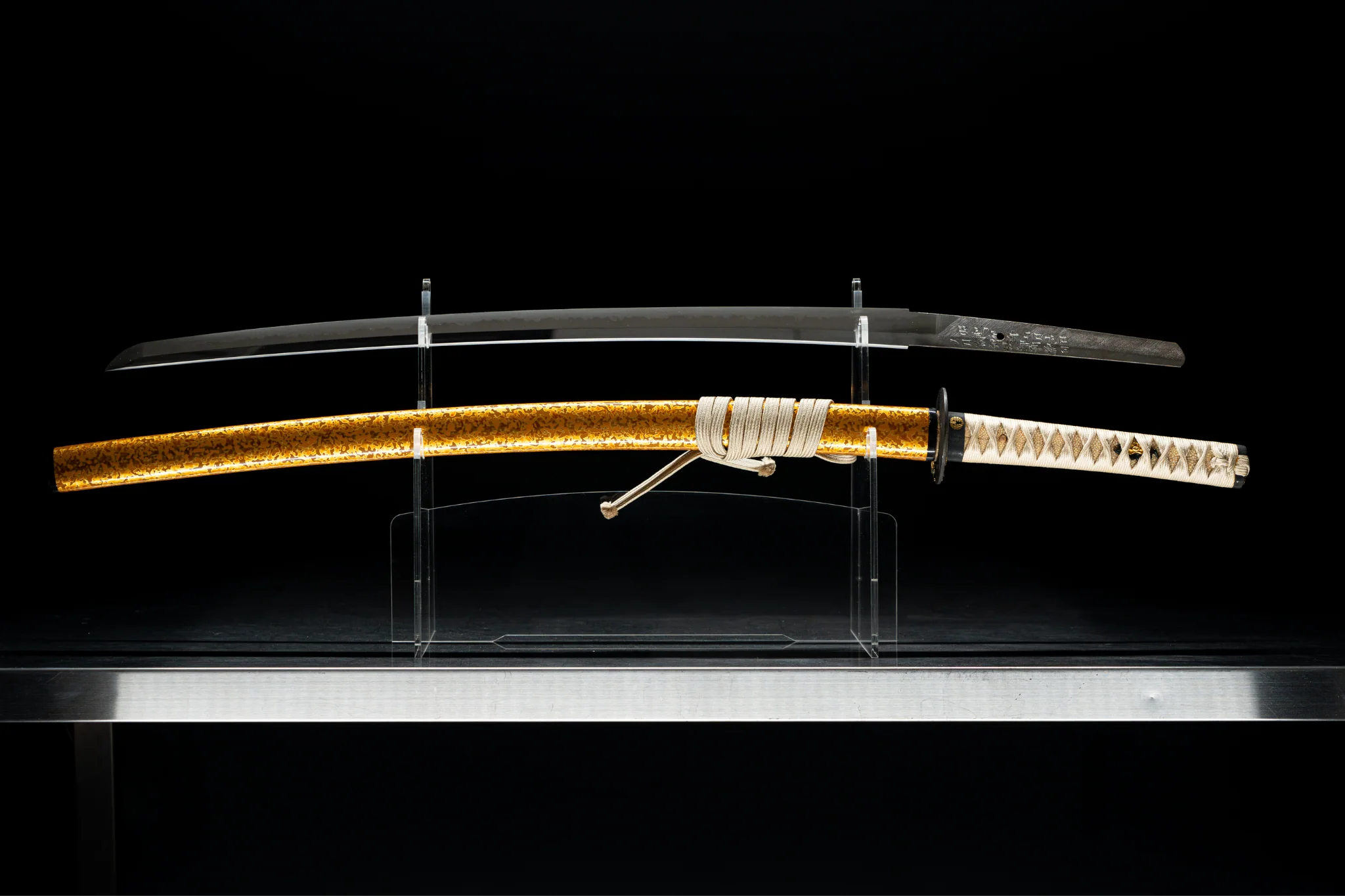
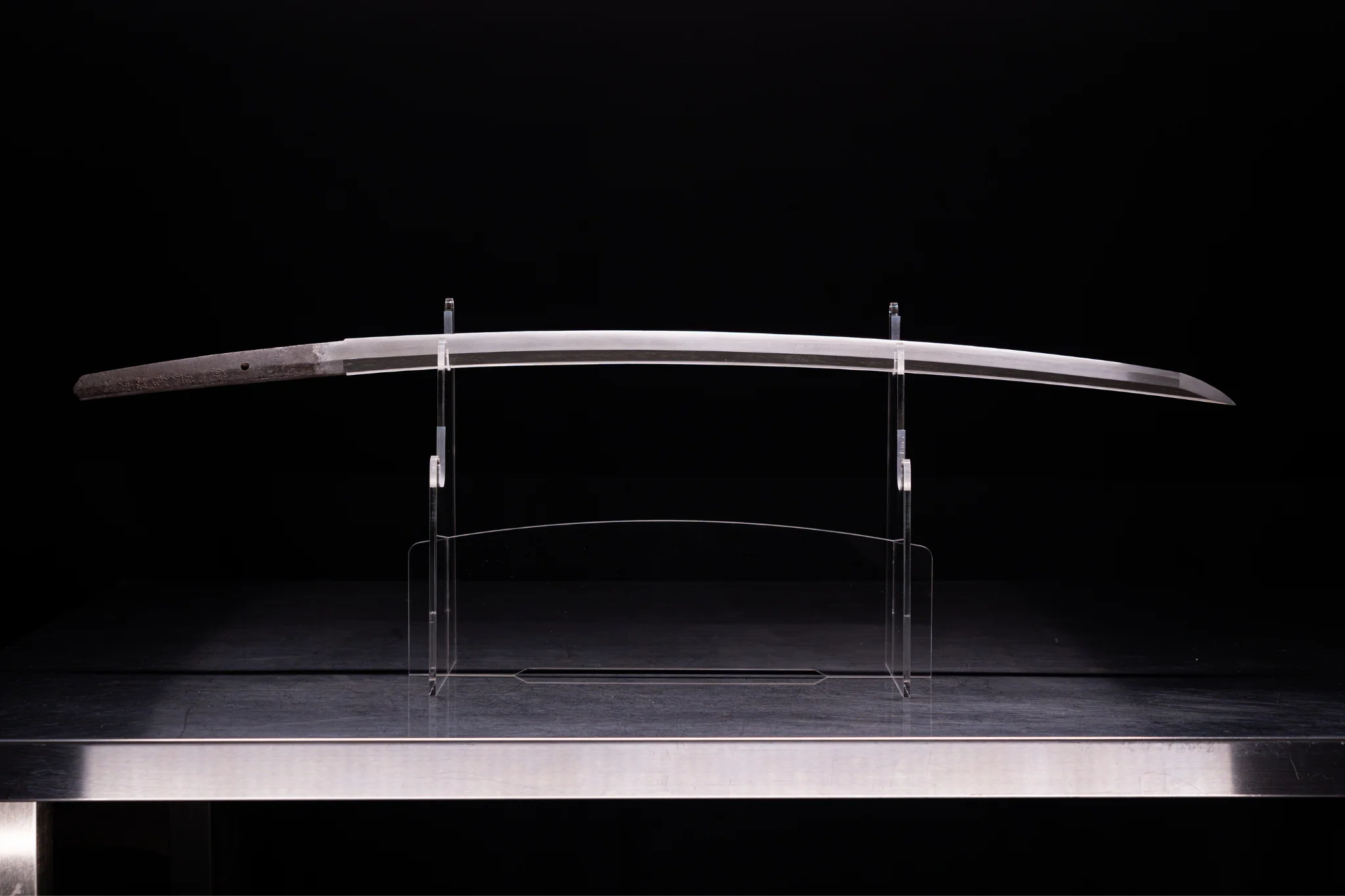
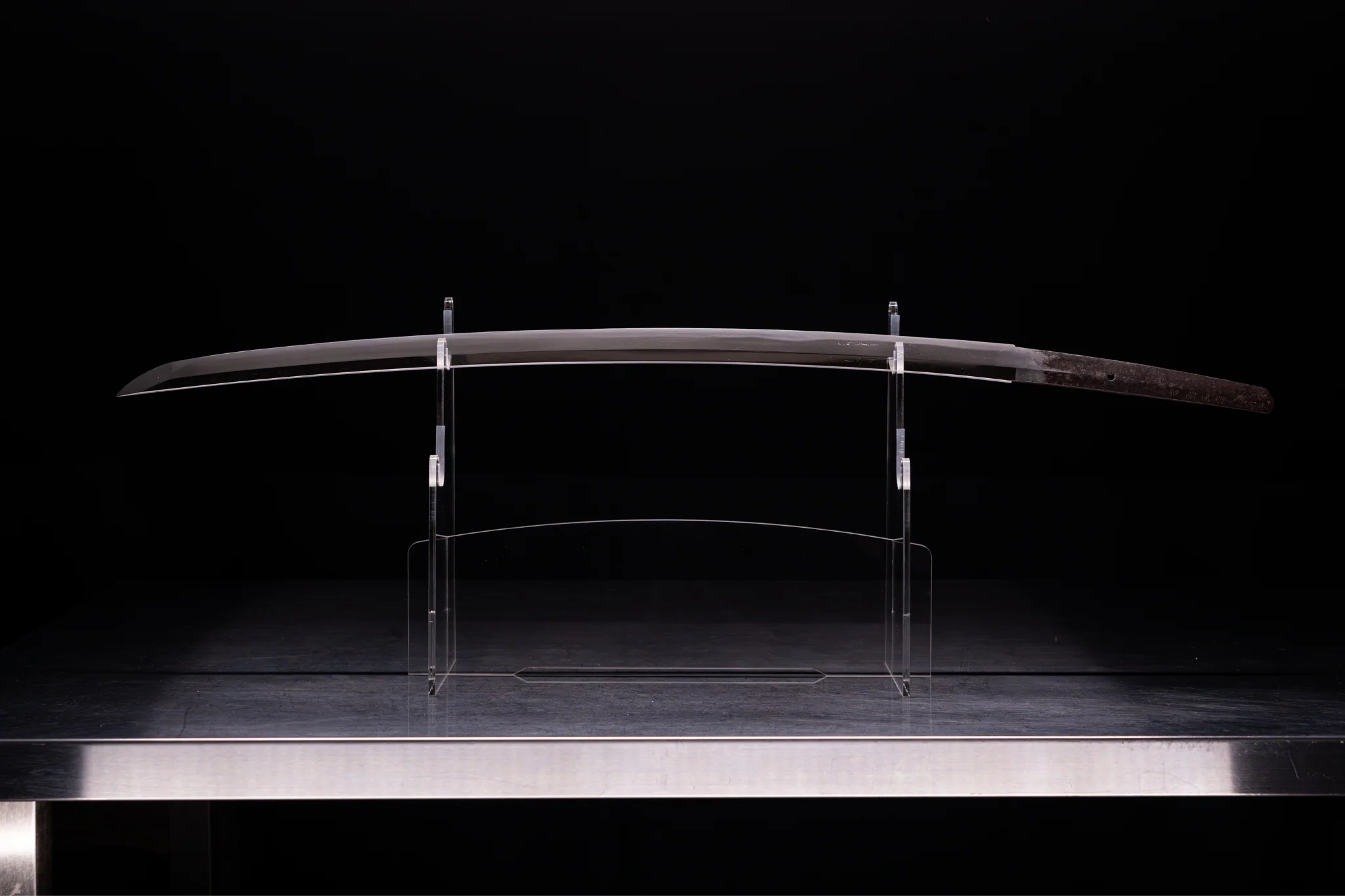
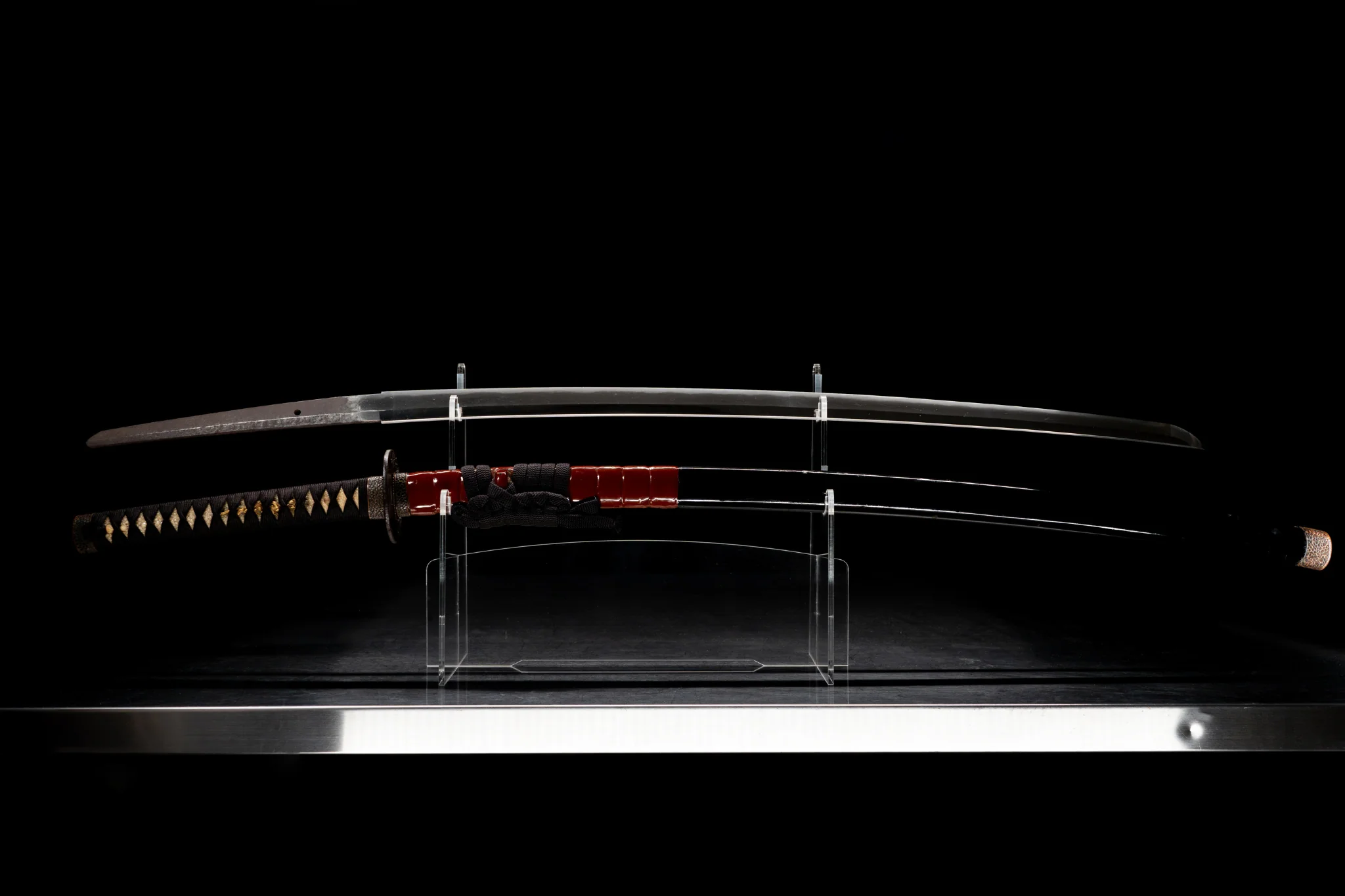
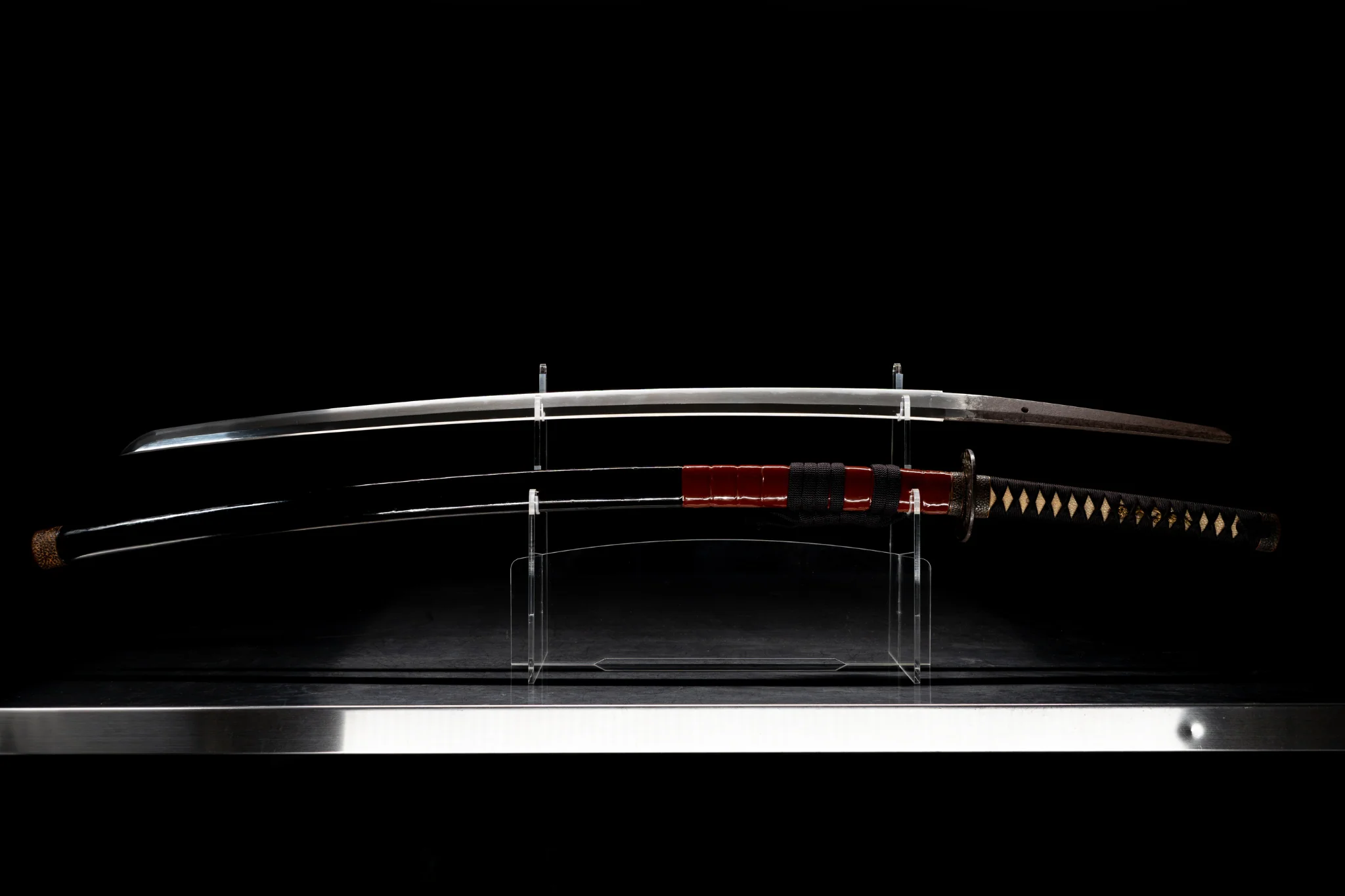
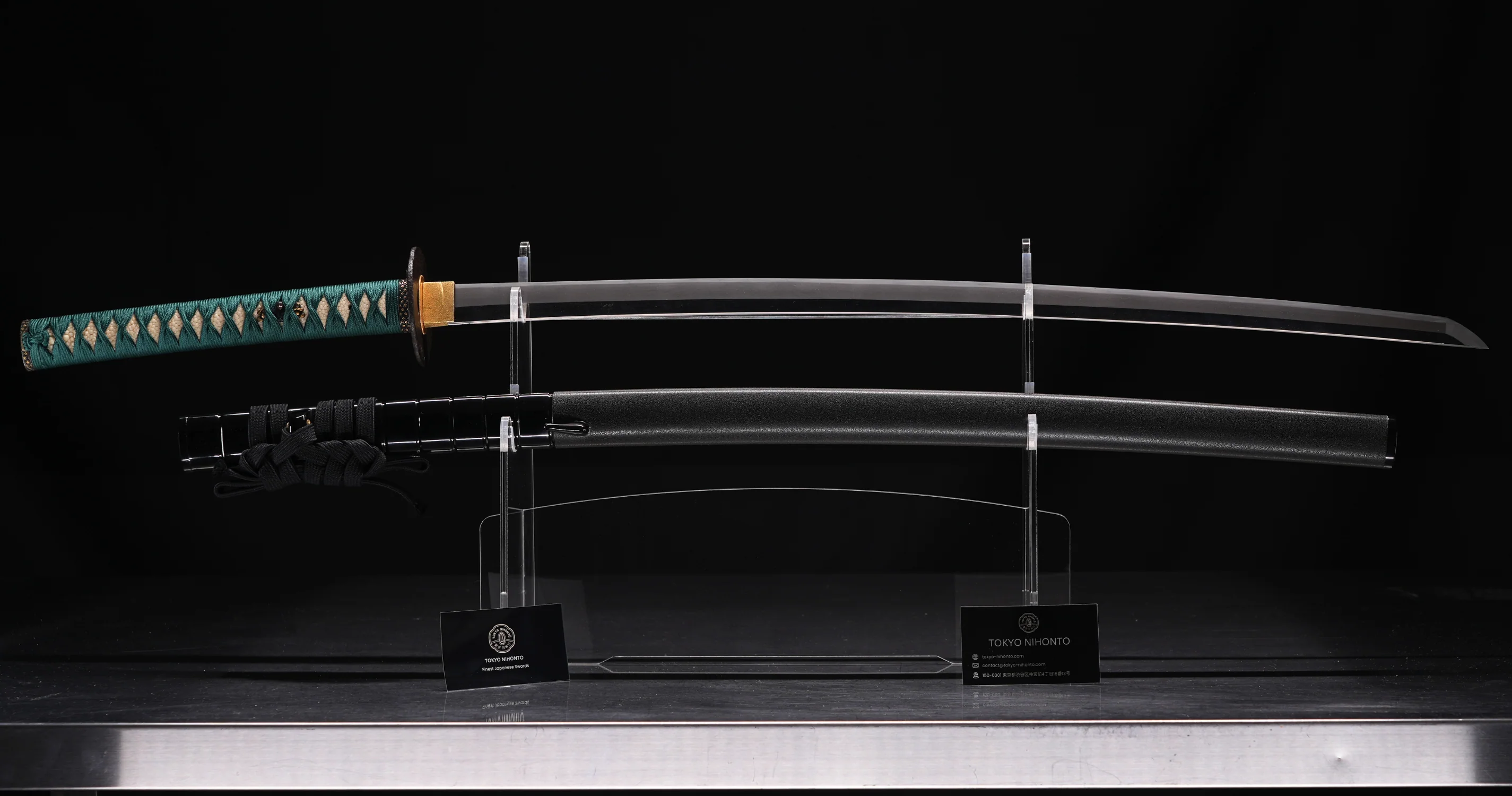
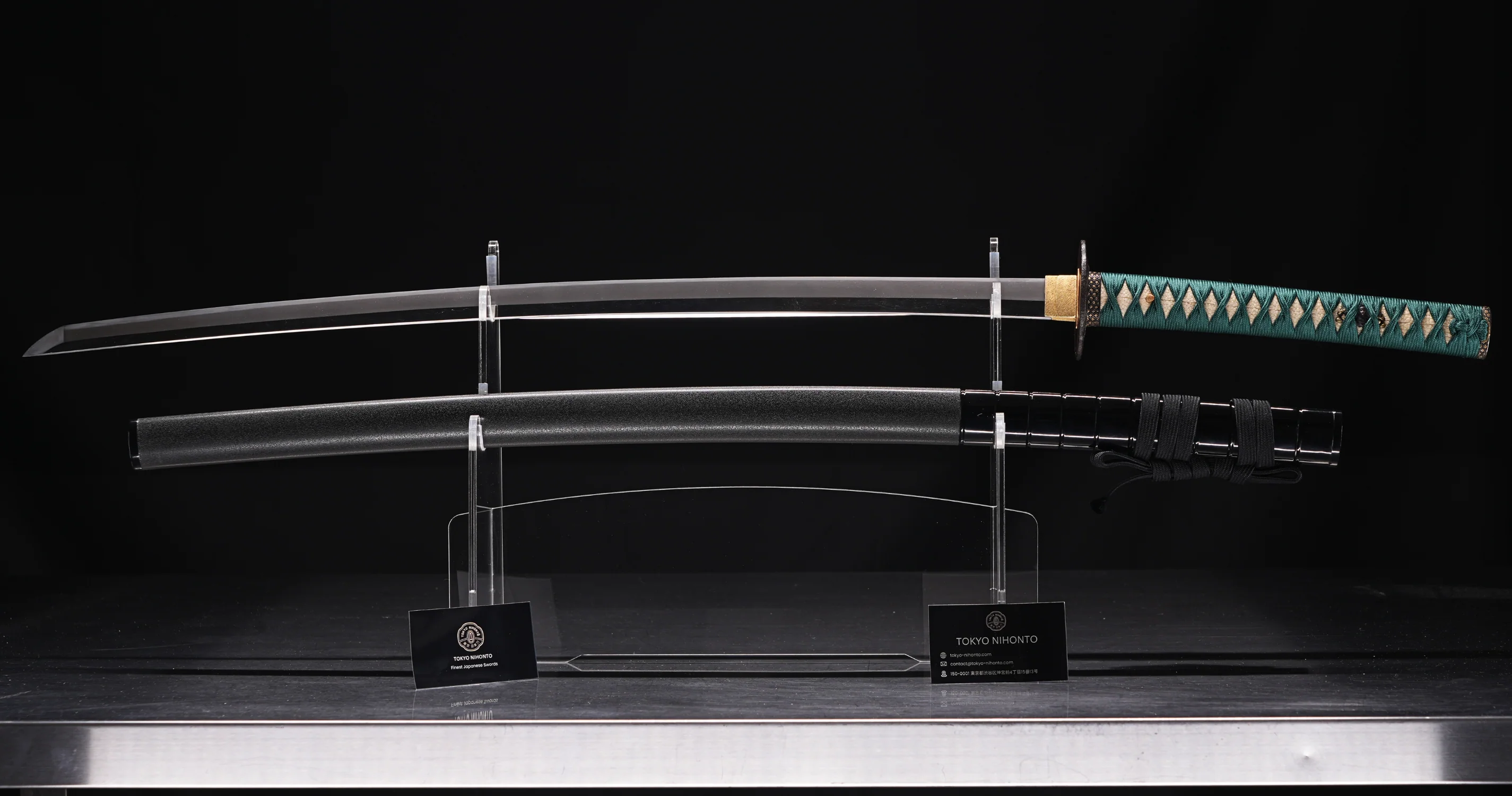
The blade's craftsmanship is a testament to the Osafune school's legacy, reflecting the intricate techniques and artistry synonymous with Bizen. Every detail, from the flamboyant Tōji Midare temper pattern to the fine grain structure, pays homage to the Fukuoka Ichimonji style. The sword beautifully captures the essence of the Kamakura period’s Ichimonji works and shines with a polish that accentuates its beauty and magnificence.
Specifications:
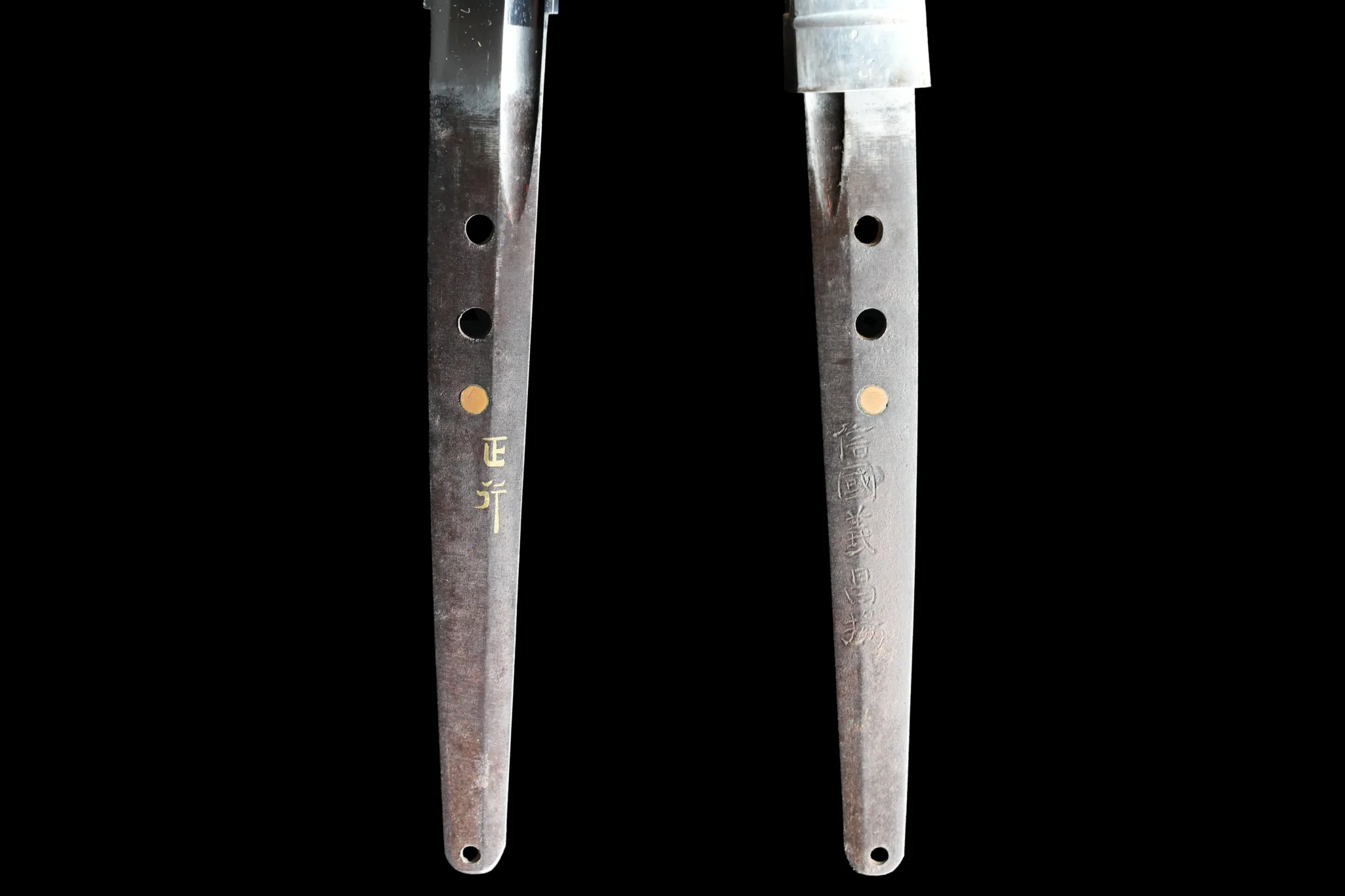
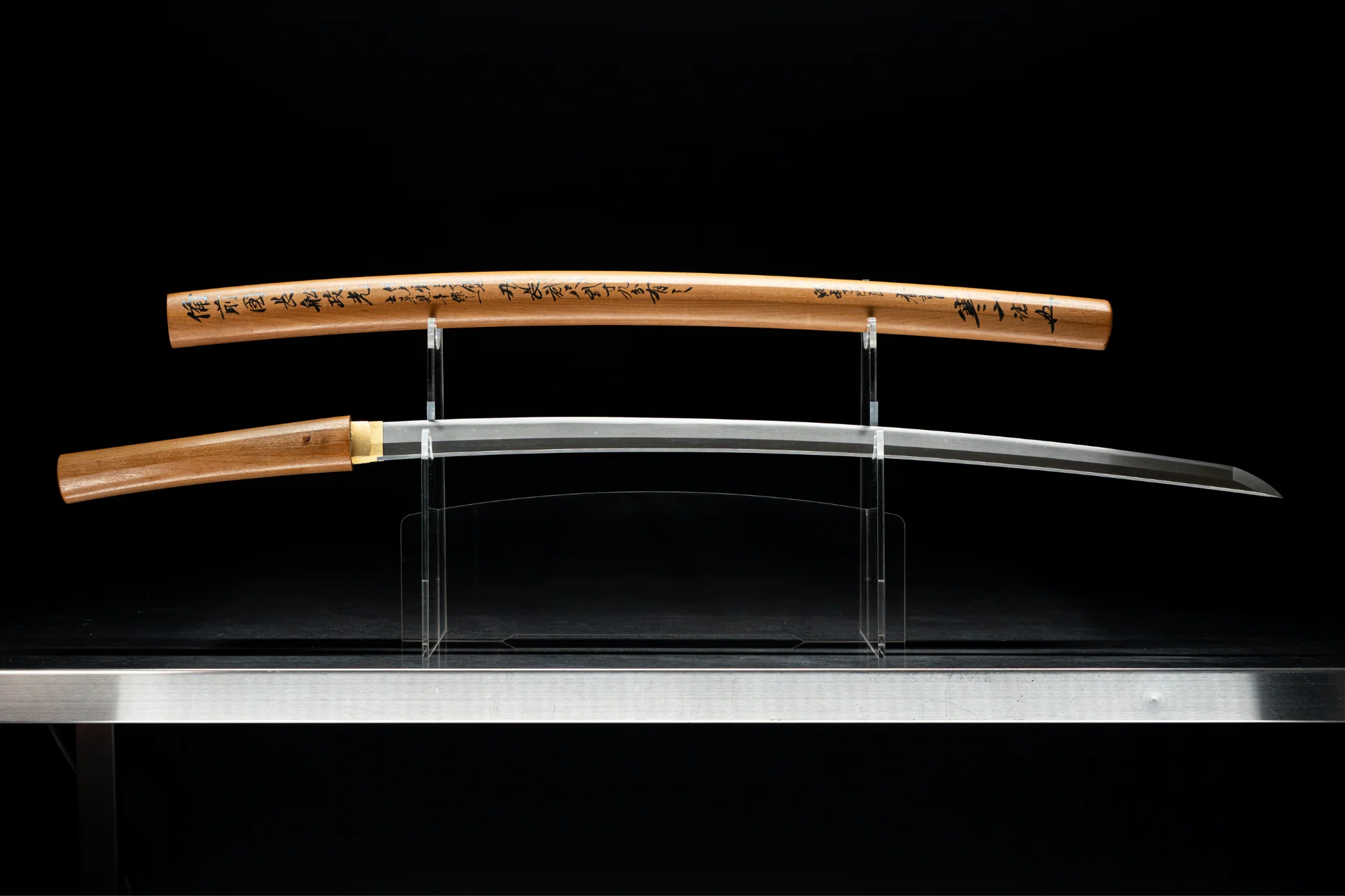
- Omote (Front): 横山上野大掾藤原祐定 - Yokoyama Kozuke Daijo Fujiwara Sukesada
- Ura (Back): 備州長船住人 - Bishū Osafune Junin
- Province : Bizen (currently Okayama prefecture)
- Period : Edo Period, around 1660-1715
- Blade Length: 69.4 cm (approximately 27.32 inches)
- Curvature (Sori): 1.8 cm (approximately 0.71 inches)
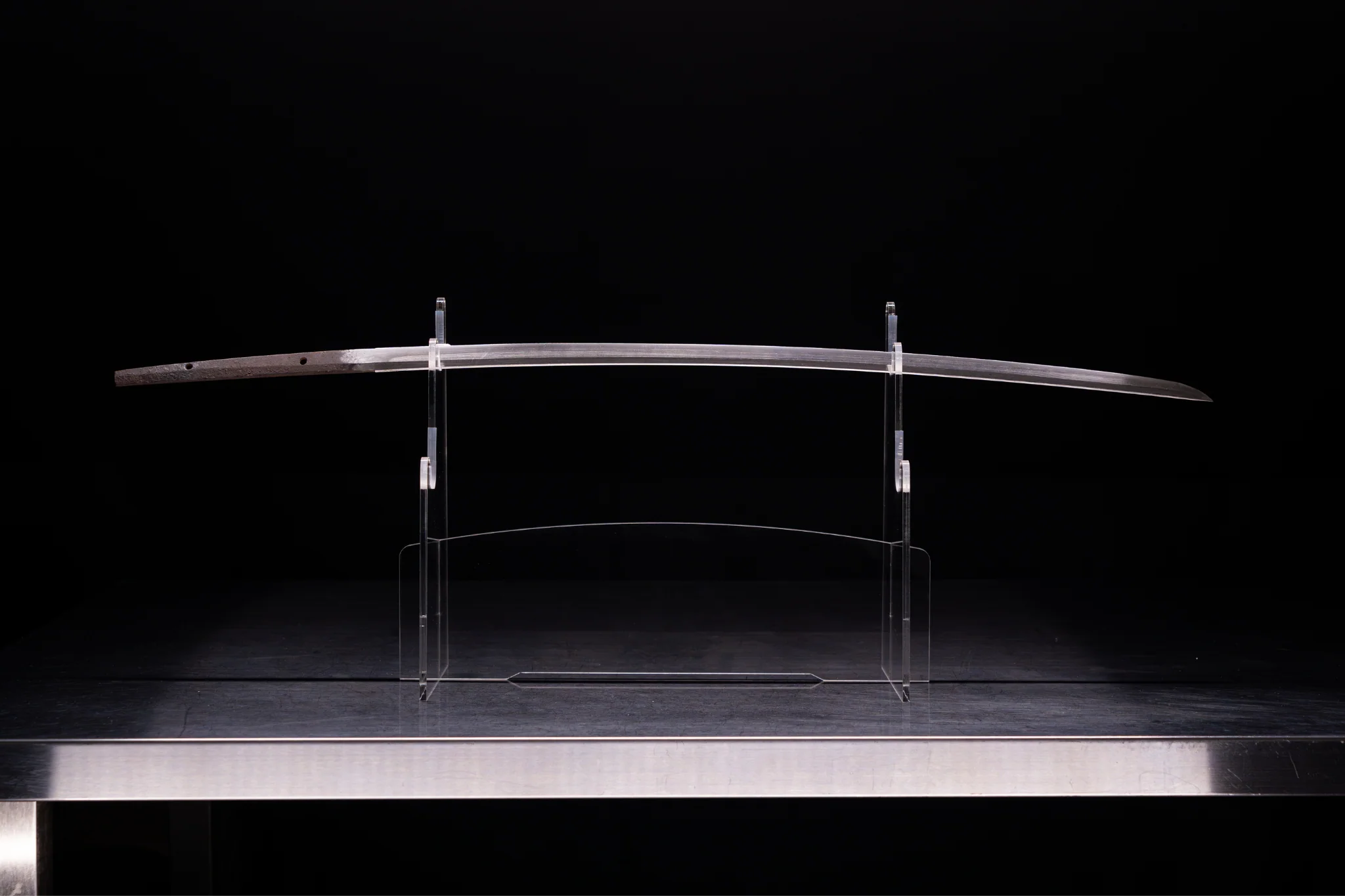
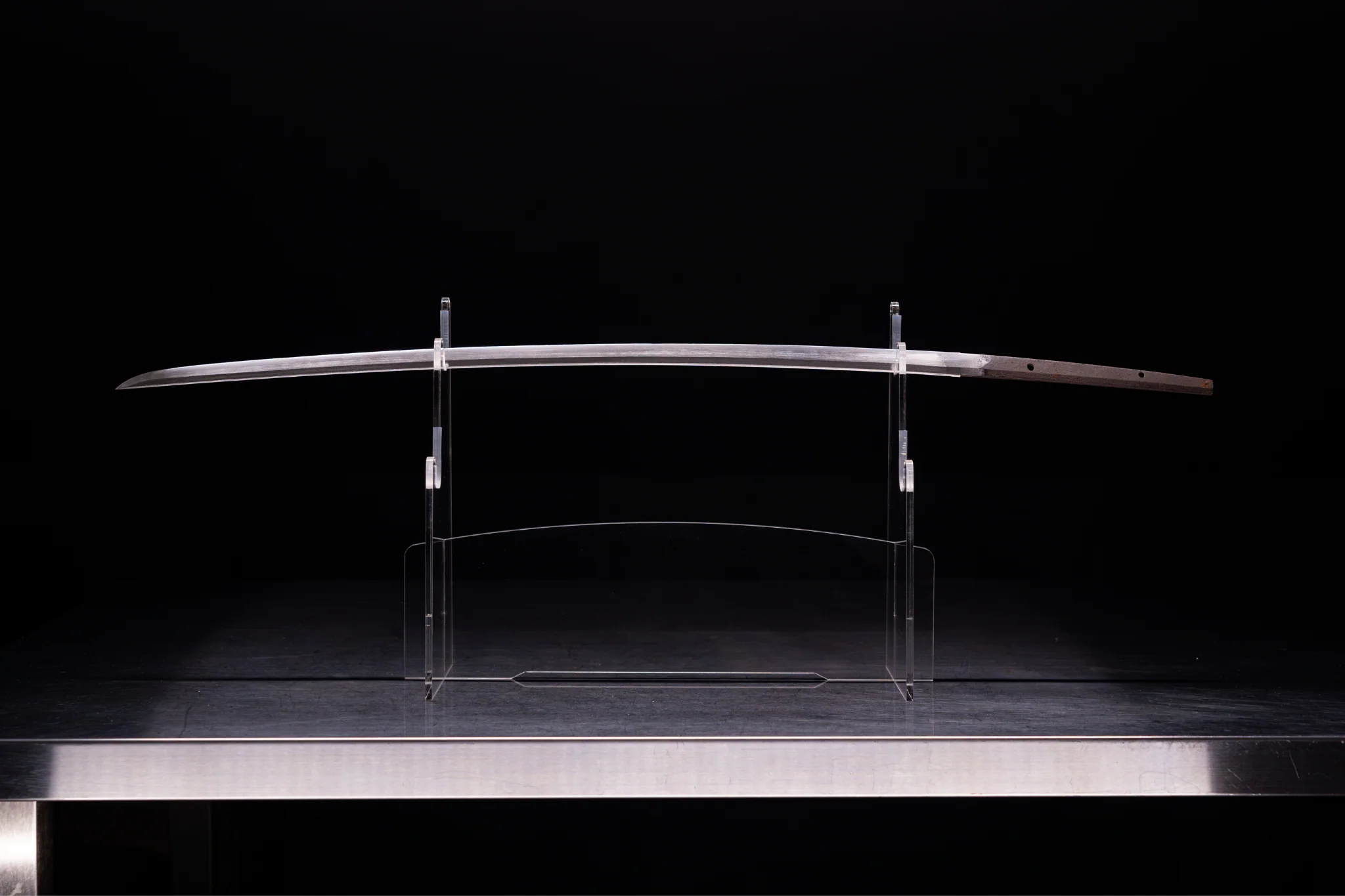
- Mekugi-ana (peg hole): 2
- Moto-haba (Base width): 32.5 mm (approximately 1.28 inches)
- Moto-kasane (Base thickness): 6.8 mm (approximately 0.27 inches)
- Saki-haba (Tip width): 22.5 mm (approximately 0.89 inches)
- Saki-kasane (Tip thickness): 5.0 mm (approximately 0.20 inches)
- Blade Weight: 727 g (approximately 25.64 oz)
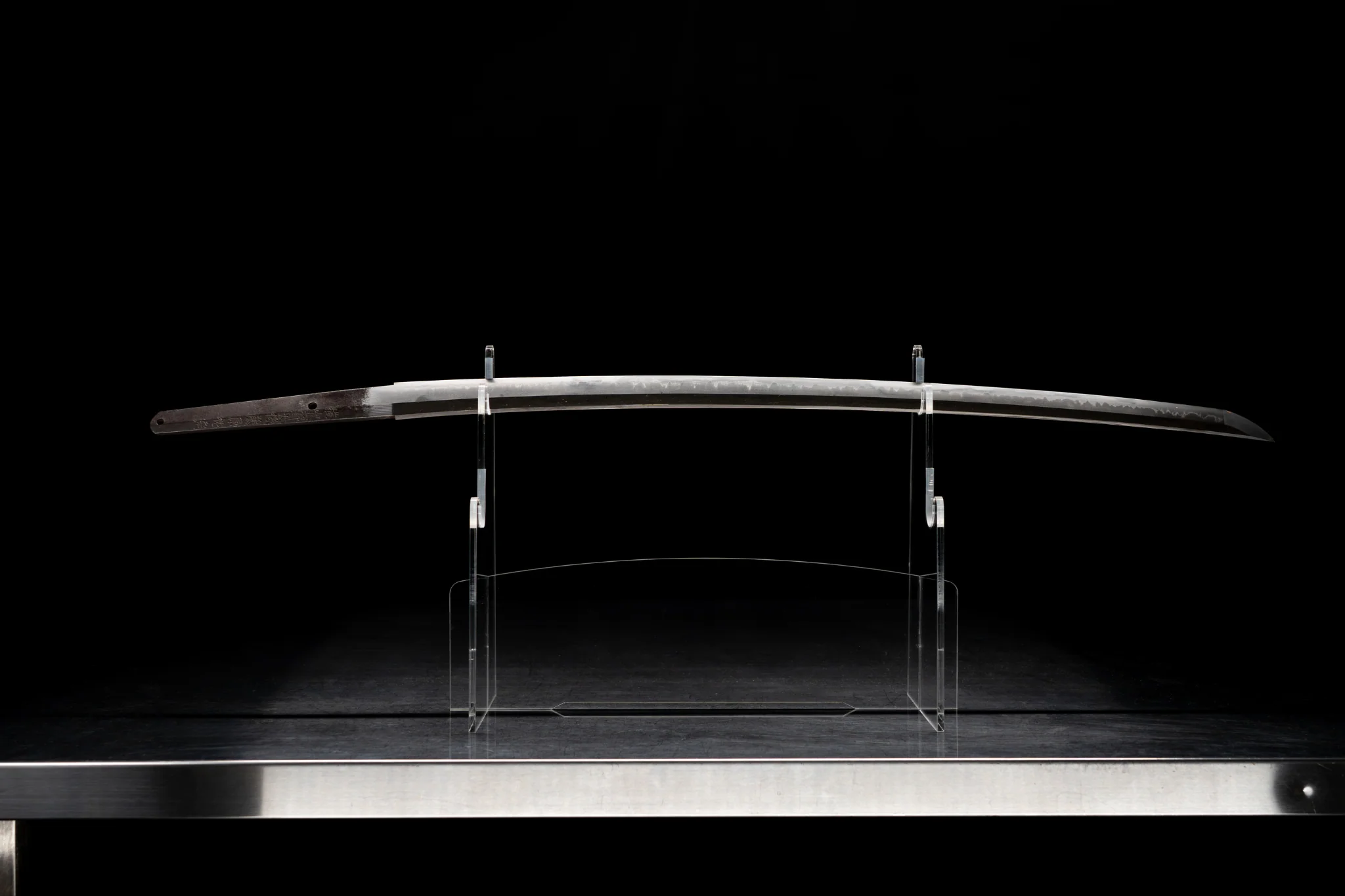
- Jihada : ko itame hada
- Hamon: Traditional choji pattern mixed with straight hamon, reminiscent of the Kamakura period.
In the echelons of Japanese craftsmanship, where centuries-old traditions meet unparalleled skill, the swordsmith Yokoyama Ueno Daijo Fujiwara Sukesada stands as a testament to resilience, ingenuity, and artistic brilliance. This specific blade, gracefully crafted by his hands, embodies the pinnacle of the Bizen Osafune school's artistry during the early-mid Edo period.
Historical Significance: The lineage of Yokoyama Ueno Daijo Fujiwara Sukesada is deeply entrenched in the annals of Japanese sword-making history. Born in the year 1633, during the Kan-Ei era, he was the progeny of the revered Shichibei no Jyo Sukesada. Born Yokoyama Heibe, he eventually came to be known as the 6th-generation Yosouzaemon no jyo Sukesada, an appellation that resonated powerfully across the landscape of Bizen province, making him one of its most iconic figures during the early Edo period.
This was a time when the Bizen province, particularly the Bizen Osafune school, was recovering from the tragic aftermath of the Yoshii River flood in 1591. This catastrophic event almost obliterated the storied sword-forging traditions of the province. The very land that had thrived during the Muromachi period, producing countless swords for the Warring State Period's fervent demands, now faced the grim challenge of rebuilding its lost legacy.
In this dark period emerged a beacon of hope. Among the remnants of the once-prolific Bizen swordsmiths was the Sukesada group. At its helm was the esteemed Yokoyama Fujishiro Sukesada, the fourth head of the Sukesada School. His lineage, particularly his son Shichibei no Jyo Sukesada and grandson Yokoyama Ueno Daijo Fujiwara Sukesada, were instrumental in rejuvenating the sword-forging traditions of the Bizen province.
Product Information
Product Information
Shipping & Returns
Shipping & Returns
Description
The blade's craftsmanship is a testament to the Osafune school's legacy, reflecting the intricate techniques and artistry synonymous with Bizen. Every detail, from the flamboyant Tōji Midare temper pattern to the fine grain structure, pays homage to the Fukuoka Ichimonji style. The sword beautifully captures the essence of the Kamakura period’s Ichimonji works and shines with a polish that accentuates its beauty and magnificence.
Specifications:
- Omote (Front): 横山上野大掾藤原祐定 - Yokoyama Kozuke Daijo Fujiwara Sukesada
- Ura (Back): 備州長船住人 - Bishū Osafune Junin
- Province : Bizen (currently Okayama prefecture)
- Period : Edo Period, around 1660-1715
- Blade Length: 69.4 cm (approximately 27.32 inches)
- Curvature (Sori): 1.8 cm (approximately 0.71 inches)
- Mekugi-ana (peg hole): 2
- Moto-haba (Base width): 32.5 mm (approximately 1.28 inches)
- Moto-kasane (Base thickness): 6.8 mm (approximately 0.27 inches)
- Saki-haba (Tip width): 22.5 mm (approximately 0.89 inches)
- Saki-kasane (Tip thickness): 5.0 mm (approximately 0.20 inches)
- Blade Weight: 727 g (approximately 25.64 oz)
- Jihada : ko itame hada
- Hamon: Traditional choji pattern mixed with straight hamon, reminiscent of the Kamakura period.
In the echelons of Japanese craftsmanship, where centuries-old traditions meet unparalleled skill, the swordsmith Yokoyama Ueno Daijo Fujiwara Sukesada stands as a testament to resilience, ingenuity, and artistic brilliance. This specific blade, gracefully crafted by his hands, embodies the pinnacle of the Bizen Osafune school's artistry during the early-mid Edo period.
Historical Significance: The lineage of Yokoyama Ueno Daijo Fujiwara Sukesada is deeply entrenched in the annals of Japanese sword-making history. Born in the year 1633, during the Kan-Ei era, he was the progeny of the revered Shichibei no Jyo Sukesada. Born Yokoyama Heibe, he eventually came to be known as the 6th-generation Yosouzaemon no jyo Sukesada, an appellation that resonated powerfully across the landscape of Bizen province, making him one of its most iconic figures during the early Edo period.
This was a time when the Bizen province, particularly the Bizen Osafune school, was recovering from the tragic aftermath of the Yoshii River flood in 1591. This catastrophic event almost obliterated the storied sword-forging traditions of the province. The very land that had thrived during the Muromachi period, producing countless swords for the Warring State Period's fervent demands, now faced the grim challenge of rebuilding its lost legacy.
In this dark period emerged a beacon of hope. Among the remnants of the once-prolific Bizen swordsmiths was the Sukesada group. At its helm was the esteemed Yokoyama Fujishiro Sukesada, the fourth head of the Sukesada School. His lineage, particularly his son Shichibei no Jyo Sukesada and grandson Yokoyama Ueno Daijo Fujiwara Sukesada, were instrumental in rejuvenating the sword-forging traditions of the Bizen province.