Antique Japanese Sword Katana Taira Takada - Hozon Token
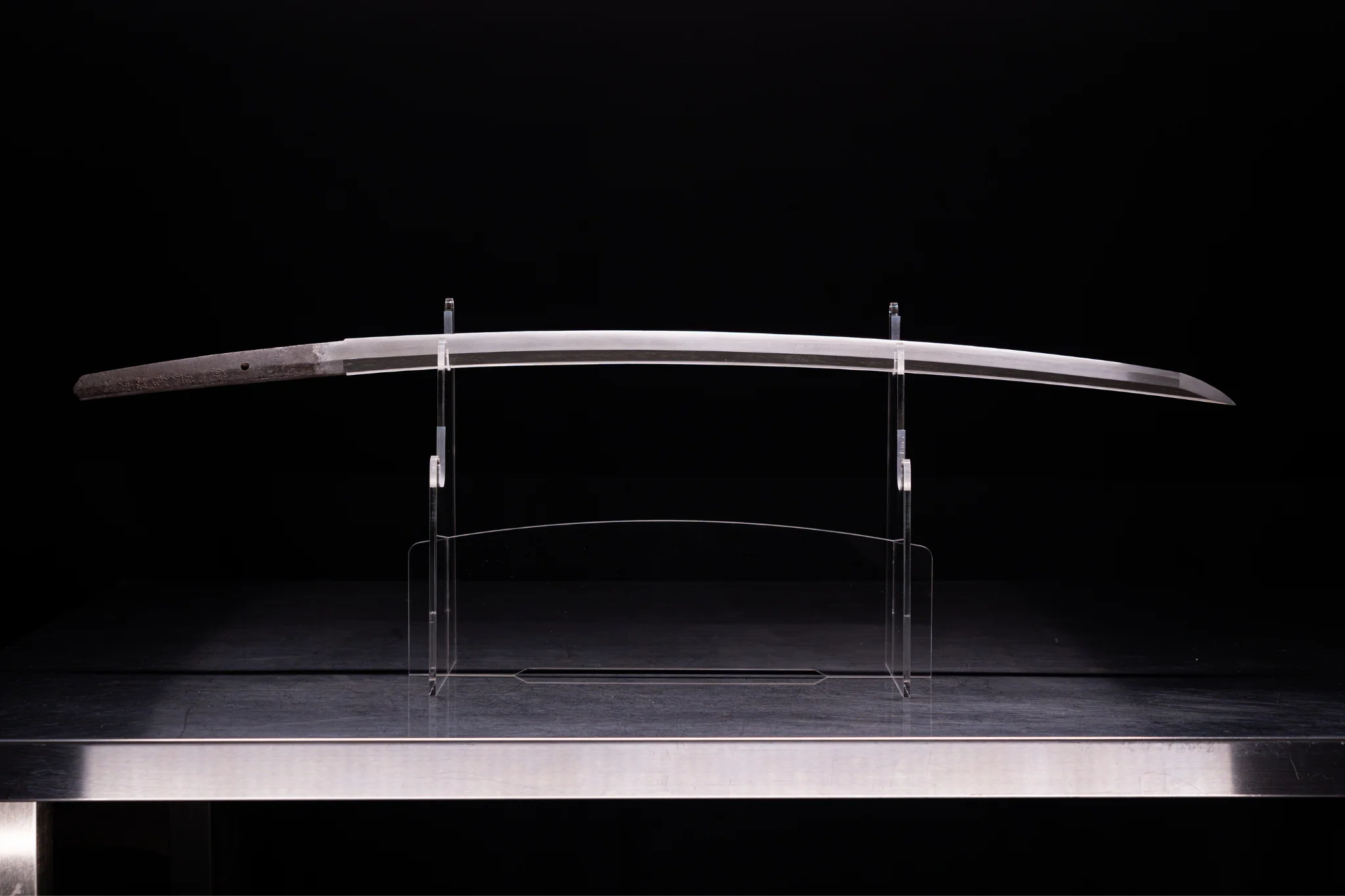
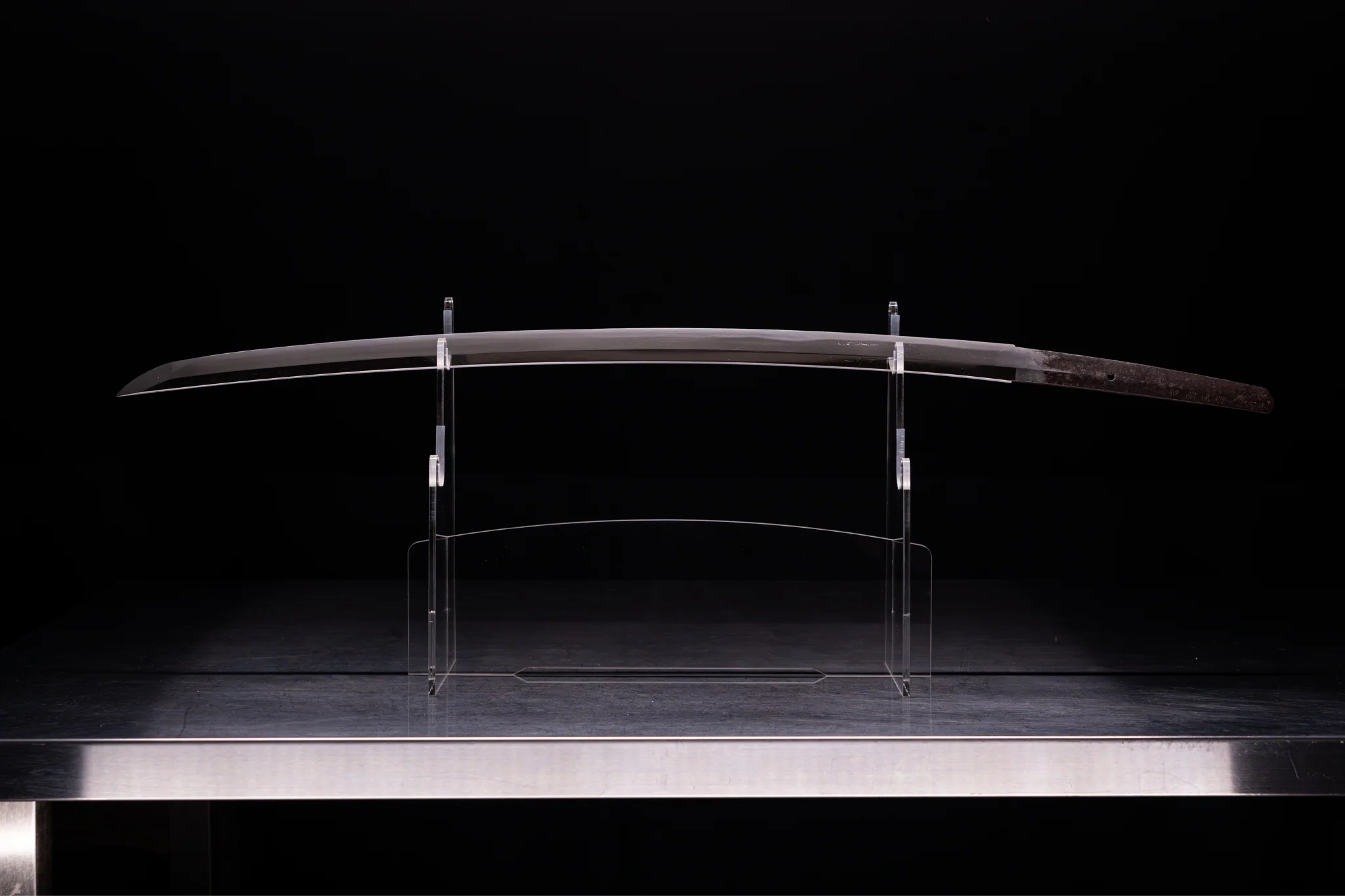
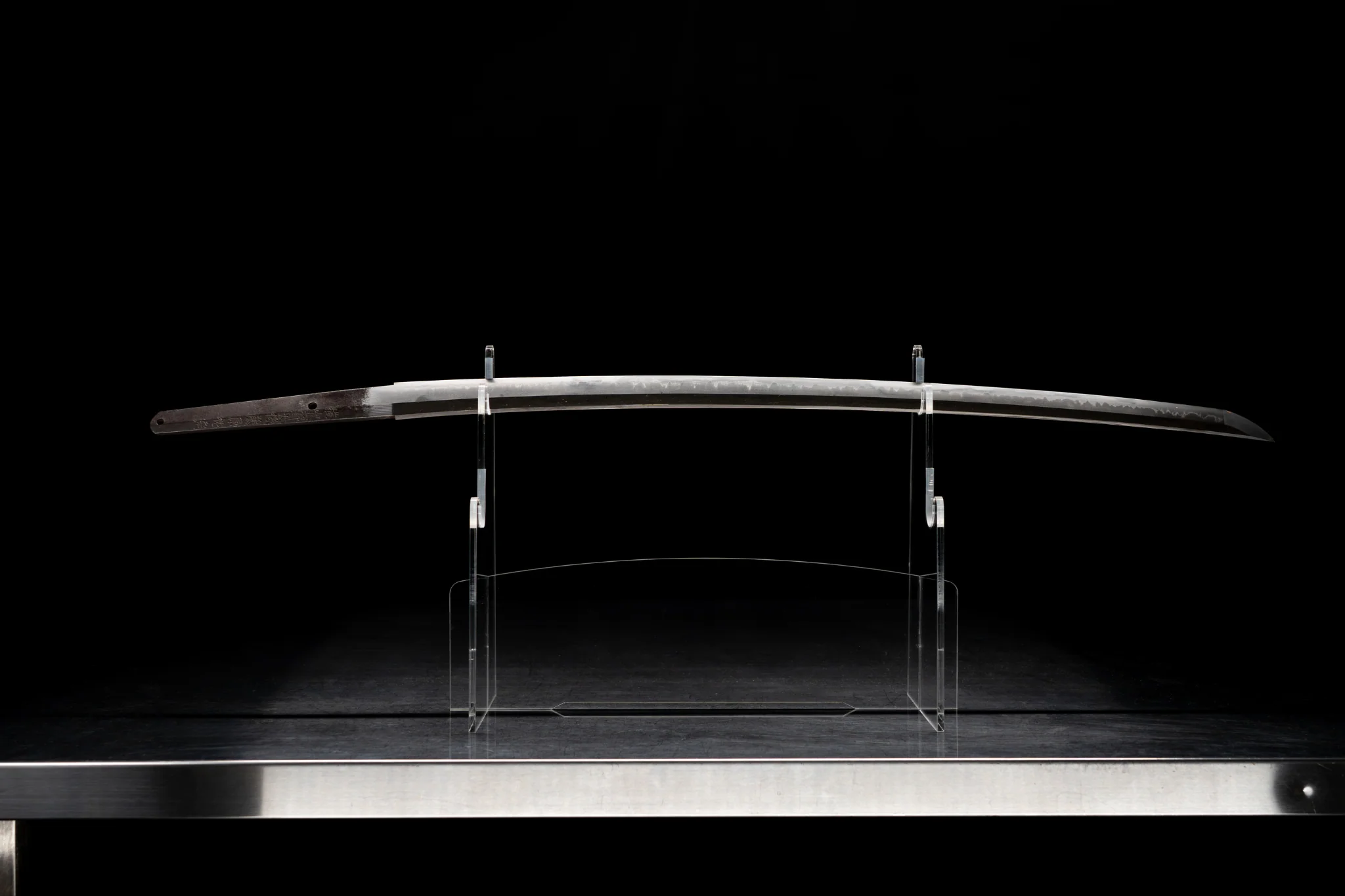
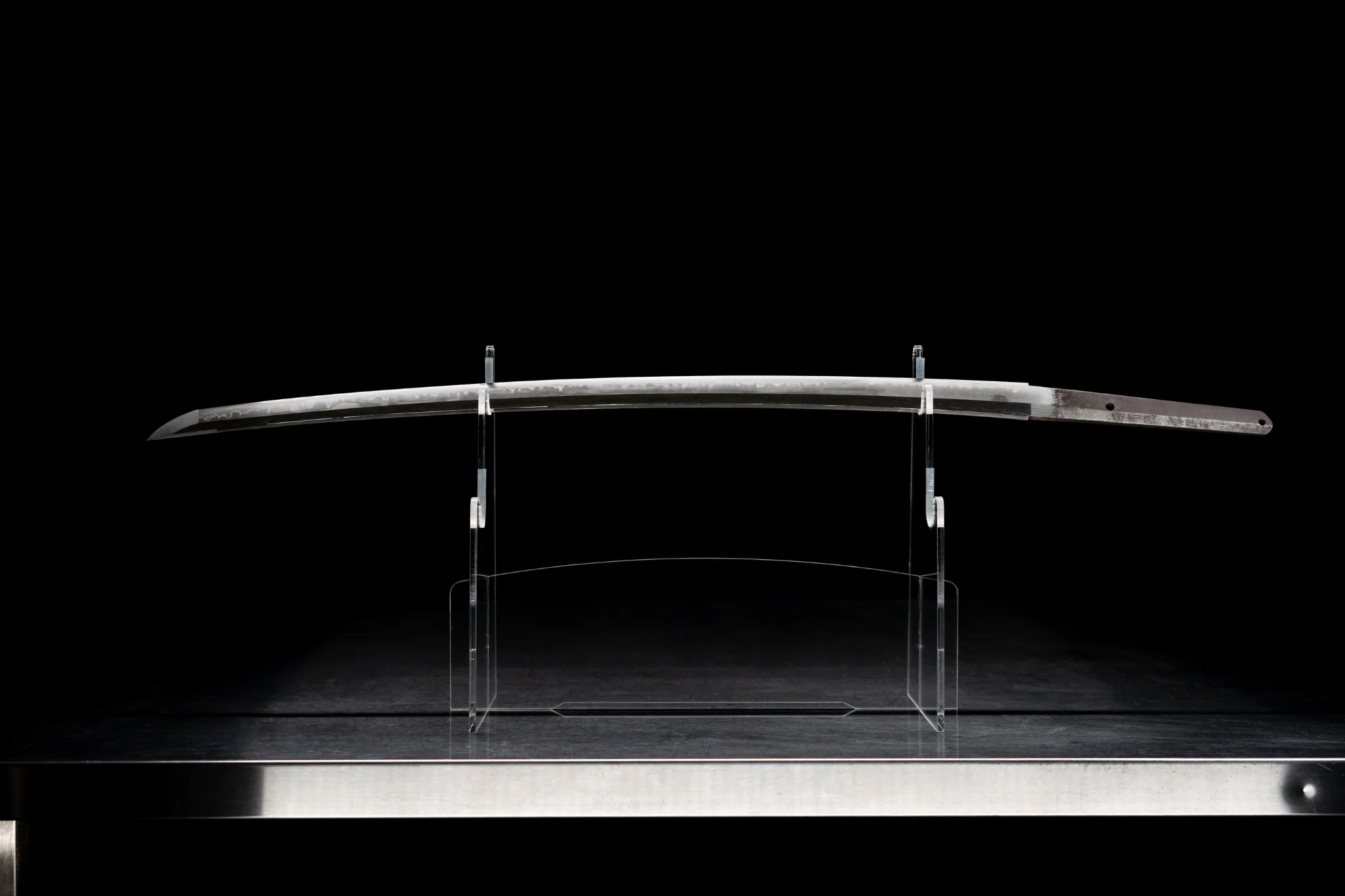
Muromachi Period Katana - Attributed to Taira Takada
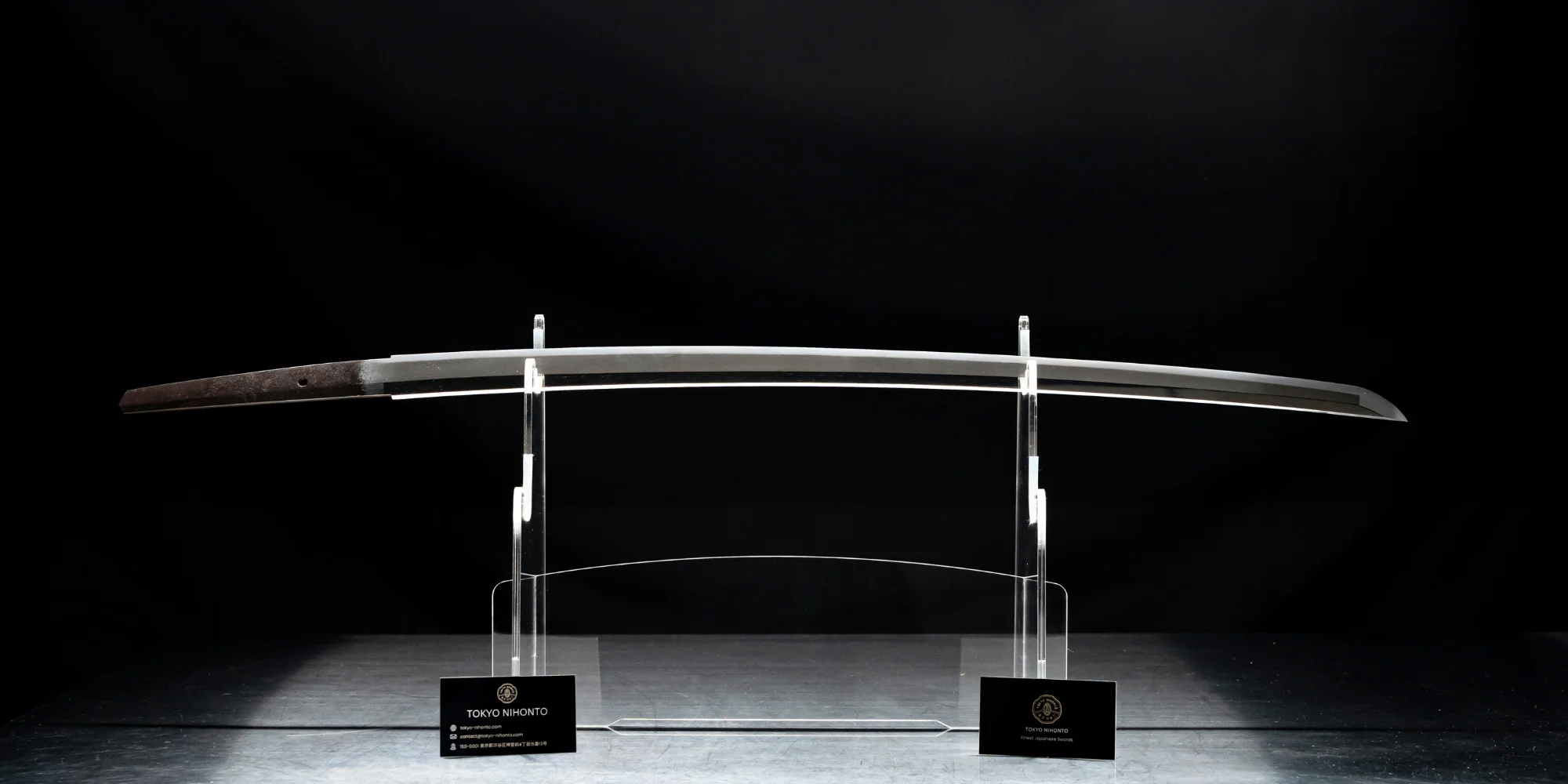
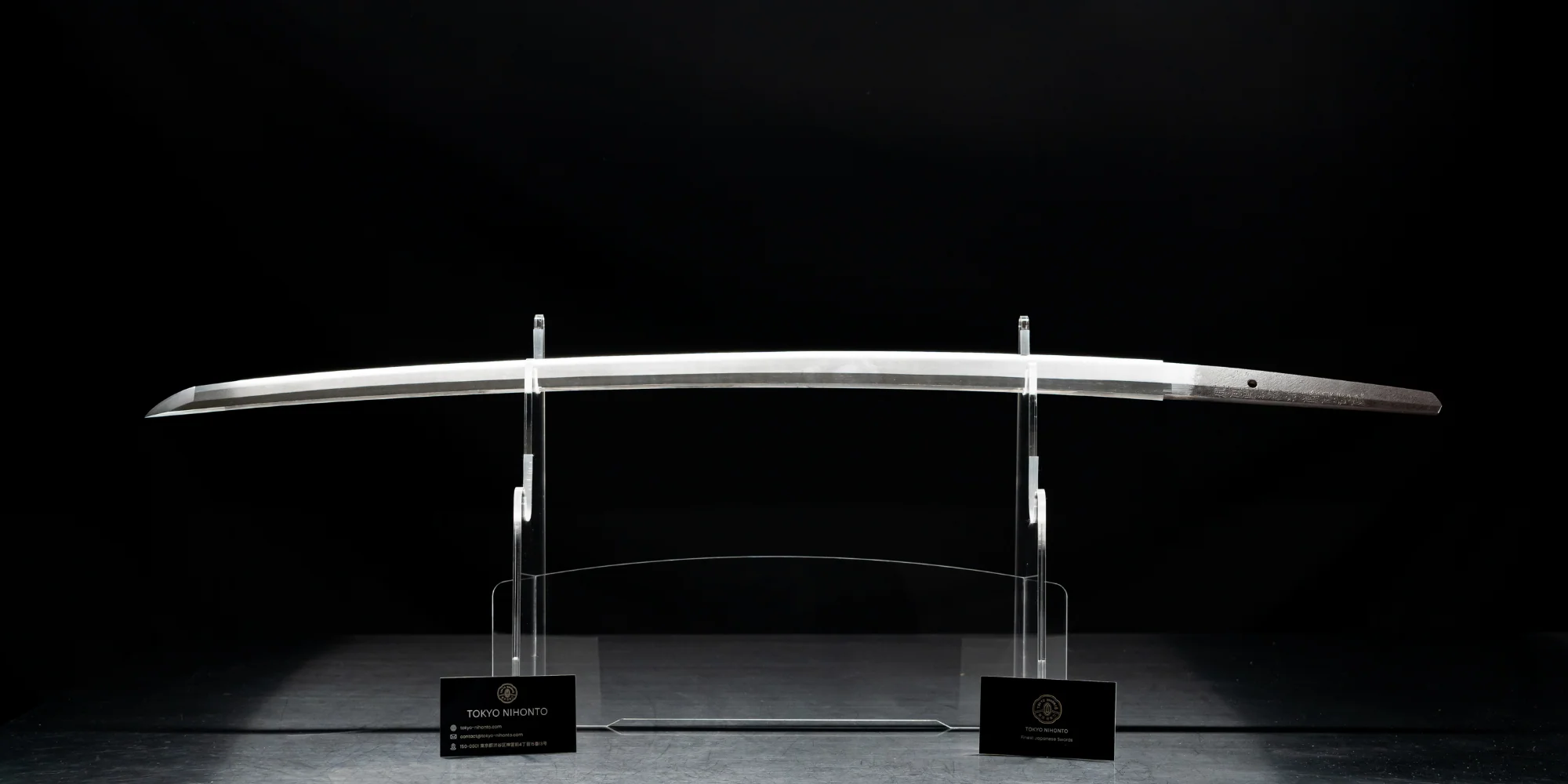
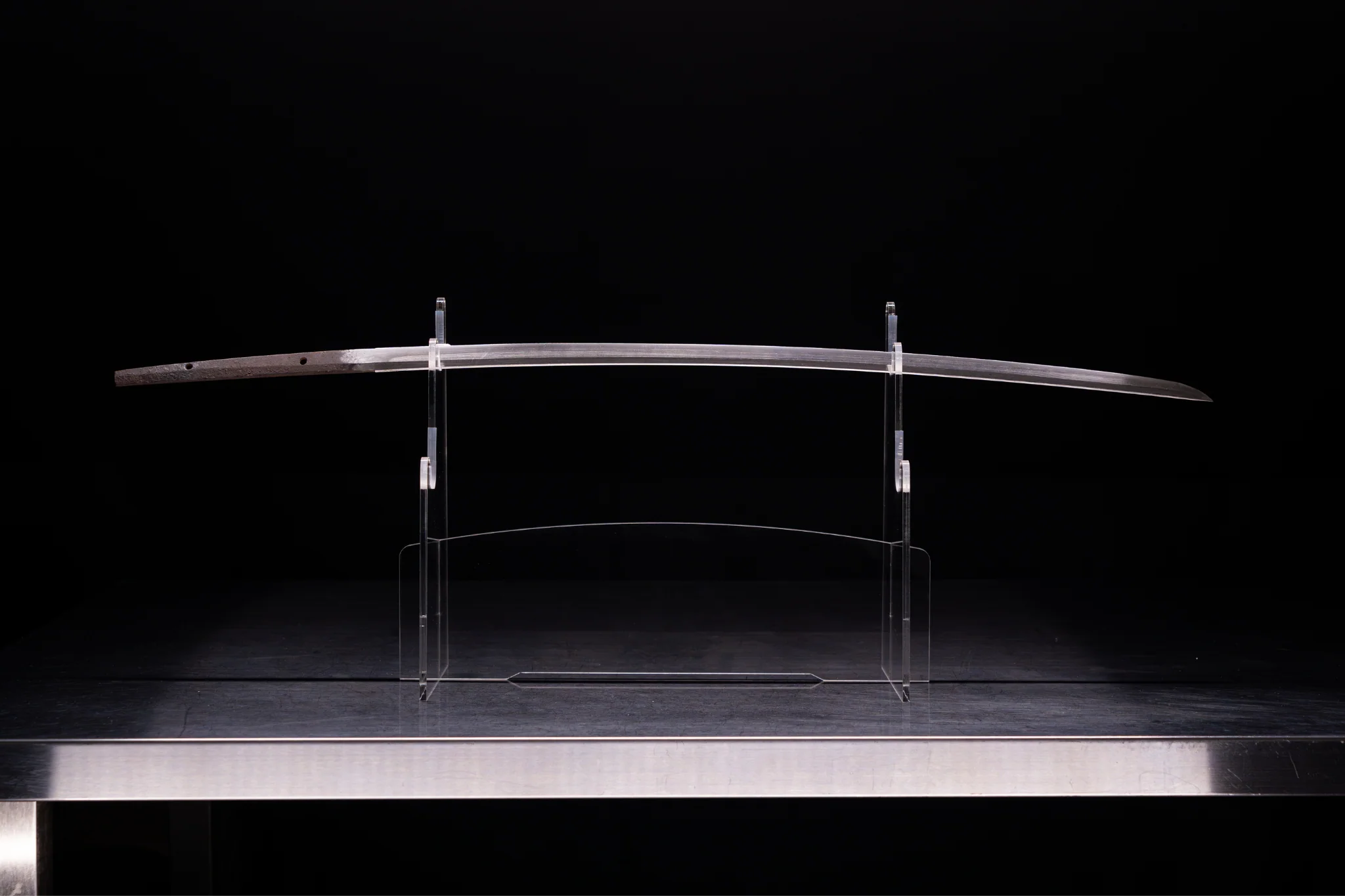
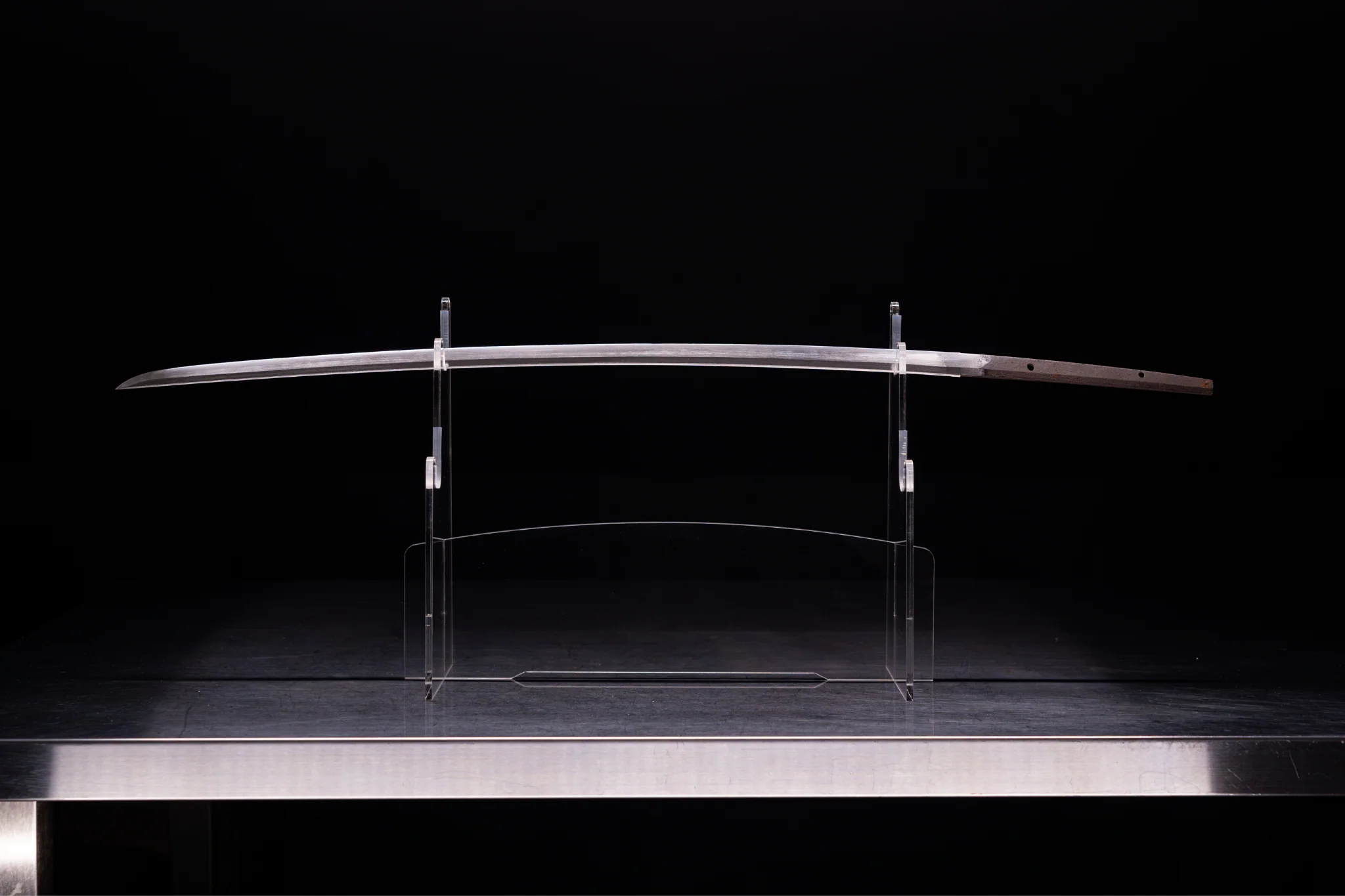
This exceptional katana, attributed to the prestigious Takada school in Bungo province (modern-day Oita prefecture), reflects the rich history and craftsmanship of the late Muromachi period. The blade is unsigned (mumei) and comes with a NBTHK Hozon Token certificate, affirming its authenticity and cultural value.
Specifications:
- Total Length: 91.8 cm
- Blade Length: 63.6 cm
- Curvature (Sori): 1.6 cm
- Base Width (Motohaba): 2.7 cm
- Tip Width (Sakihaba): 0.5 cm
- Base Thickness (Motokasane): 0.6 cm
- Weight: 1.62 kg
Additional Details:
- Period: Late Muromachi
- Certificate: Hozon Token
- Signature: Mumei
Features:
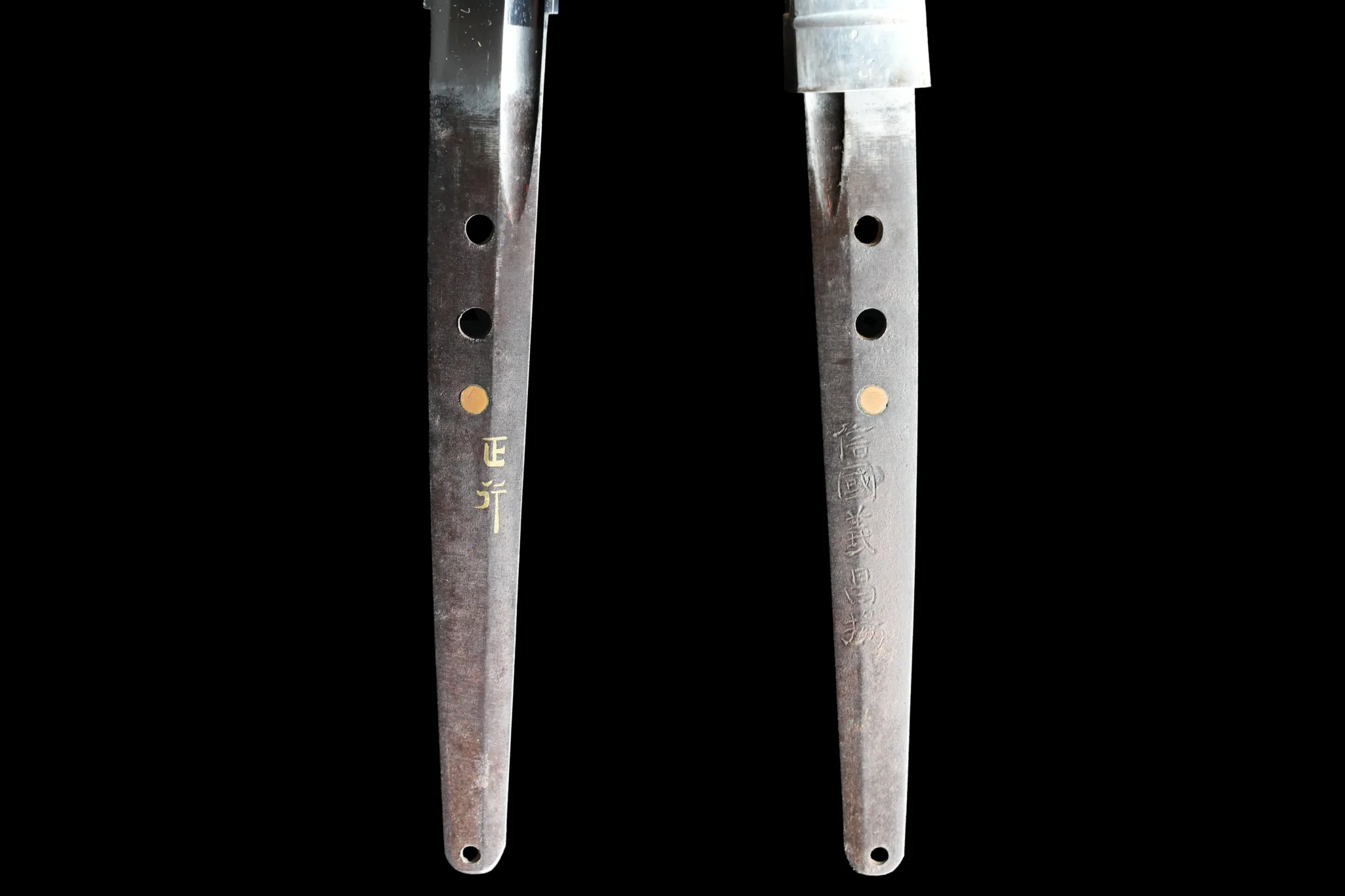
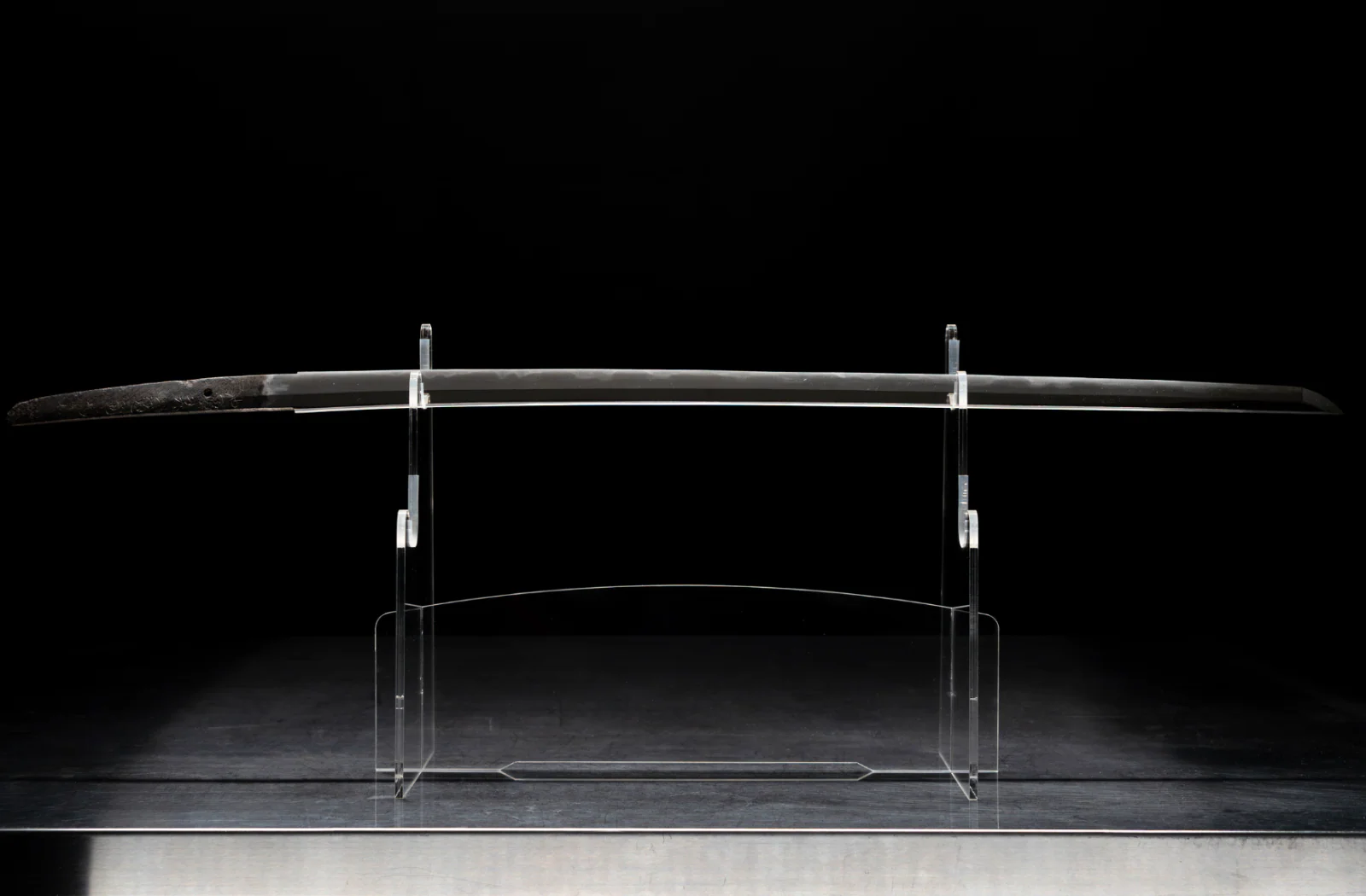
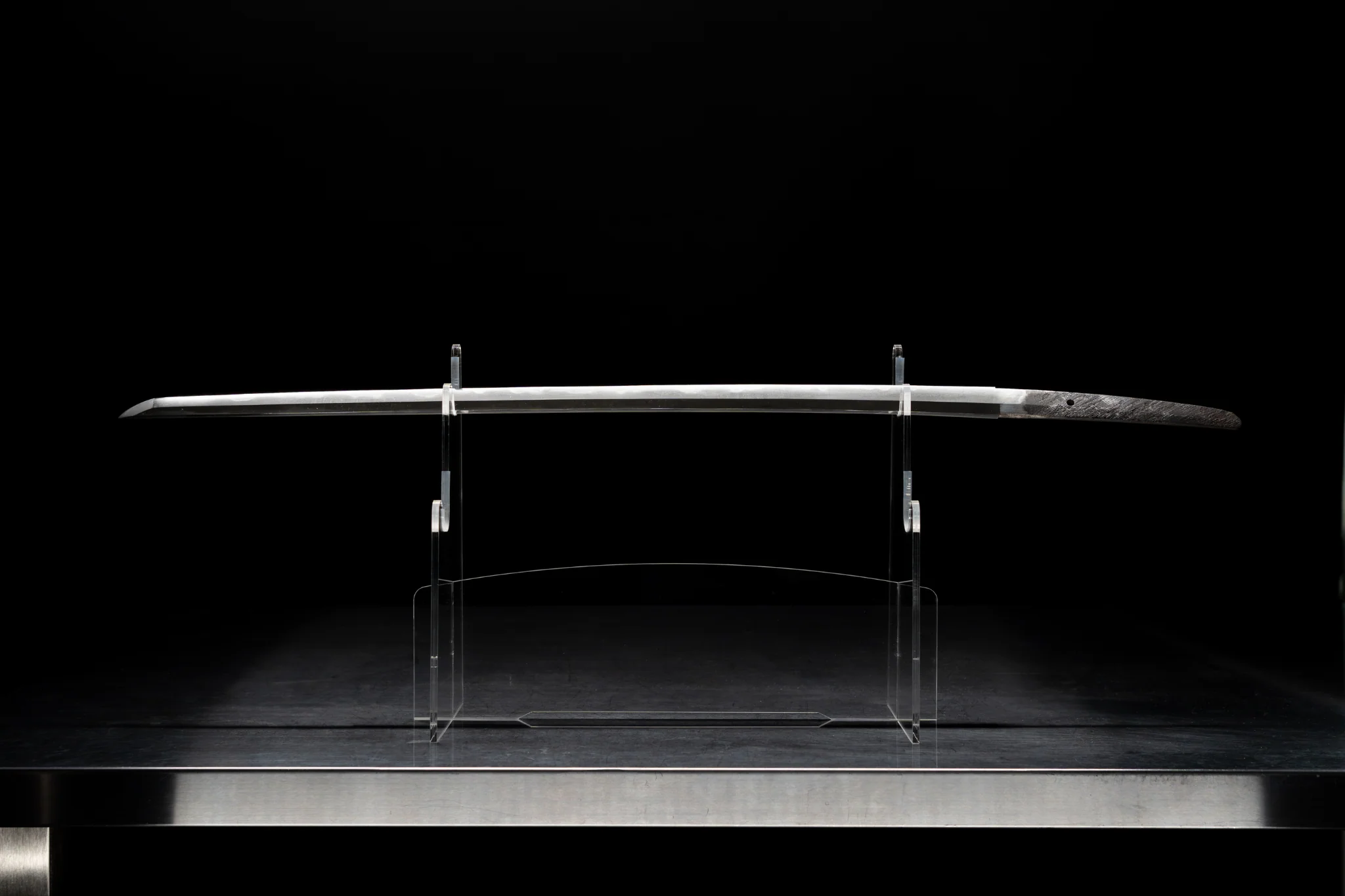
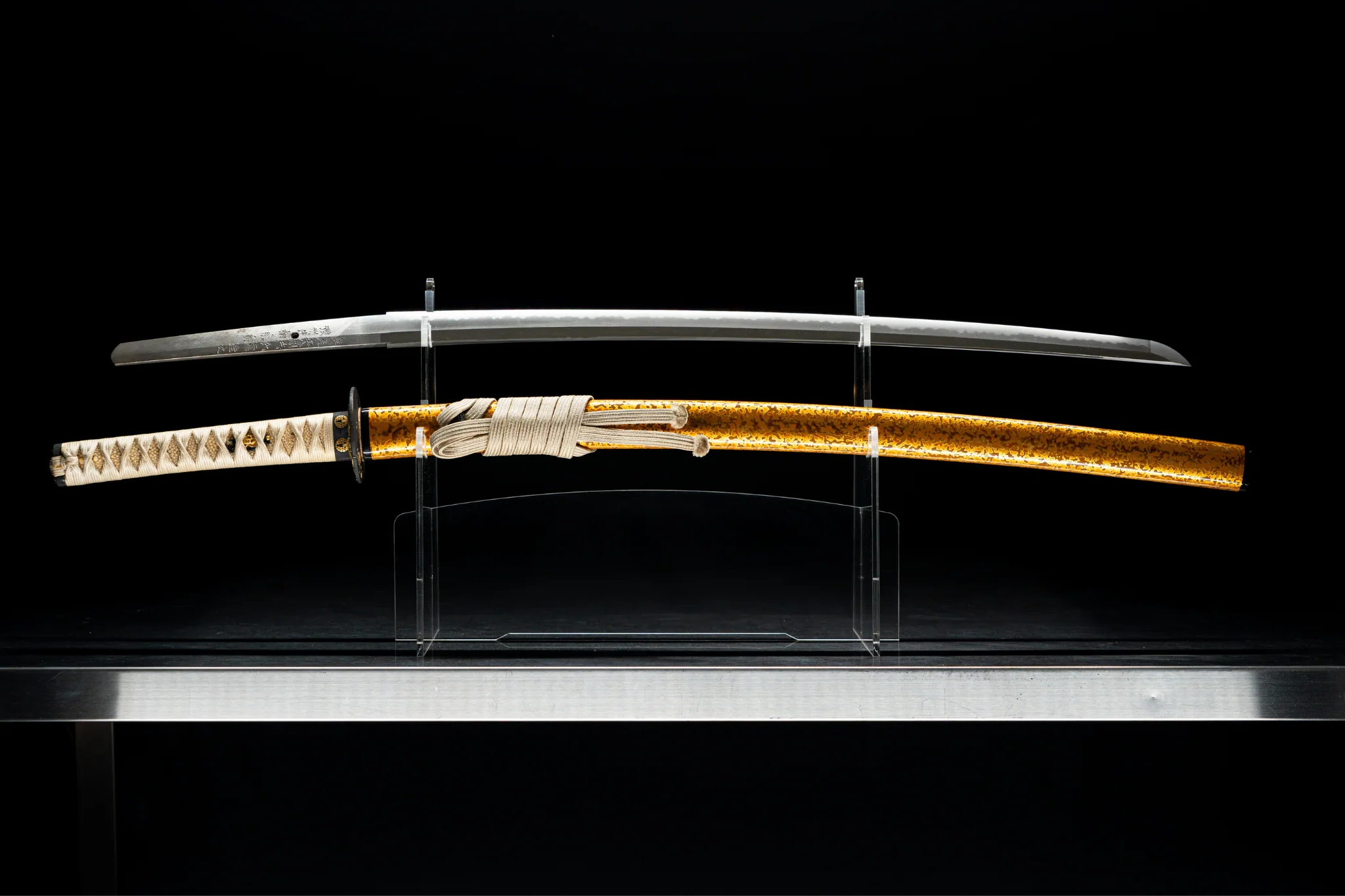
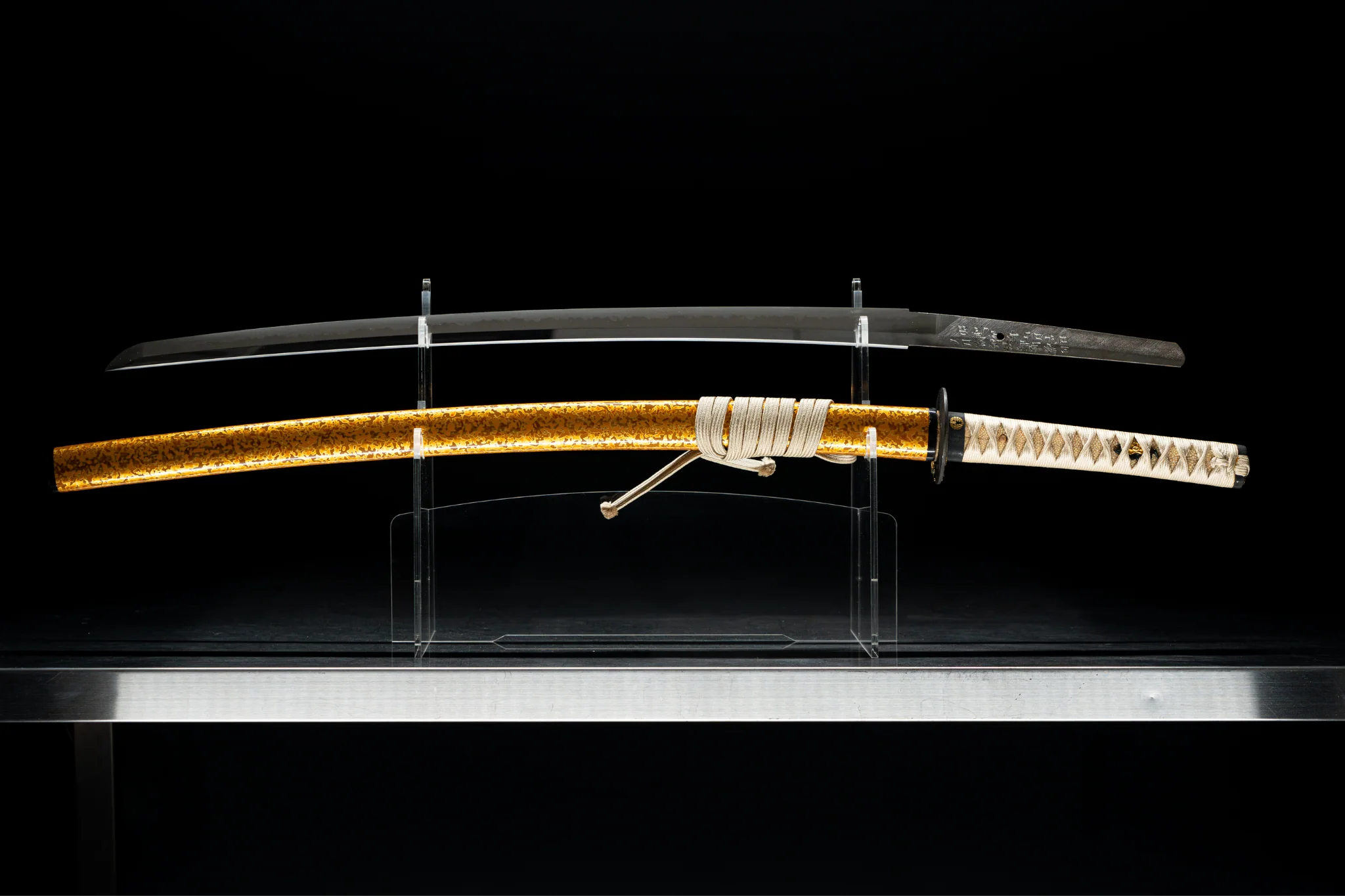
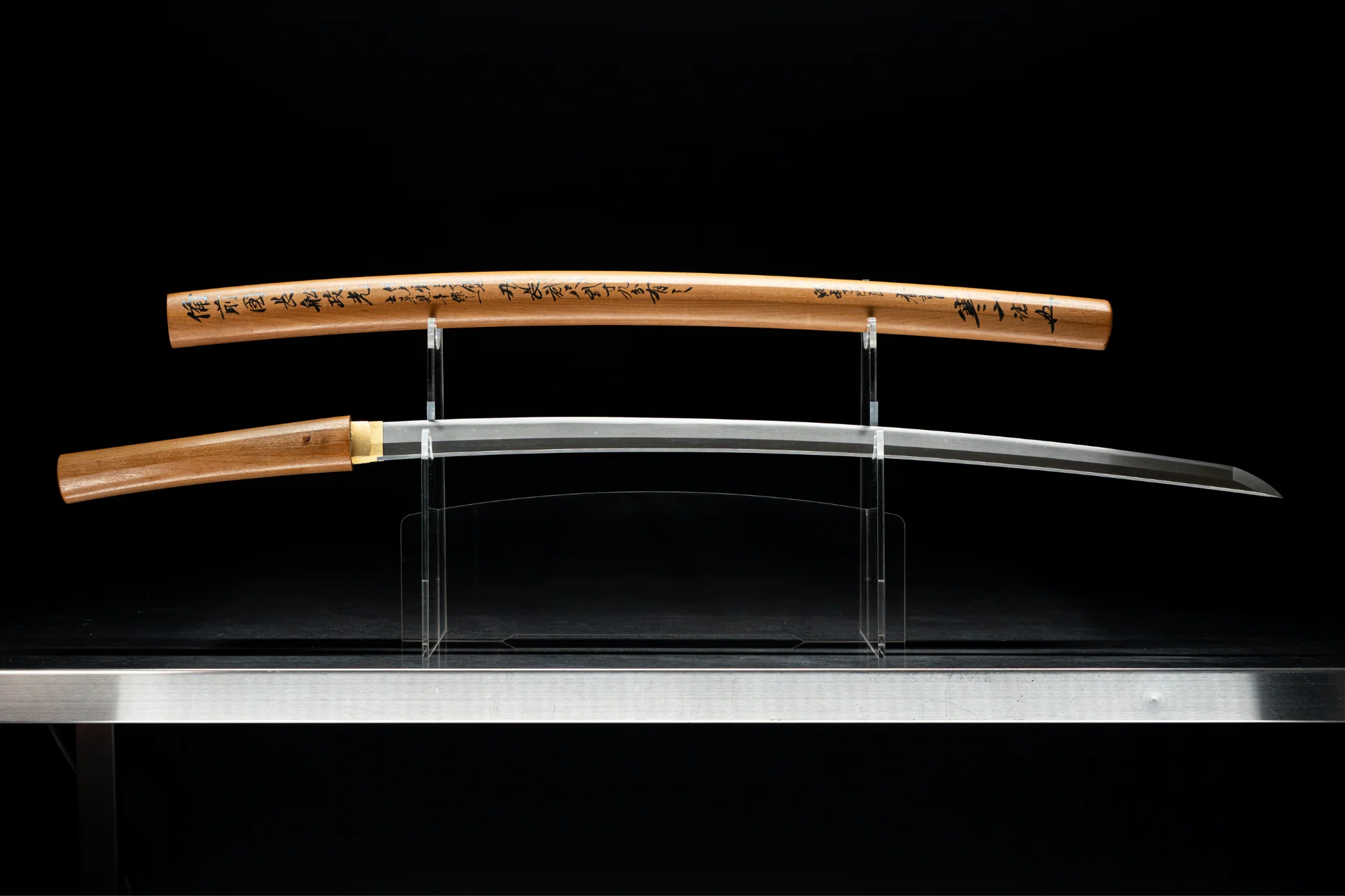
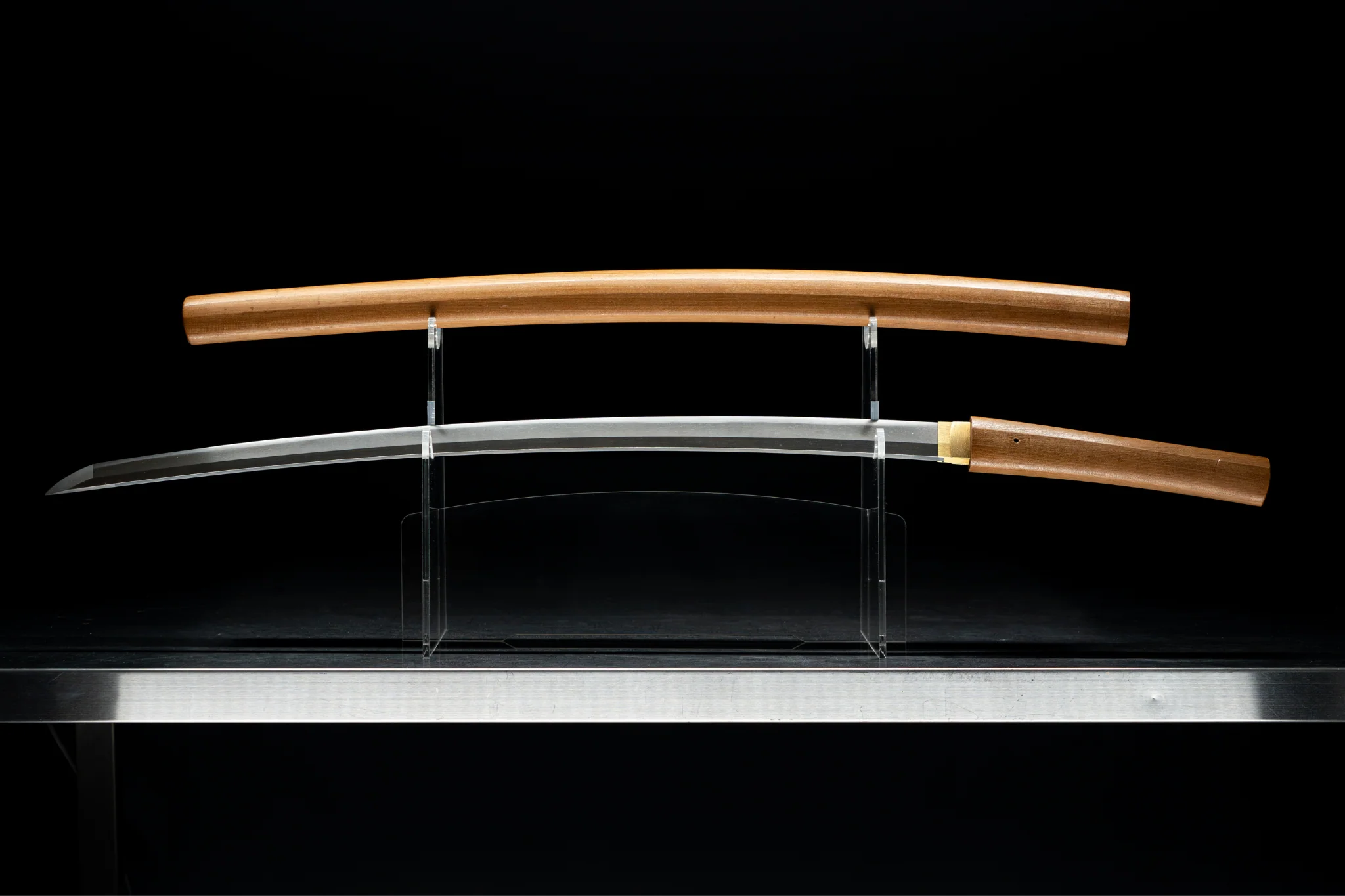
The katana features a shinogi-zukuri shape with a toori-zori curvature, and a ko-kissaki (small tip) and iori mune (roof-shaped back). The nakago (tang) has an iriyama gata nakagojiri (rounded end). The hamon (temper line) is in a gunome midare (undulating pattern), showcasing the blade’s superior craftsmanship and aesthetic appeal.
Historical Context:
The Takada school, founded by Takada Tomoyuki during the Nanbokucho period (1334-1338 A.D.), was renowned for its exceptional sword-making techniques. Tomoyuki trained in the Bizen province to master the craft before returning to Takada village to establish the school. This tradition of excellence continued through generations, and during the Edo period, those who forged swords in Takada were referred to as Taira Takada or Fujiwara Takada.
During the Sengoku period (15th to late 16th century), the Takada school produced numerous swords for samurai in Kyushu. These blades were highly regarded, often compared to the famous Mino and Bizen swords. The Bungo domain, under the rule of Otomo Yoshishige (also known as Sorin), saw significant military and political strength, with the Takada school forging swords for warriors serving the Otomo clan.
Kyushu’s strategic trading position with Asian countries fostered a prosperous environment for sword-making. The Takada school’s reputation for high-quality swords ensured a steady demand from feudal lords engaged in regional conflicts.
Condition:
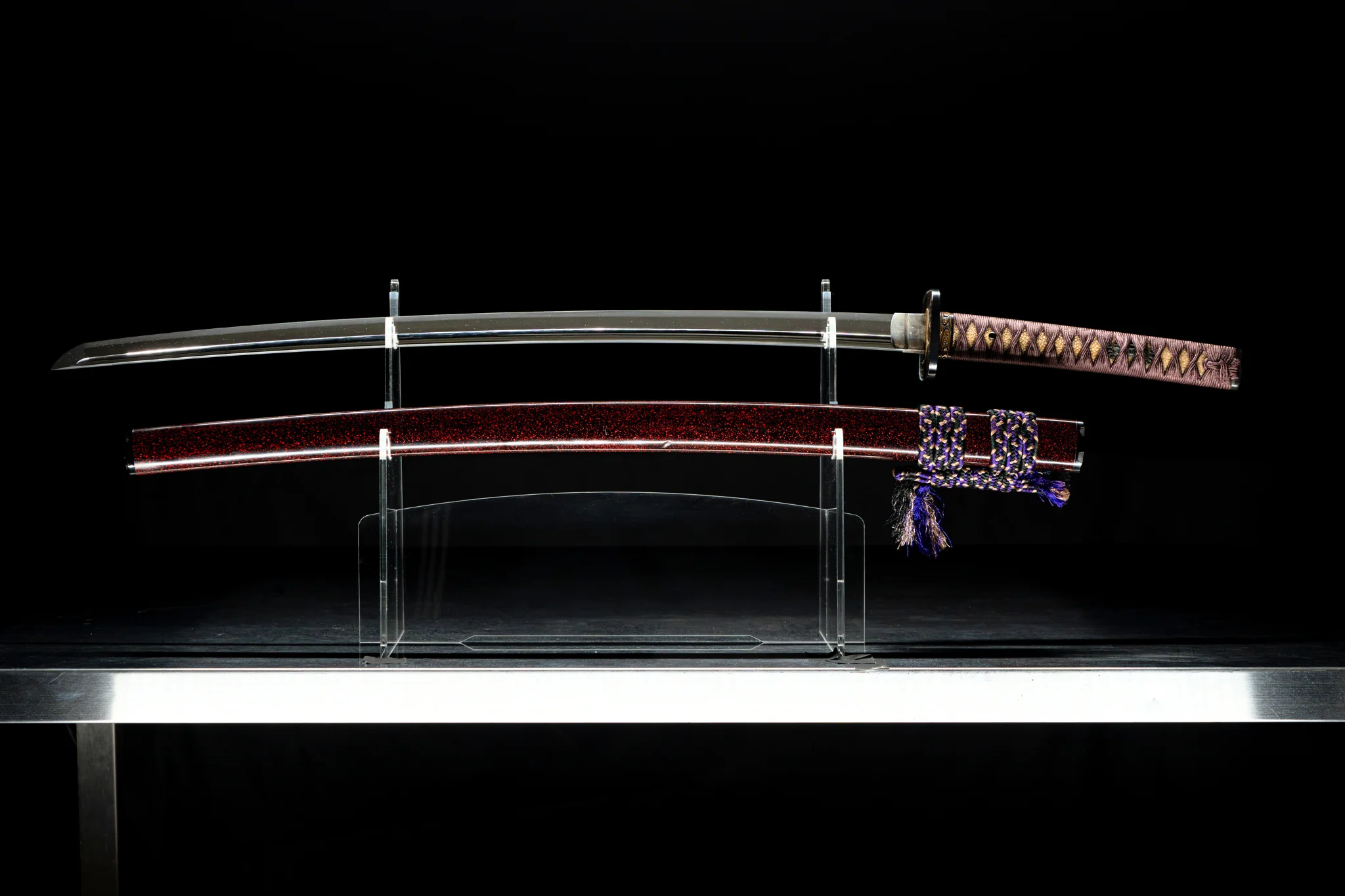
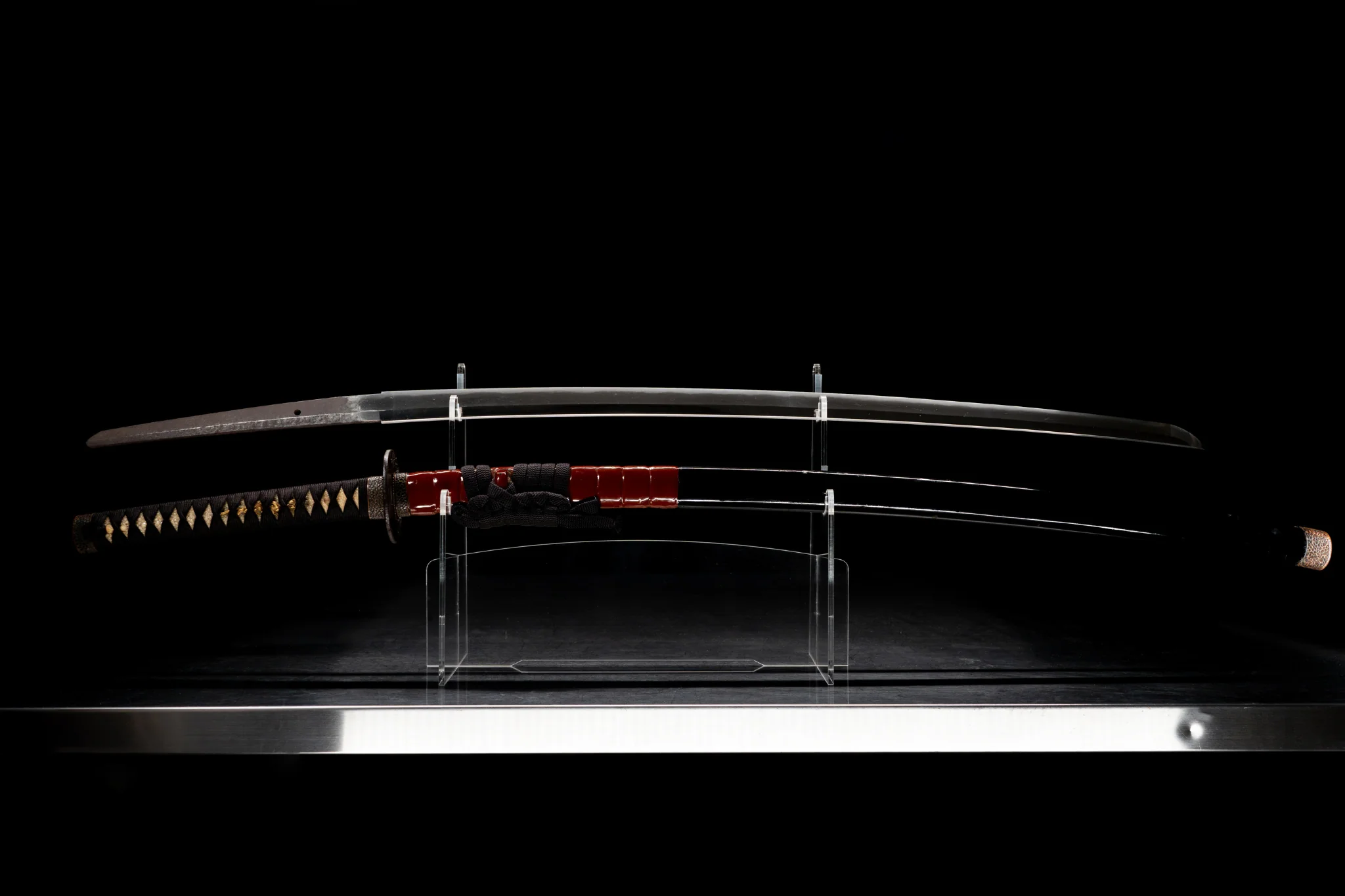
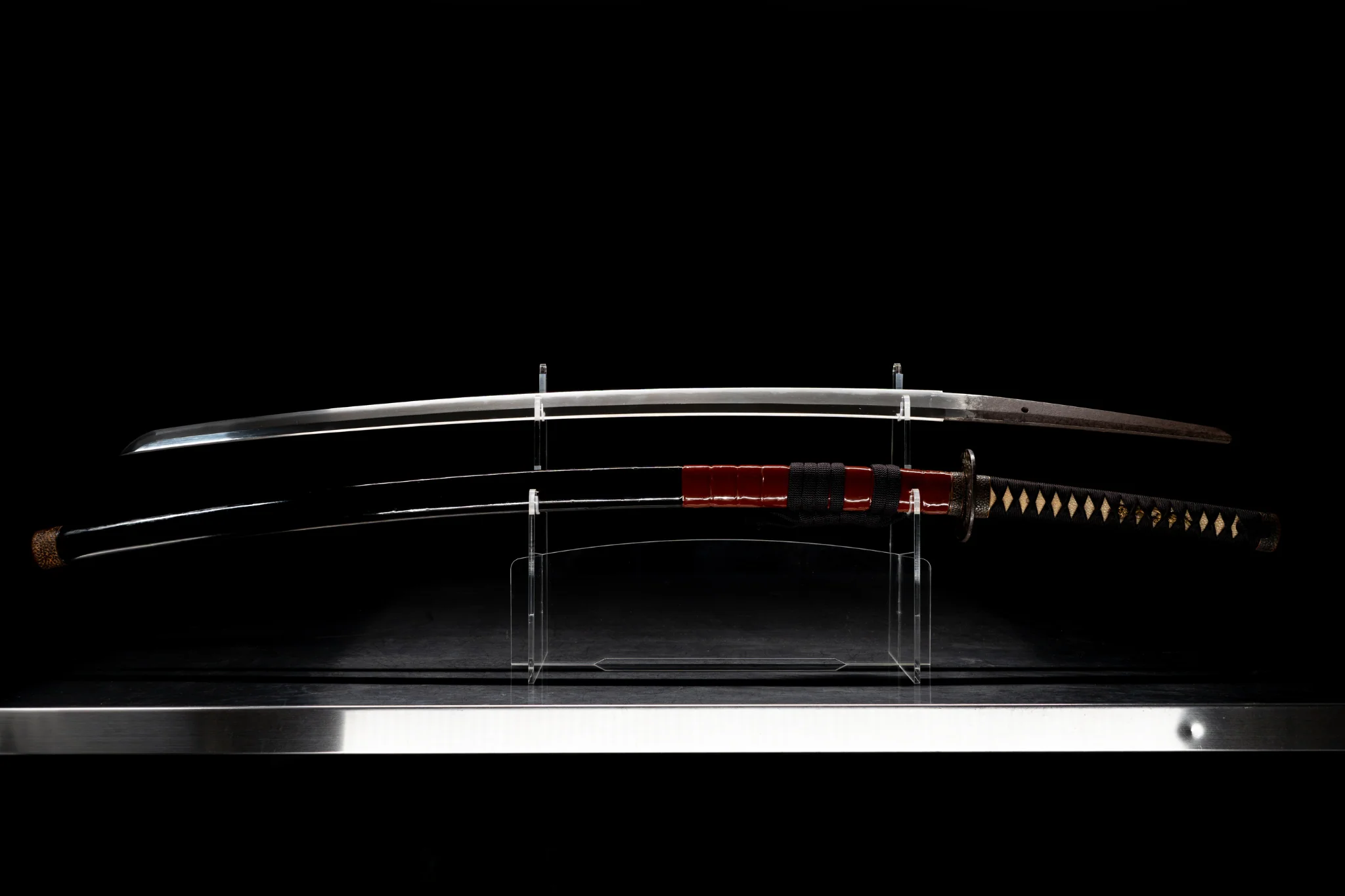
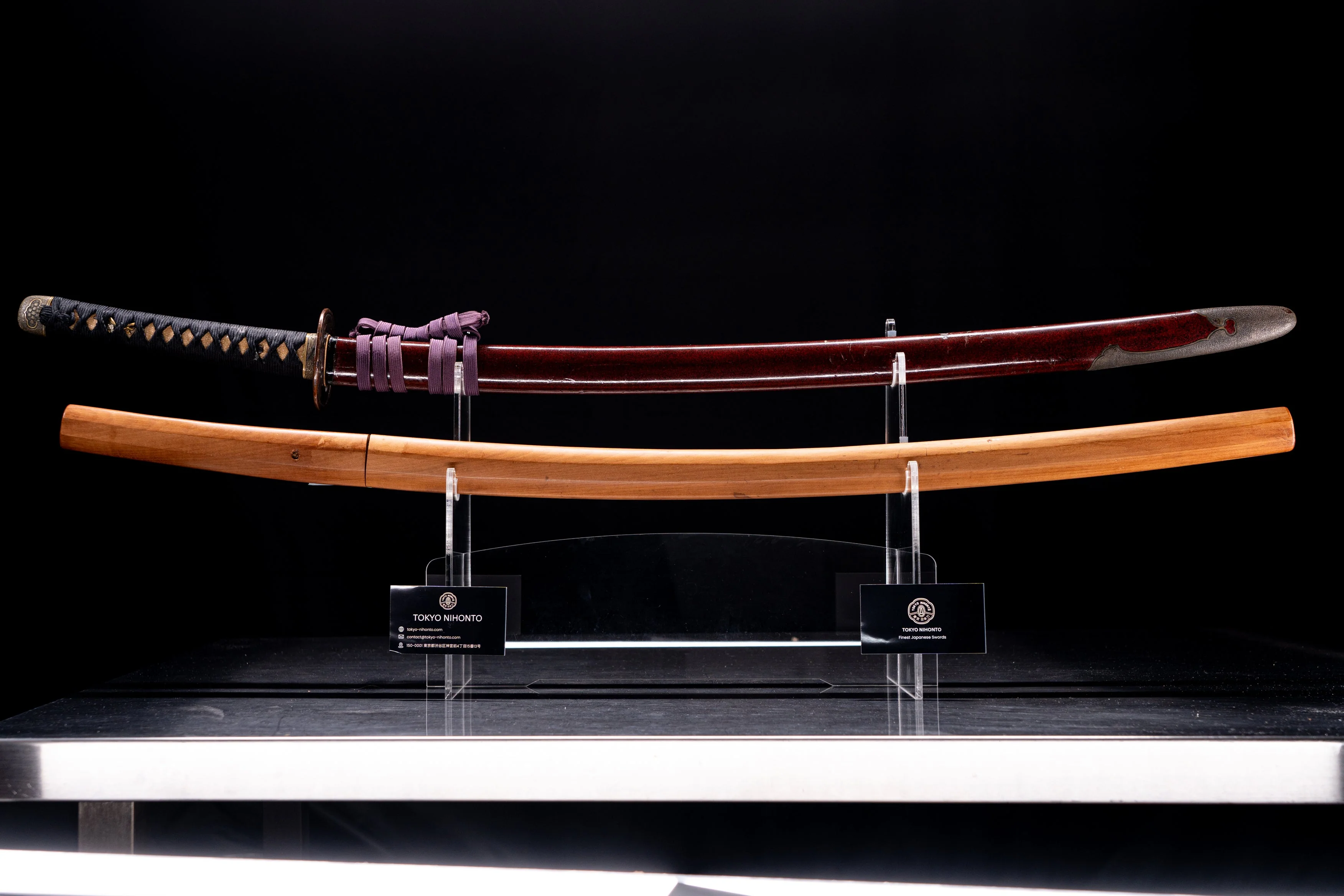
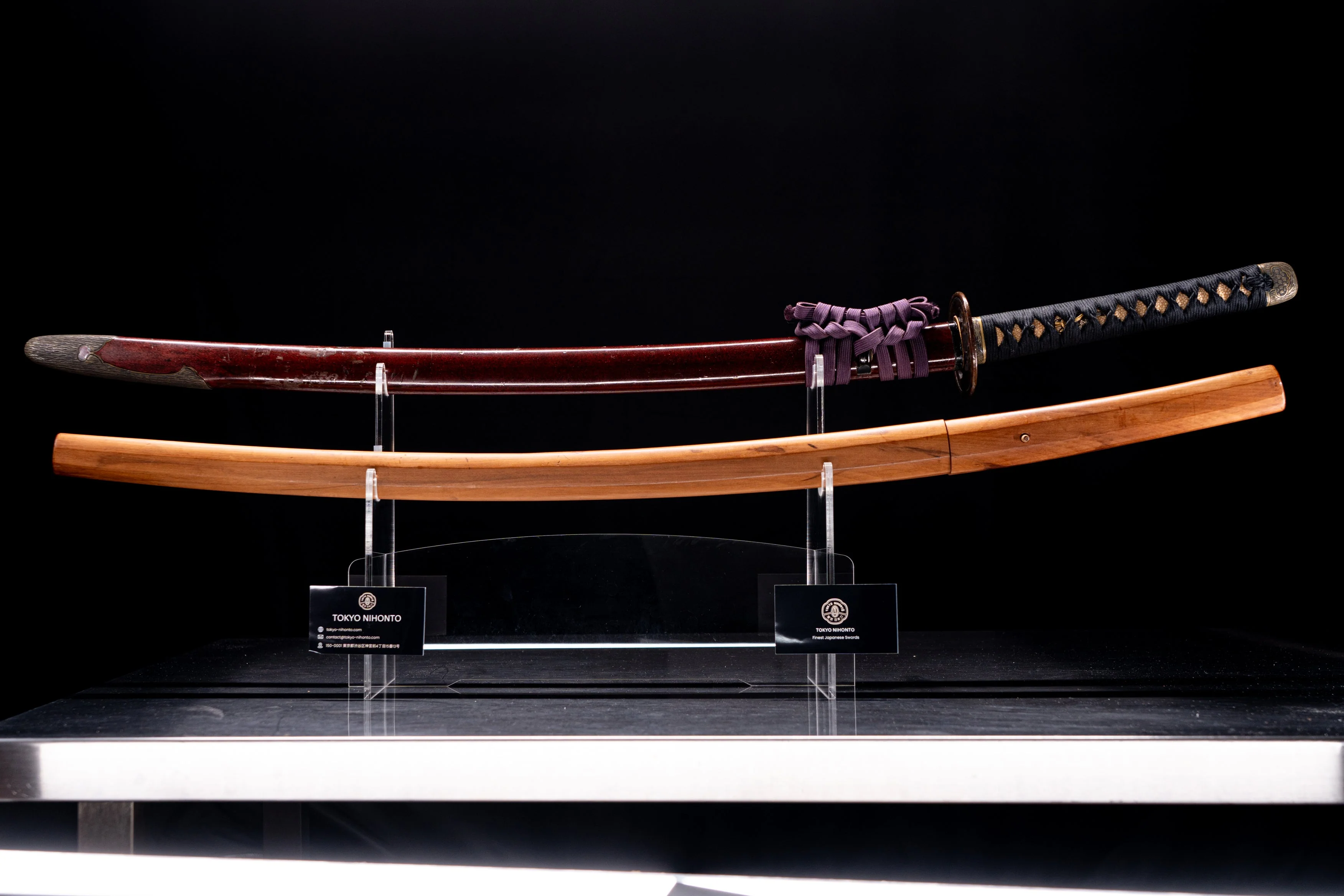
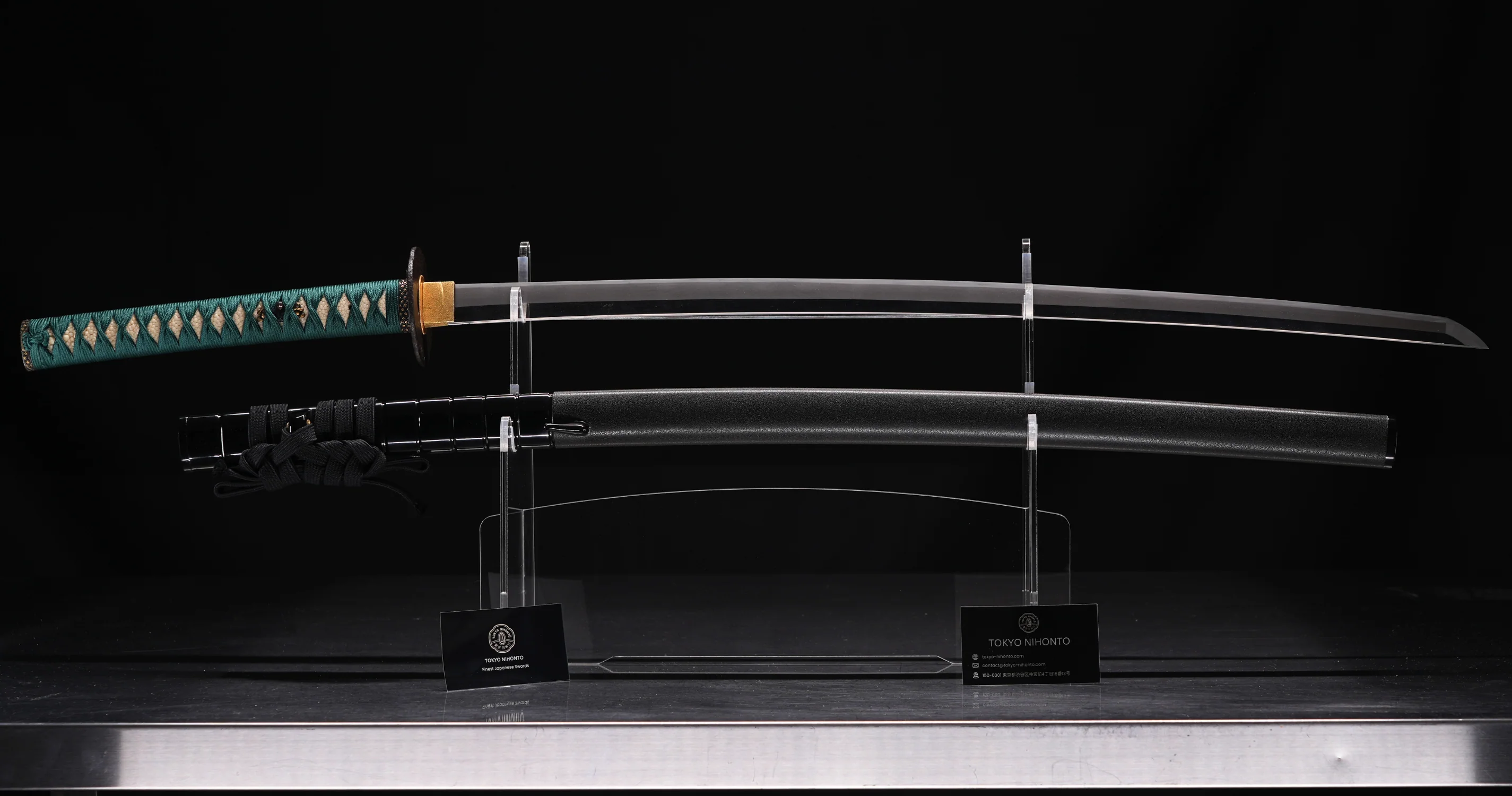
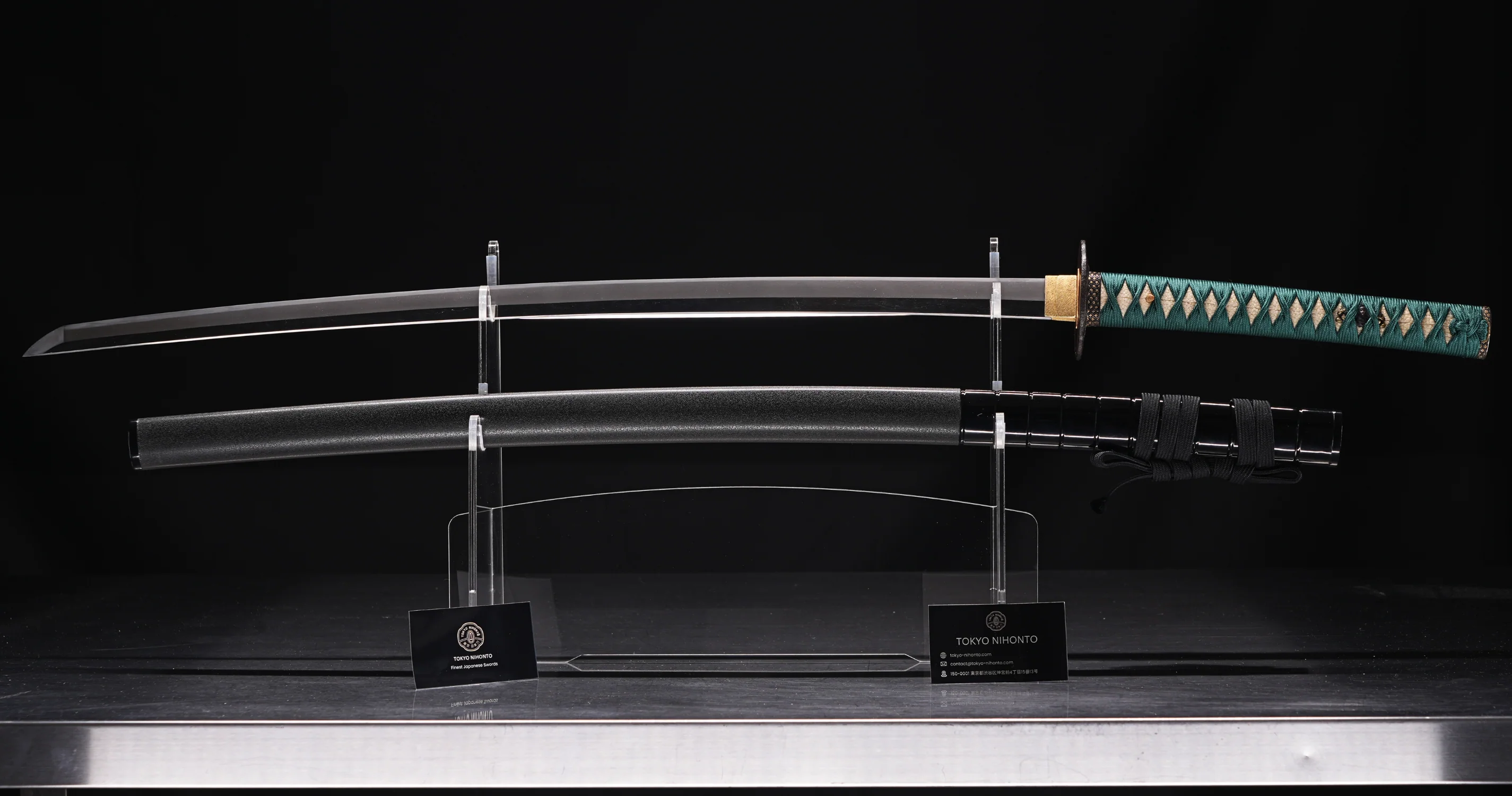
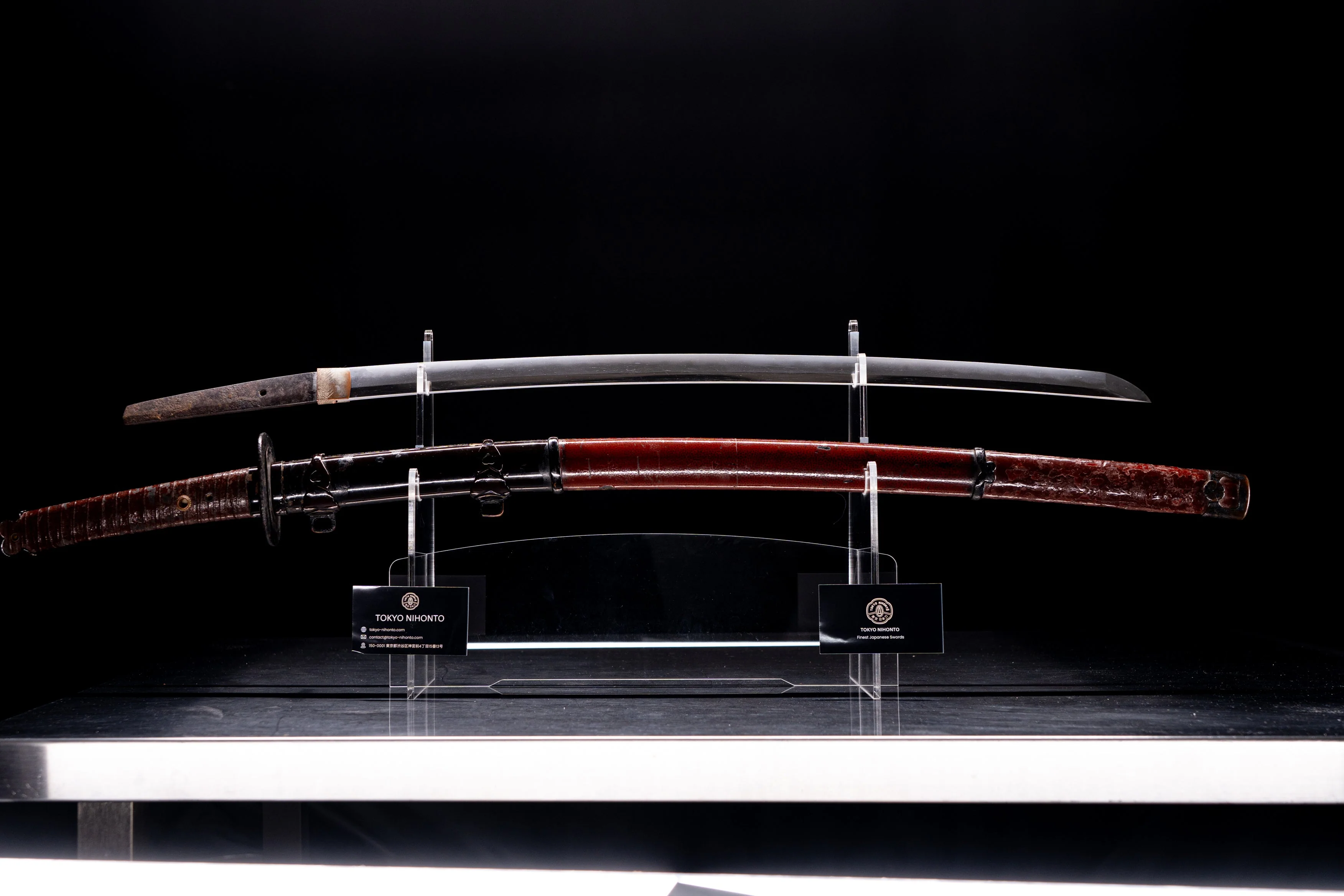
The blade shows signs of age with some rust and minor scratches. The koshirae (mountings) and shirasaya (plain wooden scabbard) are included, though there may be some looseness and wear, as shown in the photographs. Note that some accessories, like the mekugi (peg), may not be included.
This katana is a remarkable piece of history, reflecting the skill and legacy of the Takada school. It is not only a weapon but a testament to the rich sword-making traditions of the late Muromachi period and the enduring legacy of the samurai.
Product Information
Product Information
Shipping & Returns
Shipping & Returns
Description
Muromachi Period Katana - Attributed to Taira Takada
This exceptional katana, attributed to the prestigious Takada school in Bungo province (modern-day Oita prefecture), reflects the rich history and craftsmanship of the late Muromachi period. The blade is unsigned (mumei) and comes with a NBTHK Hozon Token certificate, affirming its authenticity and cultural value.
Specifications:
- Total Length: 91.8 cm
- Blade Length: 63.6 cm
- Curvature (Sori): 1.6 cm
- Base Width (Motohaba): 2.7 cm
- Tip Width (Sakihaba): 0.5 cm
- Base Thickness (Motokasane): 0.6 cm
- Weight: 1.62 kg
Additional Details:
- Period: Late Muromachi
- Certificate: Hozon Token
- Signature: Mumei
Features:
The katana features a shinogi-zukuri shape with a toori-zori curvature, and a ko-kissaki (small tip) and iori mune (roof-shaped back). The nakago (tang) has an iriyama gata nakagojiri (rounded end). The hamon (temper line) is in a gunome midare (undulating pattern), showcasing the blade’s superior craftsmanship and aesthetic appeal.
Historical Context:
The Takada school, founded by Takada Tomoyuki during the Nanbokucho period (1334-1338 A.D.), was renowned for its exceptional sword-making techniques. Tomoyuki trained in the Bizen province to master the craft before returning to Takada village to establish the school. This tradition of excellence continued through generations, and during the Edo period, those who forged swords in Takada were referred to as Taira Takada or Fujiwara Takada.
During the Sengoku period (15th to late 16th century), the Takada school produced numerous swords for samurai in Kyushu. These blades were highly regarded, often compared to the famous Mino and Bizen swords. The Bungo domain, under the rule of Otomo Yoshishige (also known as Sorin), saw significant military and political strength, with the Takada school forging swords for warriors serving the Otomo clan.
Kyushu’s strategic trading position with Asian countries fostered a prosperous environment for sword-making. The Takada school’s reputation for high-quality swords ensured a steady demand from feudal lords engaged in regional conflicts.
Condition:
The blade shows signs of age with some rust and minor scratches. The koshirae (mountings) and shirasaya (plain wooden scabbard) are included, though there may be some looseness and wear, as shown in the photographs. Note that some accessories, like the mekugi (peg), may not be included.
This katana is a remarkable piece of history, reflecting the skill and legacy of the Takada school. It is not only a weapon but a testament to the rich sword-making traditions of the late Muromachi period and the enduring legacy of the samurai.