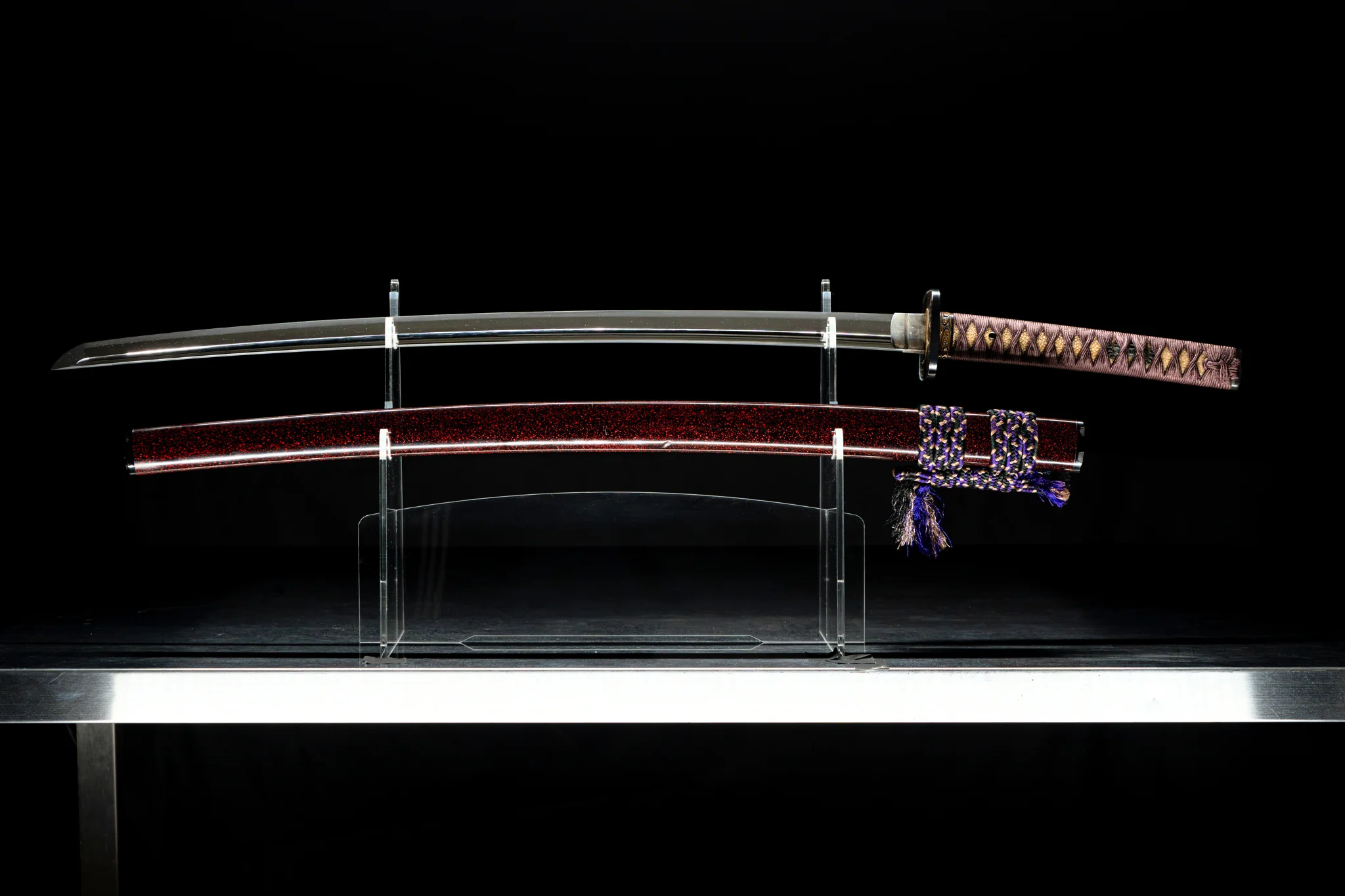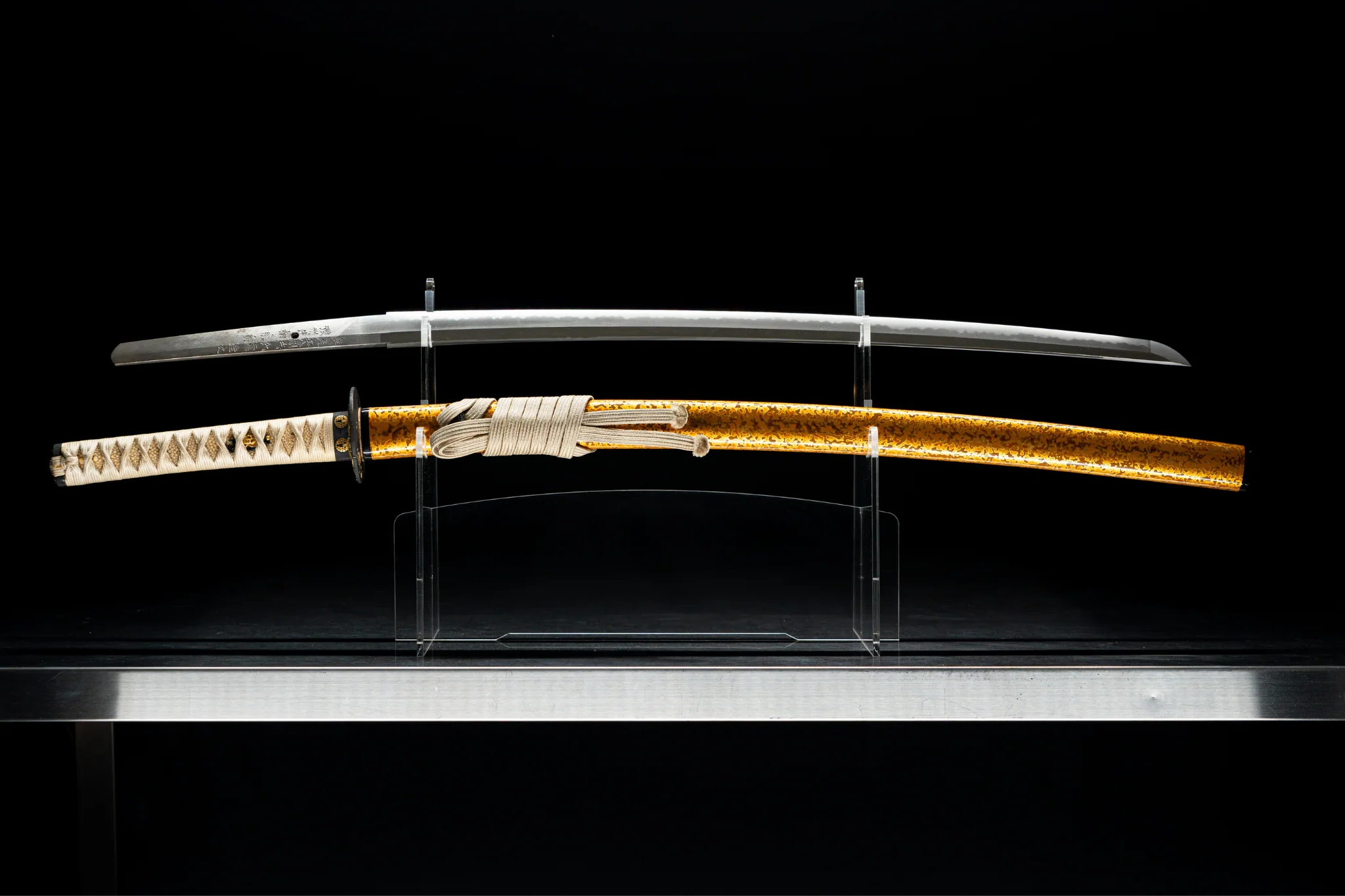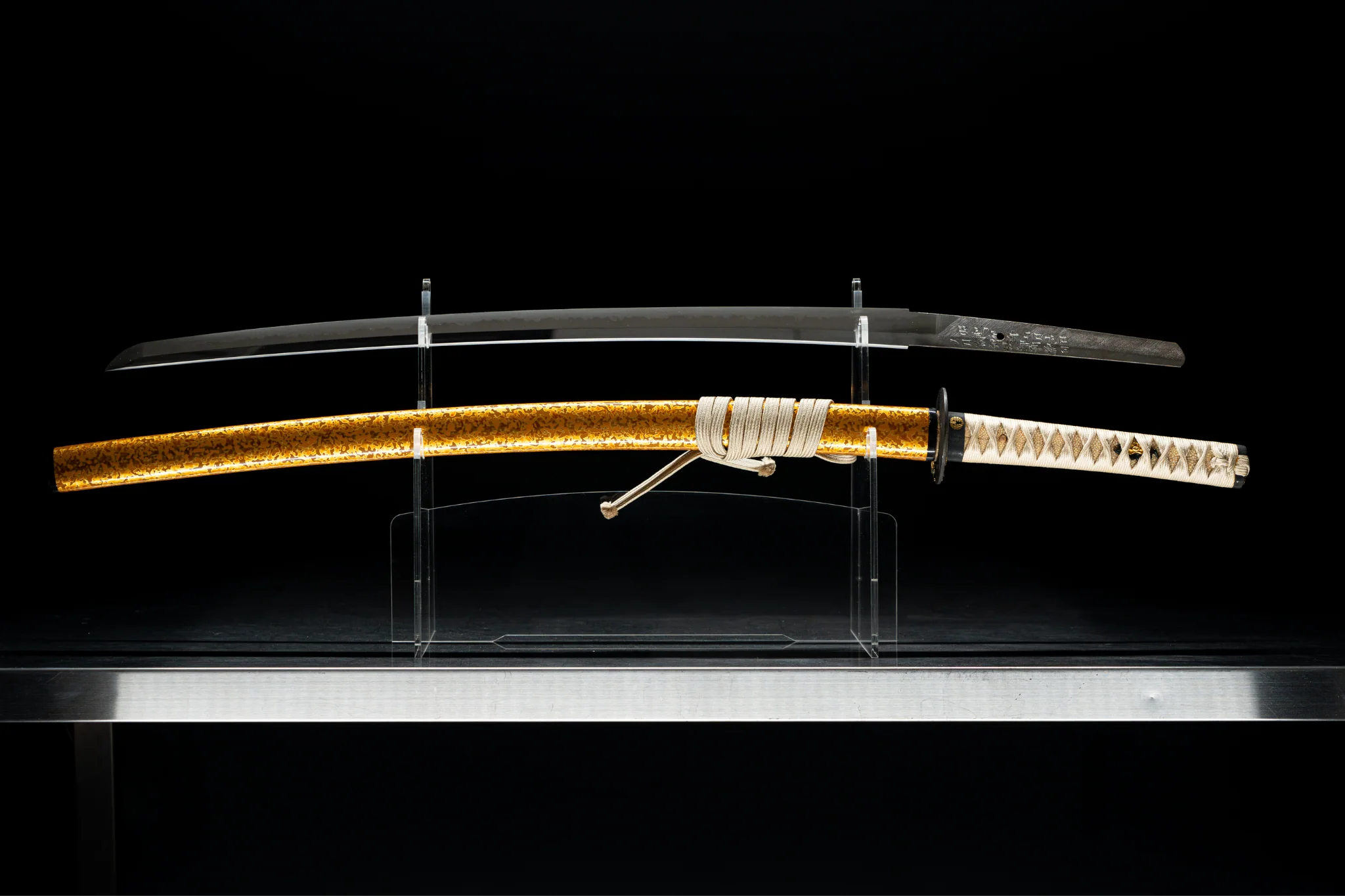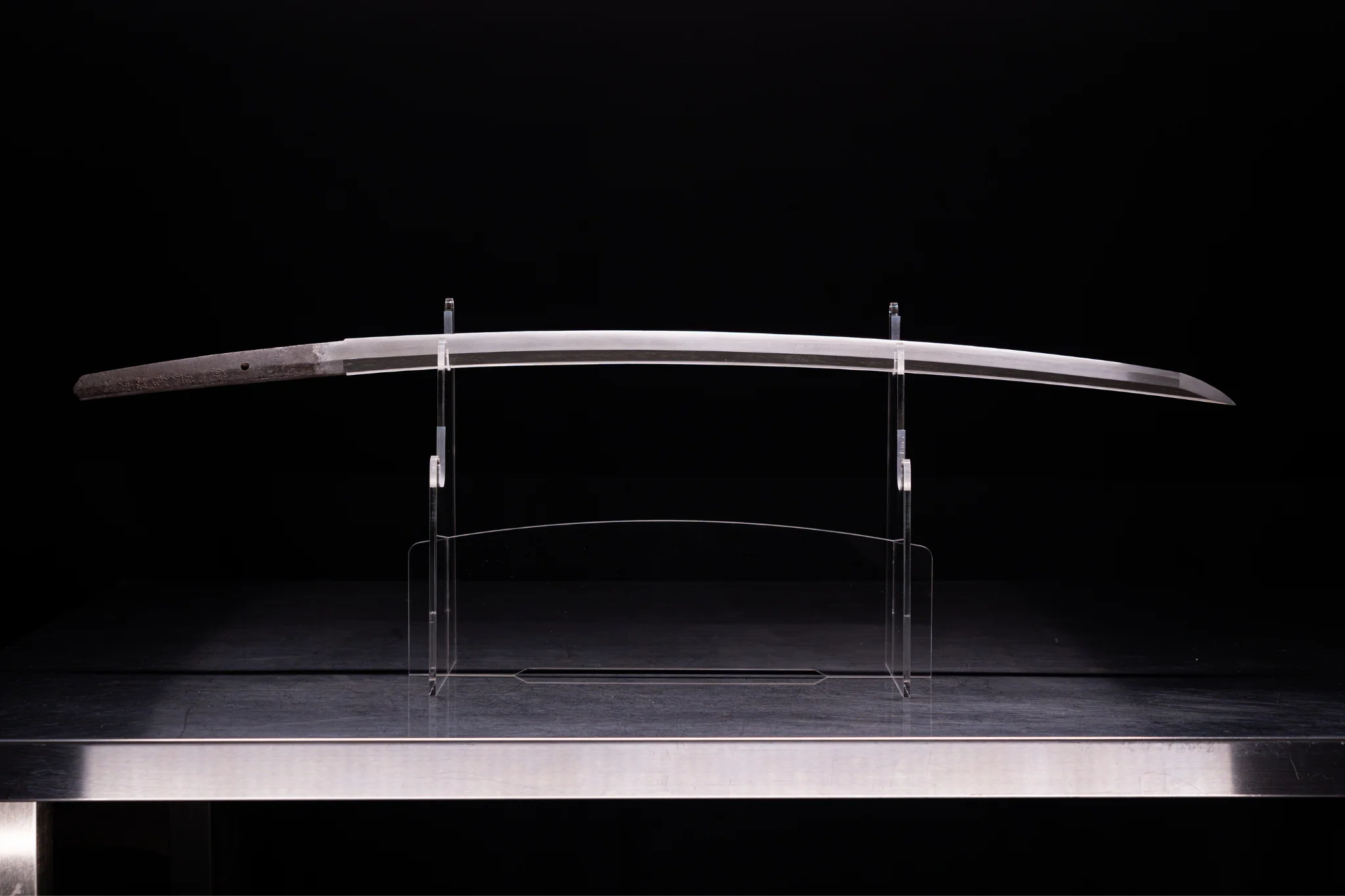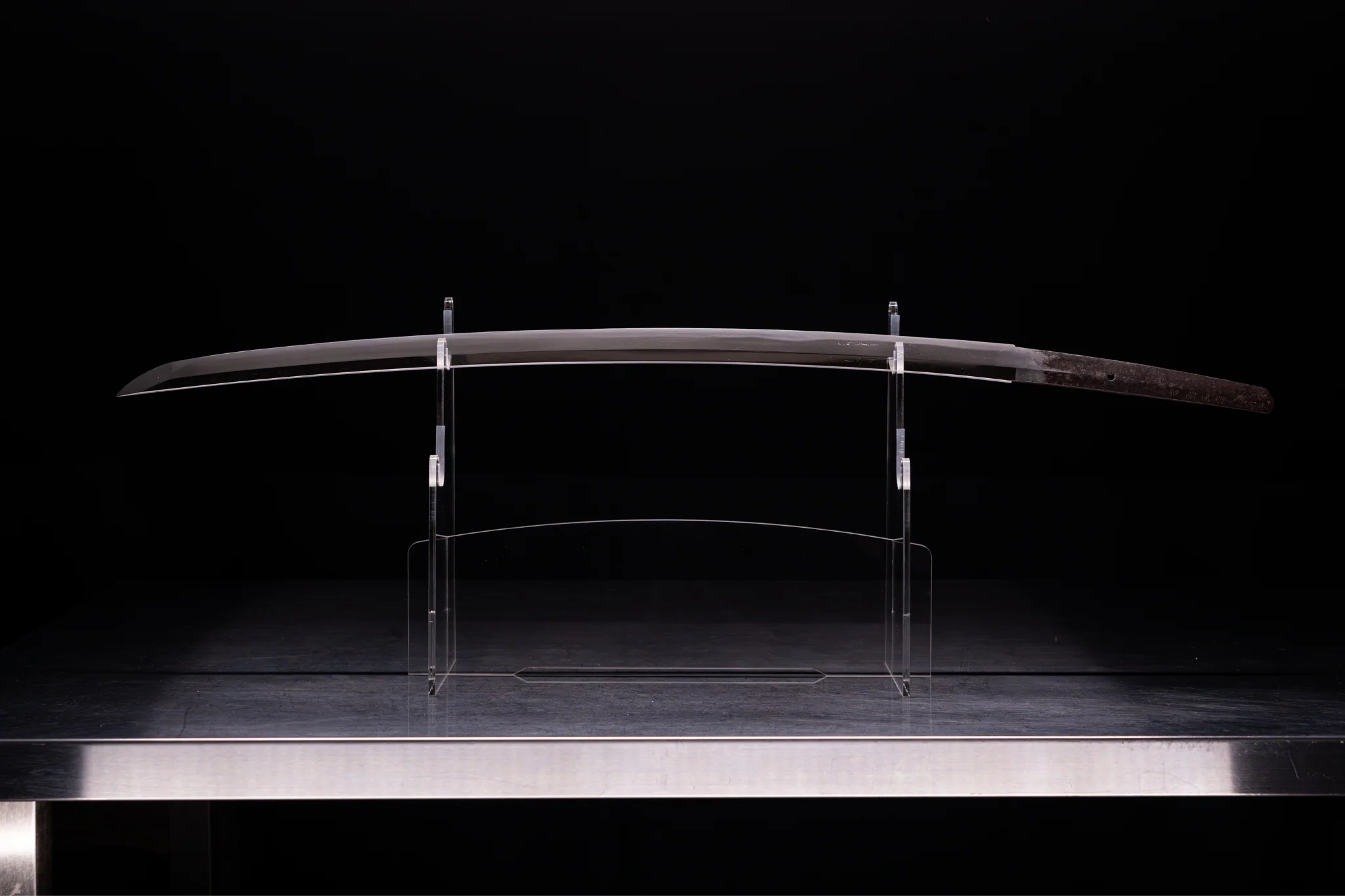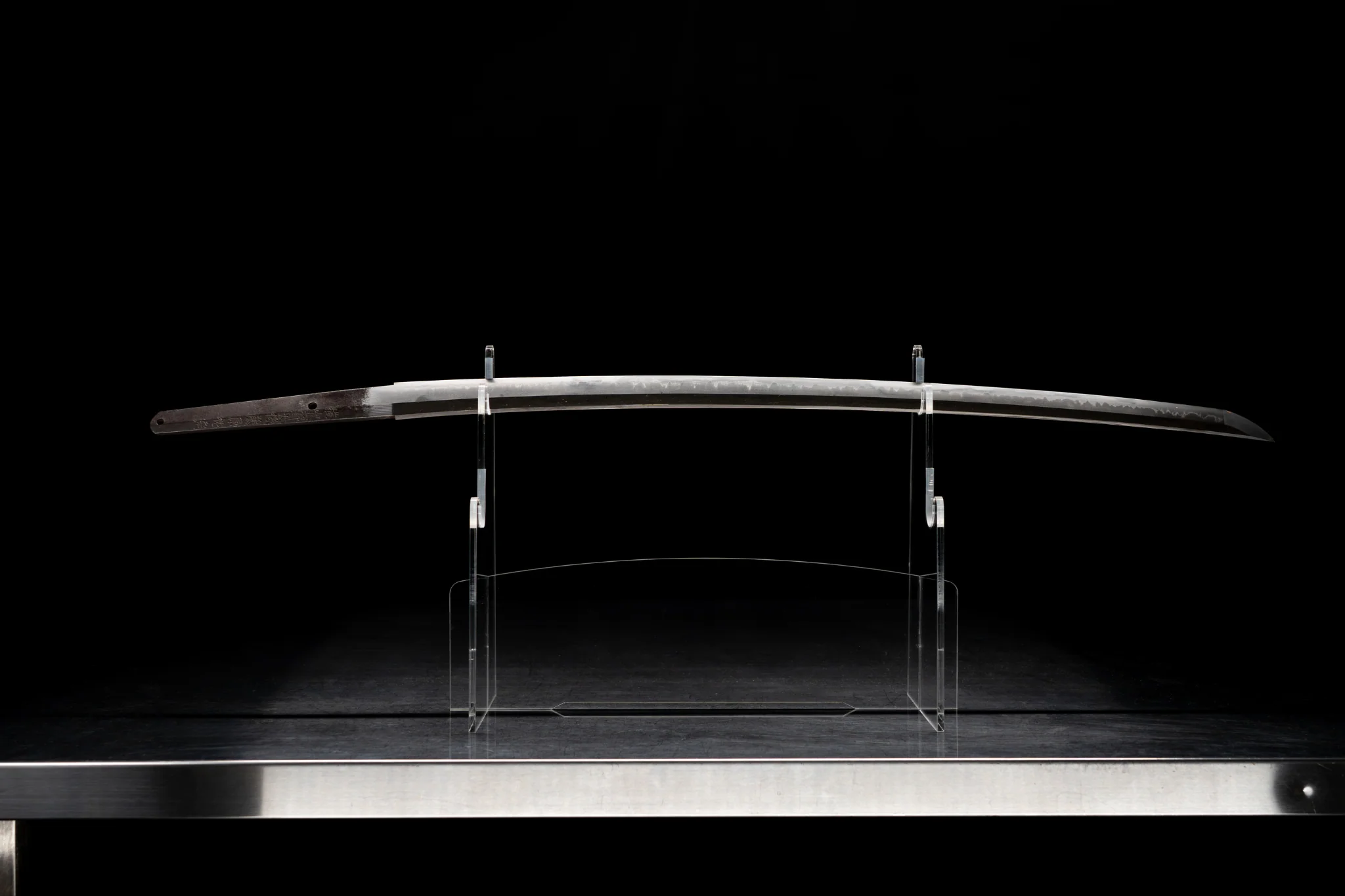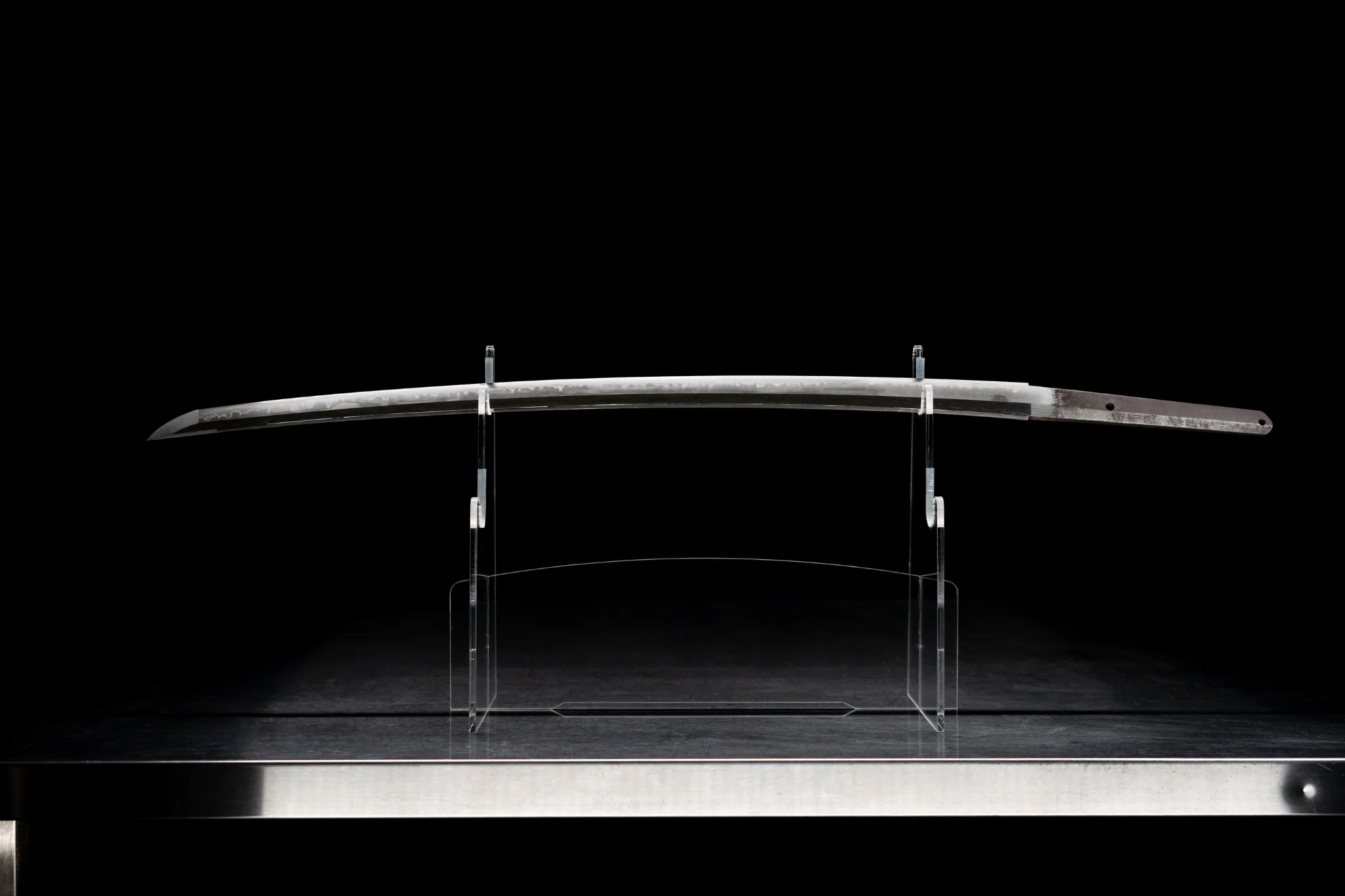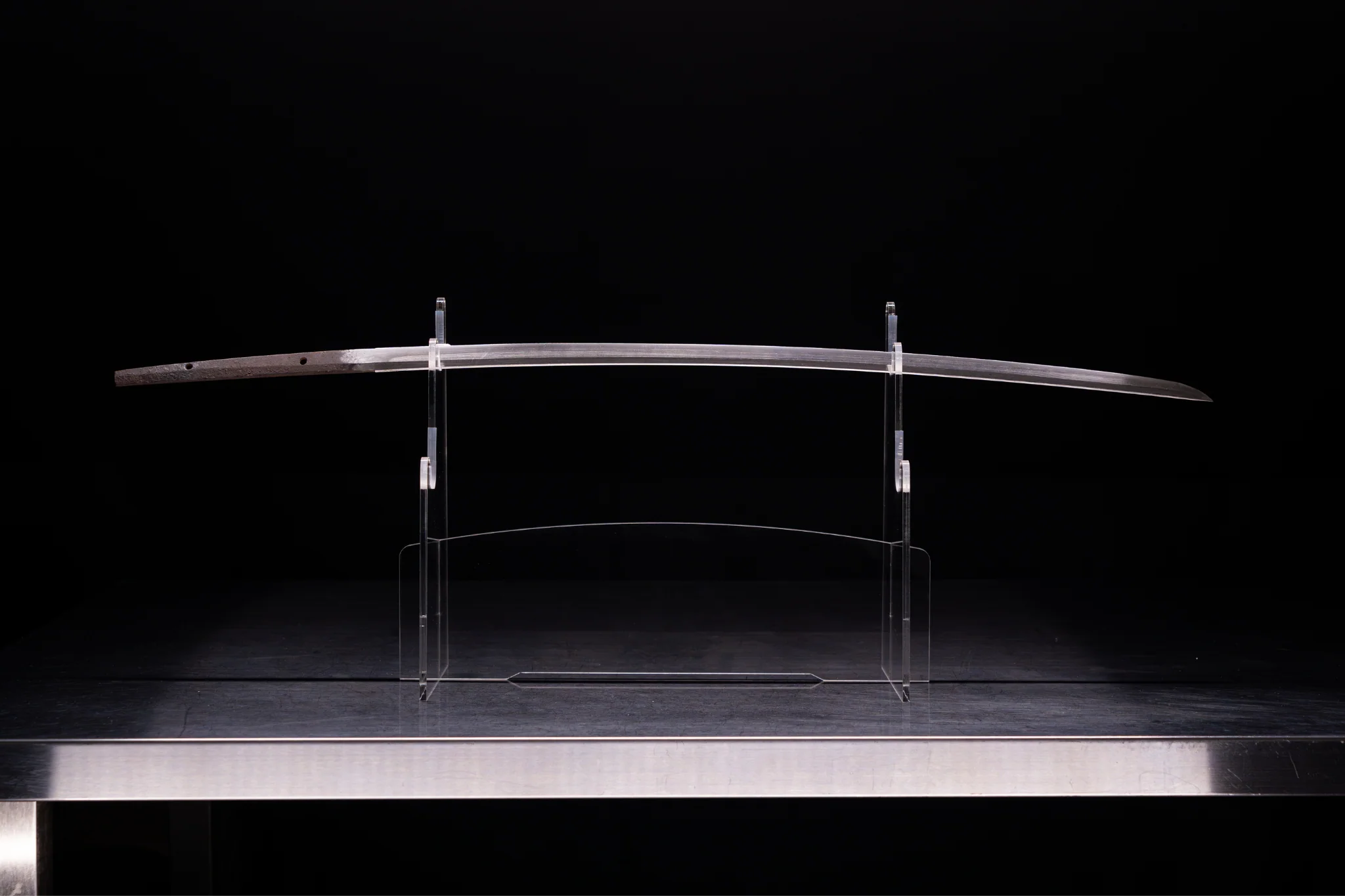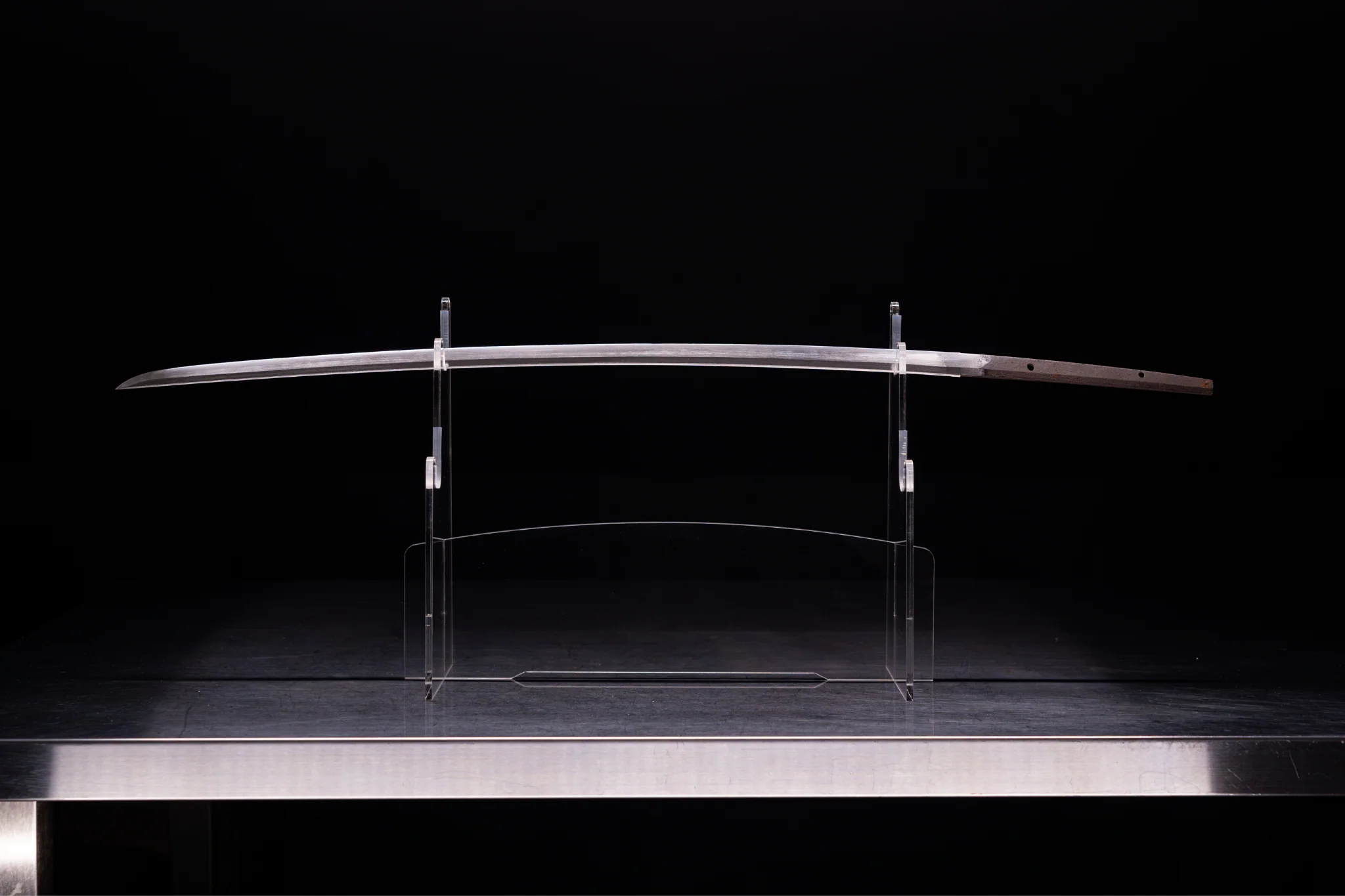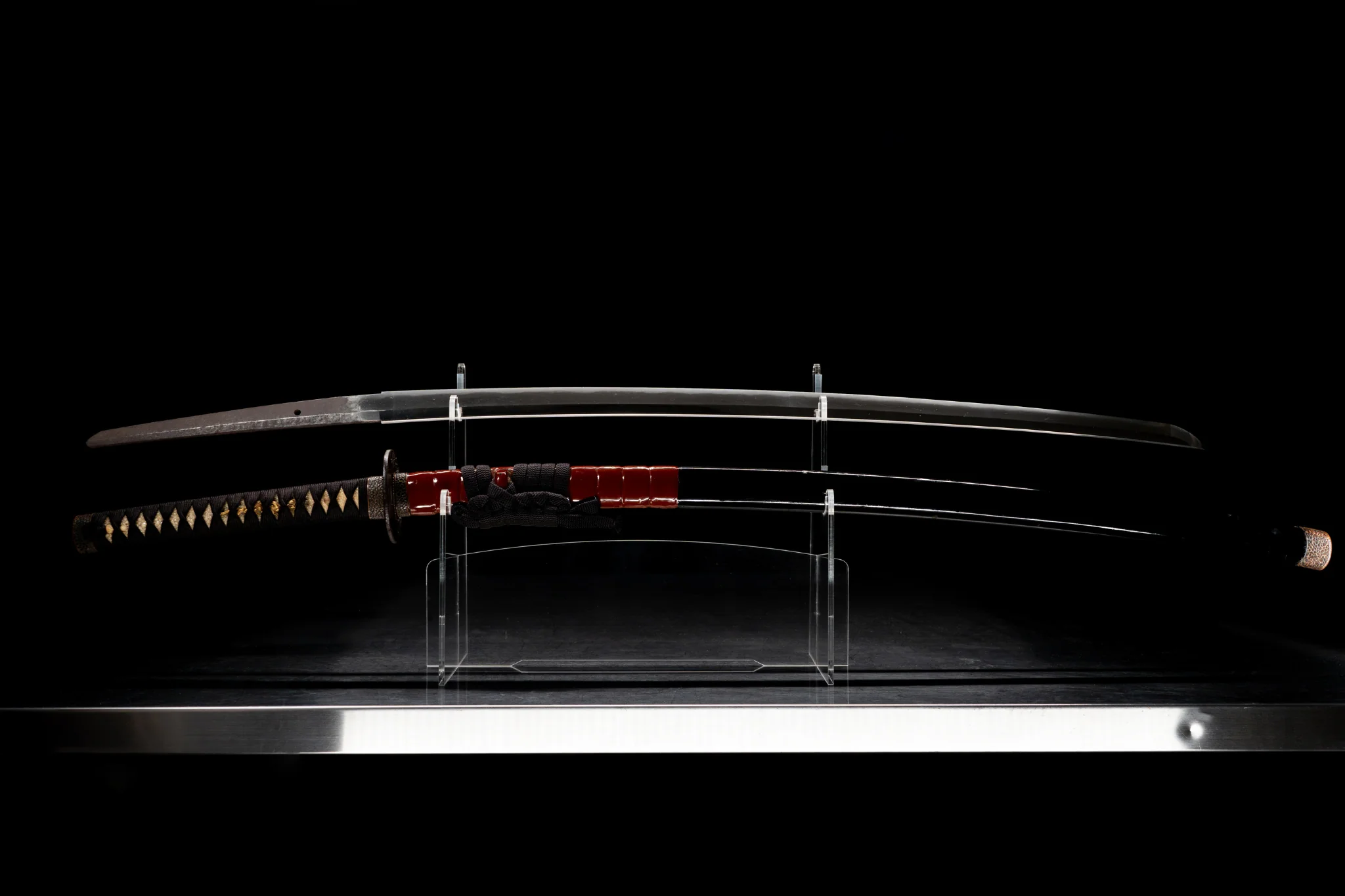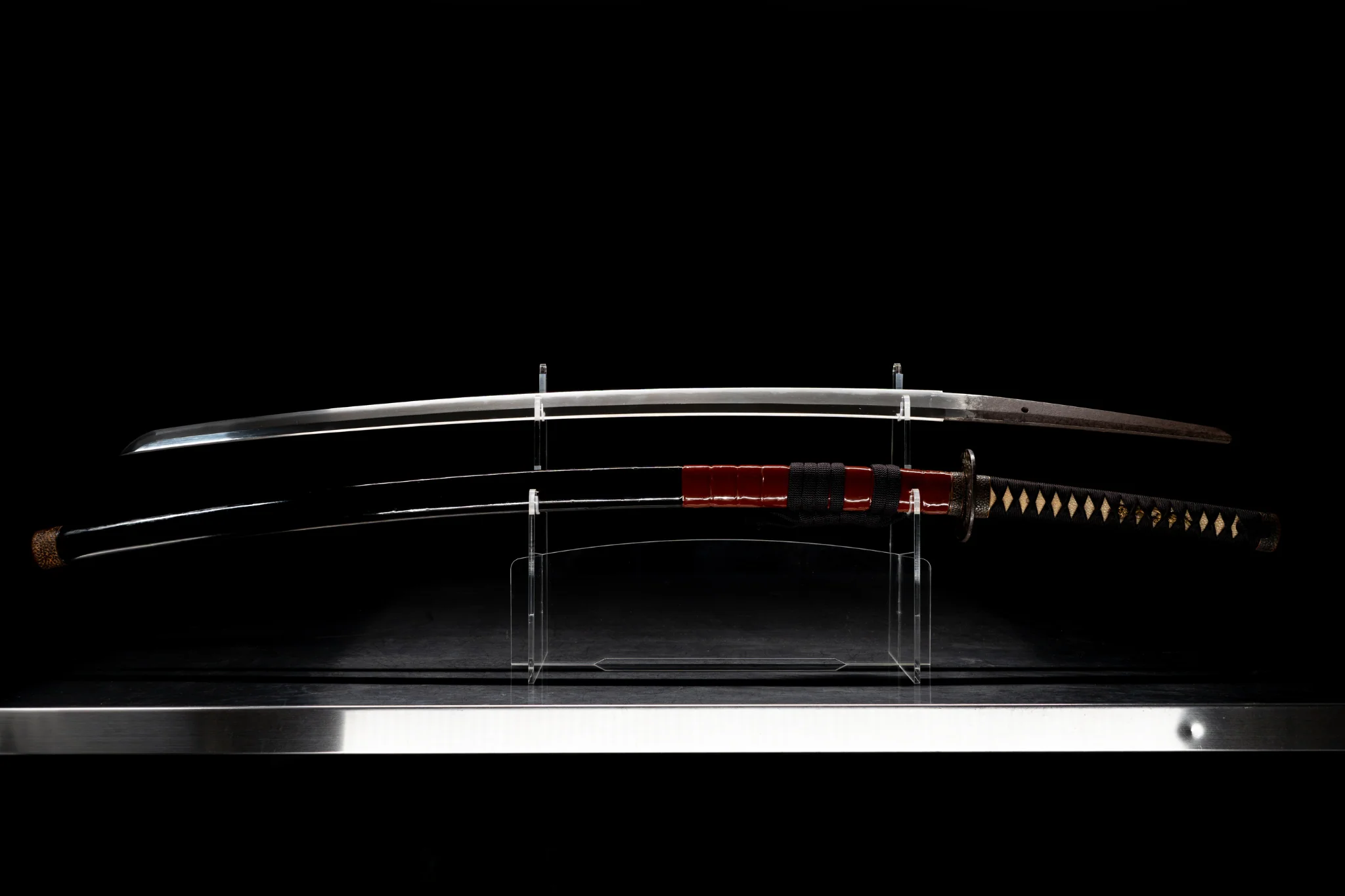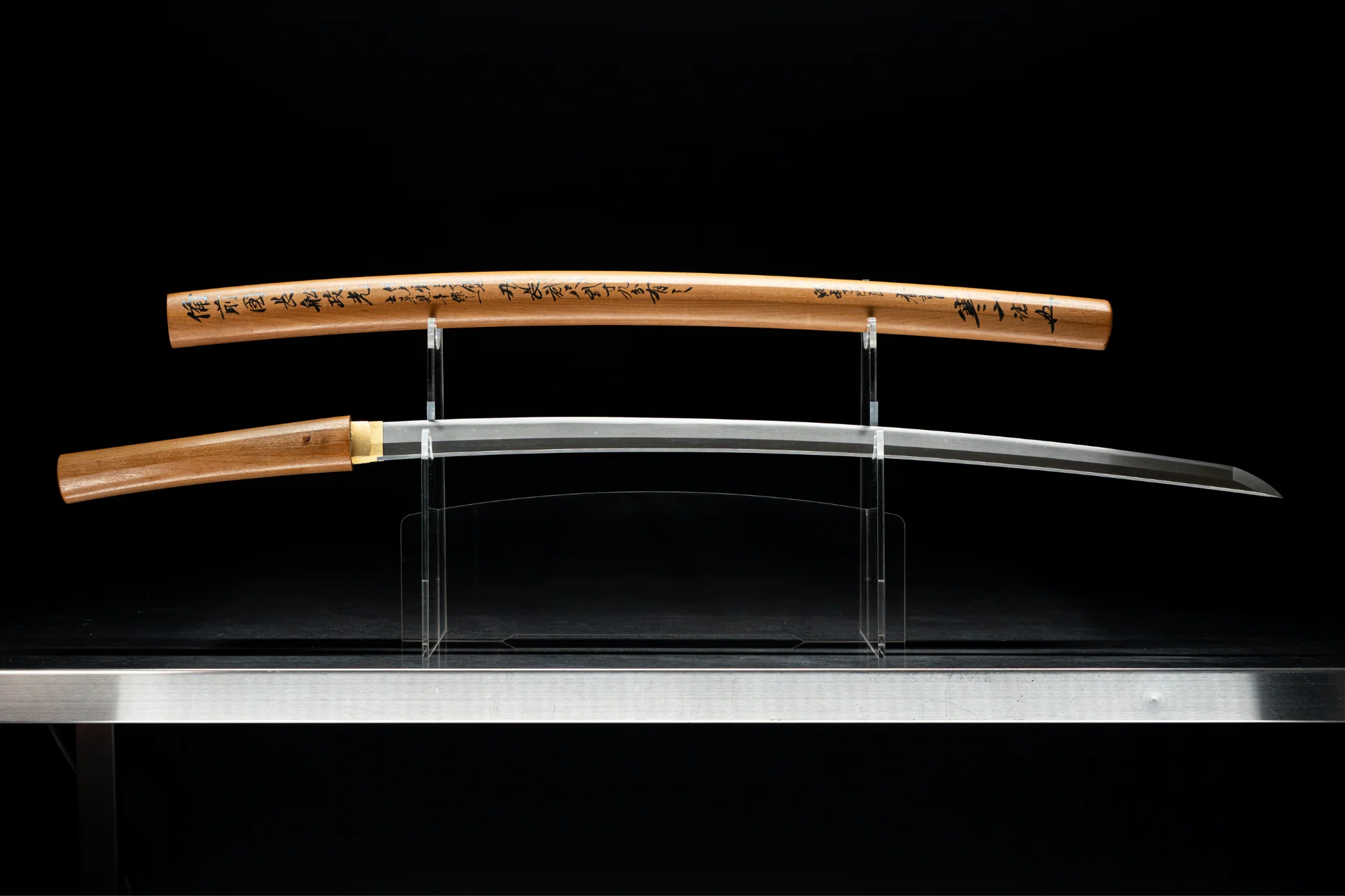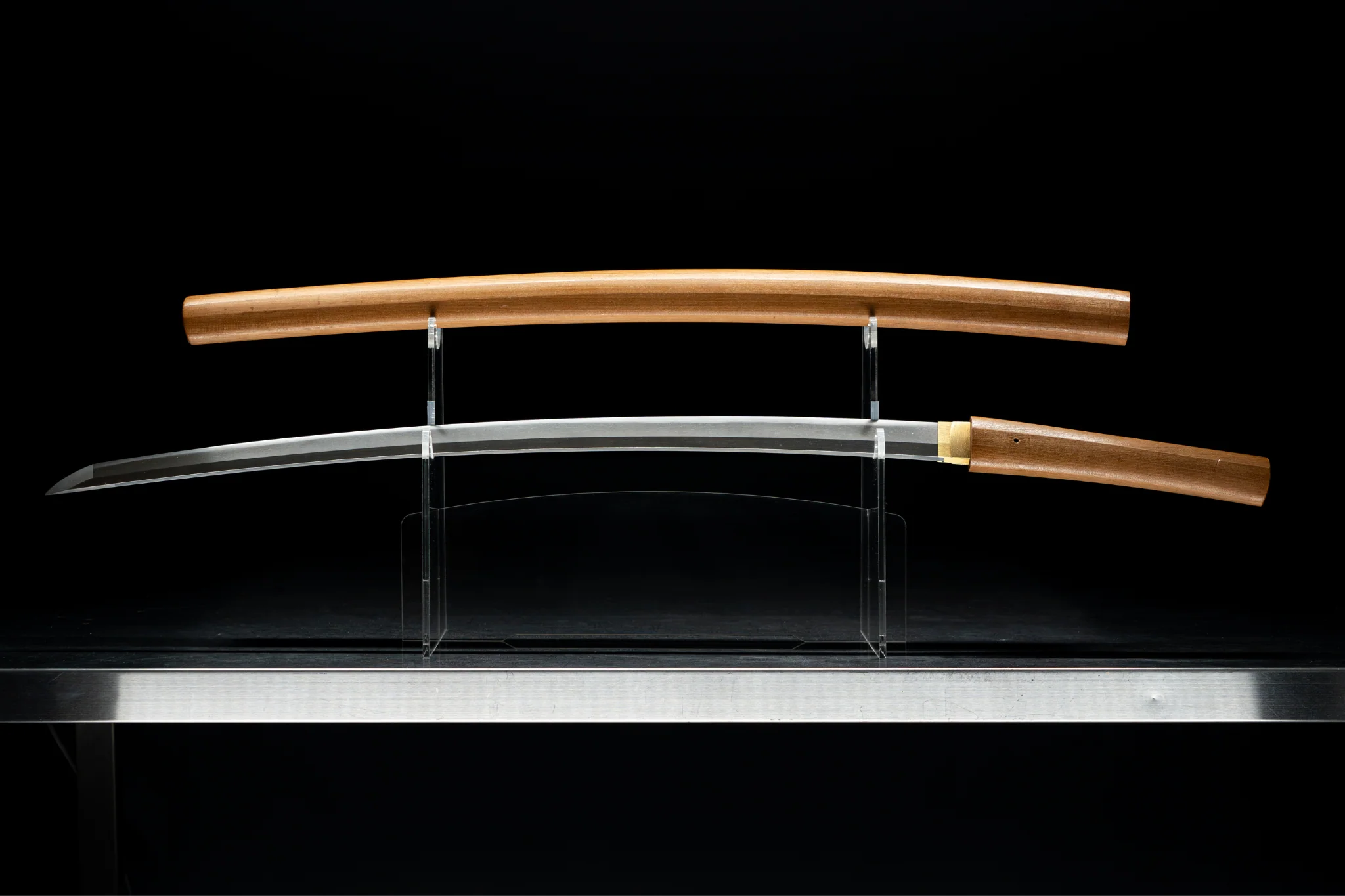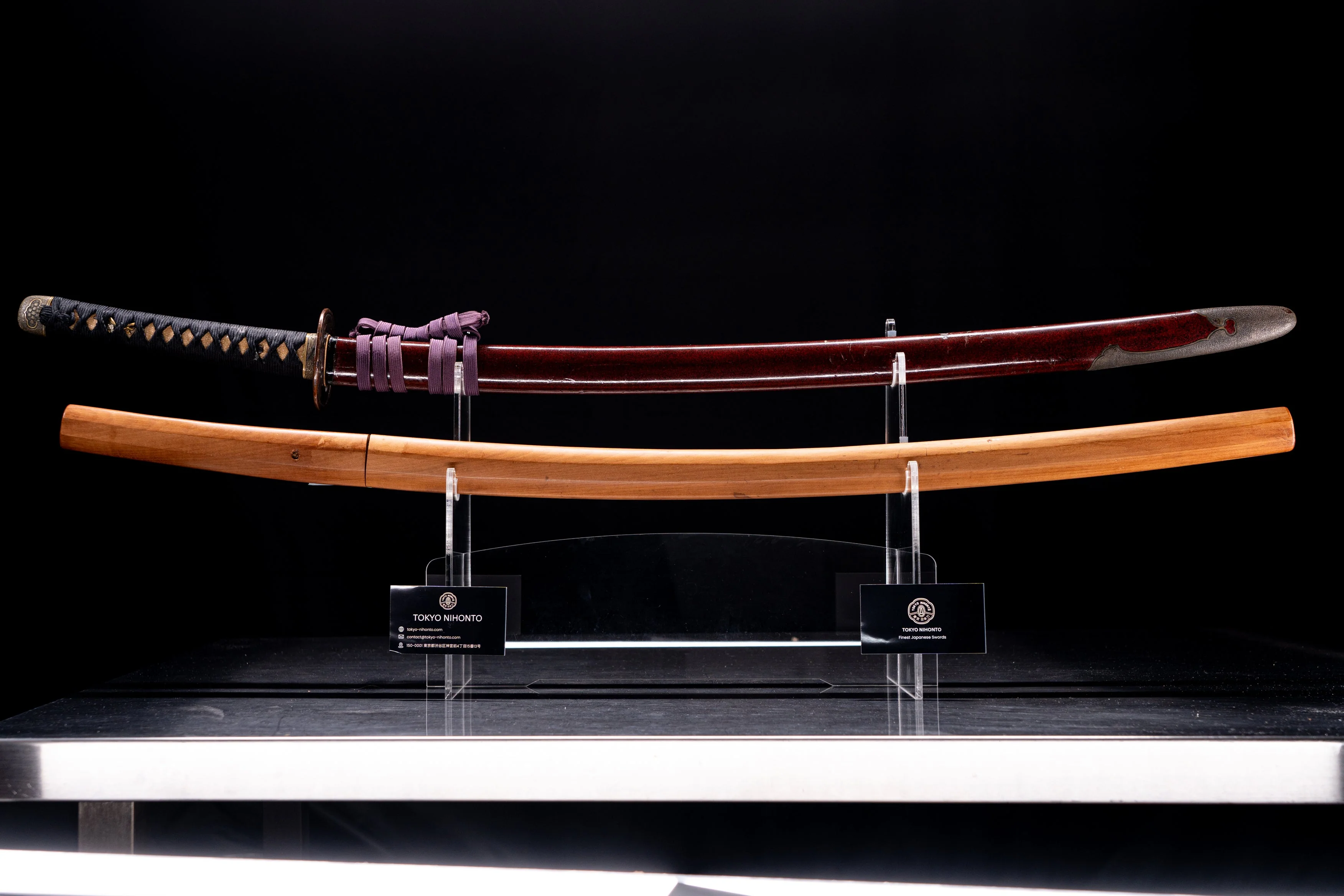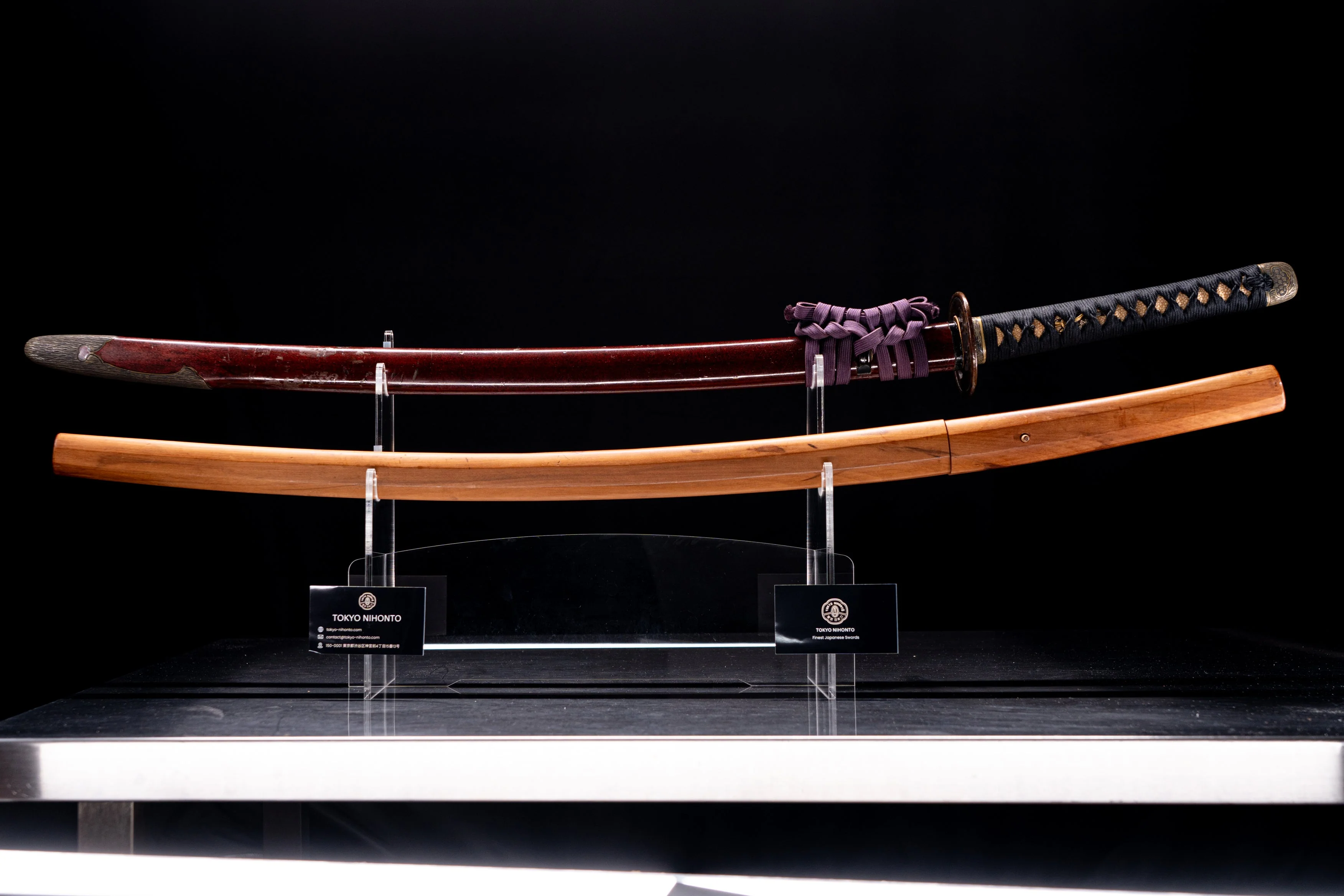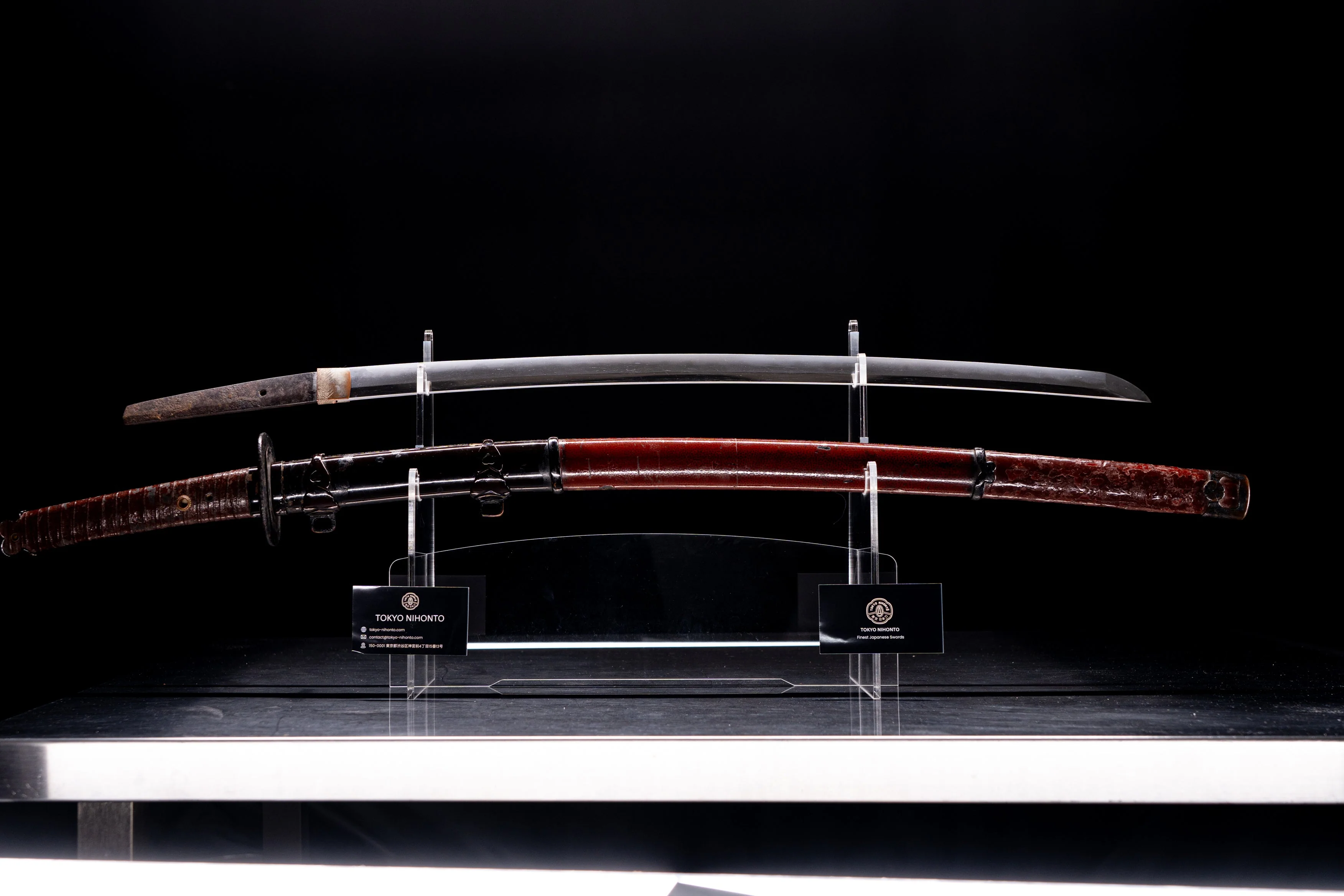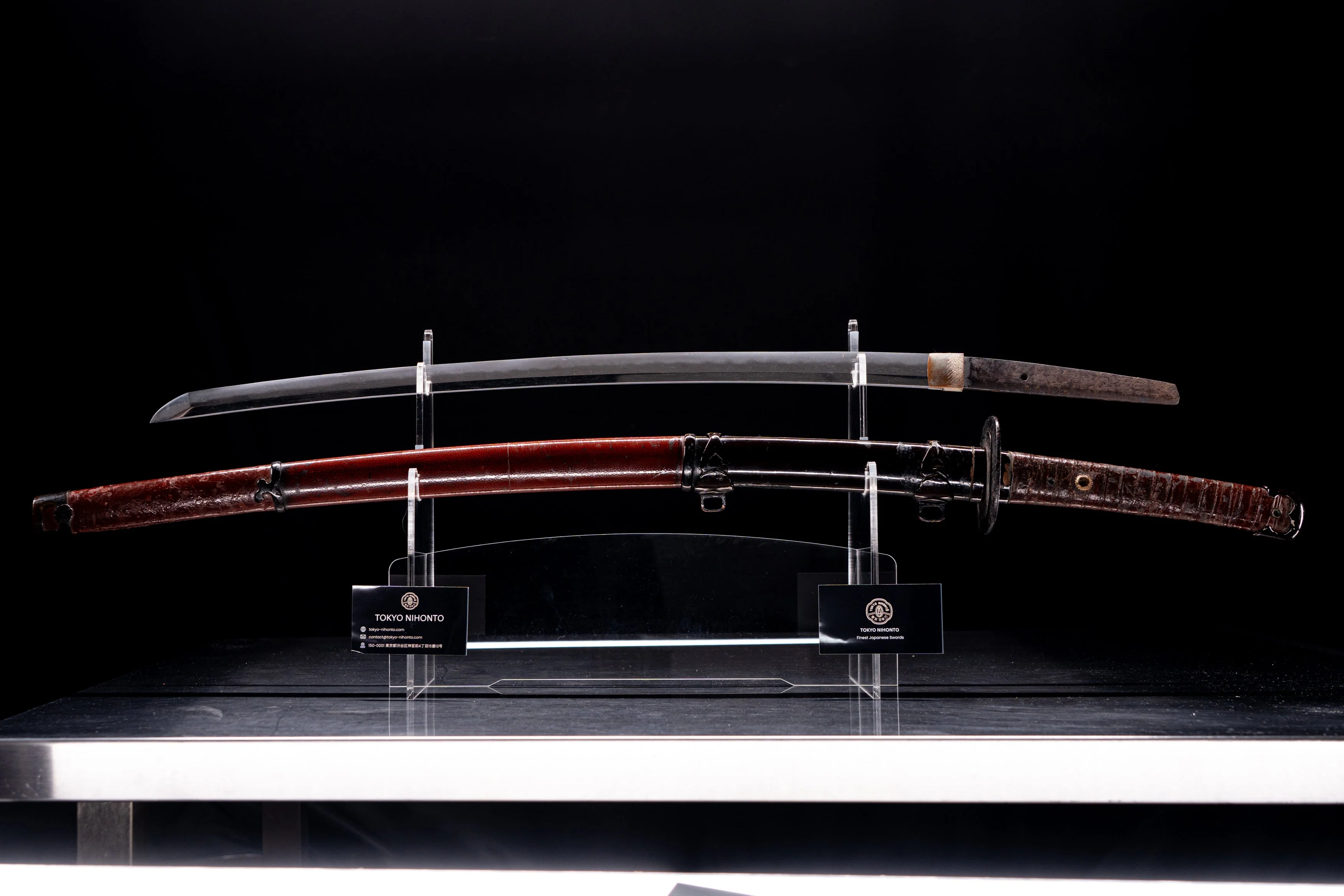
Antique Japanese Sword Katana Fujiwara Masahiro
- Period: Early Edo (1658-1673)
- Certification: Tokubetsu Kicho token certificate
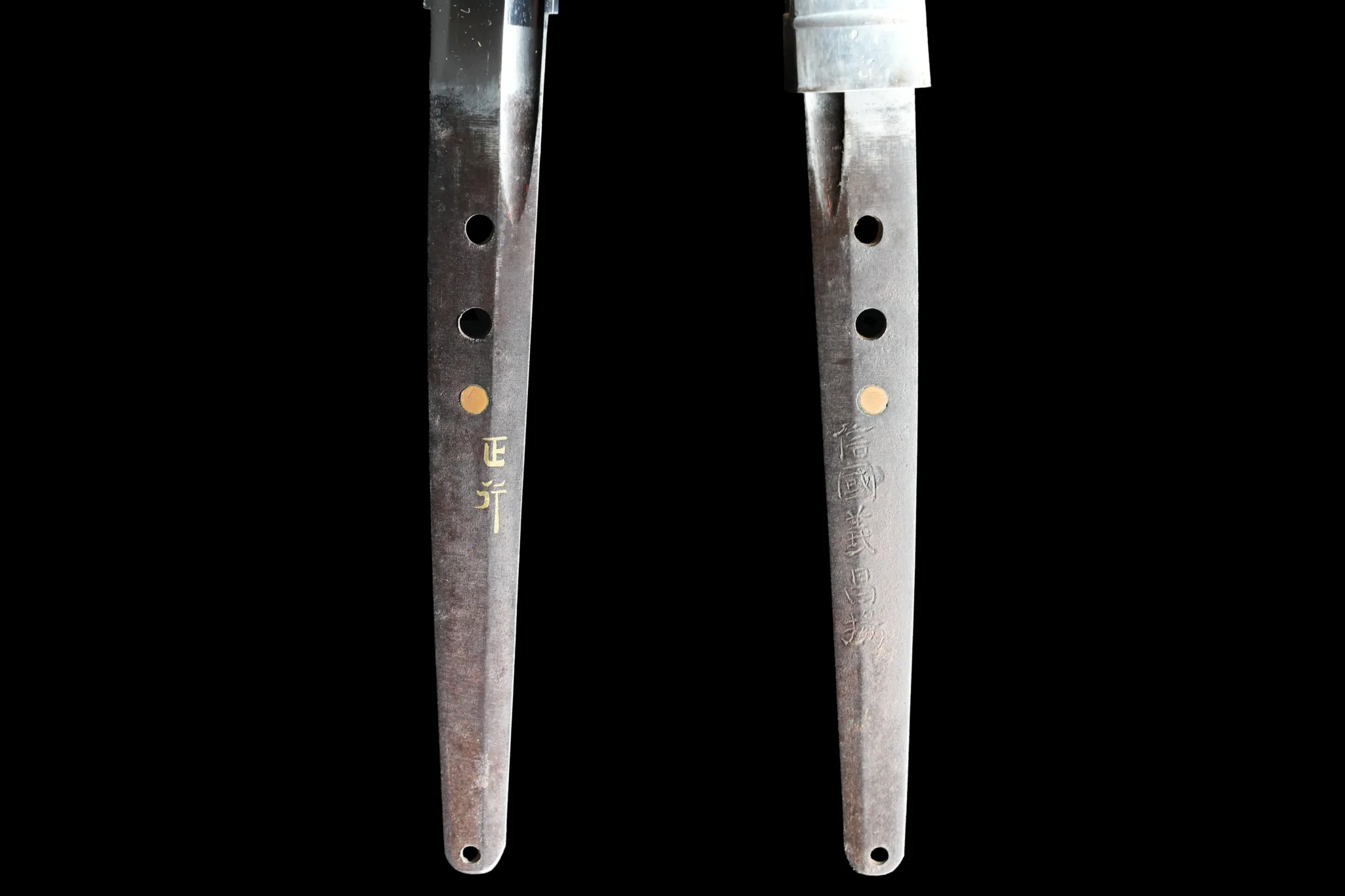
- Inscription: Hizenkoku Kawachi no kami Fujiwara Masahiro
-
Size:
- Blade Length: 71.0 cm
- Motohaba (Base Width): 3.1 cm
- Sakihaba (Tip Width): 2.1 cm
- Motokasane (Base Thickness): 0.8 cm
- Sakikasane (Tip Thickness): 0.6 cm
- Weight: 764 g
Features:
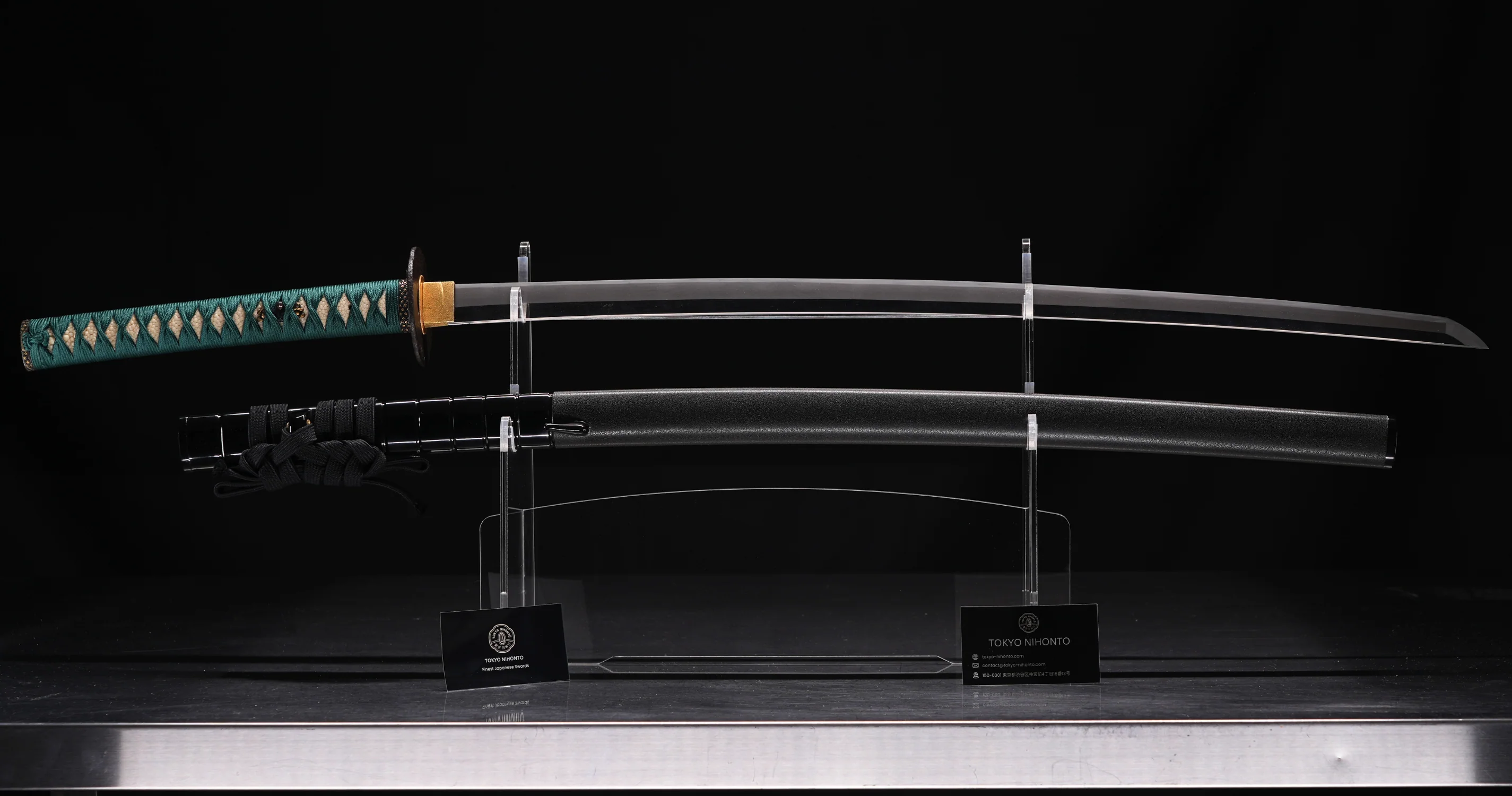
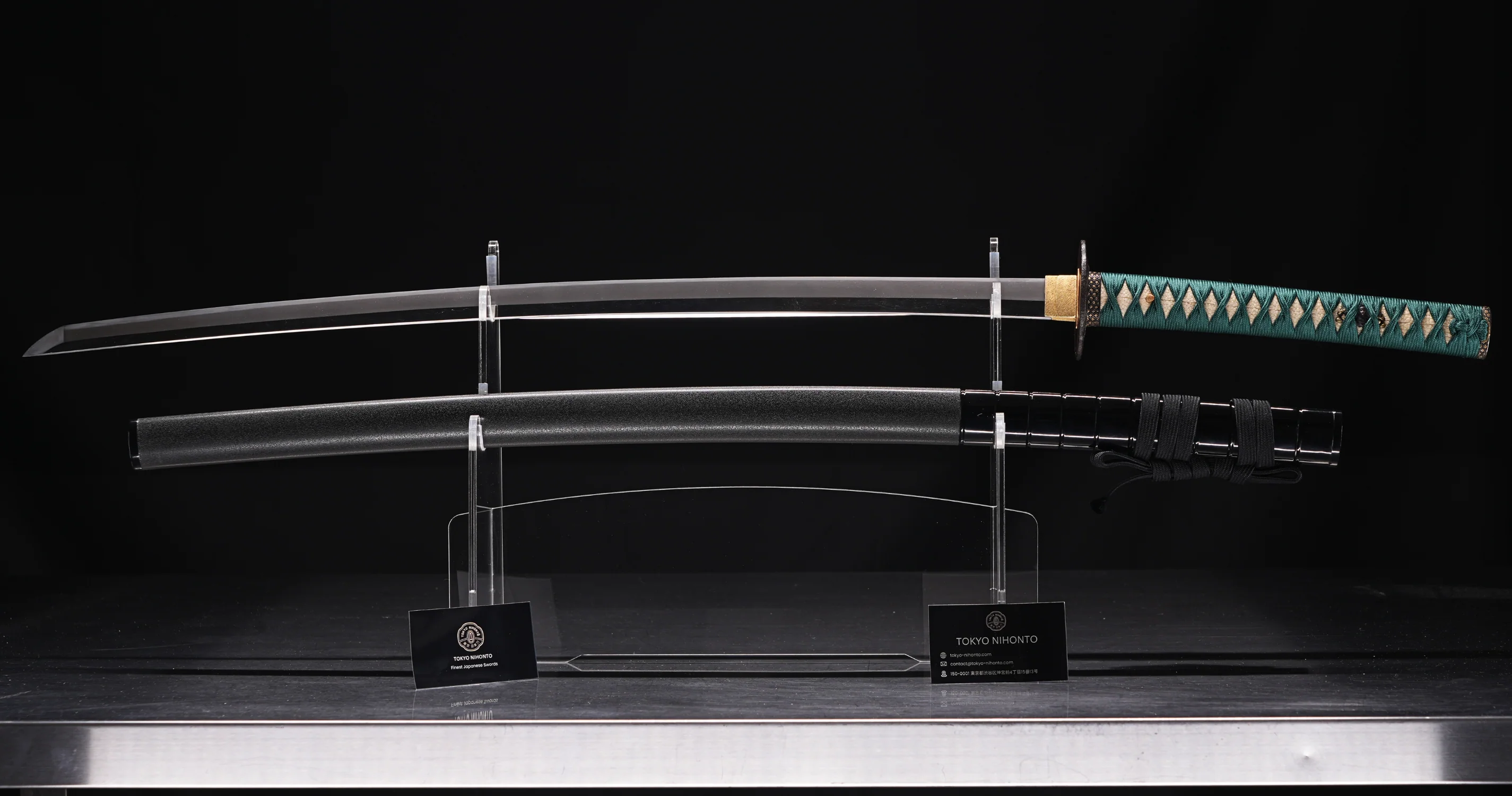
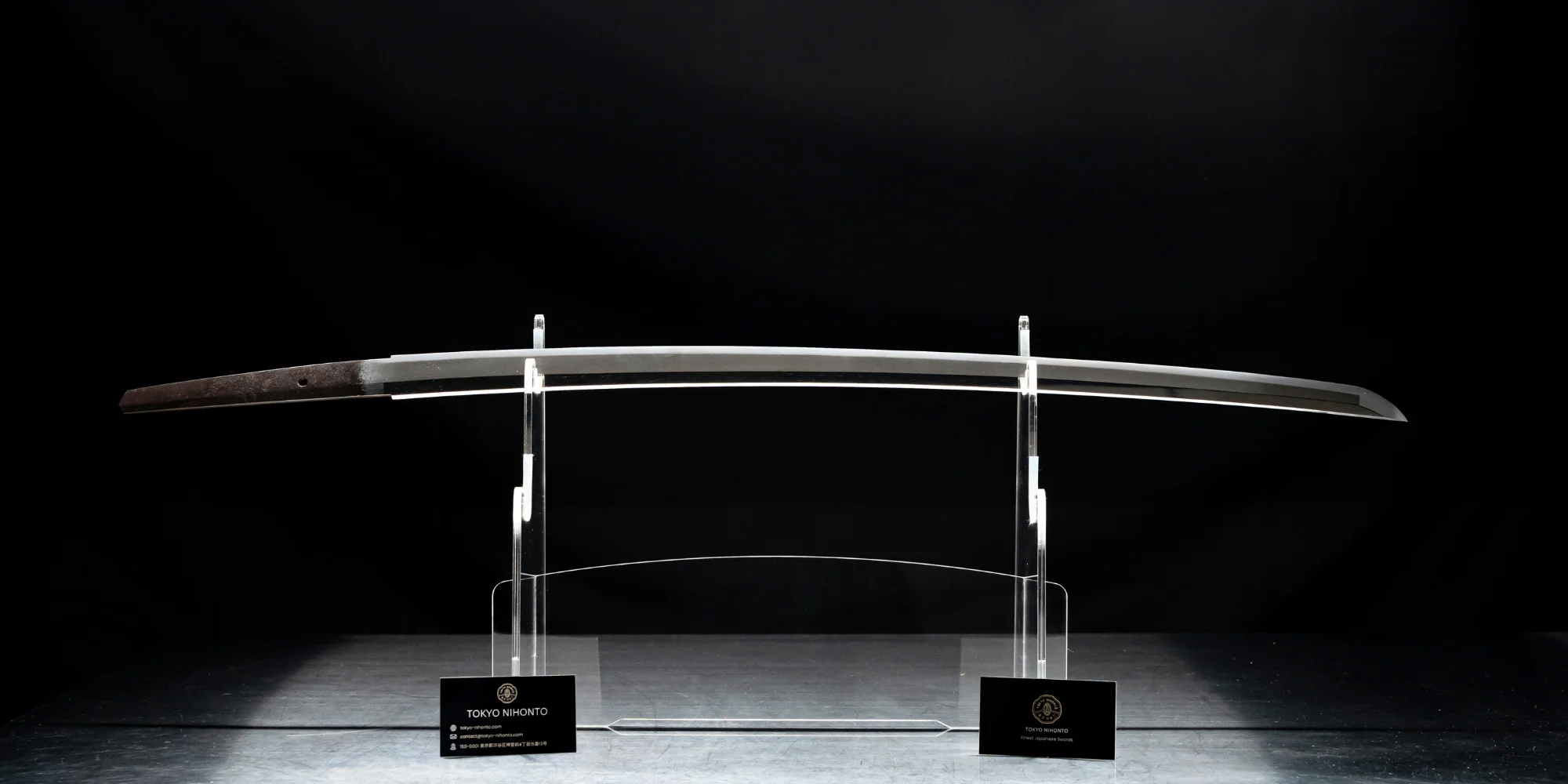
- Sugata: Slight curve, shinogi-zukuri, iorimune
- Kissaki: Ko-kissaki, round with thick return
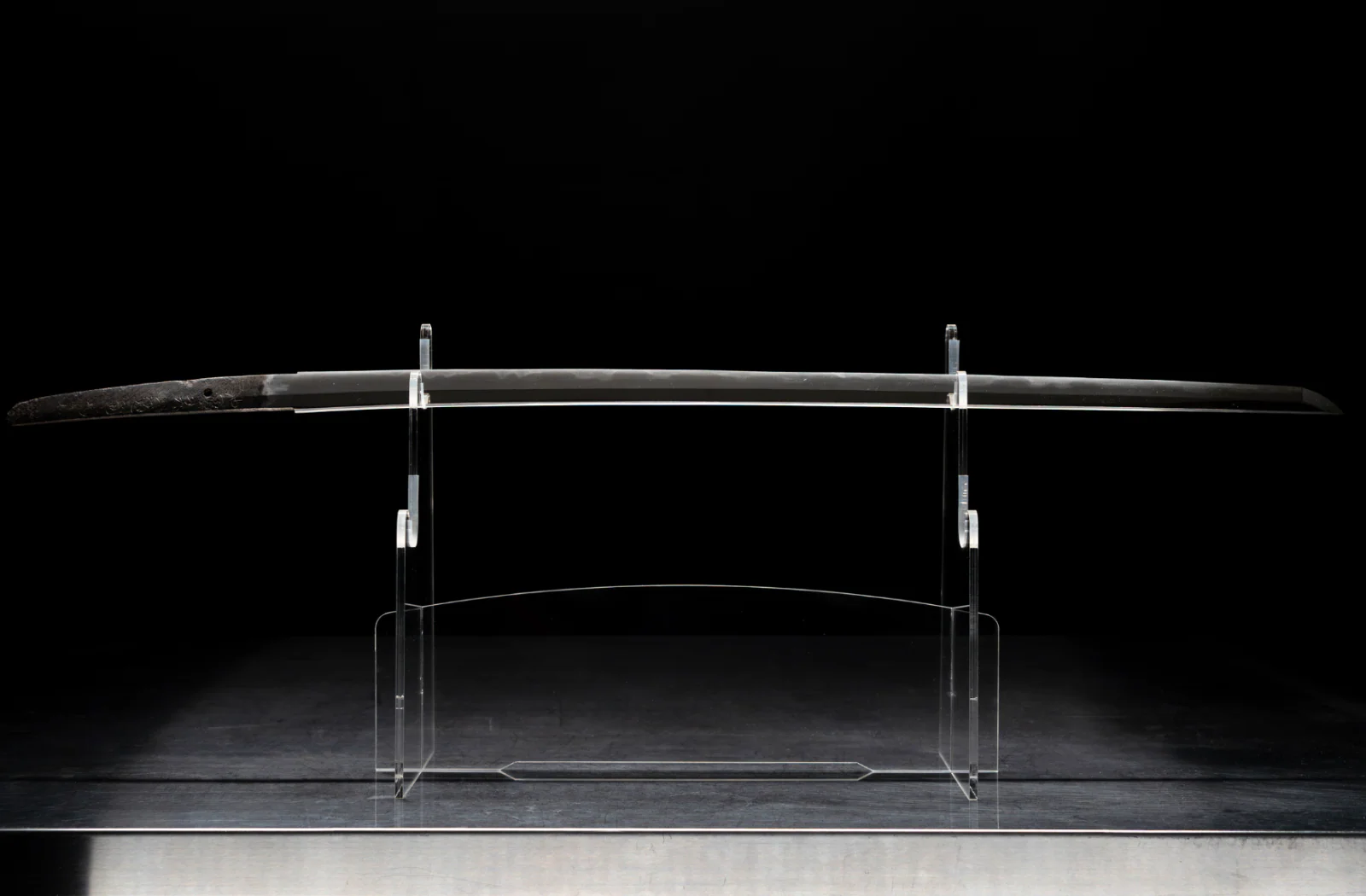
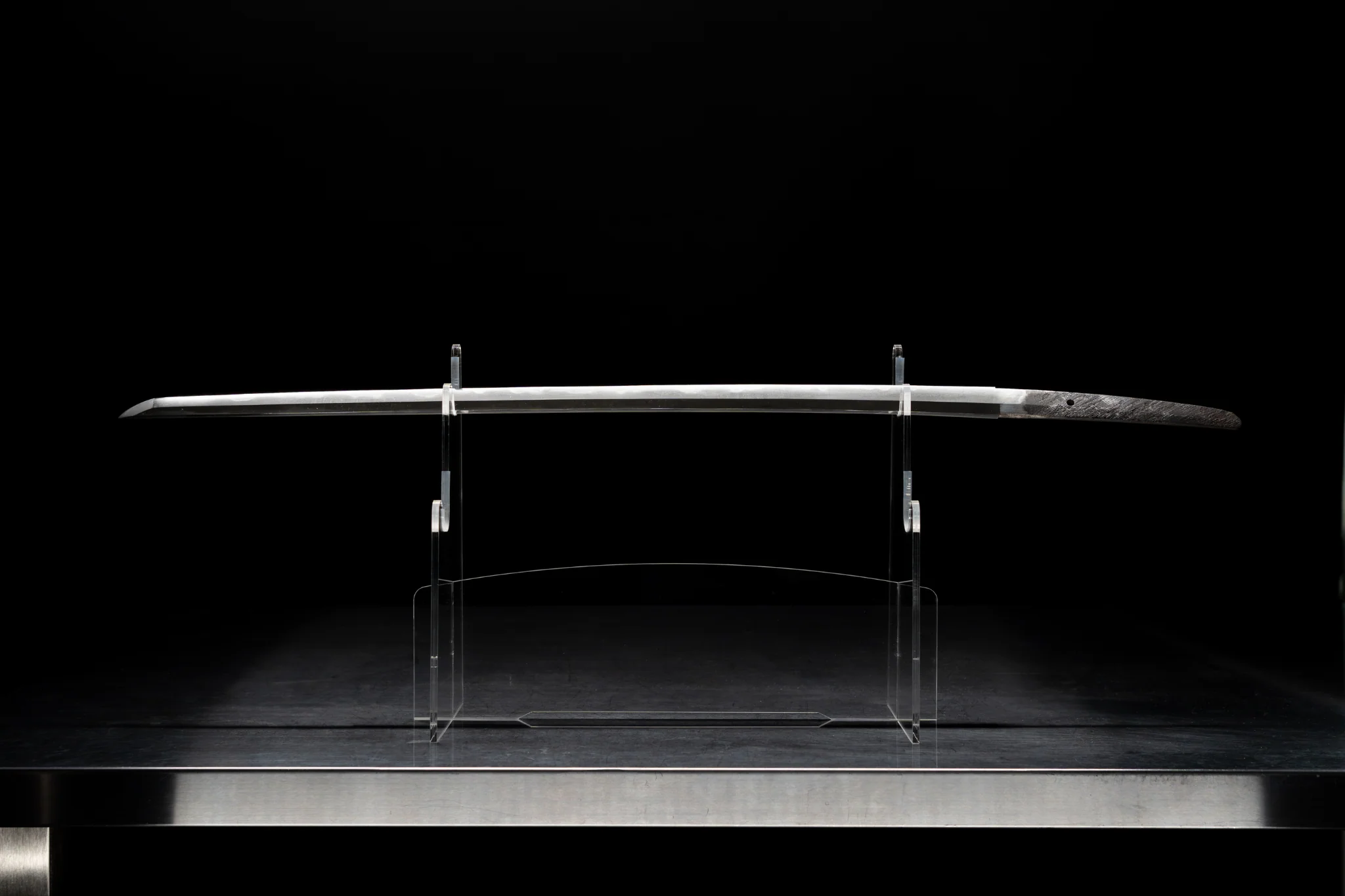
- Hamon: Chu-suguha with good nioiguchi and bright nioi line
- Jihada: Ko-itame hada, well-grained with ji-nie and visible chikei
History & Background:
The blade is a creation of the illustrious second-generation Masahiro from Hizenkoku. This region, situated in present-day Saga prefecture, became a notable hub for sword craftsmanship, primarily due to the pioneering efforts of Tadayoshi, Masahiro's great-grandfather, at the beginning of the Edo period. Tadayoshi's name stands tall in Japanese sword history, revered as one of the paramount swordsmiths of the early Edo period.
Masahiro II was born in the fourth year of the Kan-Ei era (1626), proudly continuing his family's legacy. Before adopting the title "Kawachi no Kami" in 1665, after the death of his father, the first-generation Masahiro, he was previously known by the titles Musashi Daijyo in 1660, which he changed to Musashi no Kami the following year. His life journey culminated at the age of 73 in the 12th year of the Genroku era (1699).
Both Masahiro I and II held significant roles in the Hizen region. The first-generation began his service to Nabeshima Katsushige at the tender age of 17, a relationship solidified when Katsushige assumed leadership of the Saga Domain in Hizen in 1607. Masahiro I was chosen as the 'Okakae Kaji' for the Nabeshima clan, a prestigious role translating to the exclusive swordsmith for the feudal family. His son, the artisan behind this very blade, continued this tradition of exclusivity.
The Nabeshima clan, rulers of Hizenkoku during the Edo period, commanded significant influence, emphasizing the high regard in which Masahiro's craftsmanship was held. In this thriving environment, under the protective wing of the Nabeshima clan, swordsmiths like Masahiro II produced the renowned Hizen To blades. These swords, with their distinct jigane patterns, were the result of adeptly mixing and forging western carbon steel — a testament to Hizenkoku's flourishing international trade and its advantageous geographical positioning for importing this material.
Product Information
Product Information
Shipping & Returns
Shipping & Returns
Description
- Period: Early Edo (1658-1673)
- Certification: Tokubetsu Kicho token certificate
- Inscription: Hizenkoku Kawachi no kami Fujiwara Masahiro
-
Size:
- Blade Length: 71.0 cm
- Motohaba (Base Width): 3.1 cm
- Sakihaba (Tip Width): 2.1 cm
- Motokasane (Base Thickness): 0.8 cm
- Sakikasane (Tip Thickness): 0.6 cm
- Weight: 764 g
Features:
- Sugata: Slight curve, shinogi-zukuri, iorimune
- Kissaki: Ko-kissaki, round with thick return
- Hamon: Chu-suguha with good nioiguchi and bright nioi line
- Jihada: Ko-itame hada, well-grained with ji-nie and visible chikei
History & Background:
The blade is a creation of the illustrious second-generation Masahiro from Hizenkoku. This region, situated in present-day Saga prefecture, became a notable hub for sword craftsmanship, primarily due to the pioneering efforts of Tadayoshi, Masahiro's great-grandfather, at the beginning of the Edo period. Tadayoshi's name stands tall in Japanese sword history, revered as one of the paramount swordsmiths of the early Edo period.
Masahiro II was born in the fourth year of the Kan-Ei era (1626), proudly continuing his family's legacy. Before adopting the title "Kawachi no Kami" in 1665, after the death of his father, the first-generation Masahiro, he was previously known by the titles Musashi Daijyo in 1660, which he changed to Musashi no Kami the following year. His life journey culminated at the age of 73 in the 12th year of the Genroku era (1699).
Both Masahiro I and II held significant roles in the Hizen region. The first-generation began his service to Nabeshima Katsushige at the tender age of 17, a relationship solidified when Katsushige assumed leadership of the Saga Domain in Hizen in 1607. Masahiro I was chosen as the 'Okakae Kaji' for the Nabeshima clan, a prestigious role translating to the exclusive swordsmith for the feudal family. His son, the artisan behind this very blade, continued this tradition of exclusivity.
The Nabeshima clan, rulers of Hizenkoku during the Edo period, commanded significant influence, emphasizing the high regard in which Masahiro's craftsmanship was held. In this thriving environment, under the protective wing of the Nabeshima clan, swordsmiths like Masahiro II produced the renowned Hizen To blades. These swords, with their distinct jigane patterns, were the result of adeptly mixing and forging western carbon steel — a testament to Hizenkoku's flourishing international trade and its advantageous geographical positioning for importing this material.