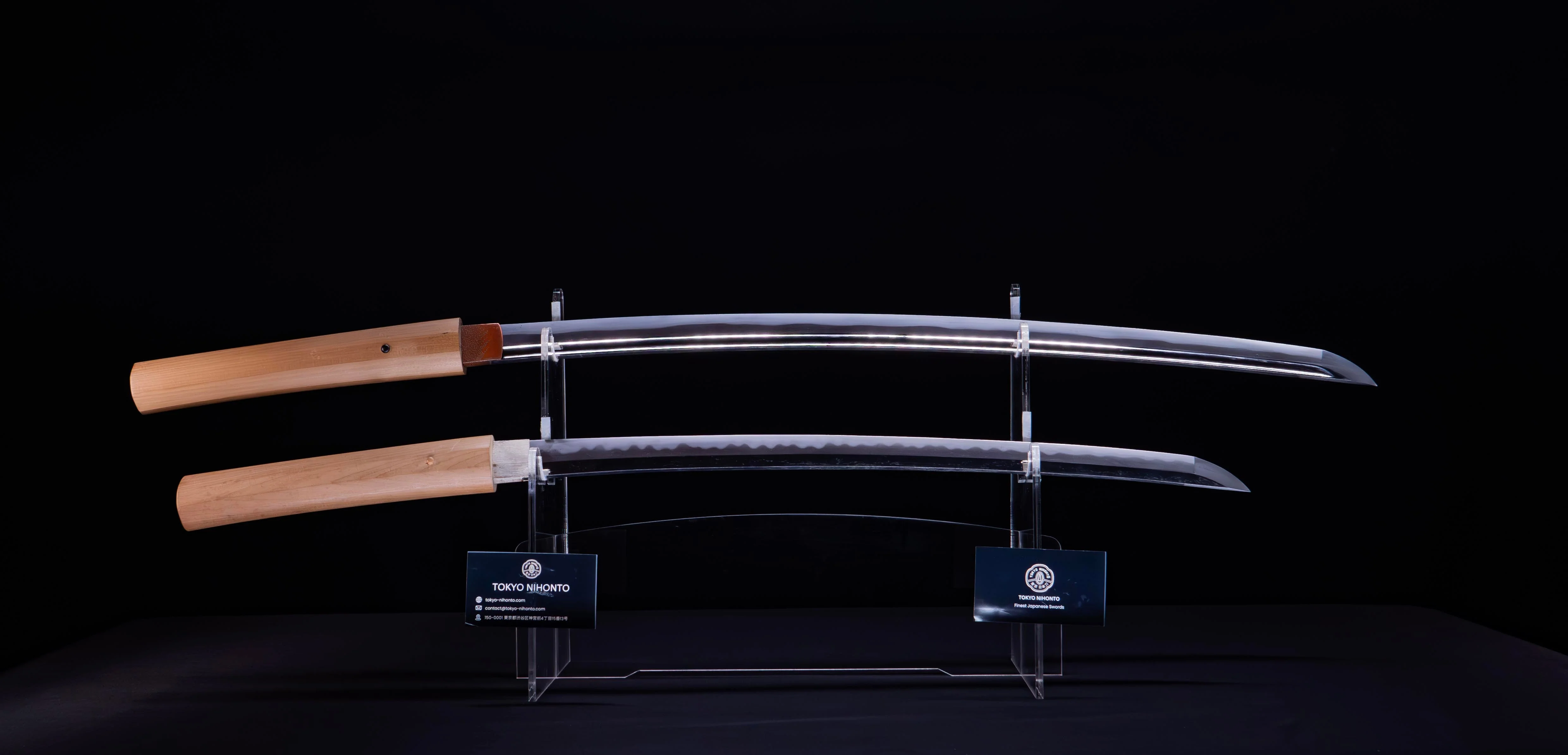
Antique Japanese Daisho - Takada School - Double HOZON
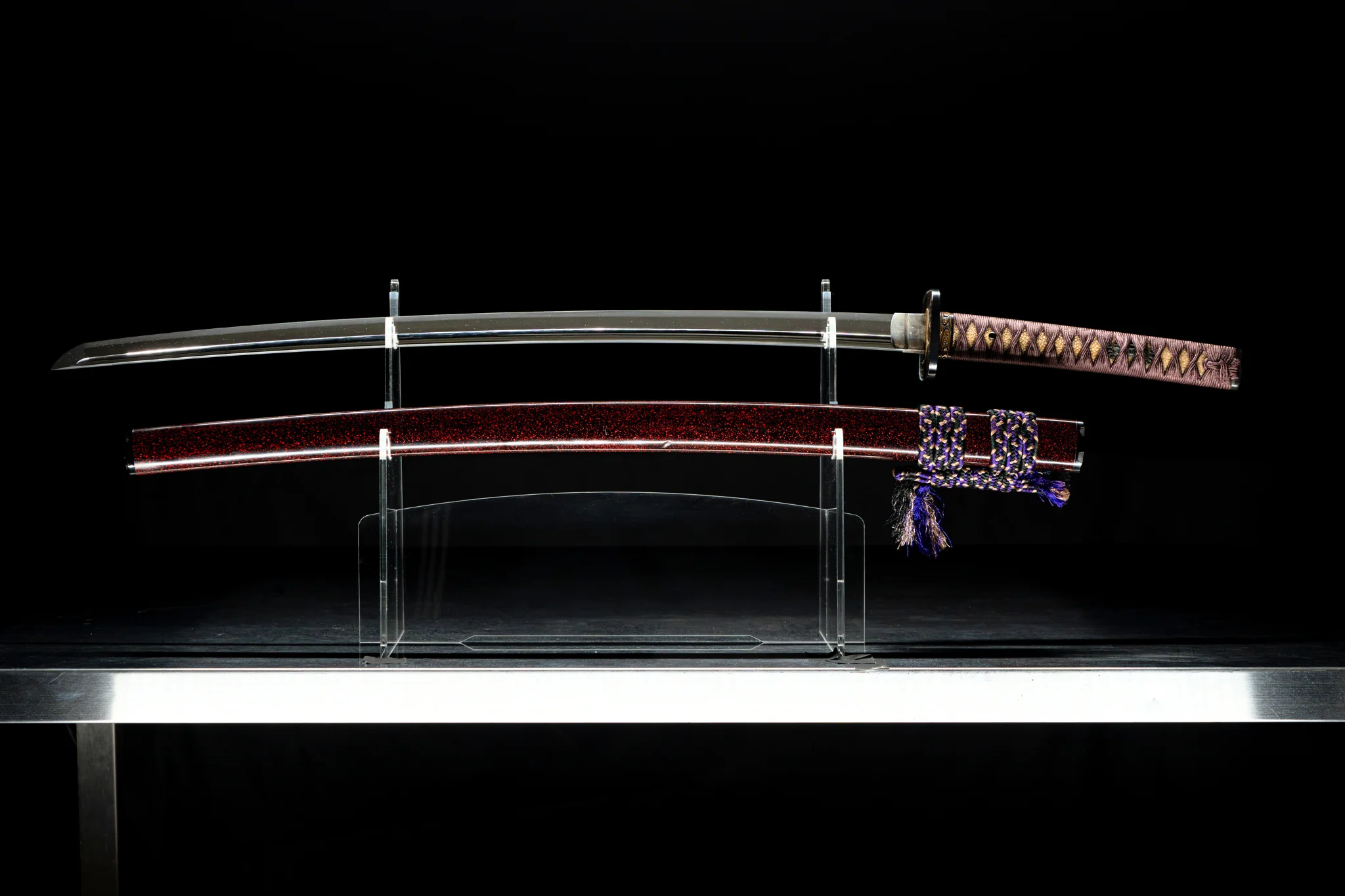
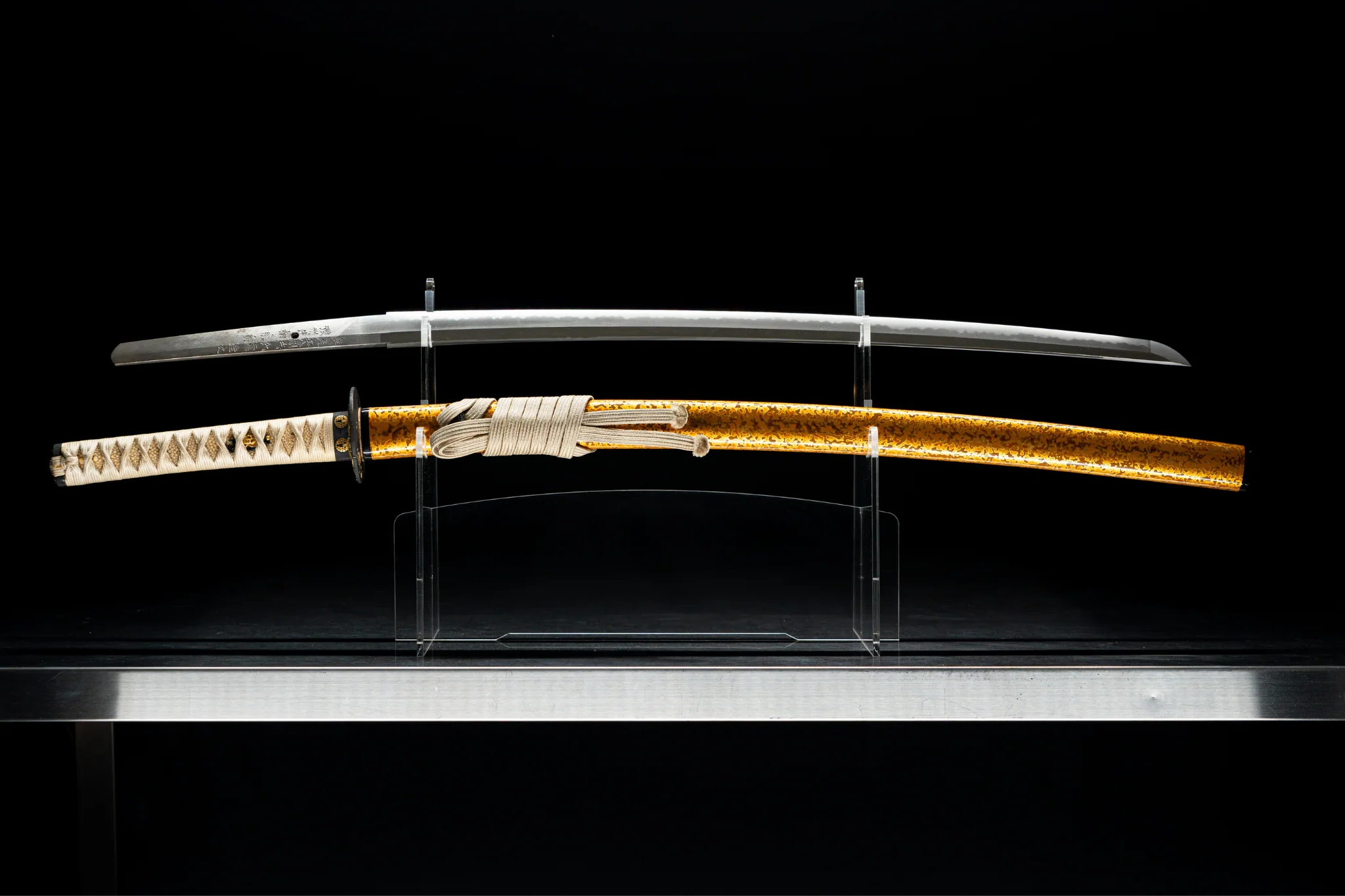
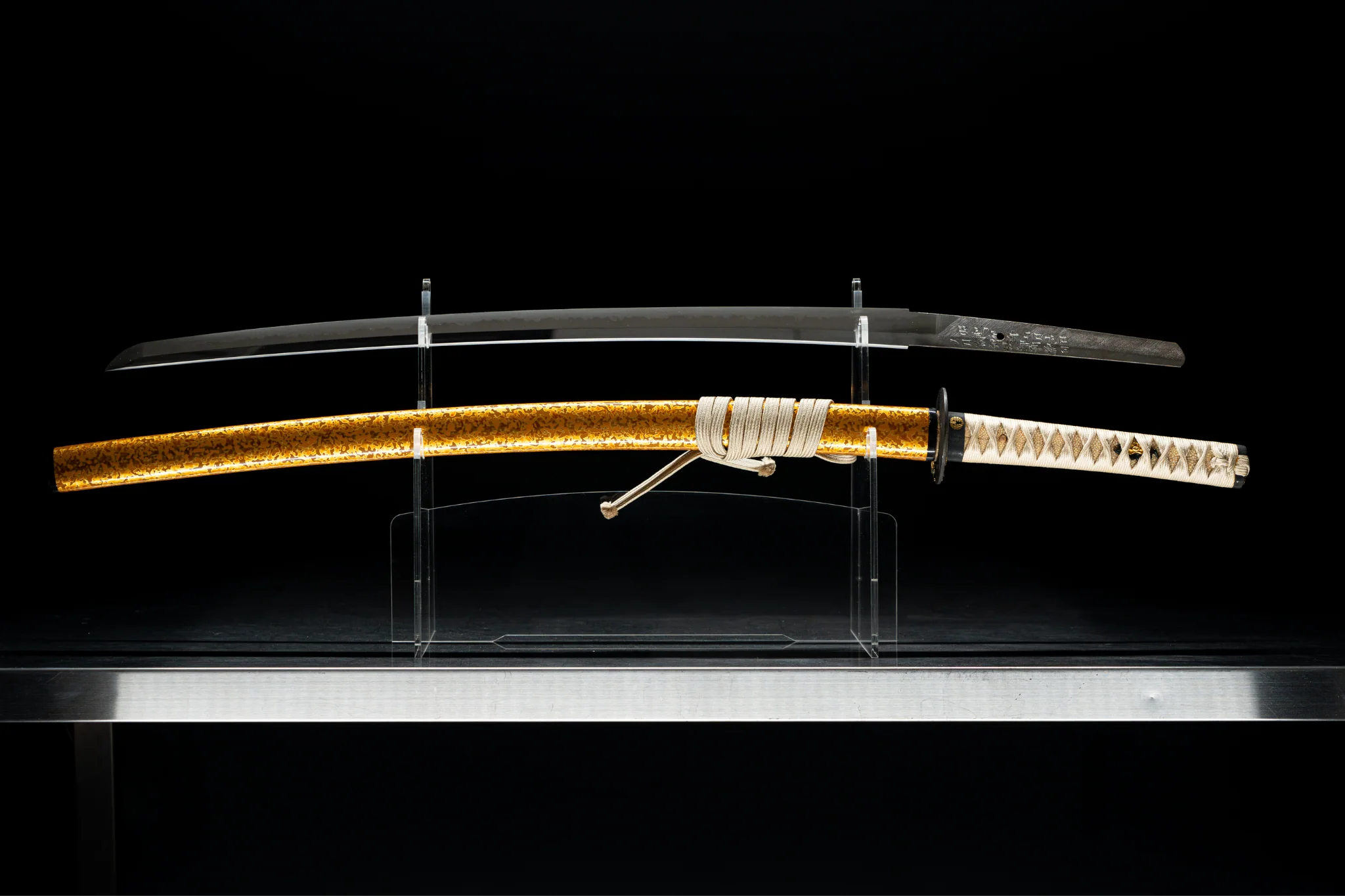
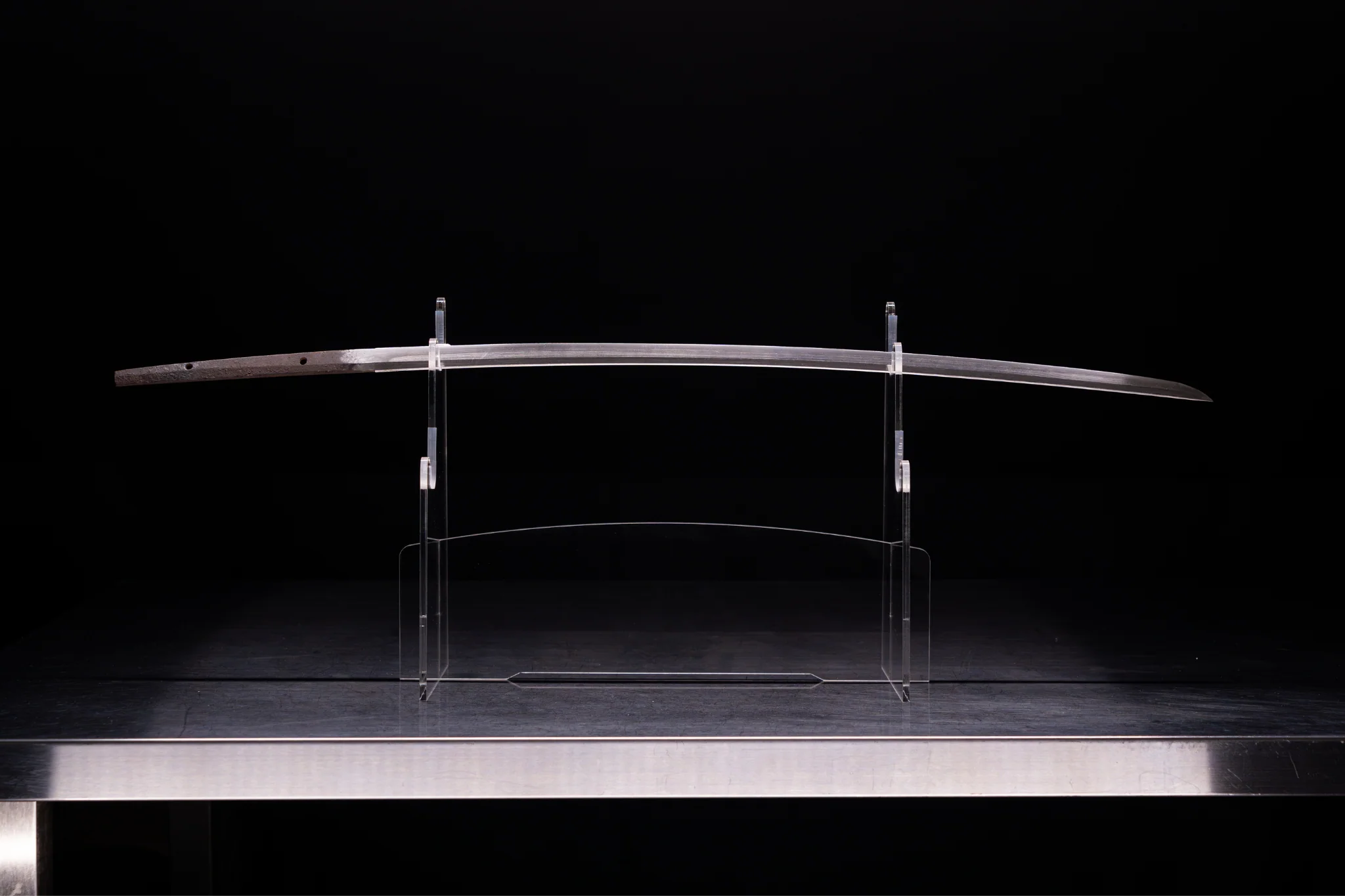
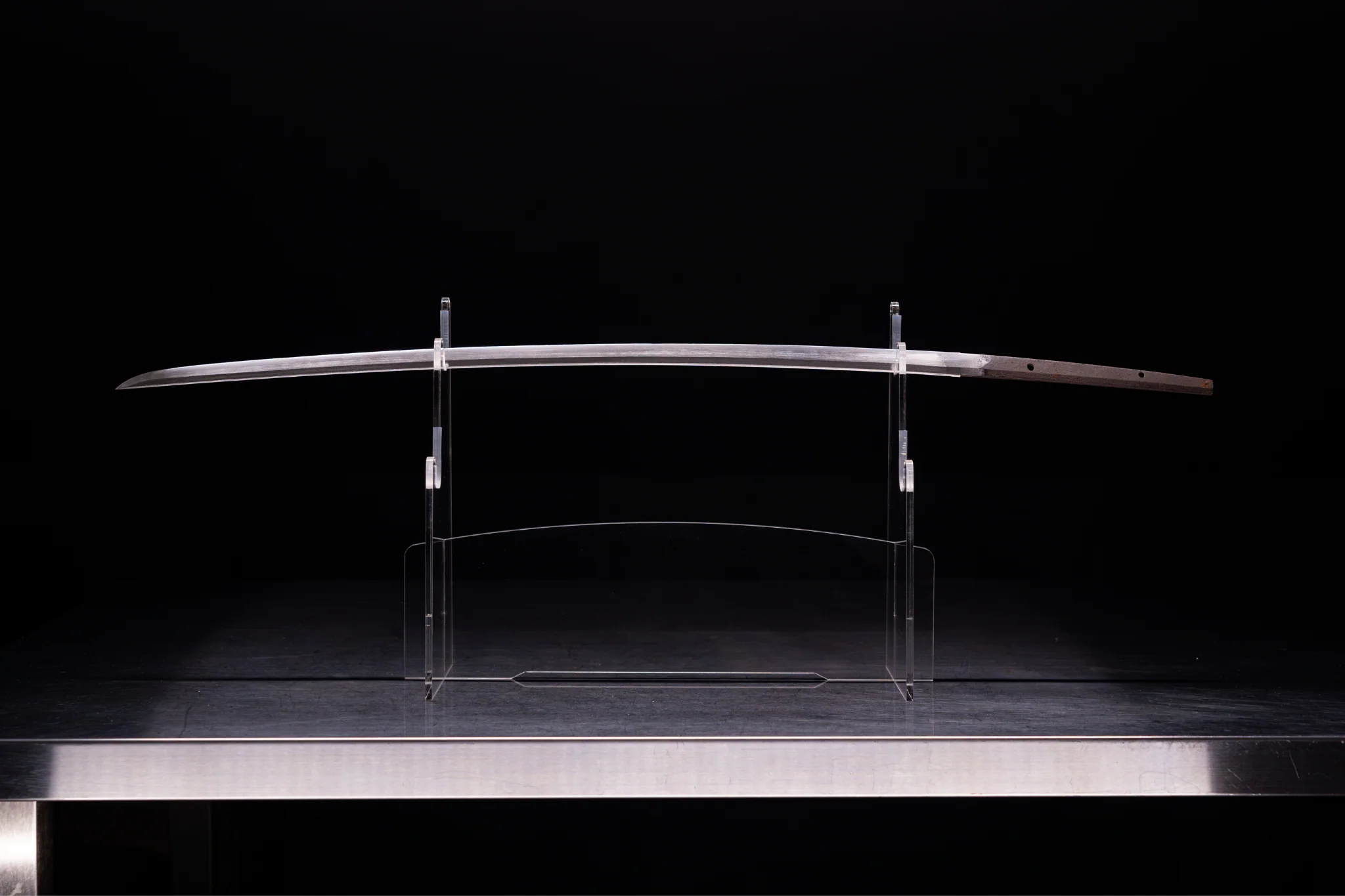
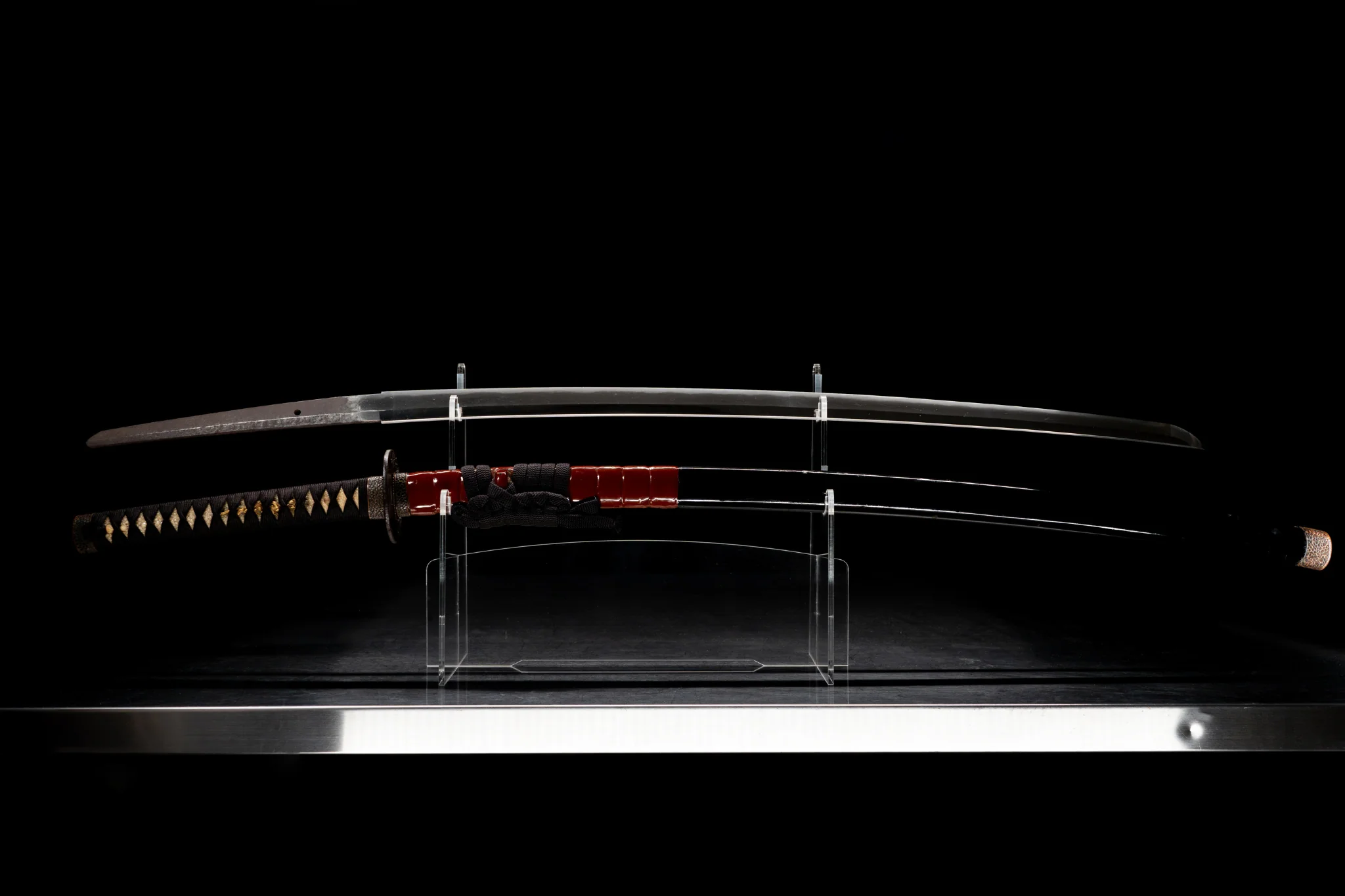
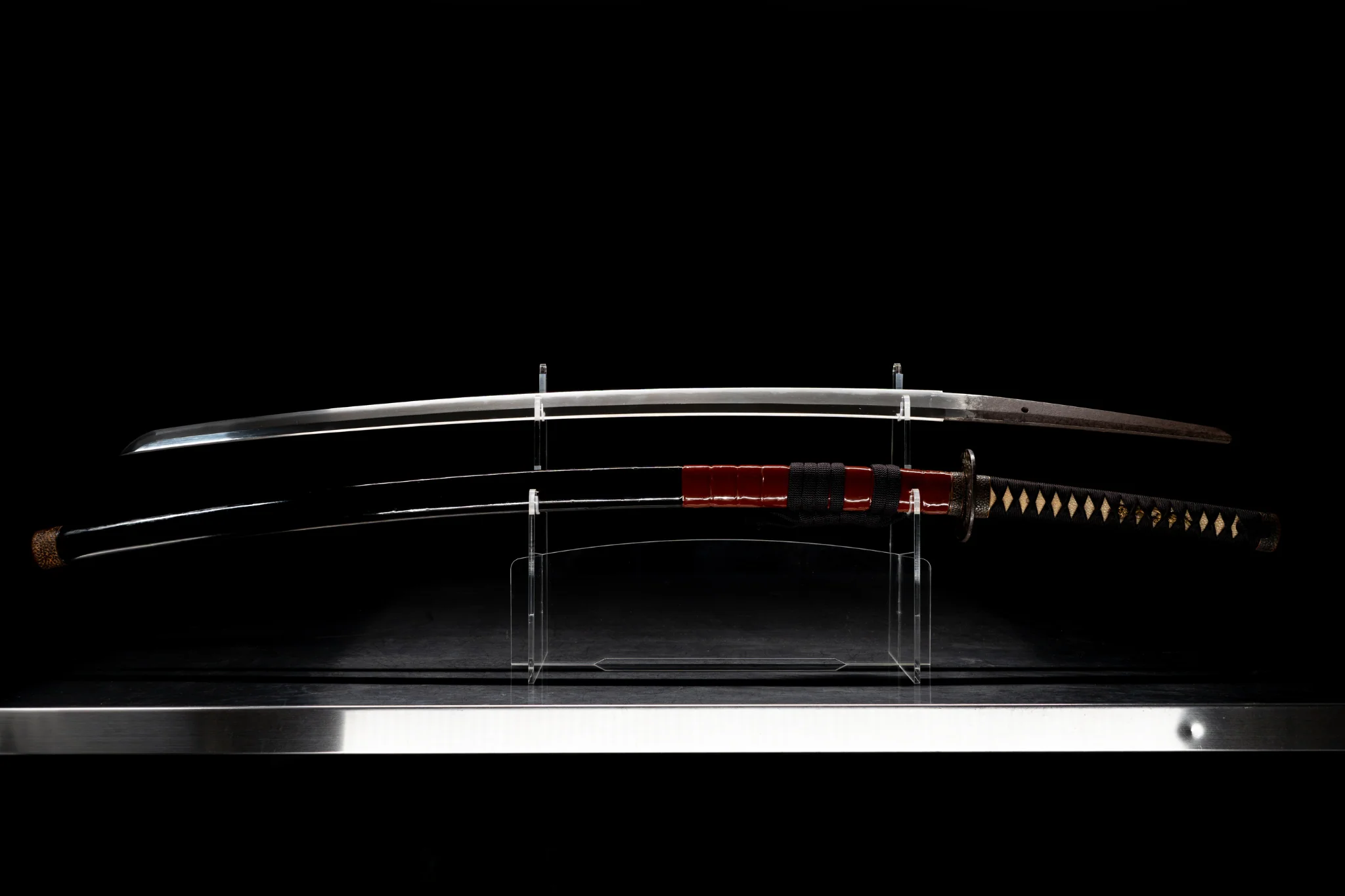
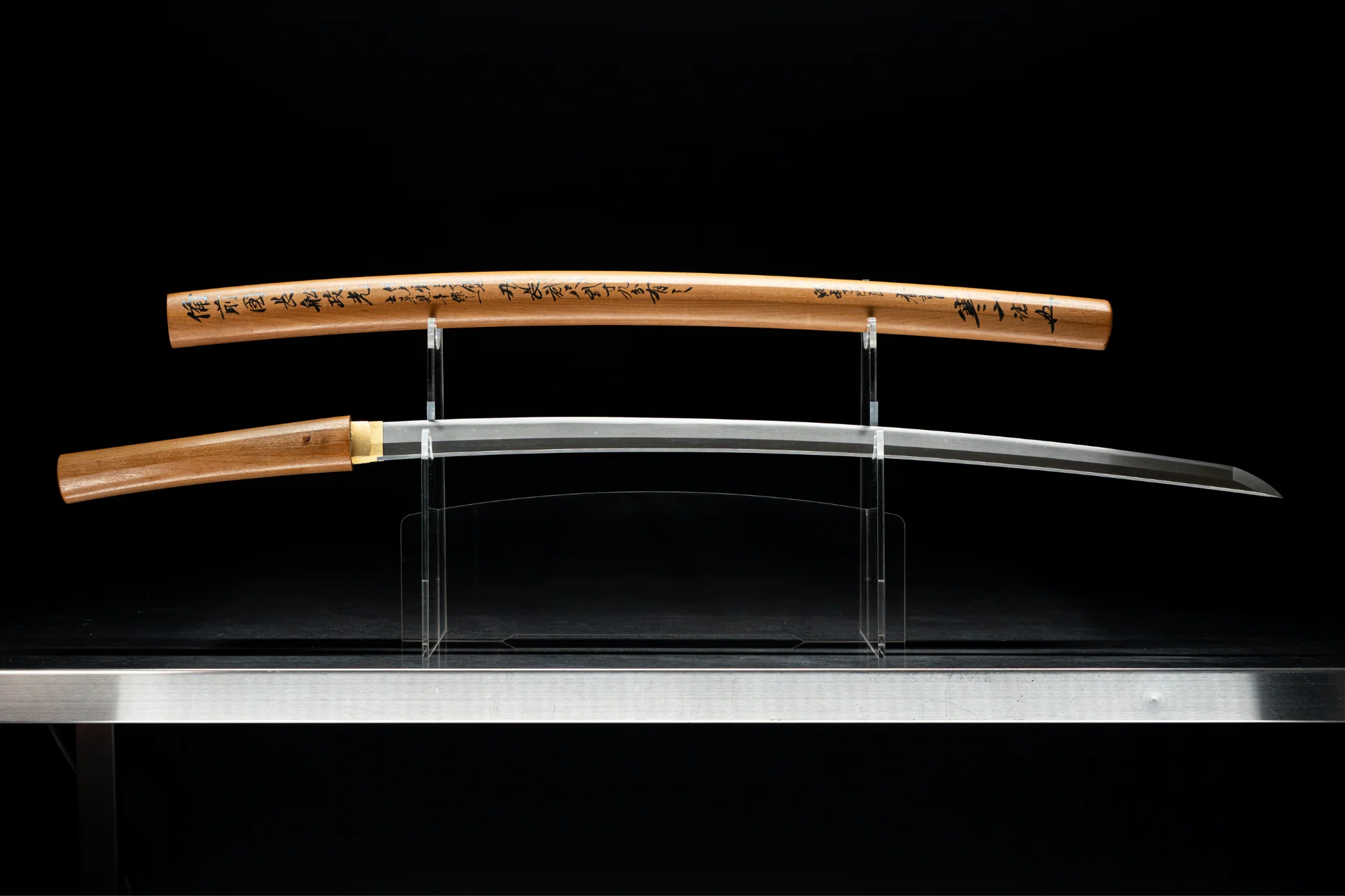
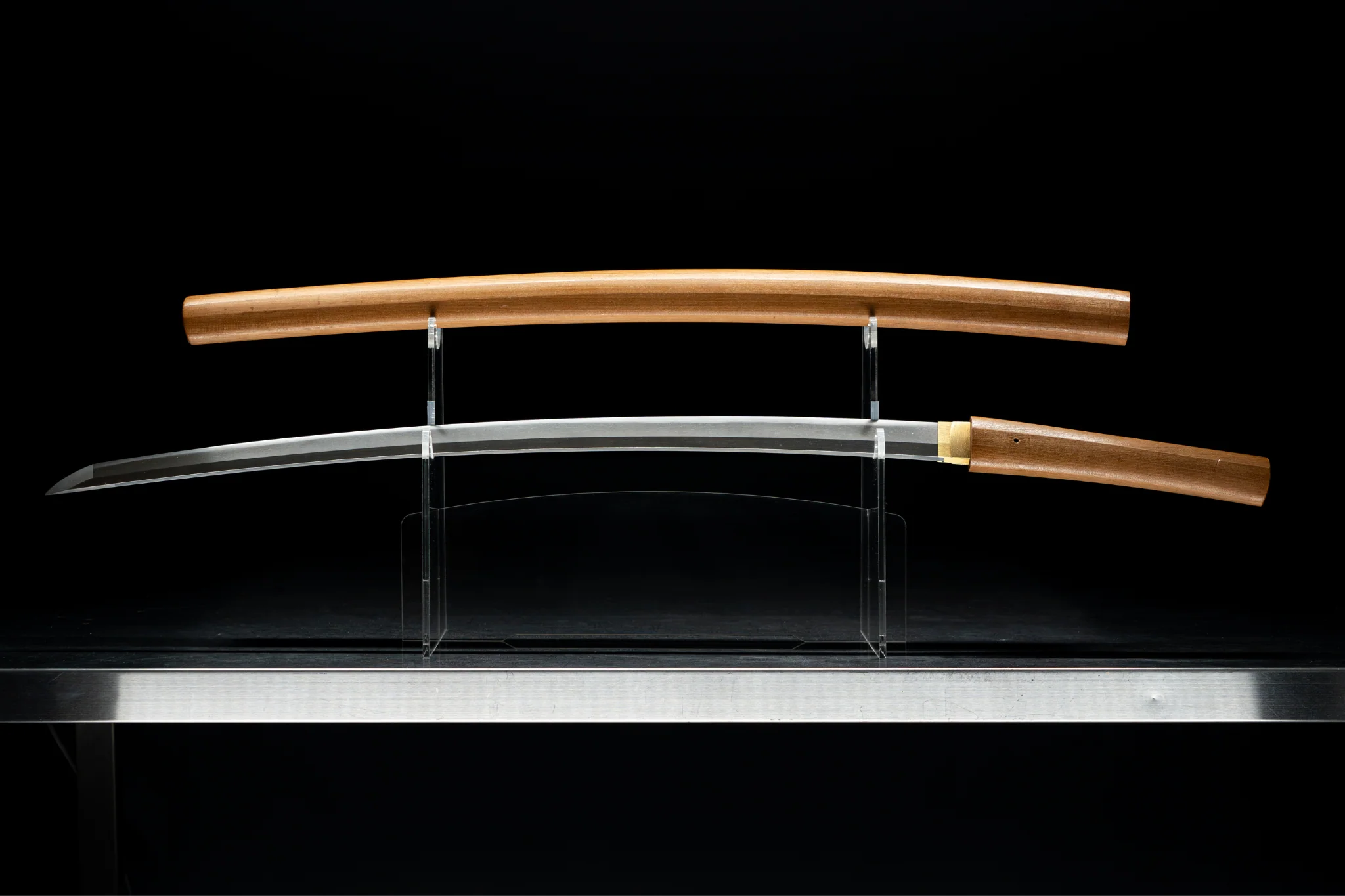
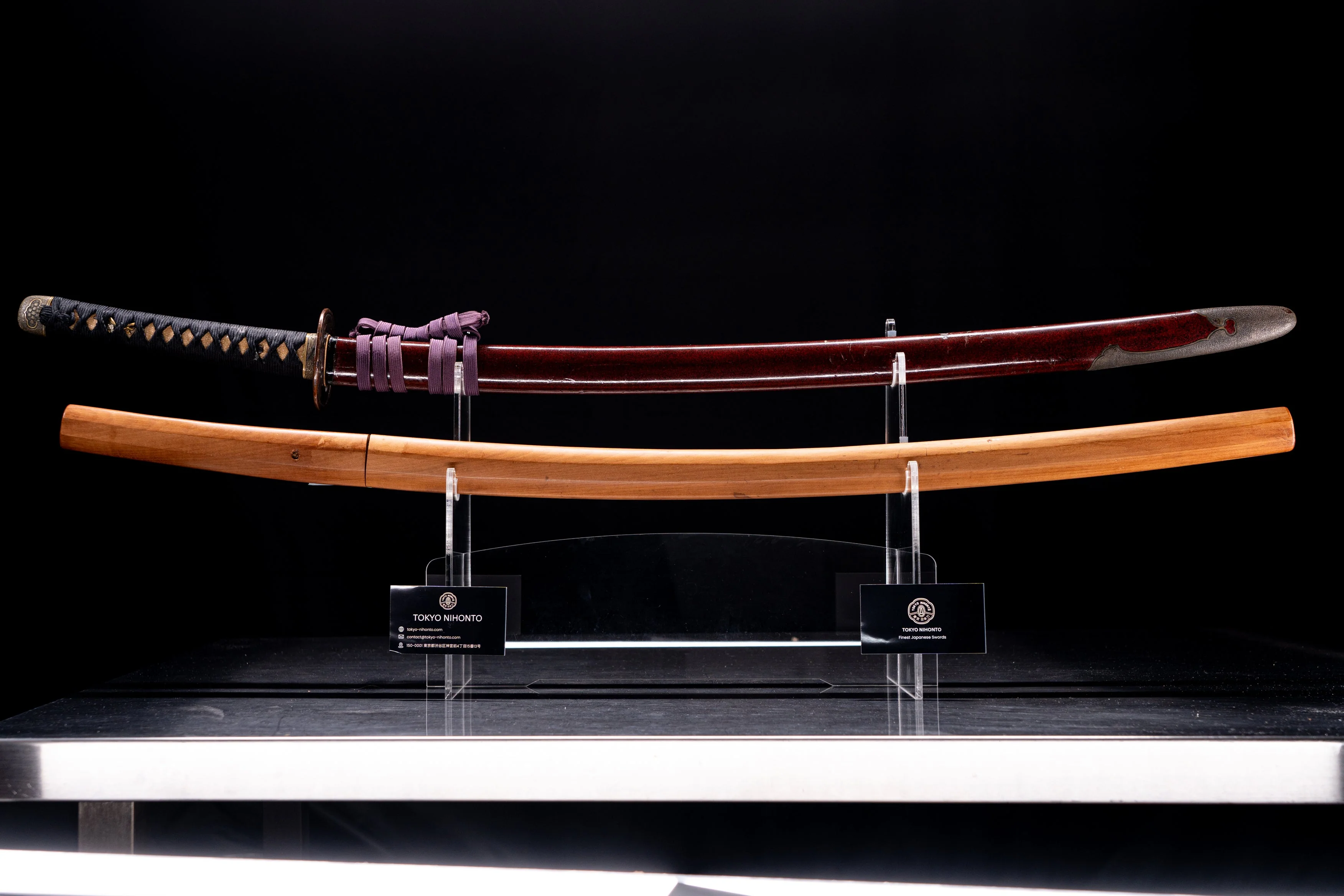
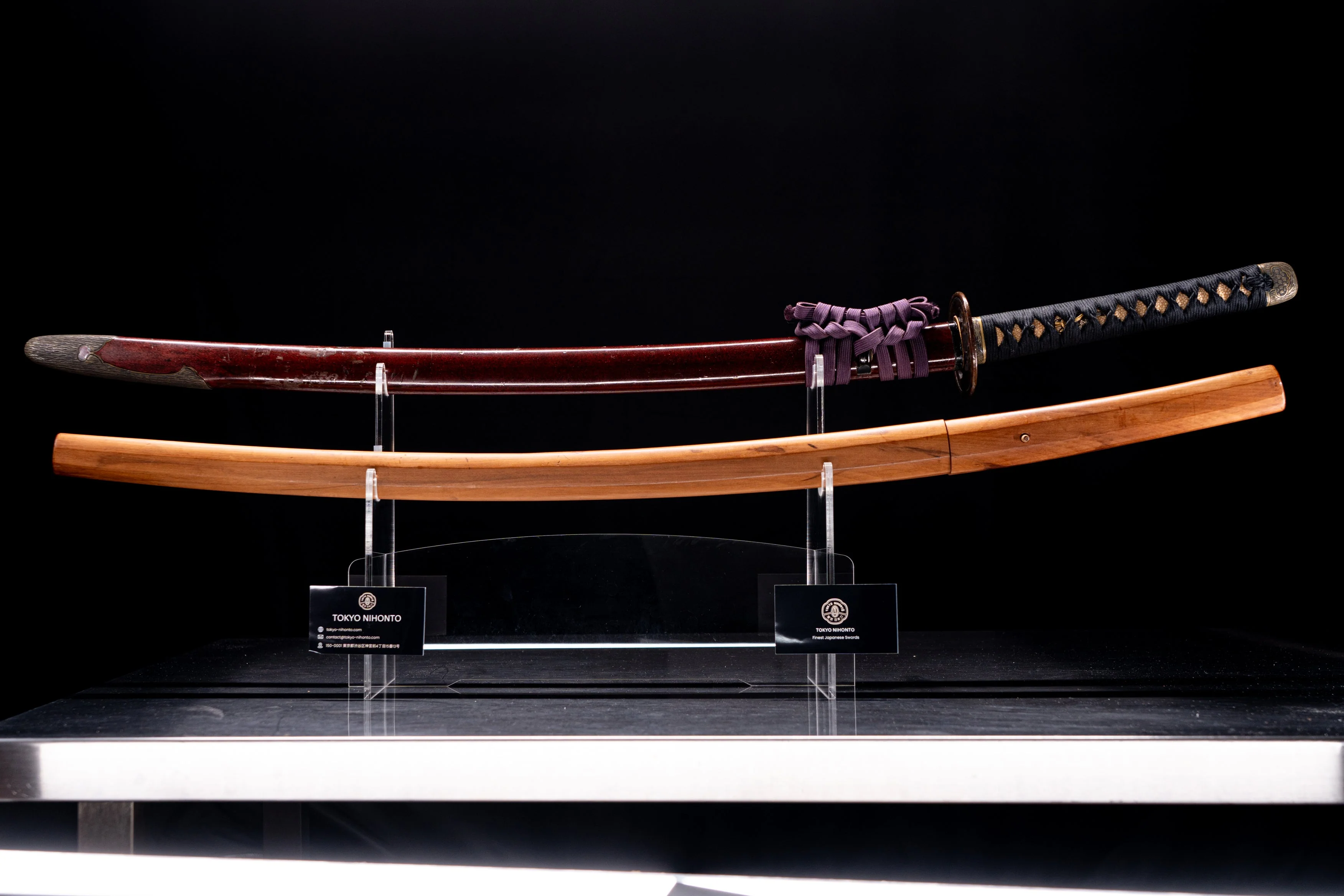
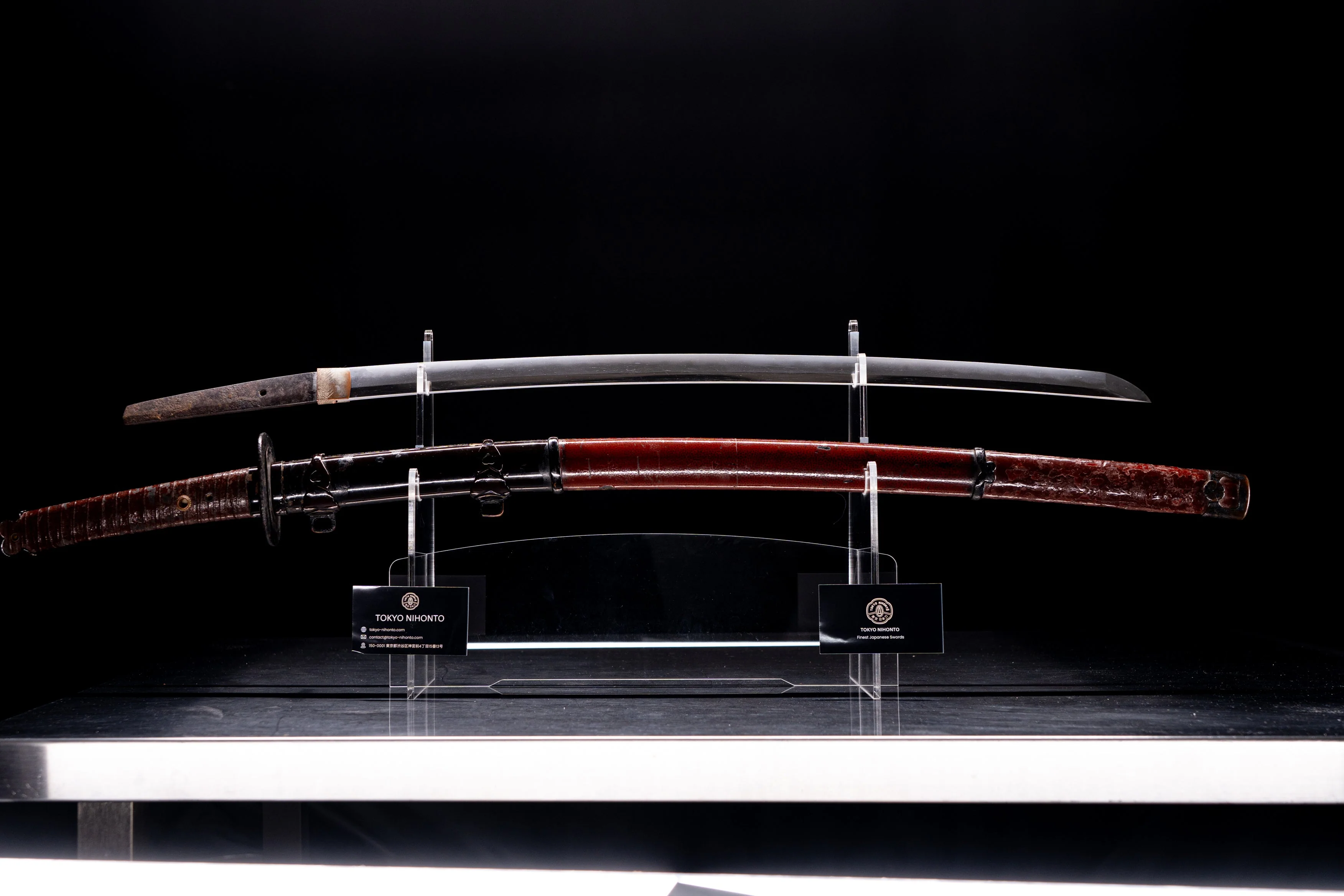
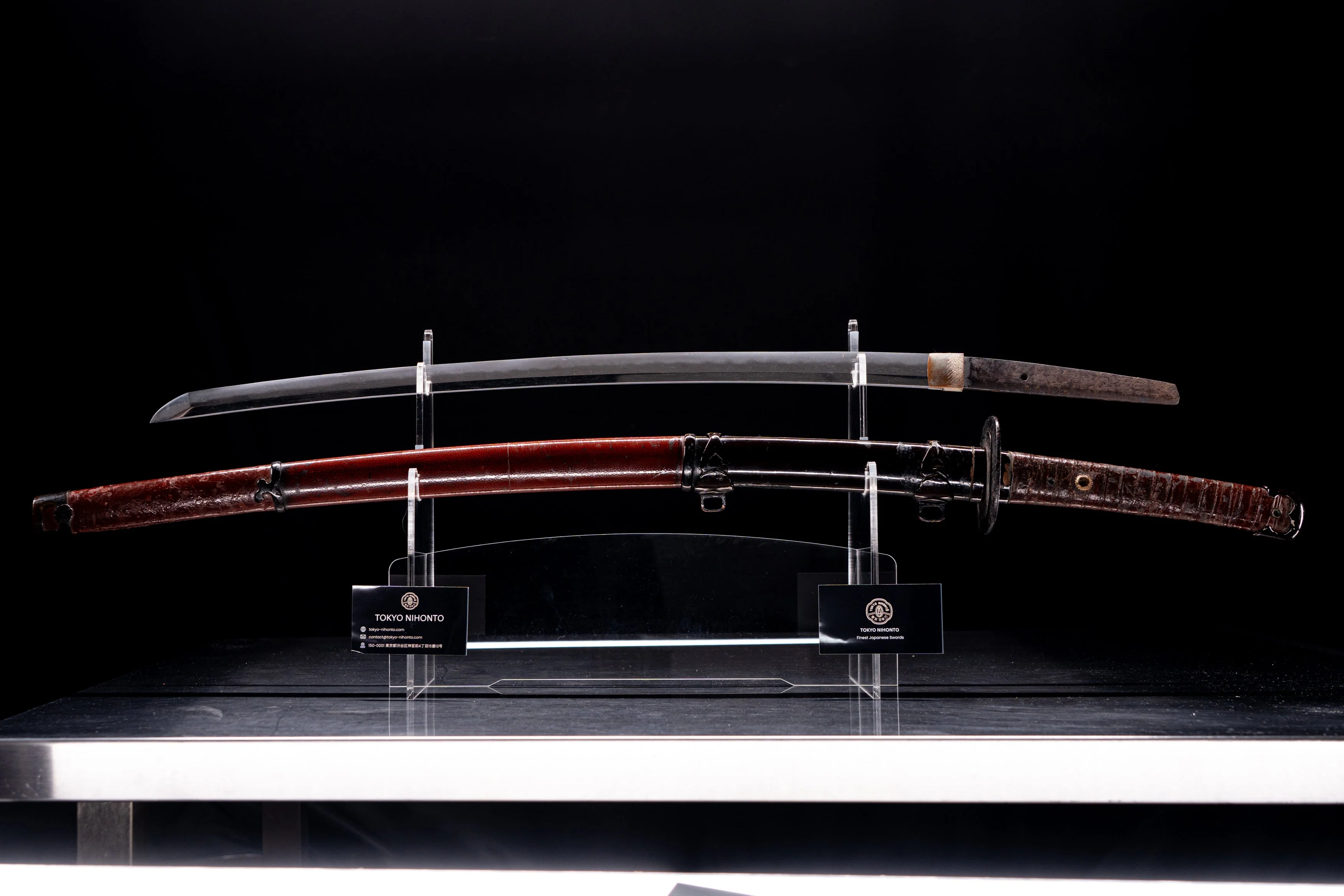
- Daishō Set: Katana & Wakizashi — both attributed to the Takada school (高田), Bungo Province
- Certification: Both blades NBTHK Hozon Token (日本美術刀剣保存協会保存刀剣)
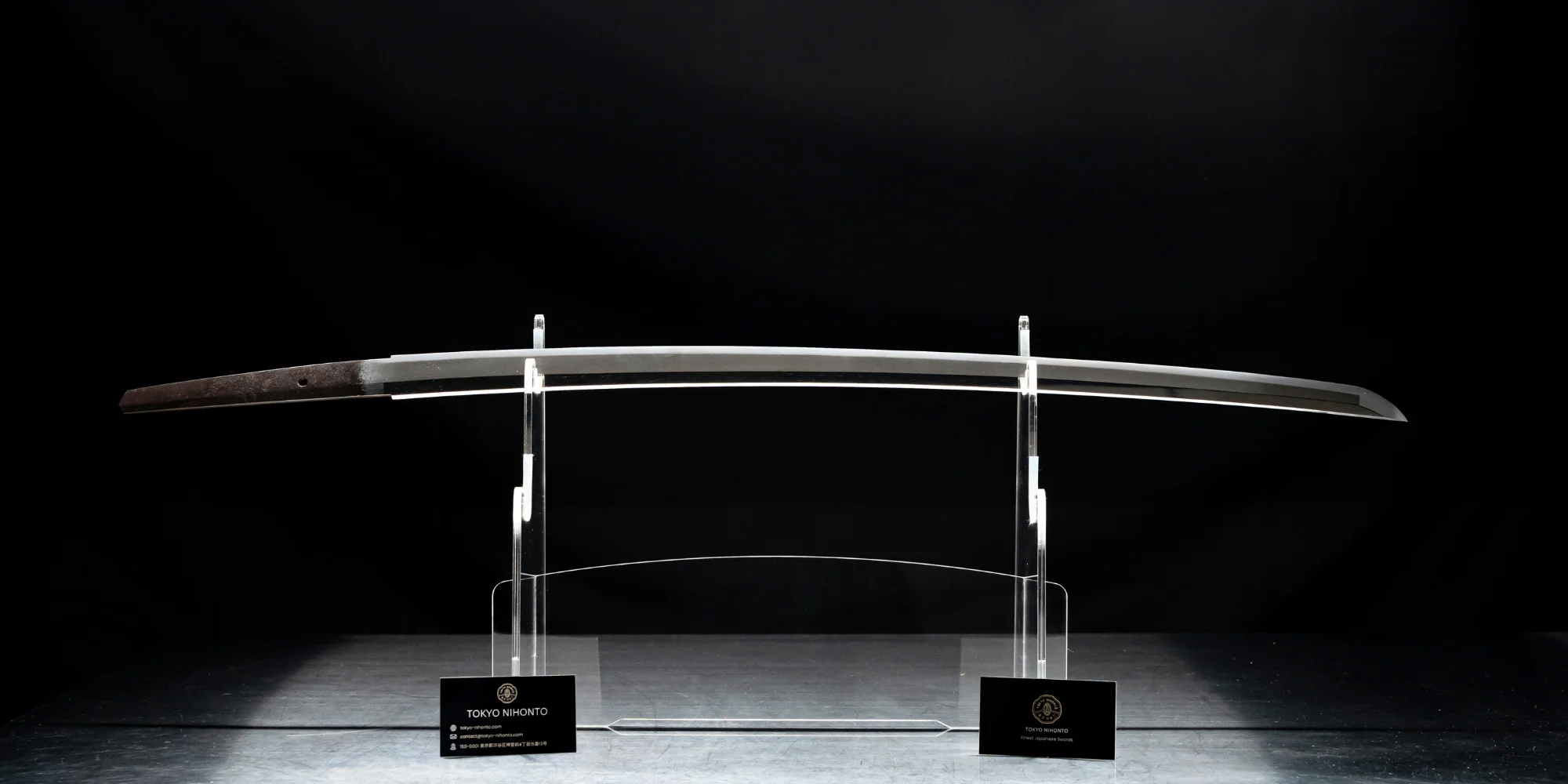
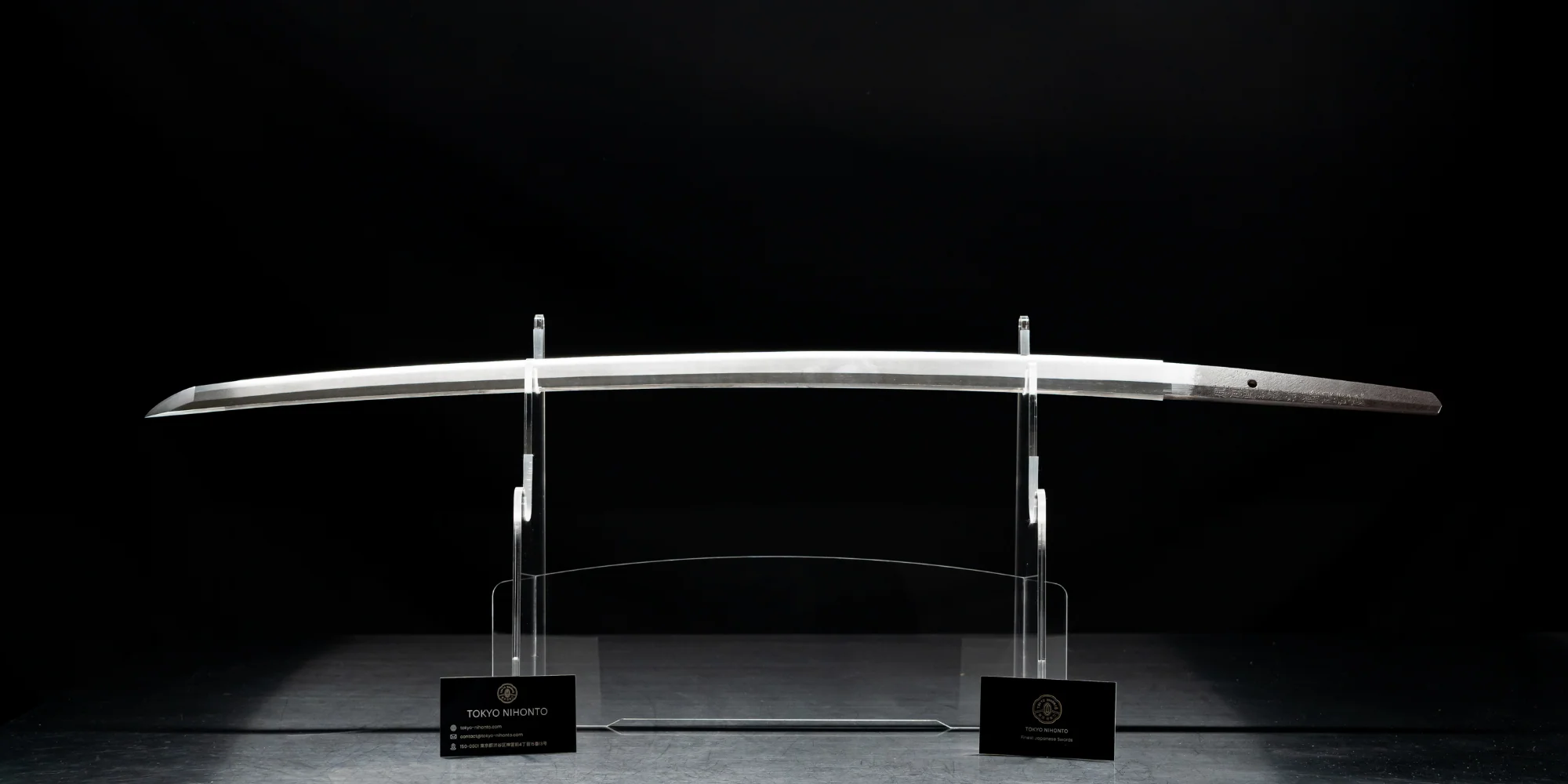
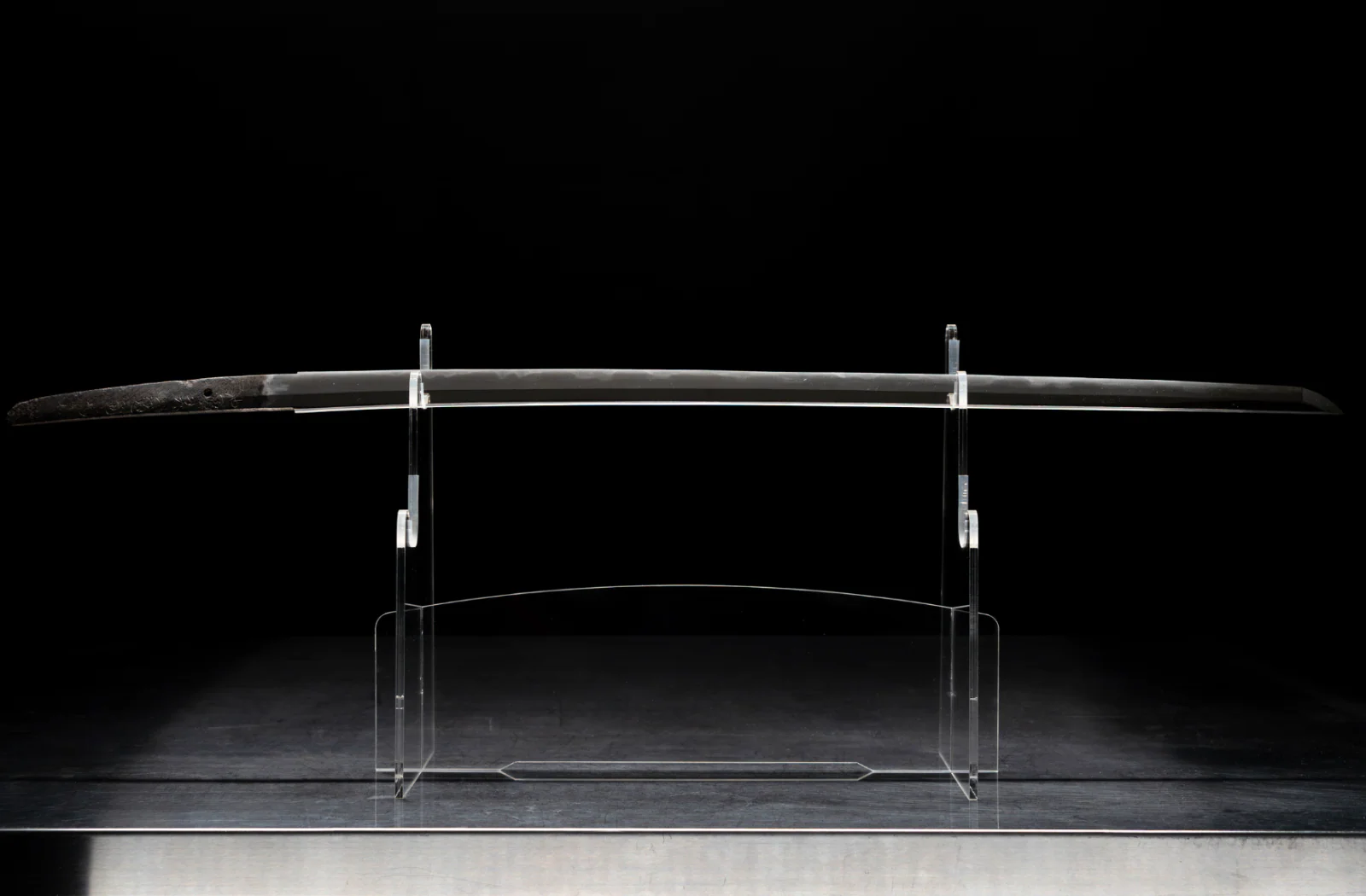
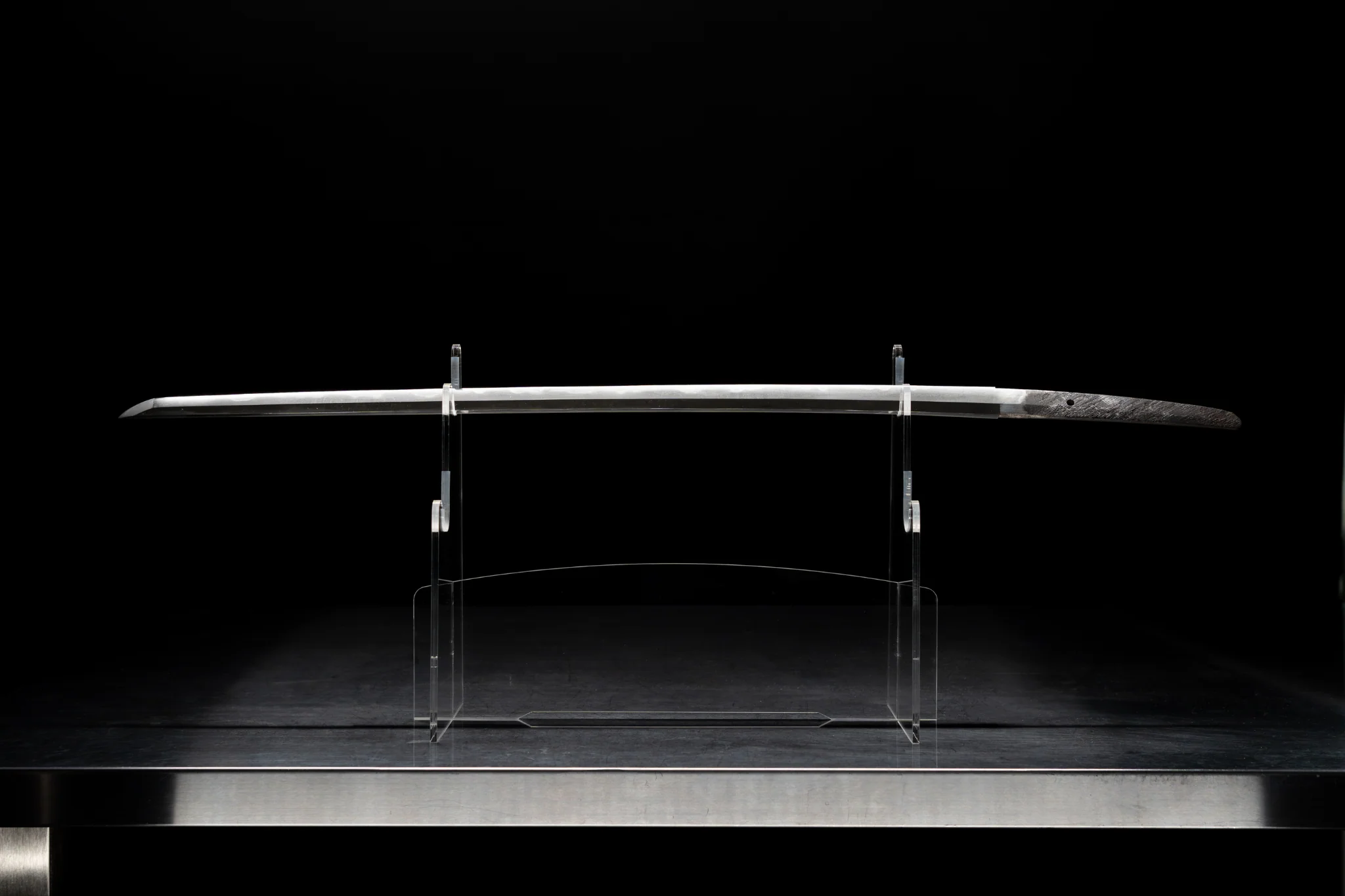
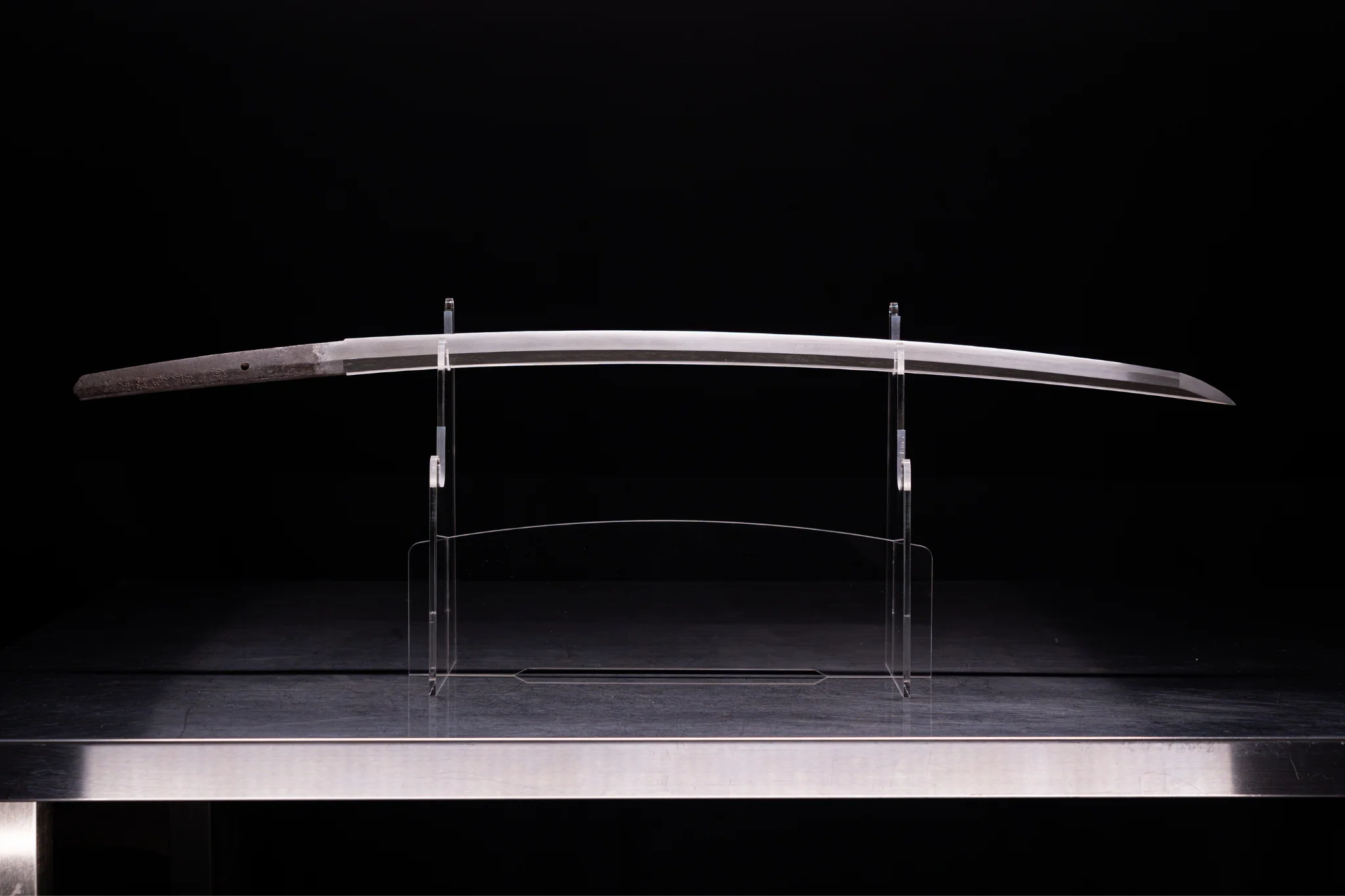
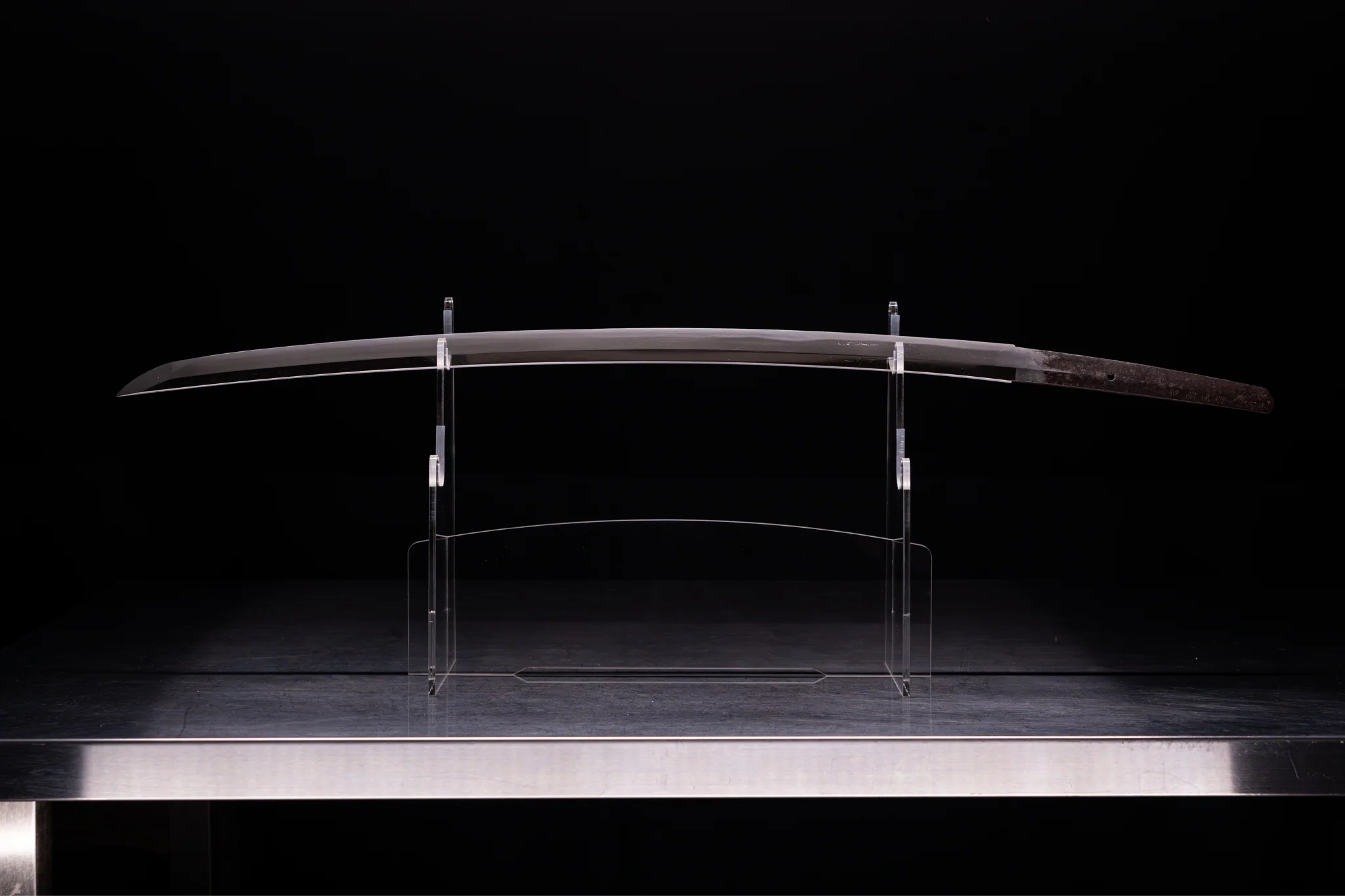
Katana (top blade, with bo-hi)
- Period : Late muromachi
-
Length (Nagasa): 65.0 cm
- Curvature (Sori): 1.8 cm
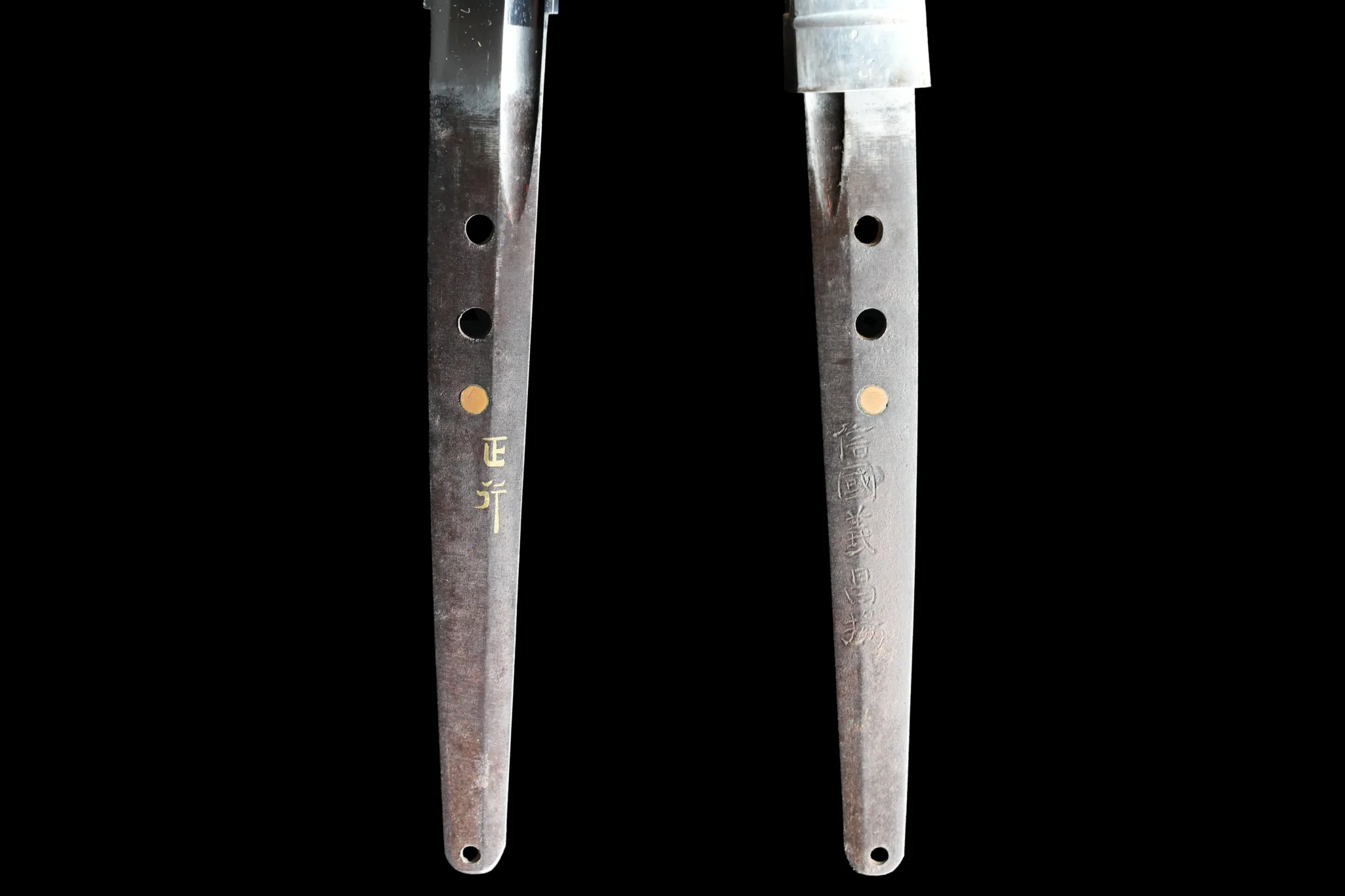
- Mekugi-ana: 3
- Shape: Shinogi-zukuri with bo-hi
- Hamon: Gentle notare-gunome with bright, nioi-based activity
- Jihada: Well-forged ko-itame hada showing tight surface grain
- Kissaki: Chū-kissaki
- Polish: polish revealing distinct hamon and hada
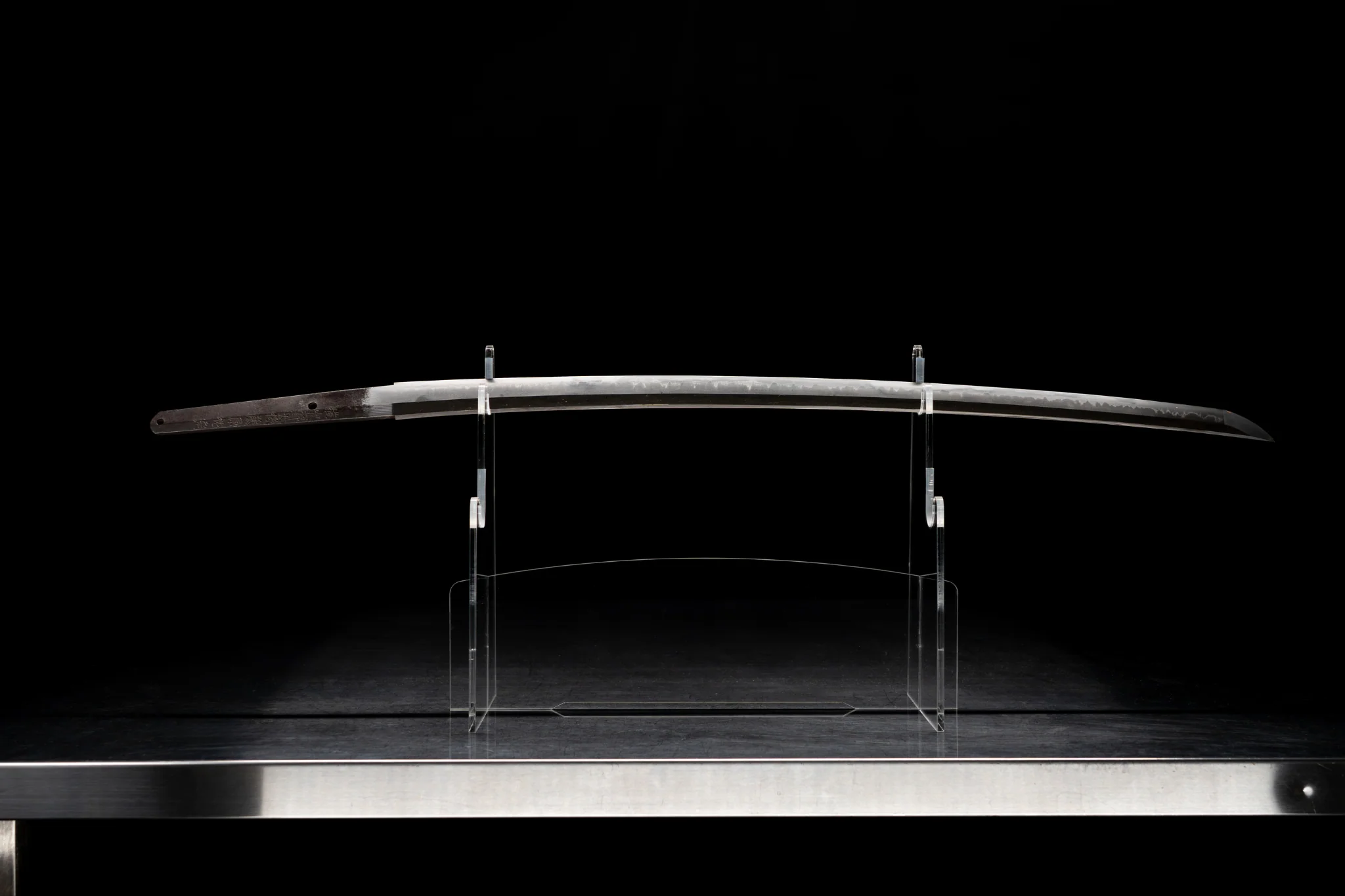
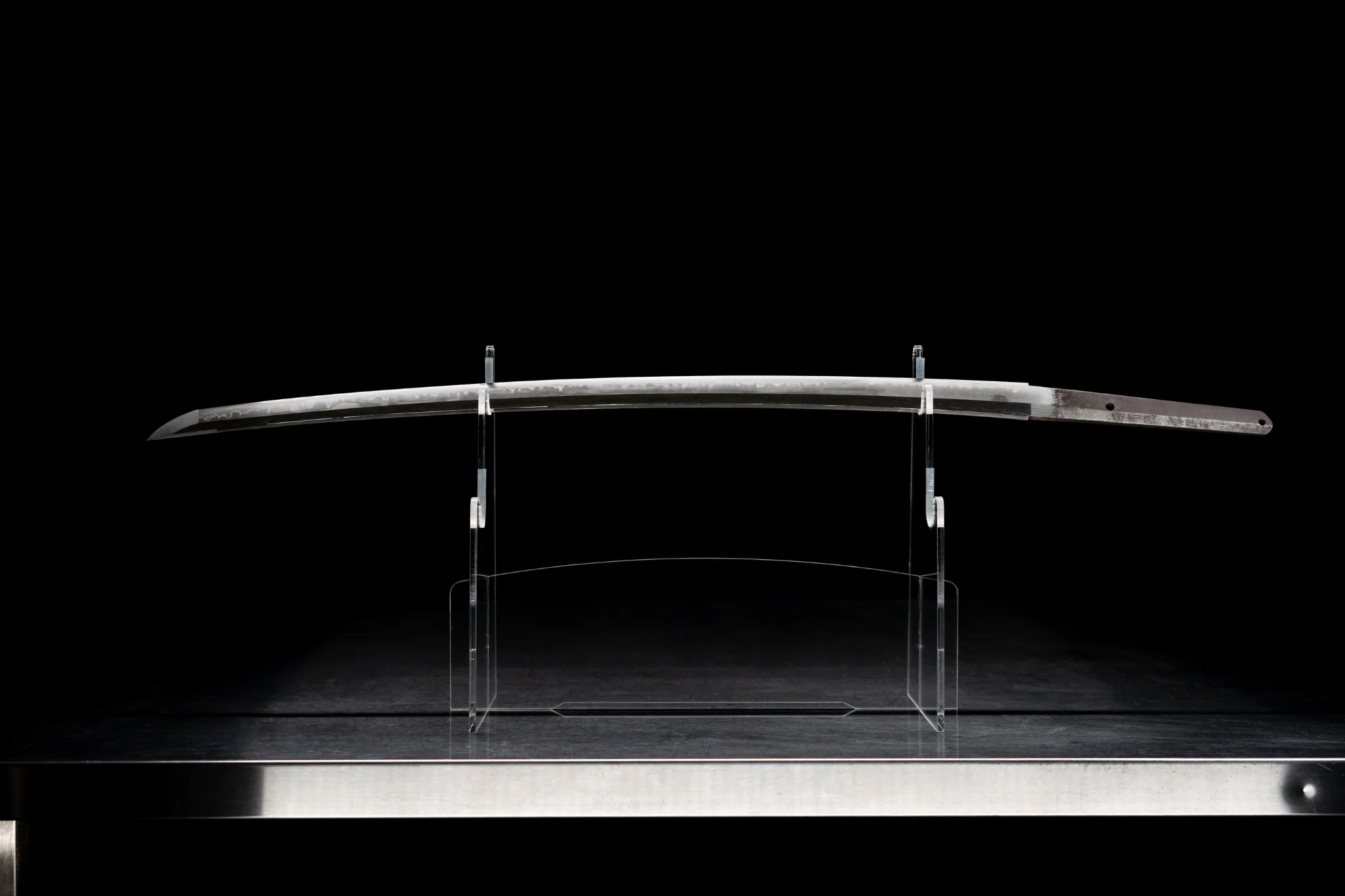
Wakizashi (bottom blade)
- Period : Late muromachi
- Length (Nagasa): 51.1 cm
- Curvature (Sori): 1.2 cm
- Mekugi-ana: 1
- Shape: Shinogi-zukuri, compact and balanced profile
- Hamon: Gunome-midare with consistent rhythm and well-defined nioiguchi
- Jihada: Dense ko-itame with subtle utsuri reflections
- Kissaki: Ko-kissaki
- Polish: High-quality Japanese polish emphasizing the blade’s undulating temperline
This refined Takada-school daishō (matched katana and wakizashi pair) represents the hallmark craftsmanship of Bungo Province (豊後国) during the late muromachi period period. Though unsigned (mumei), both swords have been authenticated by the NBTHK as products of the Takada tradition, whose smiths forged blades renowned for their reliability and balanced cutting ability.
The katana, distinguished by its bo-hi groove, displays a graceful 65 cm profile with a flowing notare-gunome hamon along a well-forged ko-itame hada. The three mekugi-ana indicate repeated remounting over time, suggesting extended active use. The blade’s proportions—1.8 cm sori and chū-kissaki—achieve an ideal harmony between elegance and combat practicality.
The wakizashi, measuring 51.1 cm with a gentle 1.2 cm sori, complements the katana perfectly in both curvature and forging style. Its gunome-midare hamon shows rhythmic undulations, and its dense grain reveals careful hammerwork. This smaller companion blade would have served as a close-quarters weapon for the same samurai, forming a true functional pair.
The Takada school was established by Takada Tomoyuki during the Nanbokuchō period and flourished under the patronage of the Ōtomo clan. Their smiths learned from Bizen and Mino masters, producing blades noted for superior sharpness and resilience—attributes that made them popular among Kyūshū’s warrior houses throughout the Sengoku and Edo periods.
Together, these swords illustrate the regional artistry and martial heritage of late muromachi Japan. Both are preserved in fine polish and carry NBTHK Hozon Token authentication, ensuring their cultural significance and value to collectors. The katana’s bo-hi lightens its balance while enhancing the visual rhythm of the hamon, and the wakizashi’s compact form completes a daishō ensemble of remarkable harmony.
Product Information
Product Information
Shipping & Returns
Shipping & Returns
Description
- Daishō Set: Katana & Wakizashi — both attributed to the Takada school (高田), Bungo Province
- Certification: Both blades NBTHK Hozon Token (日本美術刀剣保存協会保存刀剣)
Katana (top blade, with bo-hi)
- Period : Late muromachi
-
Length (Nagasa): 65.0 cm
- Curvature (Sori): 1.8 cm
- Mekugi-ana: 3
- Shape: Shinogi-zukuri with bo-hi
- Hamon: Gentle notare-gunome with bright, nioi-based activity
- Jihada: Well-forged ko-itame hada showing tight surface grain
- Kissaki: Chū-kissaki
- Polish: polish revealing distinct hamon and hada
Wakizashi (bottom blade)
- Period : Late muromachi
- Length (Nagasa): 51.1 cm
- Curvature (Sori): 1.2 cm
- Mekugi-ana: 1
- Shape: Shinogi-zukuri, compact and balanced profile
- Hamon: Gunome-midare with consistent rhythm and well-defined nioiguchi
- Jihada: Dense ko-itame with subtle utsuri reflections
- Kissaki: Ko-kissaki
- Polish: High-quality Japanese polish emphasizing the blade’s undulating temperline
This refined Takada-school daishō (matched katana and wakizashi pair) represents the hallmark craftsmanship of Bungo Province (豊後国) during the late muromachi period period. Though unsigned (mumei), both swords have been authenticated by the NBTHK as products of the Takada tradition, whose smiths forged blades renowned for their reliability and balanced cutting ability.
The katana, distinguished by its bo-hi groove, displays a graceful 65 cm profile with a flowing notare-gunome hamon along a well-forged ko-itame hada. The three mekugi-ana indicate repeated remounting over time, suggesting extended active use. The blade’s proportions—1.8 cm sori and chū-kissaki—achieve an ideal harmony between elegance and combat practicality.
The wakizashi, measuring 51.1 cm with a gentle 1.2 cm sori, complements the katana perfectly in both curvature and forging style. Its gunome-midare hamon shows rhythmic undulations, and its dense grain reveals careful hammerwork. This smaller companion blade would have served as a close-quarters weapon for the same samurai, forming a true functional pair.
The Takada school was established by Takada Tomoyuki during the Nanbokuchō period and flourished under the patronage of the Ōtomo clan. Their smiths learned from Bizen and Mino masters, producing blades noted for superior sharpness and resilience—attributes that made them popular among Kyūshū’s warrior houses throughout the Sengoku and Edo periods.
Together, these swords illustrate the regional artistry and martial heritage of late muromachi Japan. Both are preserved in fine polish and carry NBTHK Hozon Token authentication, ensuring their cultural significance and value to collectors. The katana’s bo-hi lightens its balance while enhancing the visual rhythm of the hamon, and the wakizashi’s compact form completes a daishō ensemble of remarkable harmony.