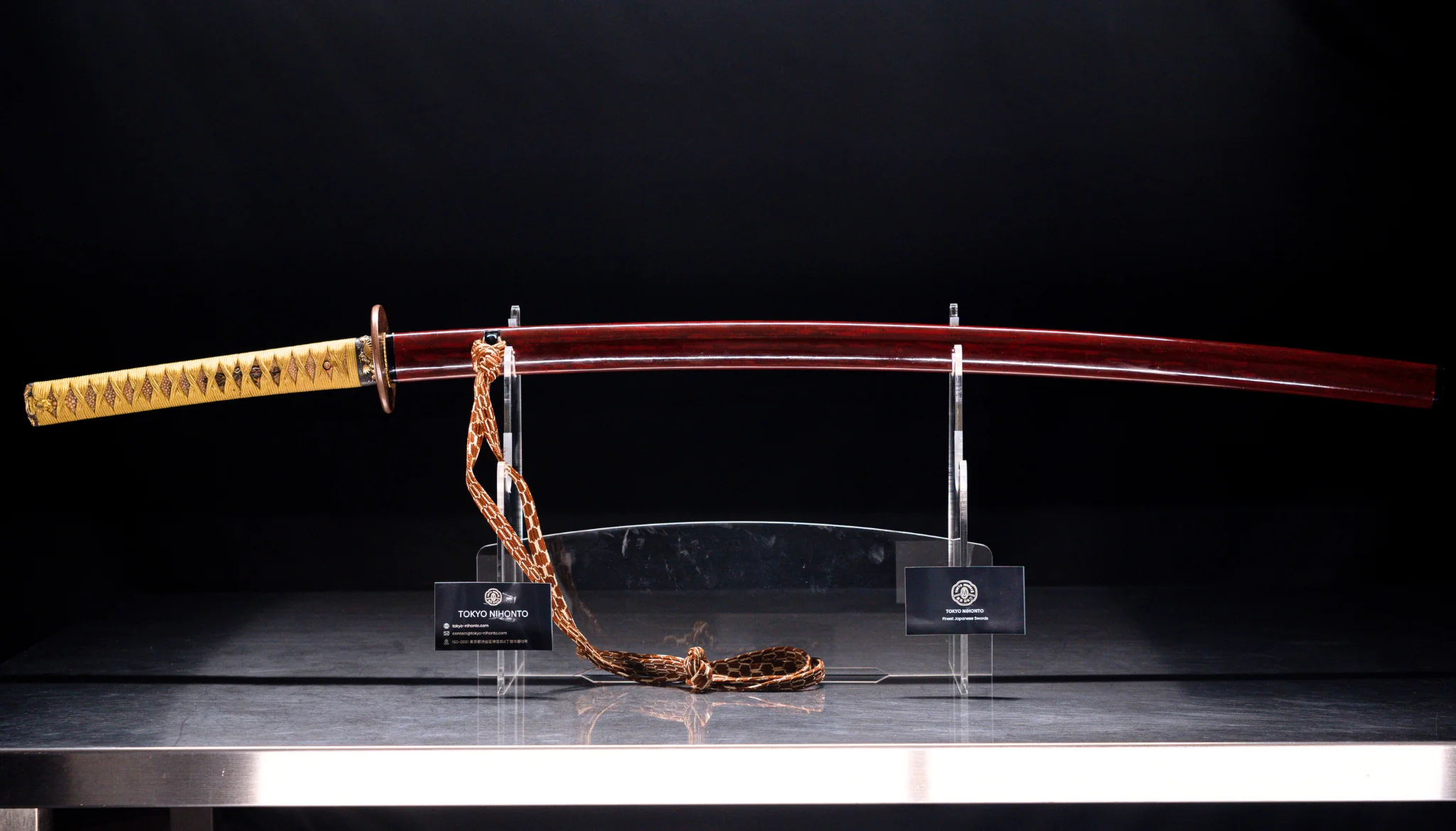
Antique Japanese Sword Katana by Kashu Kanemaki, Edo Period, Hozon Token
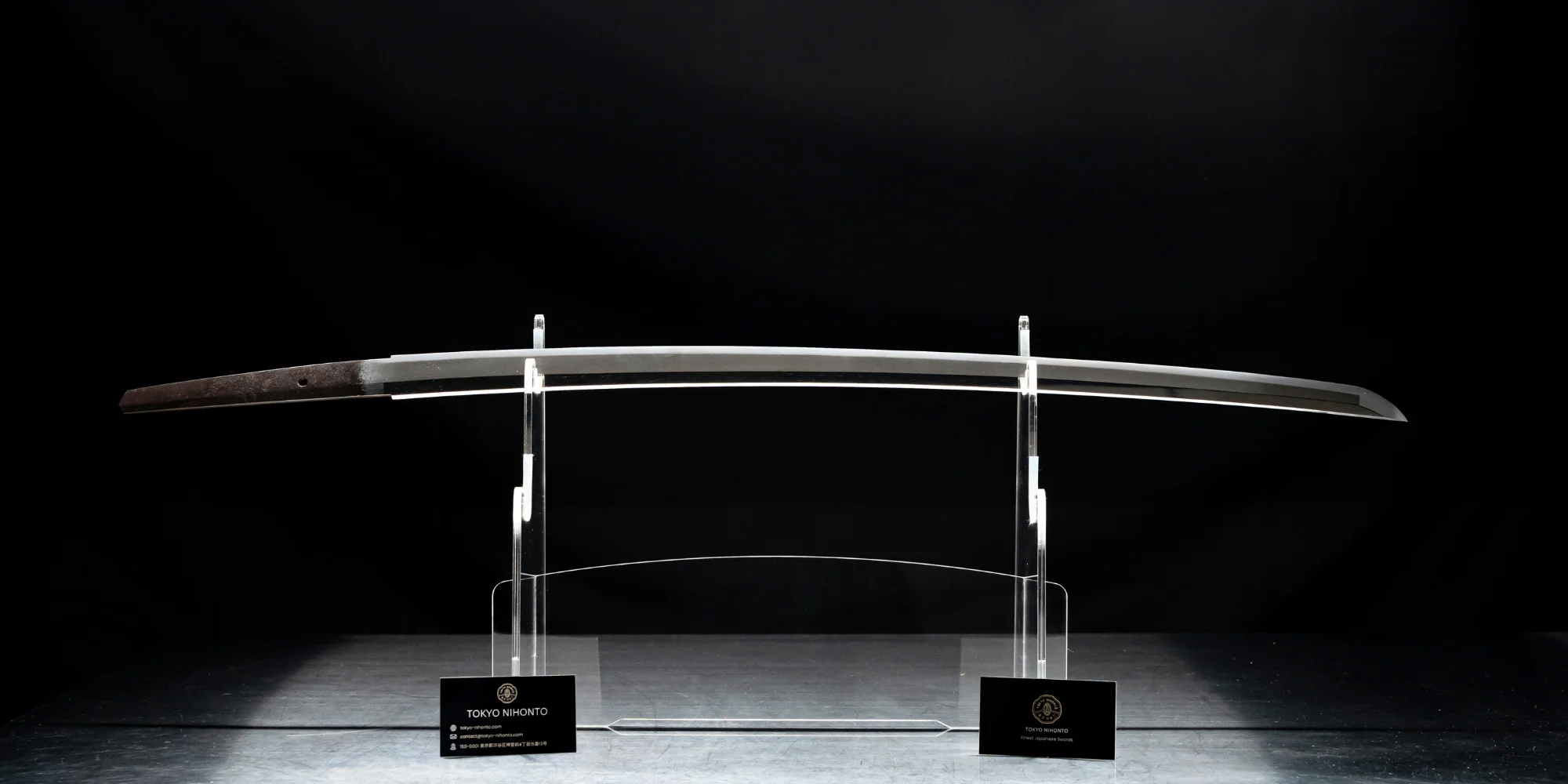
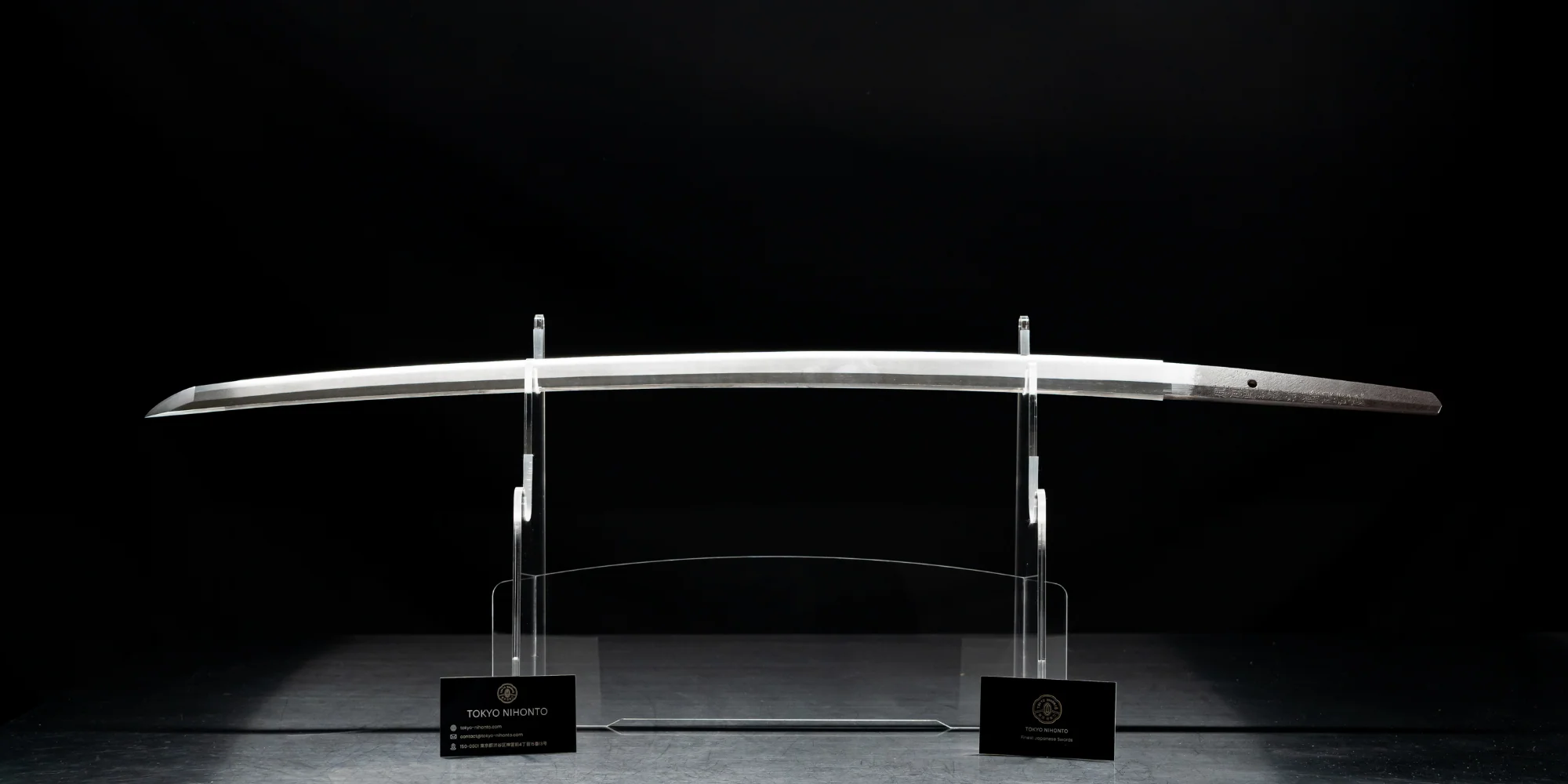
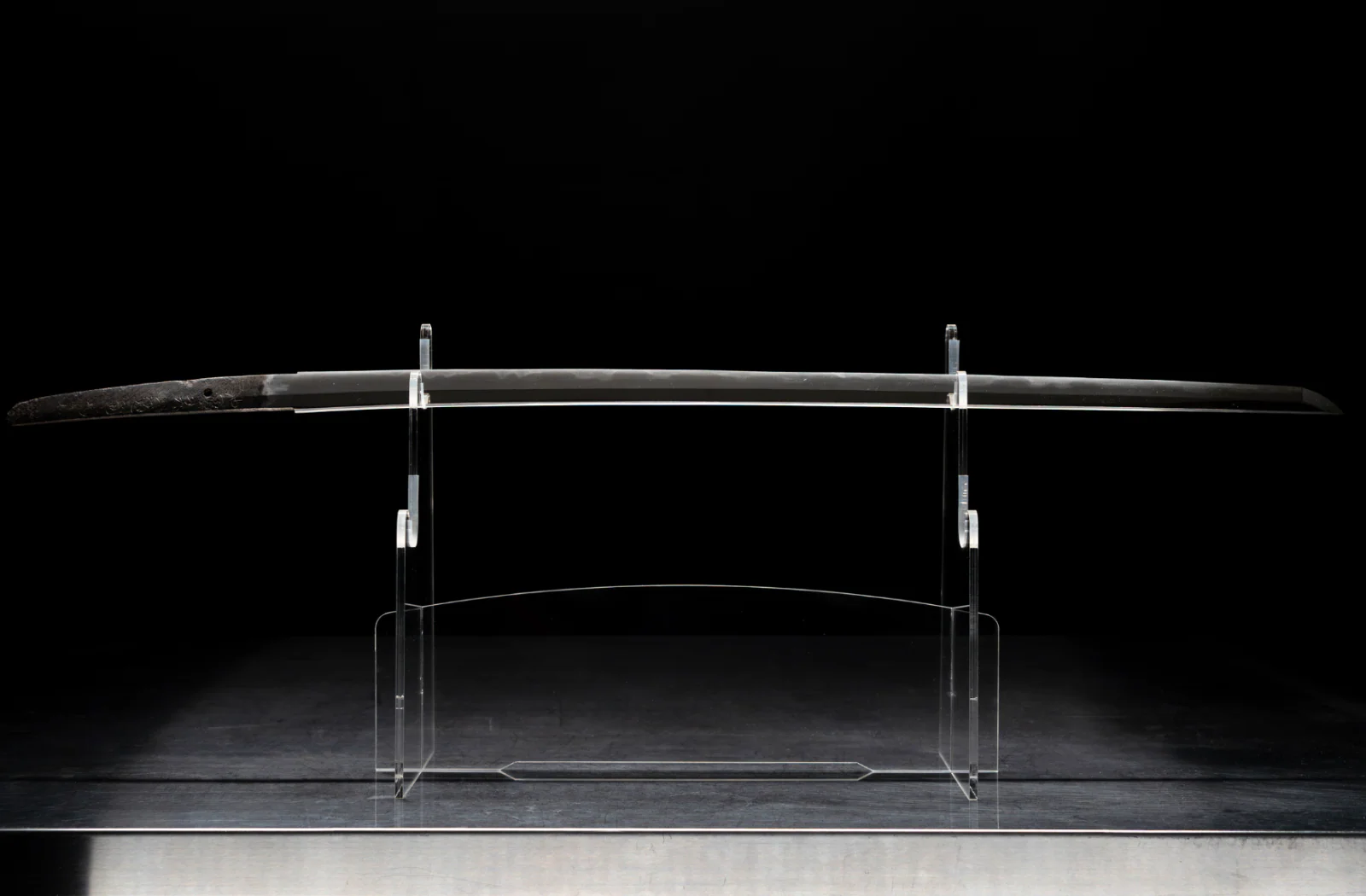
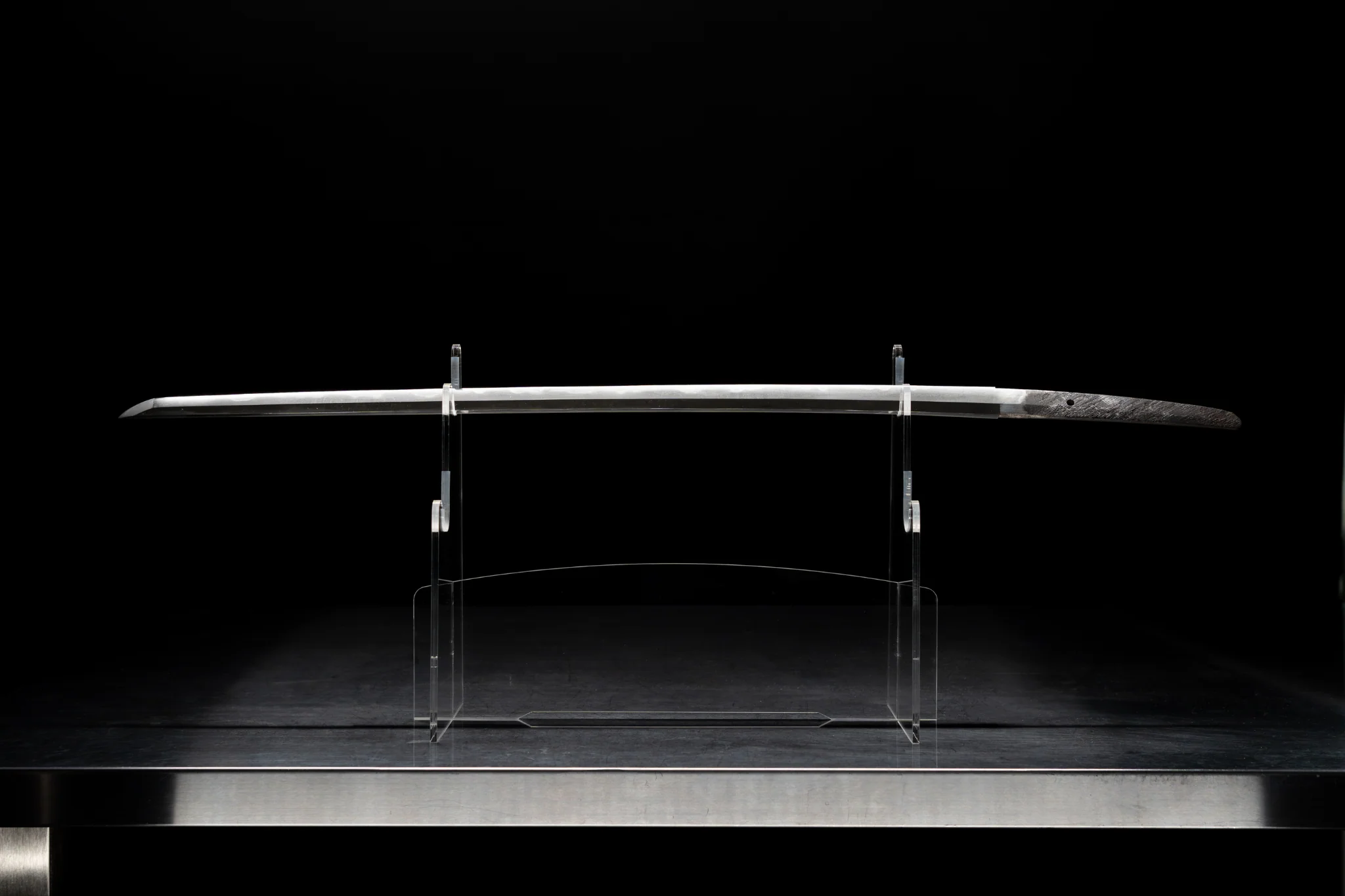
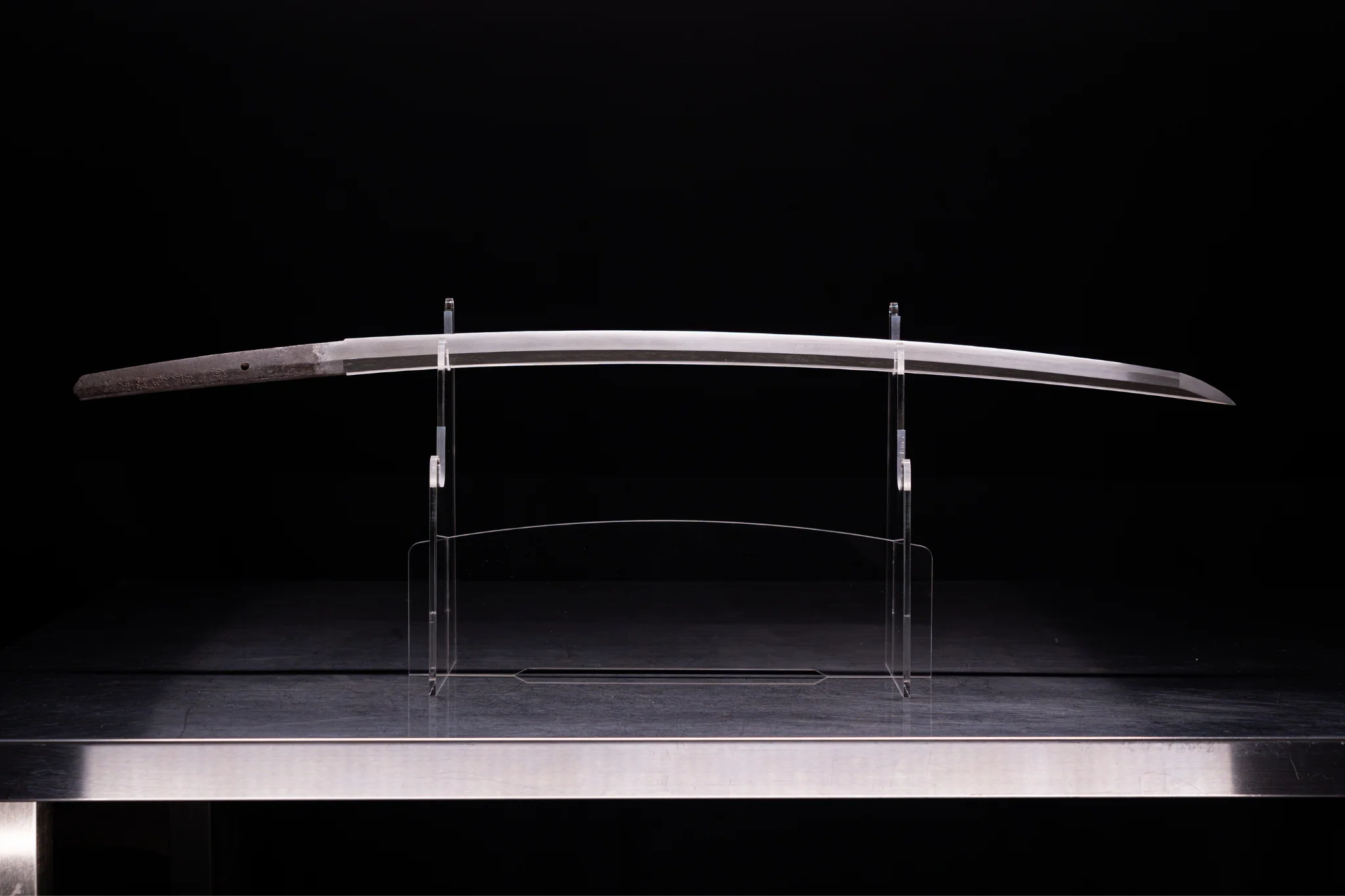
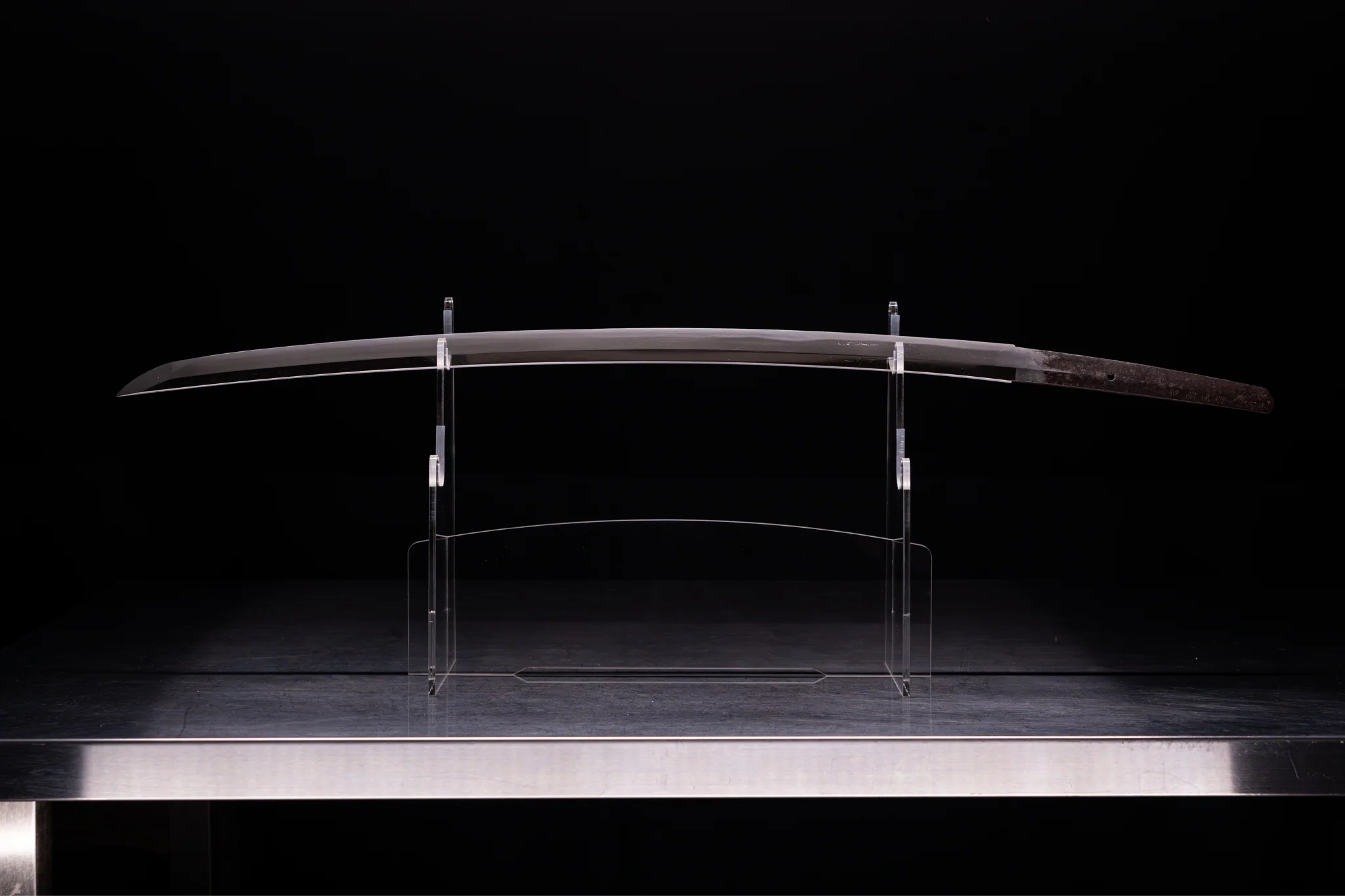
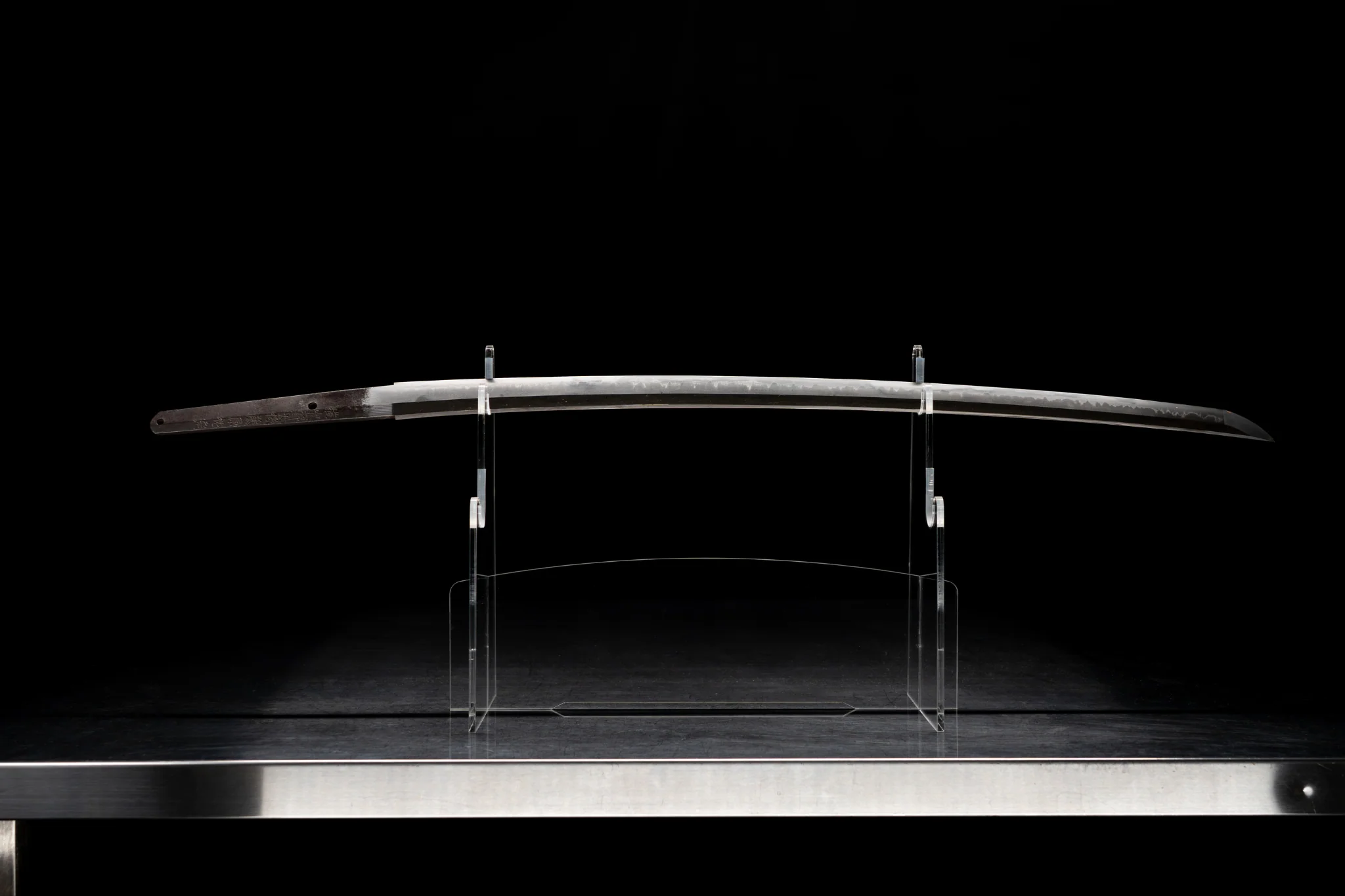
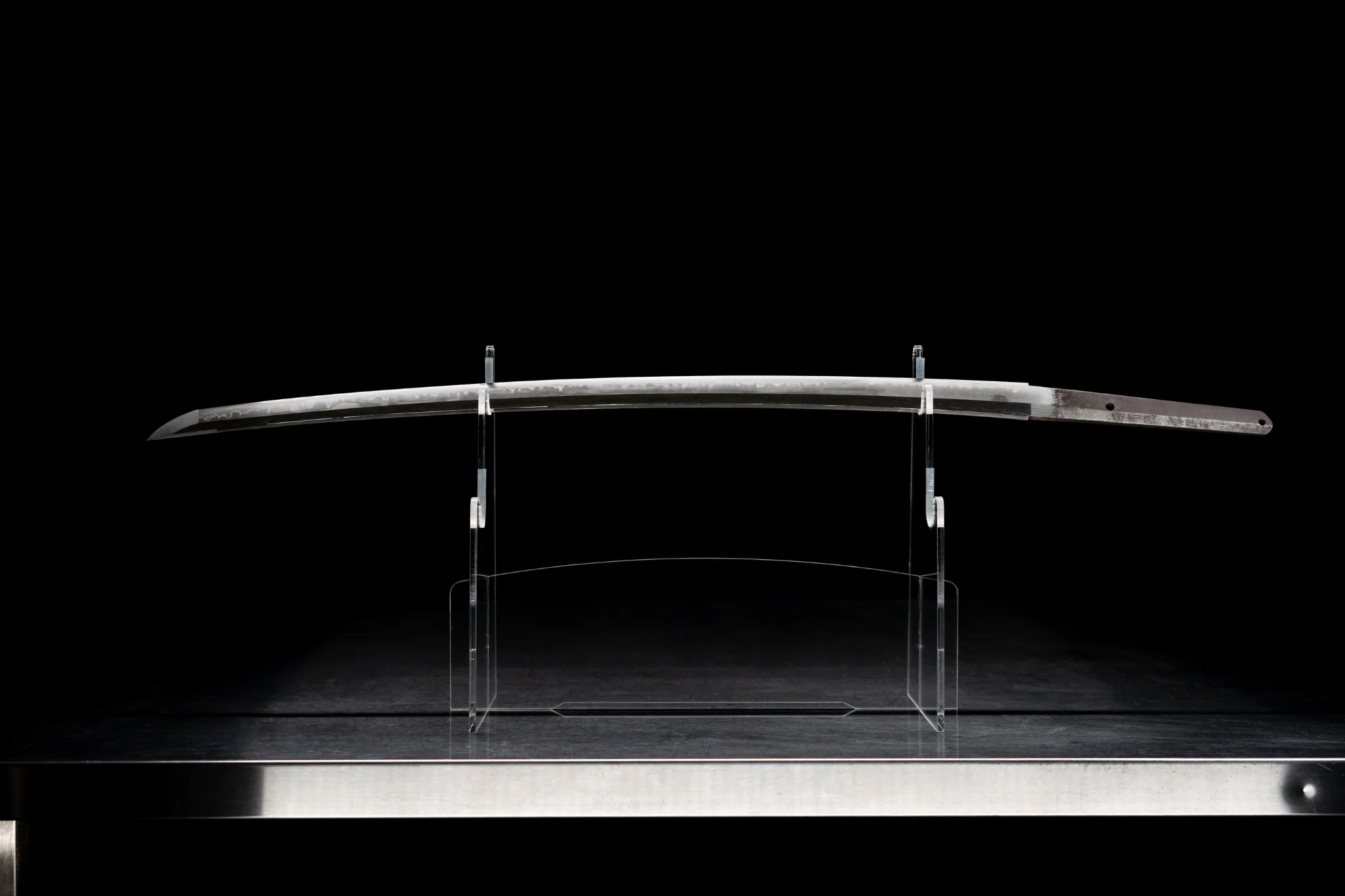
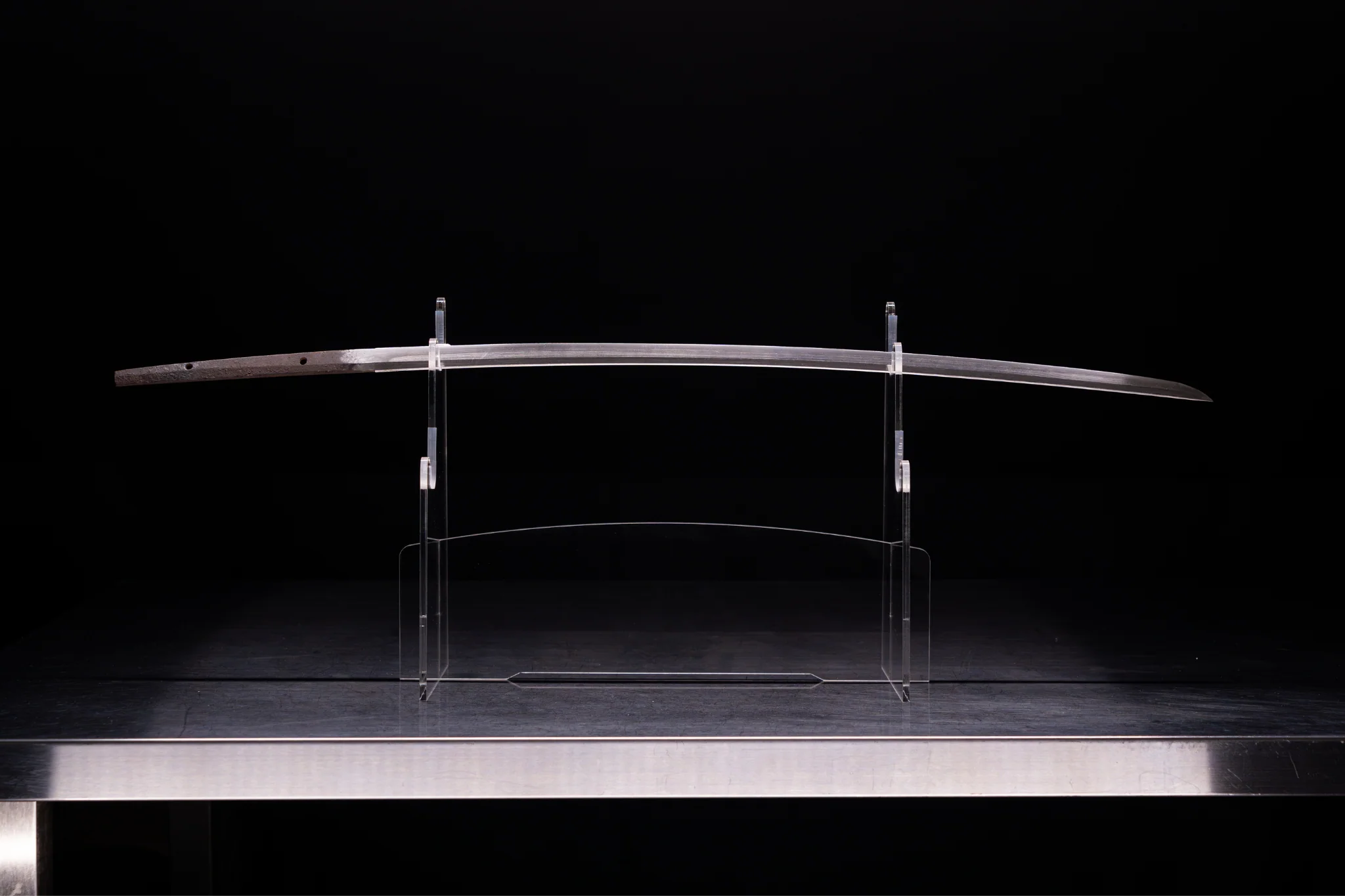
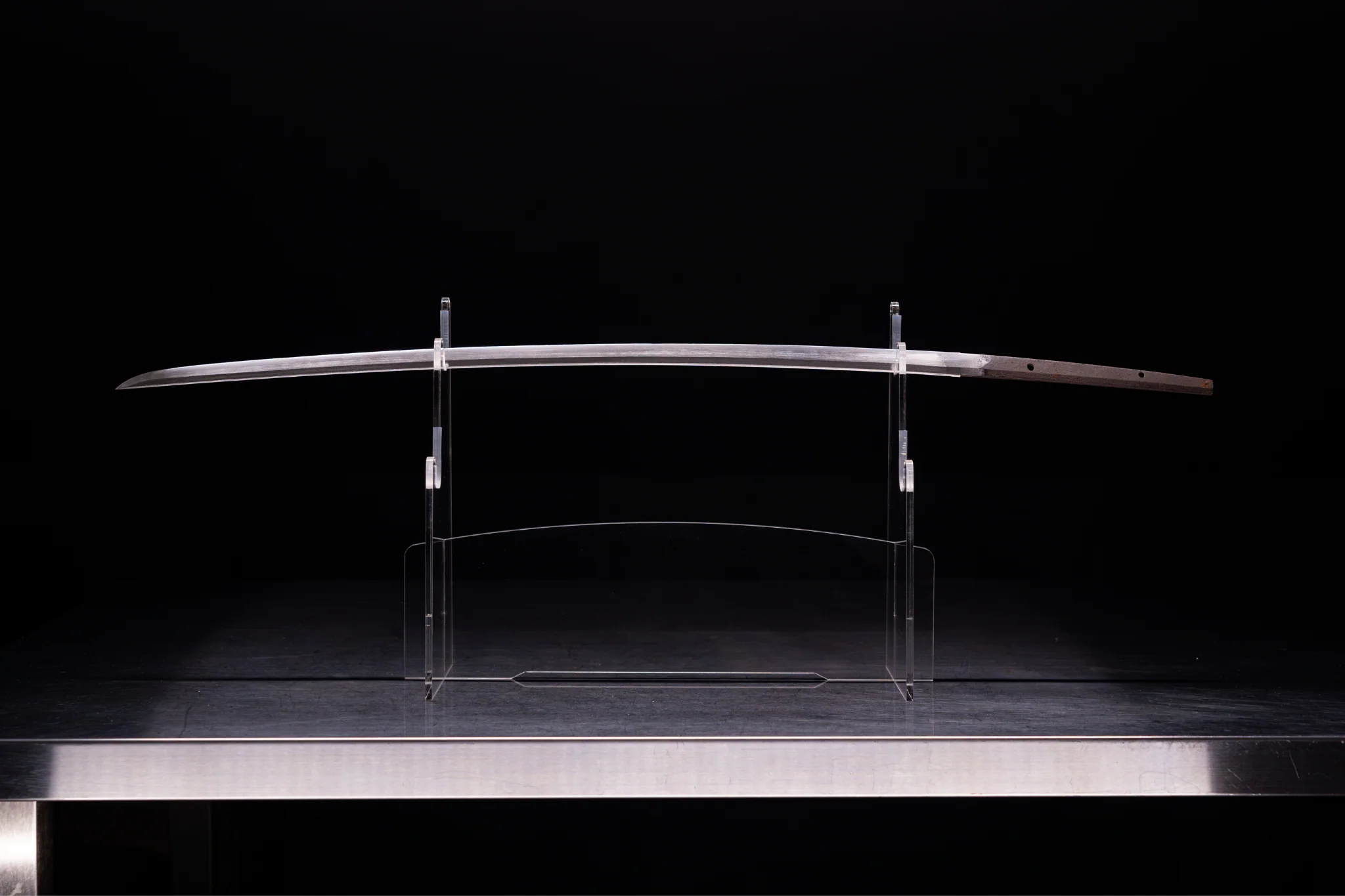
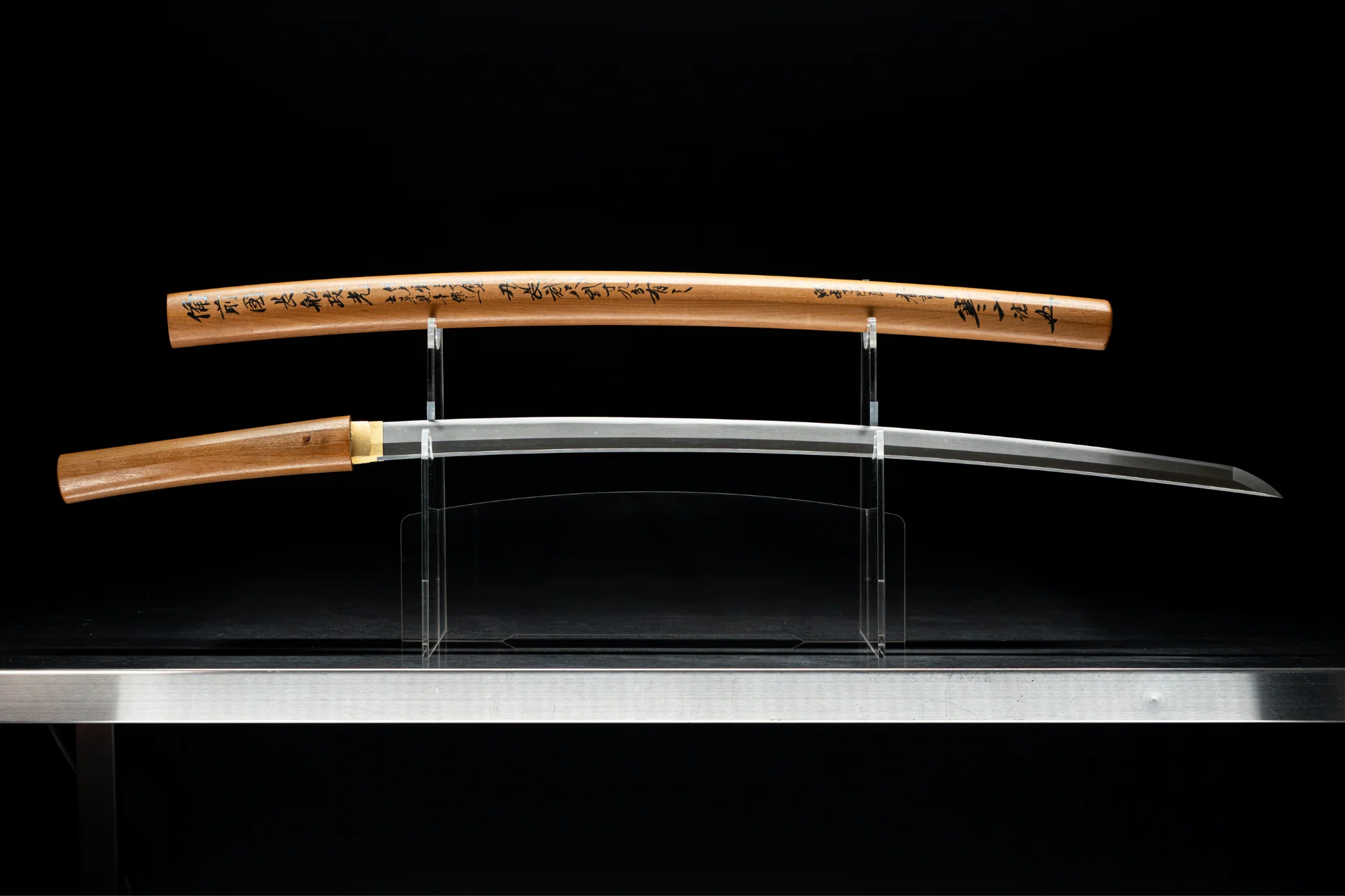
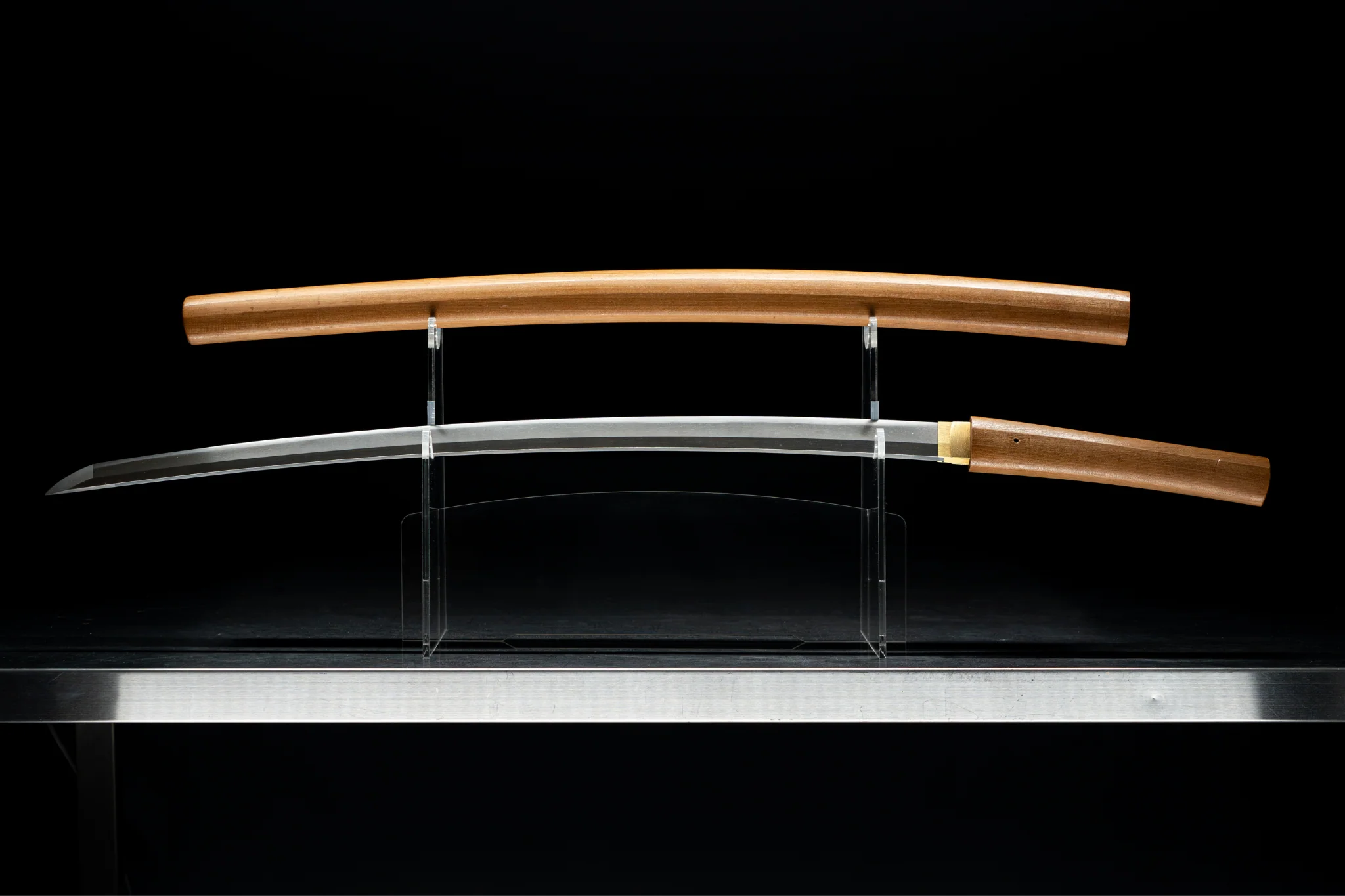
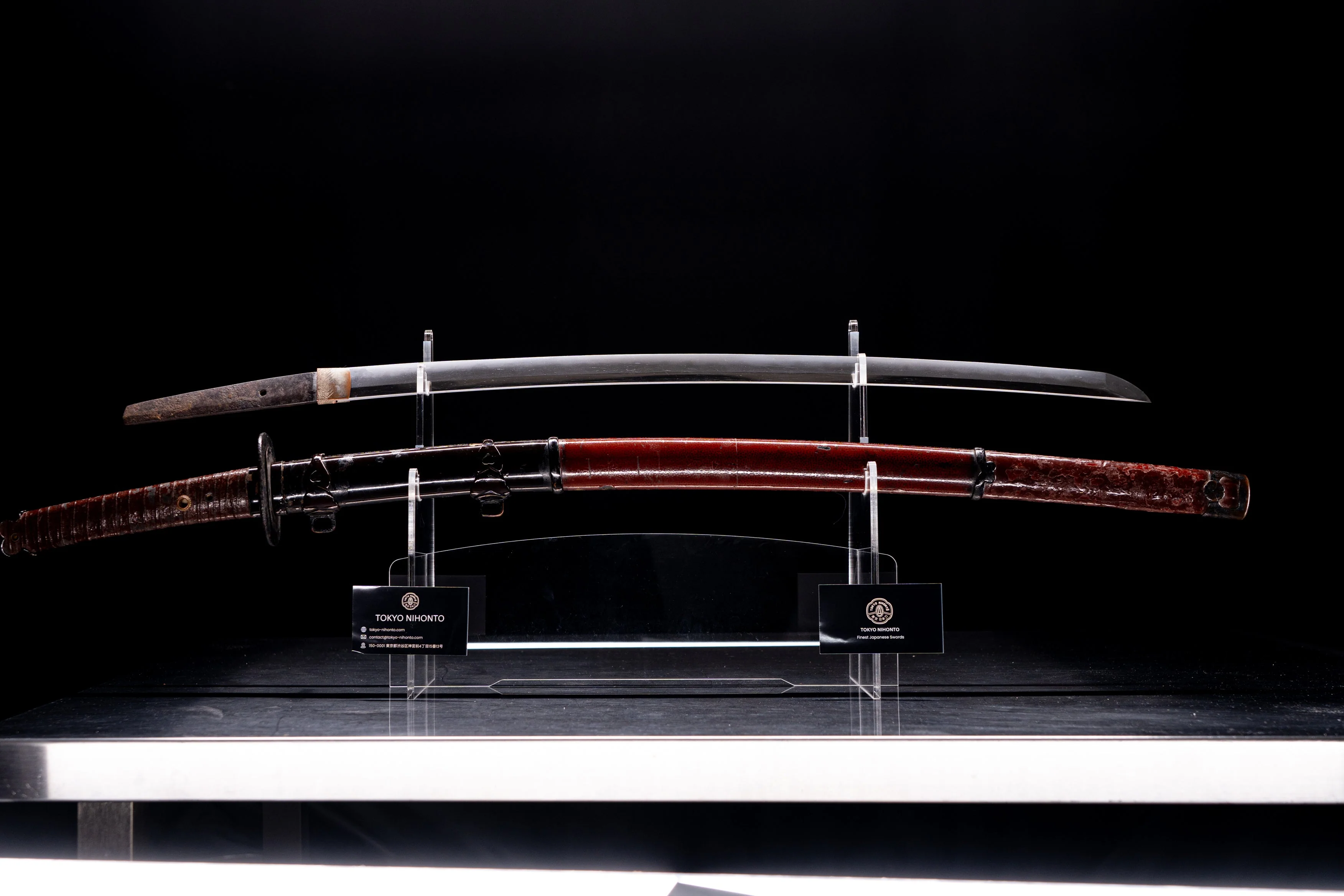
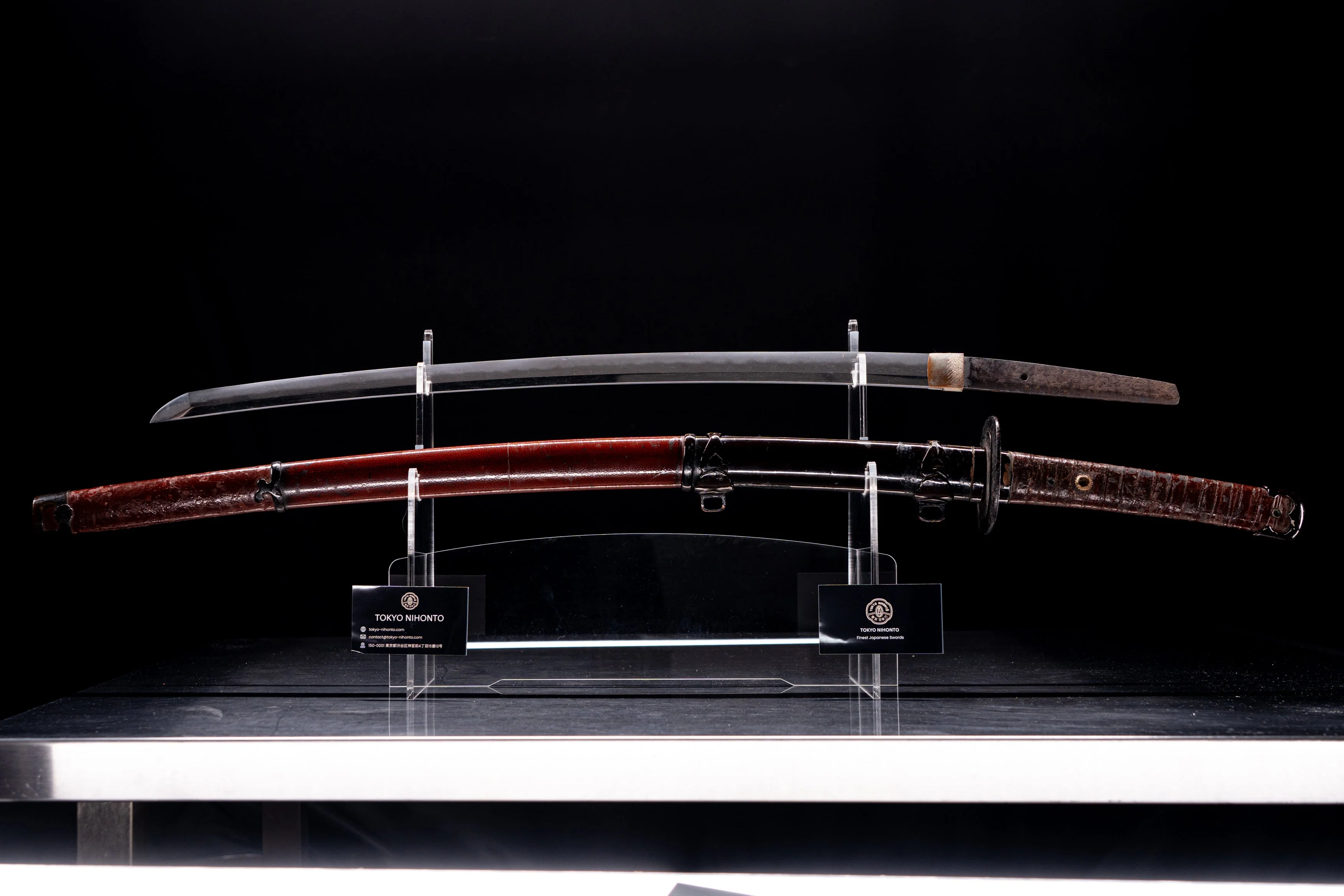
This exceptional katana, estimated to be from the Edo period, showcases superb craftsmanship and intricate details. The blade features a medium curve (Naka-sori) with a shallow depth, crafted in the Shinogi-zukuri style with an Iori-mune (simple back).
Specifications:
- Certificate : Hozon Token
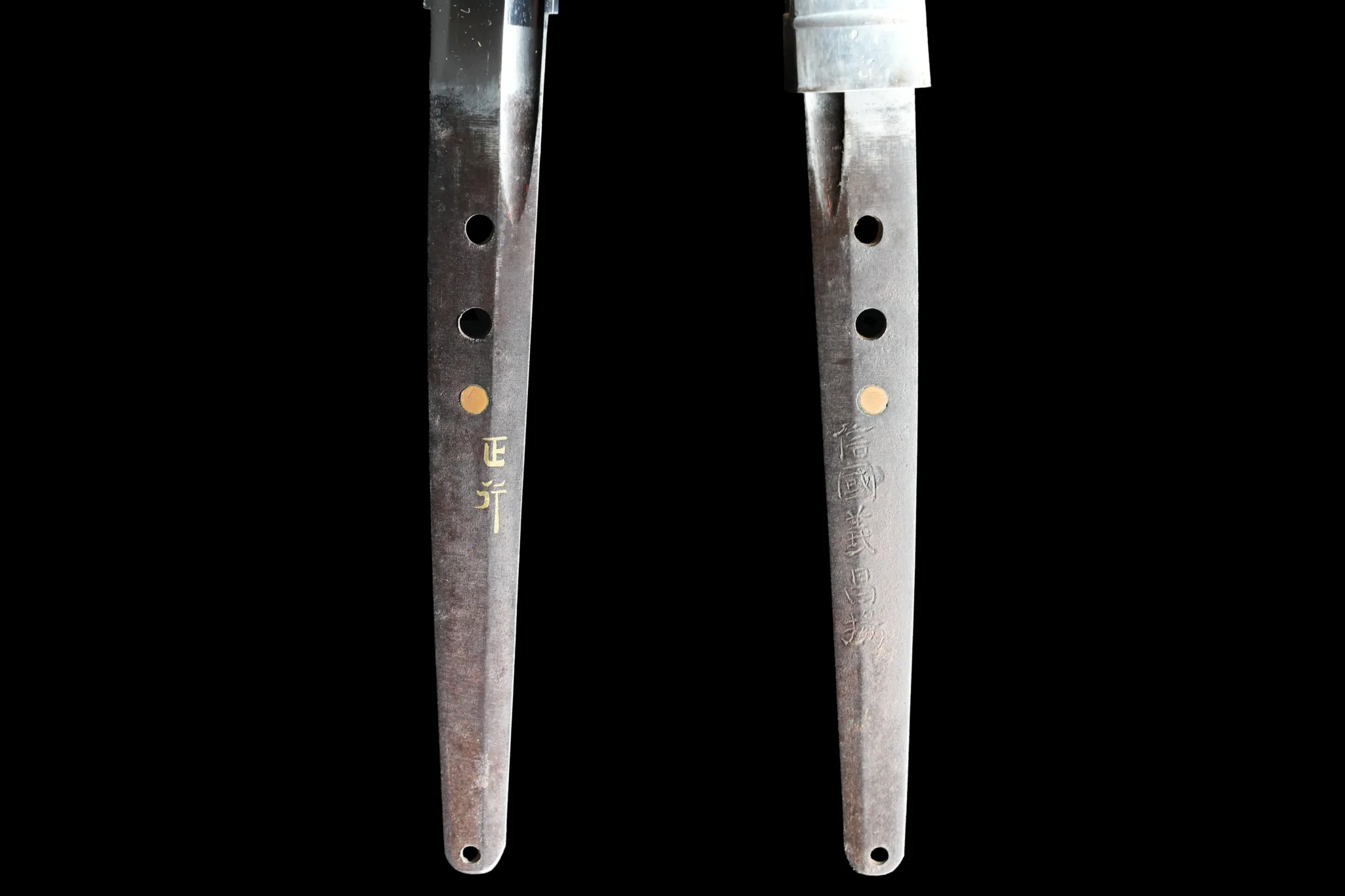
- Mumei
- Blade Length (刃長): 73.3 cm
- Blade Width at Base (元幅): 2.8 cm
- Blade Width at Tip (先幅): 2.0 cm
- Blade Thickness at Base (元重ね): 0.7 cm
- Blade Thickness at Tip (先重ね): 0.5 cm
- Blade Weight (刀身重さ): 662g
- Full Length with Mountings (拵え全長): 110 cm
Features and Additional Details:
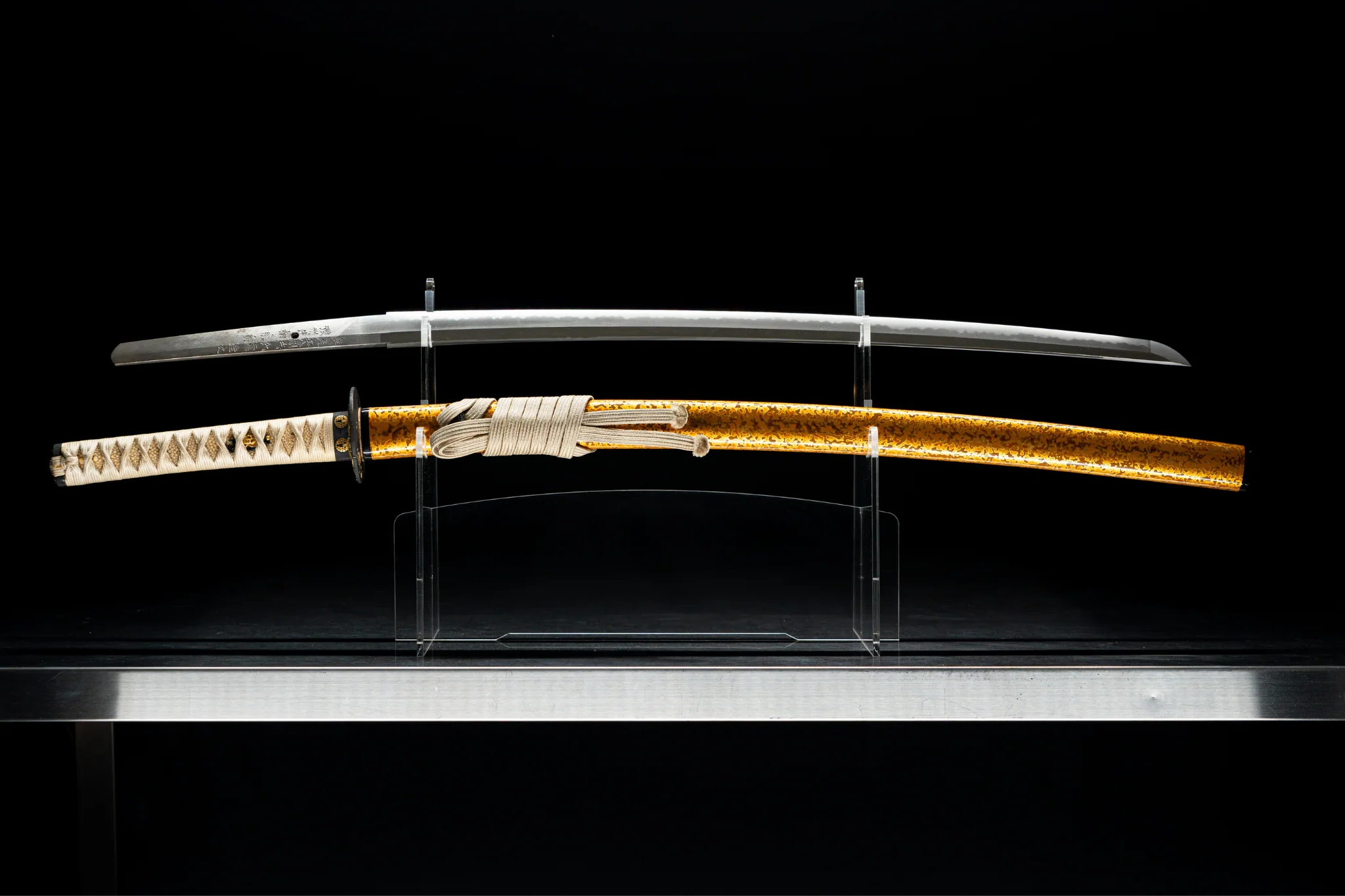
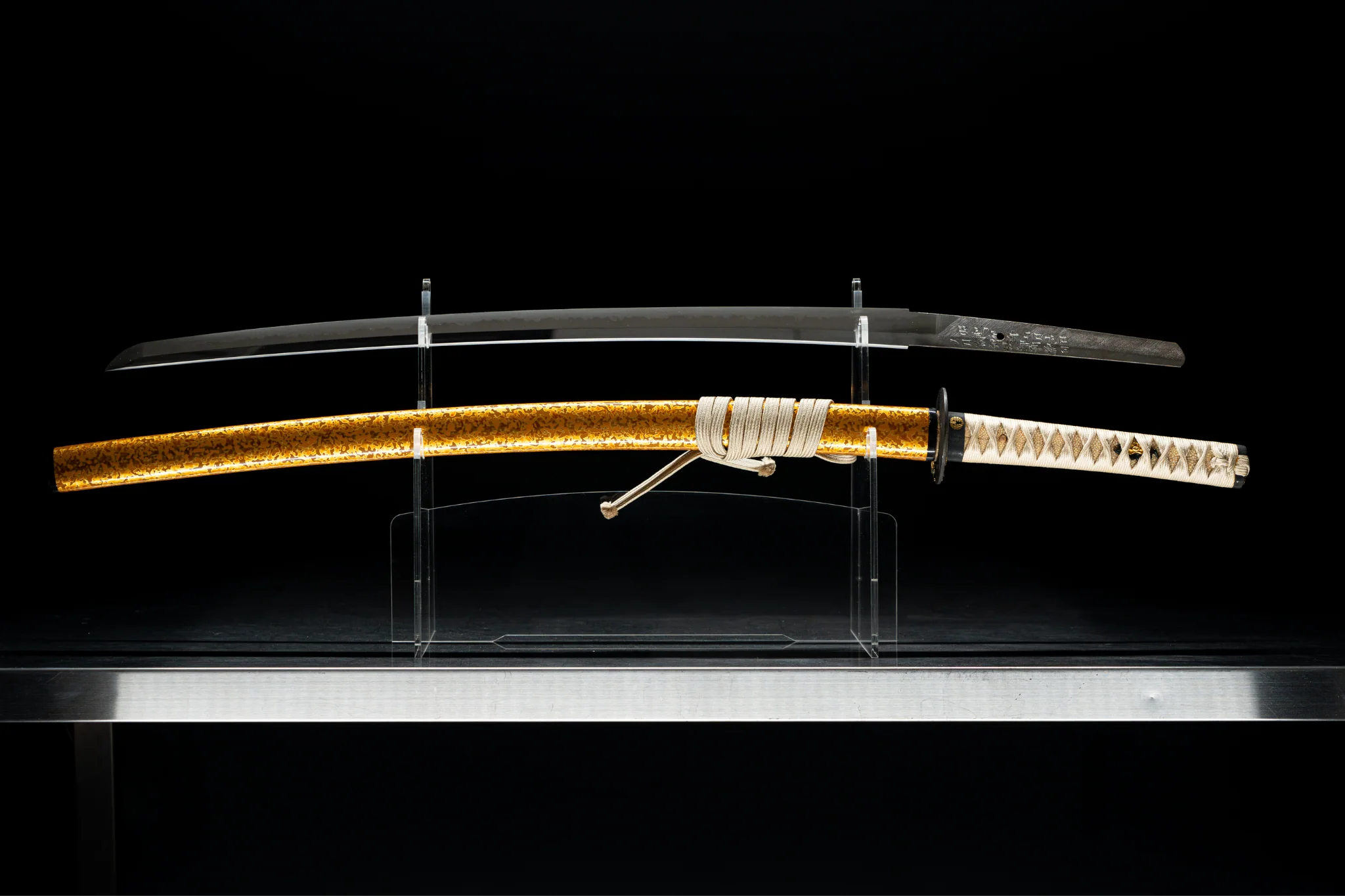
The katana features a medium curve (Naka-sori) with a shallow depth, crafted in the Shinogi-zukuri style with an Iori-mune (simple back). The tip of the blade is small (Ko-kissaki) and has a sweeping finish (Haki-kakeru). The Hamon is slightly undulating (Ko-cho) with small irregularities (Ware). It contains fine nie (martensitic particles) and shows sunagashi (whisker-like lines). The Jigane is a ko-itame-hada mixed with mokume, which stand out distinctly.
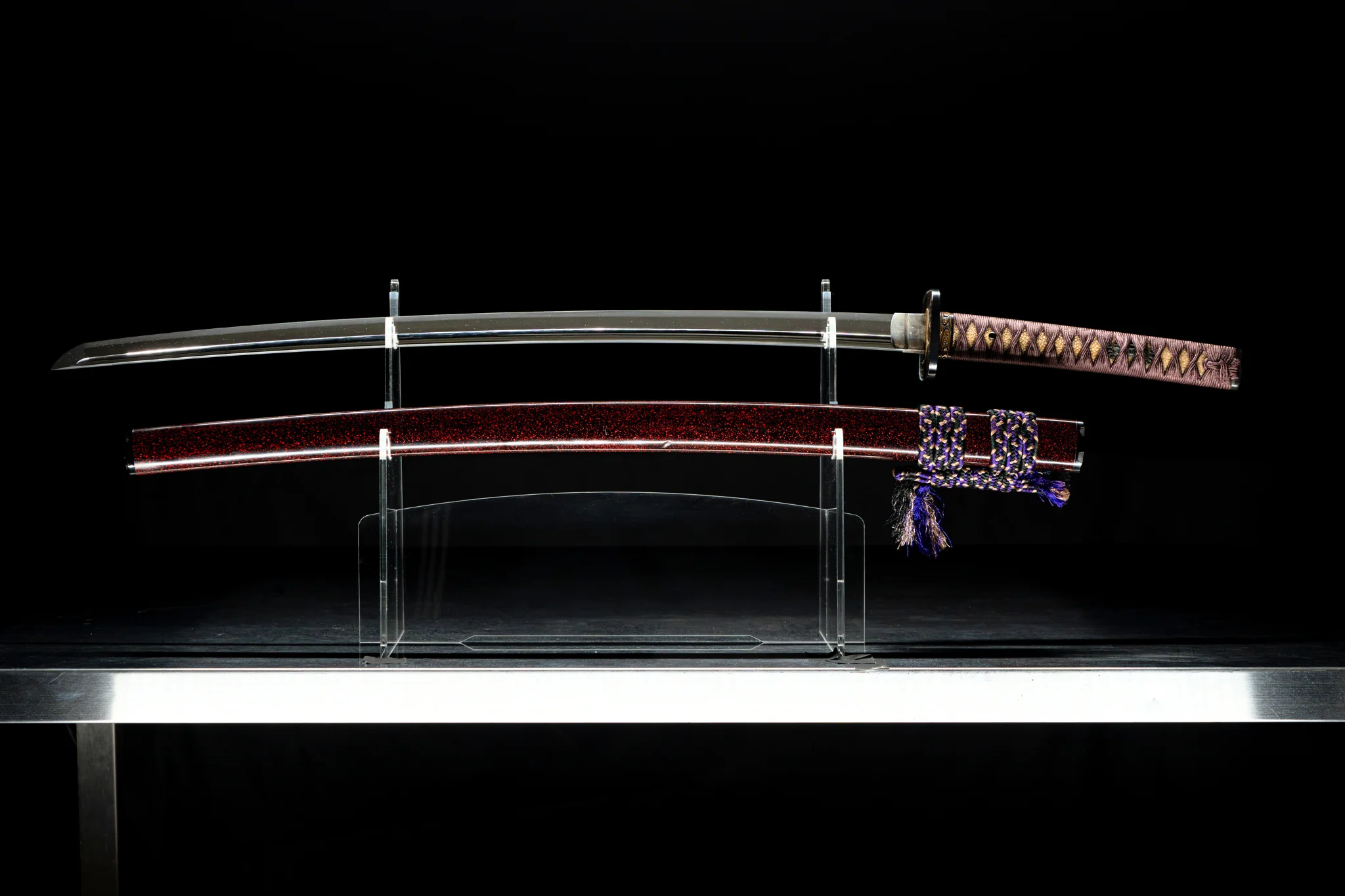
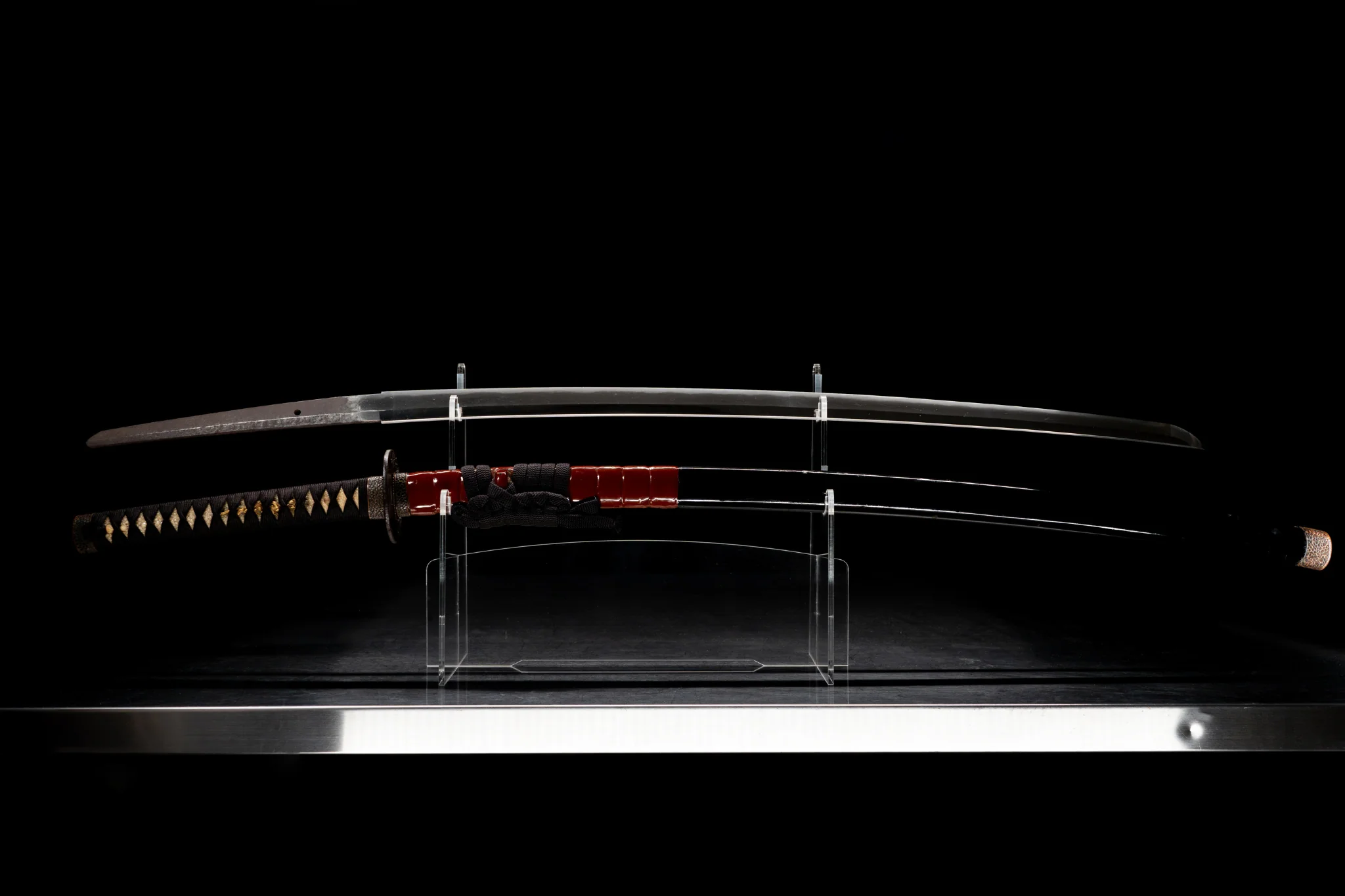
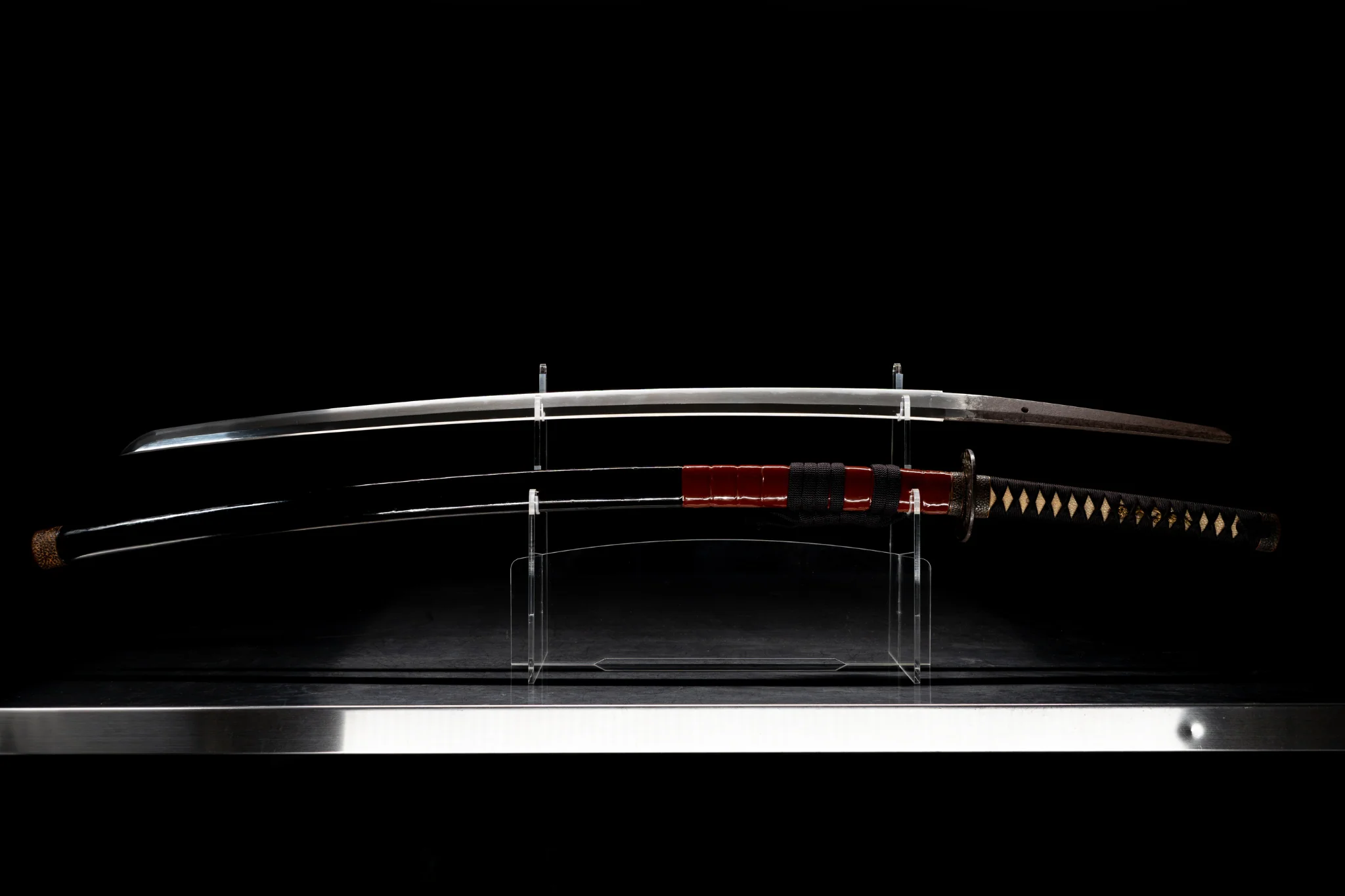
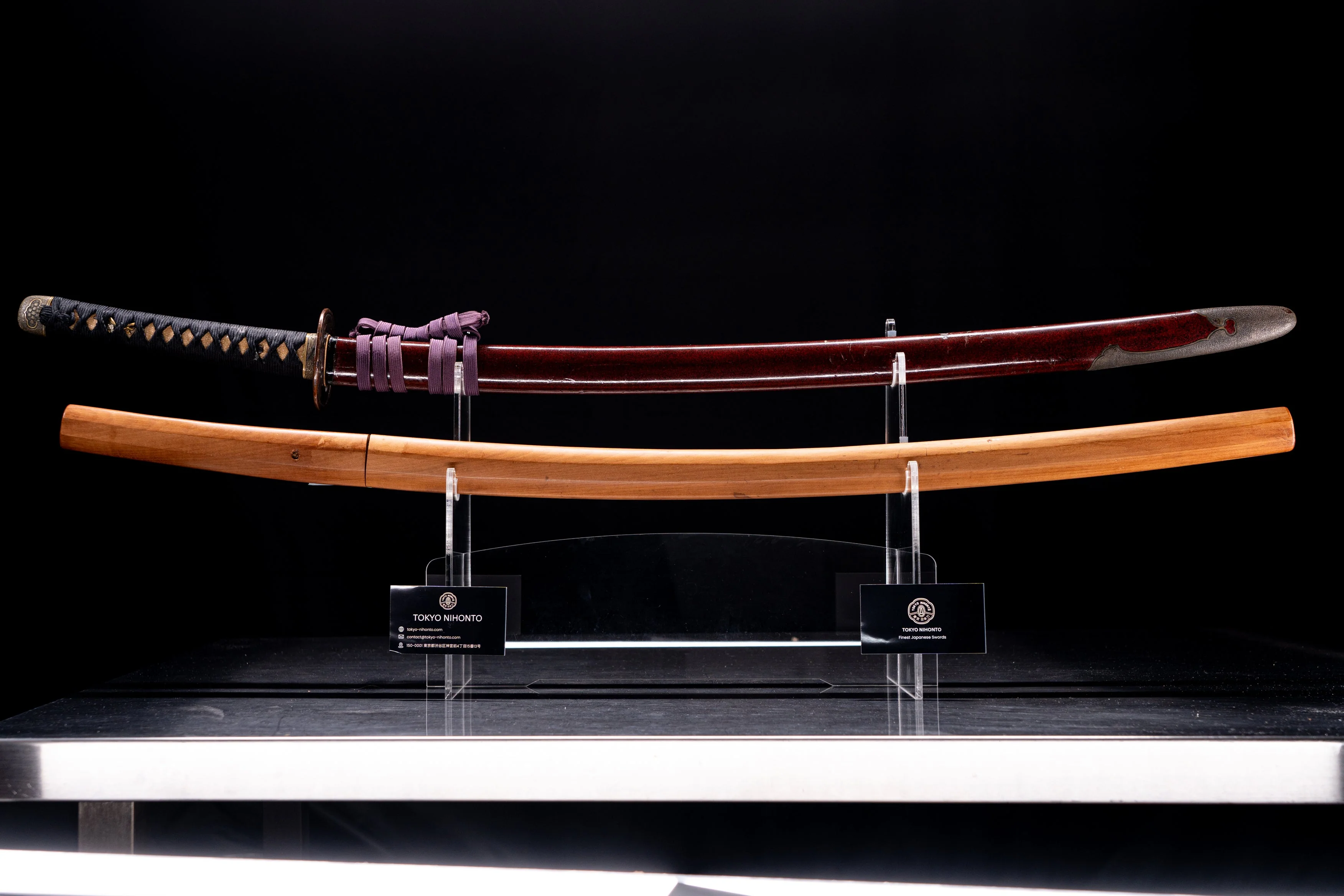
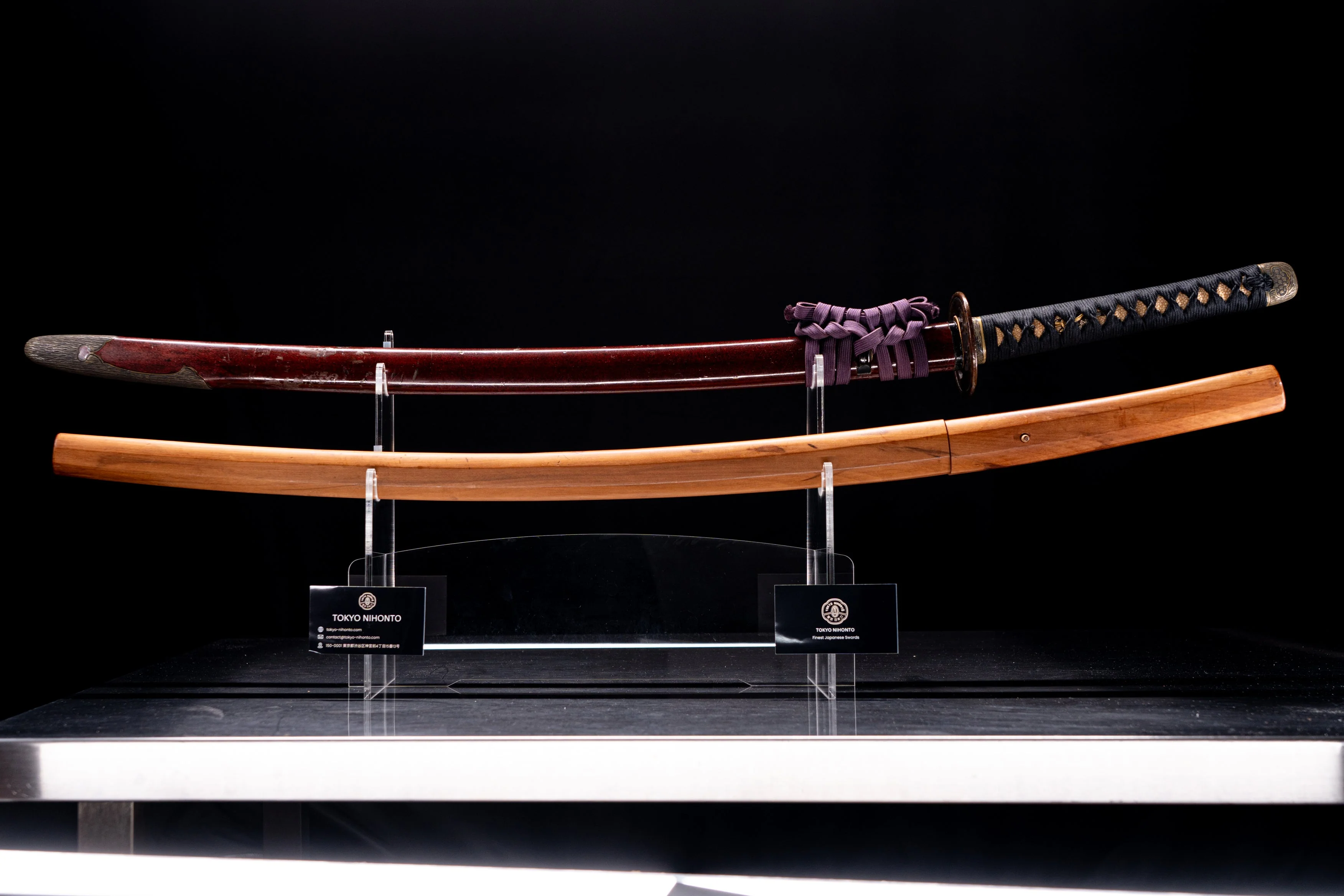
The koshirae is equally impressive. The fuchi-kashira, or pommel and collar, are made of shakudo (an alloy of gold and copper) with a fish egg pattern (Nanako-ji) and feature a gold inlay dragon design (Kin-zogan de Ryu-zu). The menuki, or handle ornaments, are large dragons chasing a pearl. The tsuba, is made of plain copper in a round shape featuring a carp and human figure design. The saya, is lacquered in a red polished vermilion finish
Historical Context :
The swordsmith Kanemaki originated from Mino province and was part of the Seki school. In the early Edo period, he moved to Kanazawa, continuing his craft through five generations. The second generation was summoned to Komatsu by Maeda Toshitsune, a retired daimyo residing at Komatsu Castle. Later generations returned to Kanazawa to continue their work. Swords signed with inscriptions such as "Kashu Kanazawa ju Kanemaki" and "Kashu Komatsu ju Kanemaki" are examples of their craftsmanship. This katana is a testament to the historical significance and exceptional quality that characterizes the Kanemaki lineage.
Original: $3,500.00
-65%$3,500.00
$1,225.00Product Information
Product Information
Shipping & Returns
Shipping & Returns
Description
This exceptional katana, estimated to be from the Edo period, showcases superb craftsmanship and intricate details. The blade features a medium curve (Naka-sori) with a shallow depth, crafted in the Shinogi-zukuri style with an Iori-mune (simple back).
Specifications:
- Certificate : Hozon Token
- Mumei
- Blade Length (刃長): 73.3 cm
- Blade Width at Base (元幅): 2.8 cm
- Blade Width at Tip (先幅): 2.0 cm
- Blade Thickness at Base (元重ね): 0.7 cm
- Blade Thickness at Tip (先重ね): 0.5 cm
- Blade Weight (刀身重さ): 662g
- Full Length with Mountings (拵え全長): 110 cm
Features and Additional Details:
The katana features a medium curve (Naka-sori) with a shallow depth, crafted in the Shinogi-zukuri style with an Iori-mune (simple back). The tip of the blade is small (Ko-kissaki) and has a sweeping finish (Haki-kakeru). The Hamon is slightly undulating (Ko-cho) with small irregularities (Ware). It contains fine nie (martensitic particles) and shows sunagashi (whisker-like lines). The Jigane is a ko-itame-hada mixed with mokume, which stand out distinctly.
The koshirae is equally impressive. The fuchi-kashira, or pommel and collar, are made of shakudo (an alloy of gold and copper) with a fish egg pattern (Nanako-ji) and feature a gold inlay dragon design (Kin-zogan de Ryu-zu). The menuki, or handle ornaments, are large dragons chasing a pearl. The tsuba, is made of plain copper in a round shape featuring a carp and human figure design. The saya, is lacquered in a red polished vermilion finish
Historical Context :
The swordsmith Kanemaki originated from Mino province and was part of the Seki school. In the early Edo period, he moved to Kanazawa, continuing his craft through five generations. The second generation was summoned to Komatsu by Maeda Toshitsune, a retired daimyo residing at Komatsu Castle. Later generations returned to Kanazawa to continue their work. Swords signed with inscriptions such as "Kashu Kanazawa ju Kanemaki" and "Kashu Komatsu ju Kanemaki" are examples of their craftsmanship. This katana is a testament to the historical significance and exceptional quality that characterizes the Kanemaki lineage.