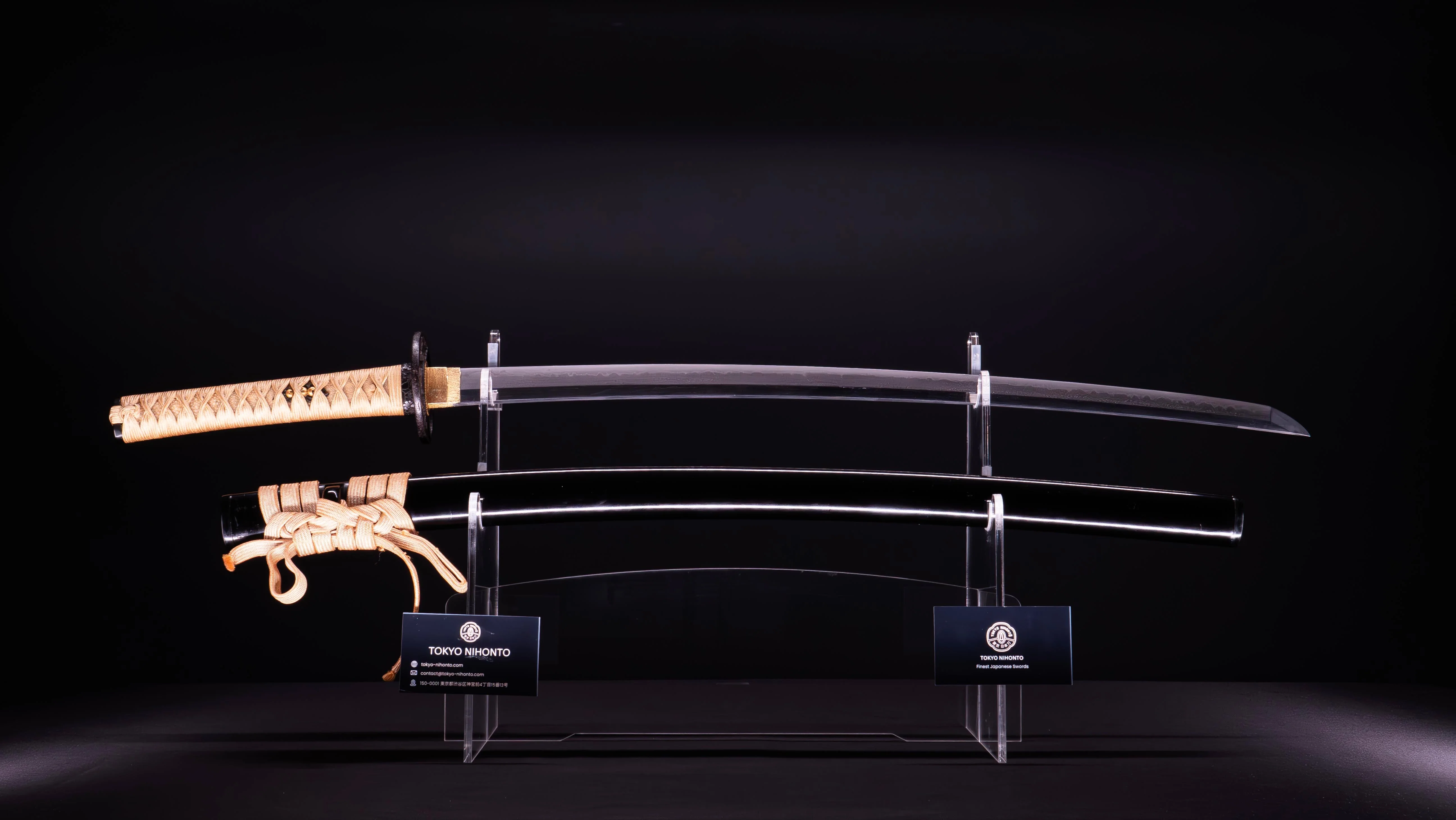
Antique Japanese Sword Katana Midare Hamon, Sukashi Tsuba
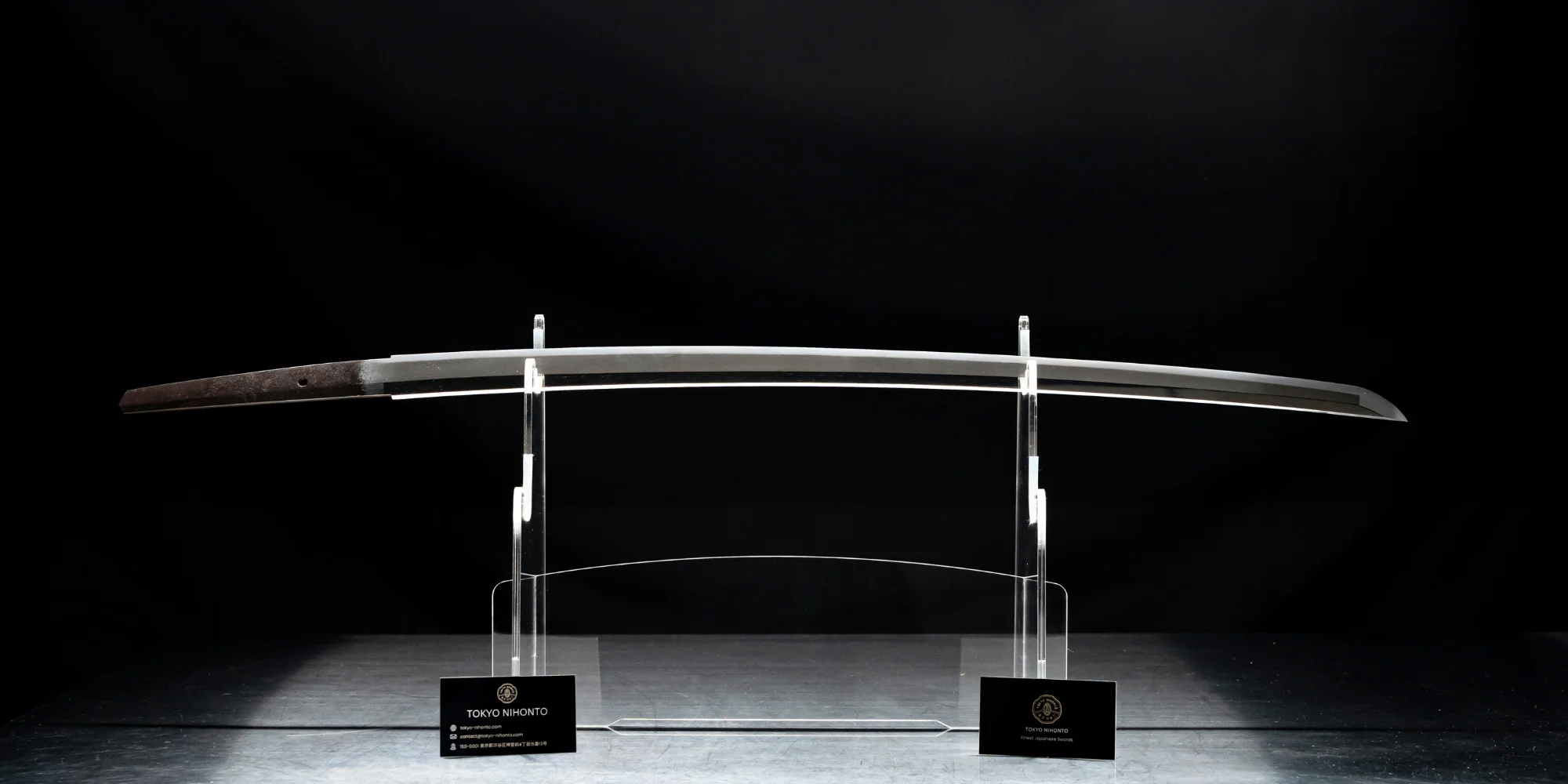
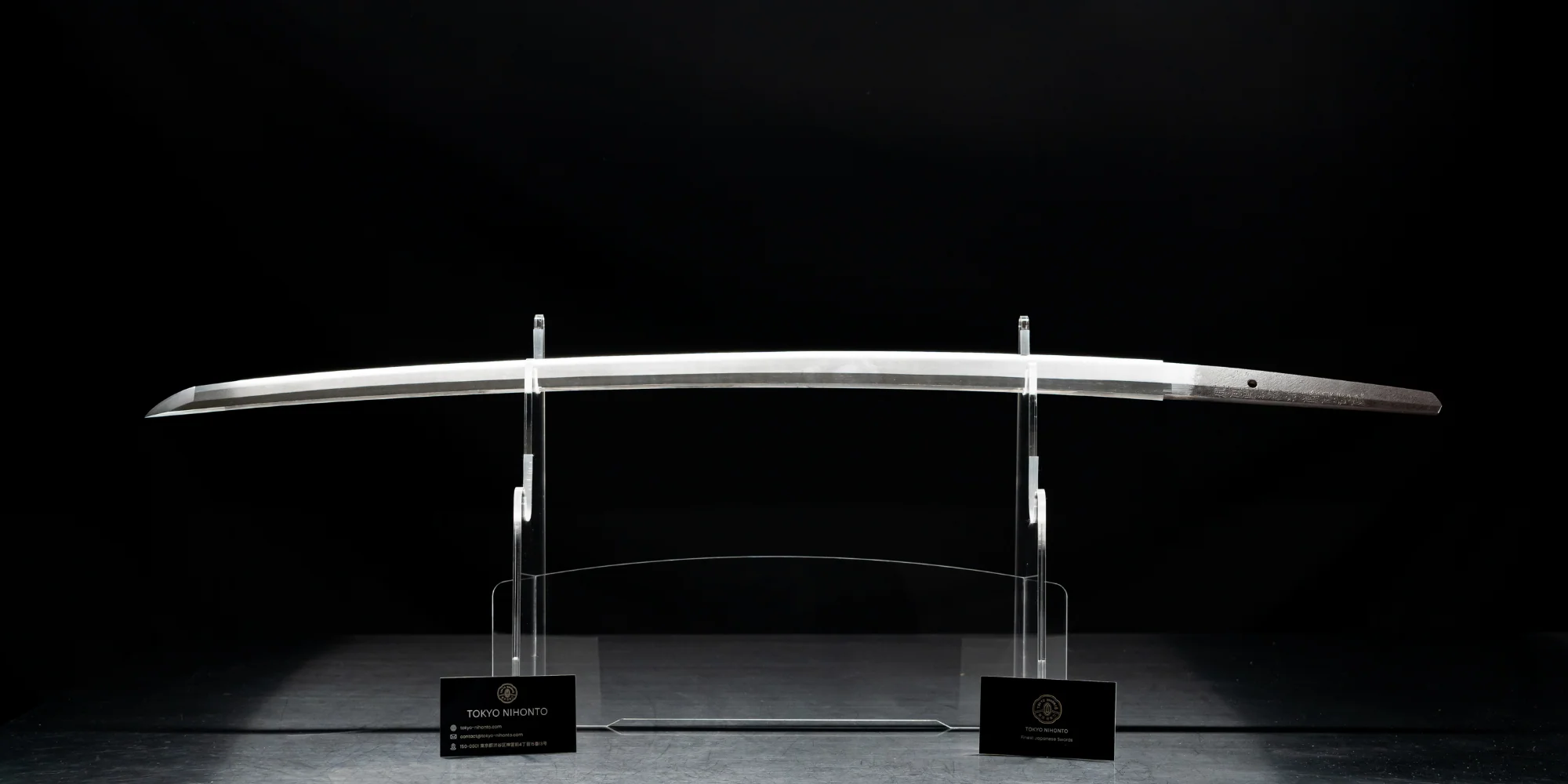
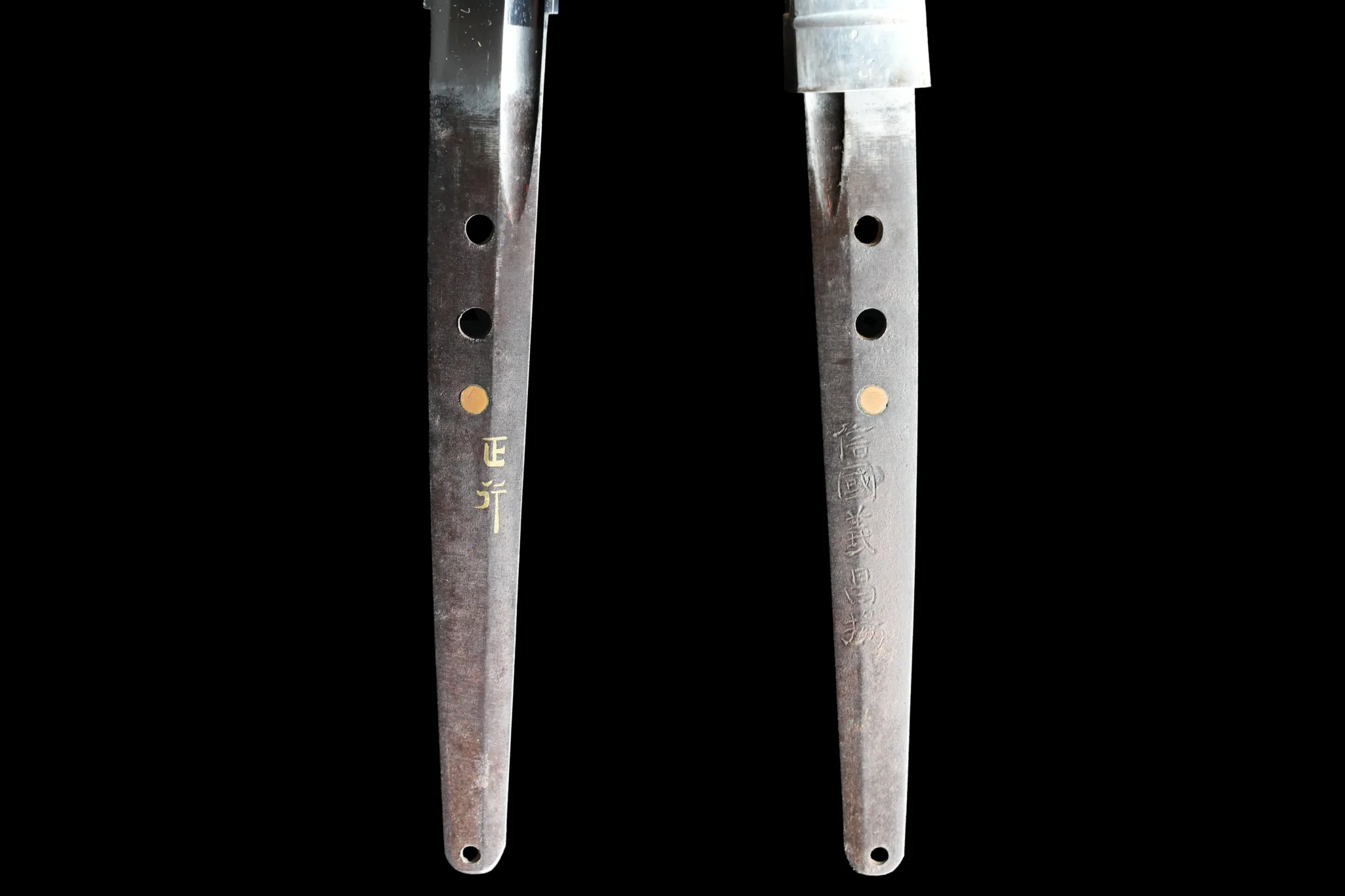
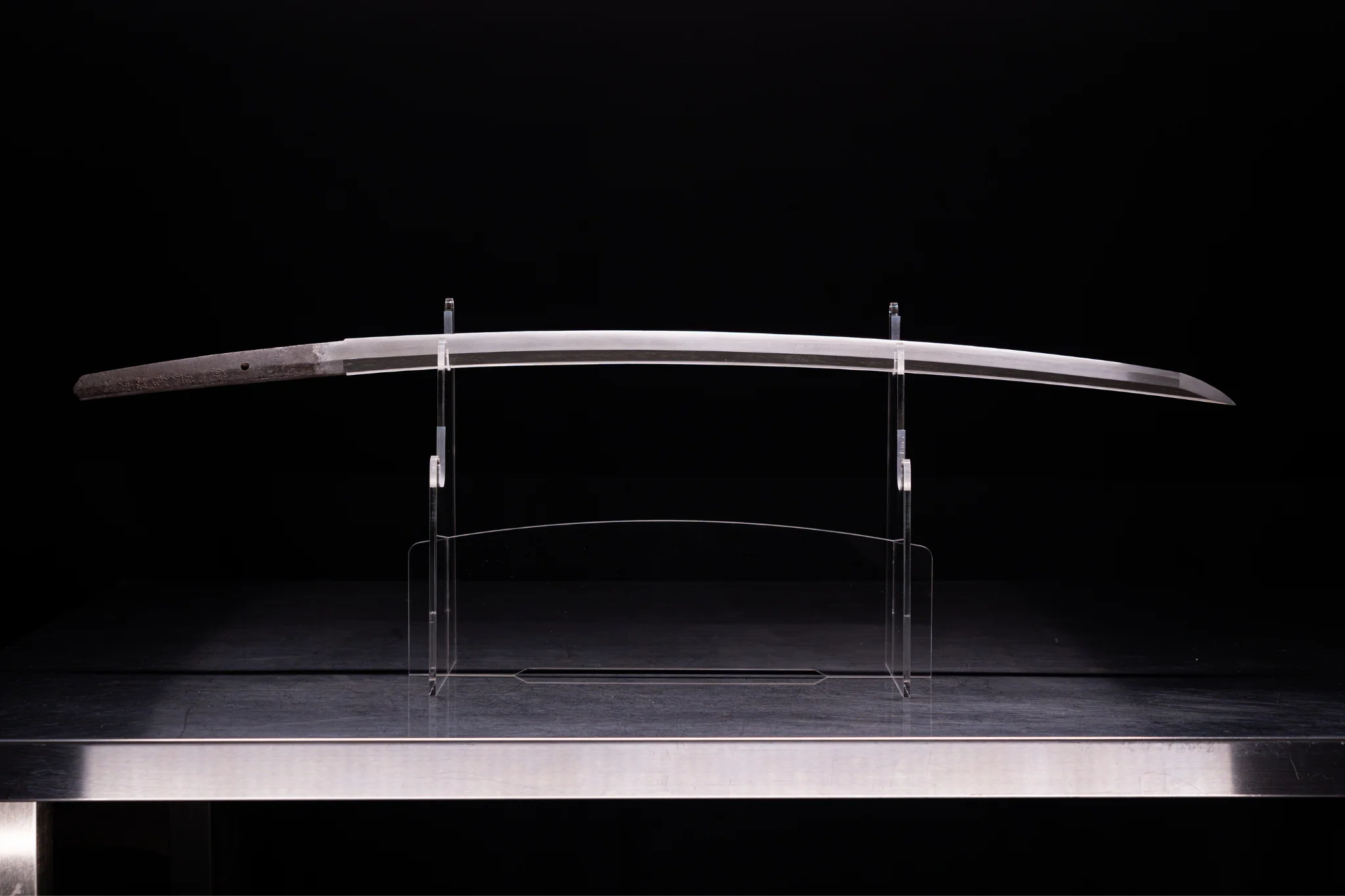
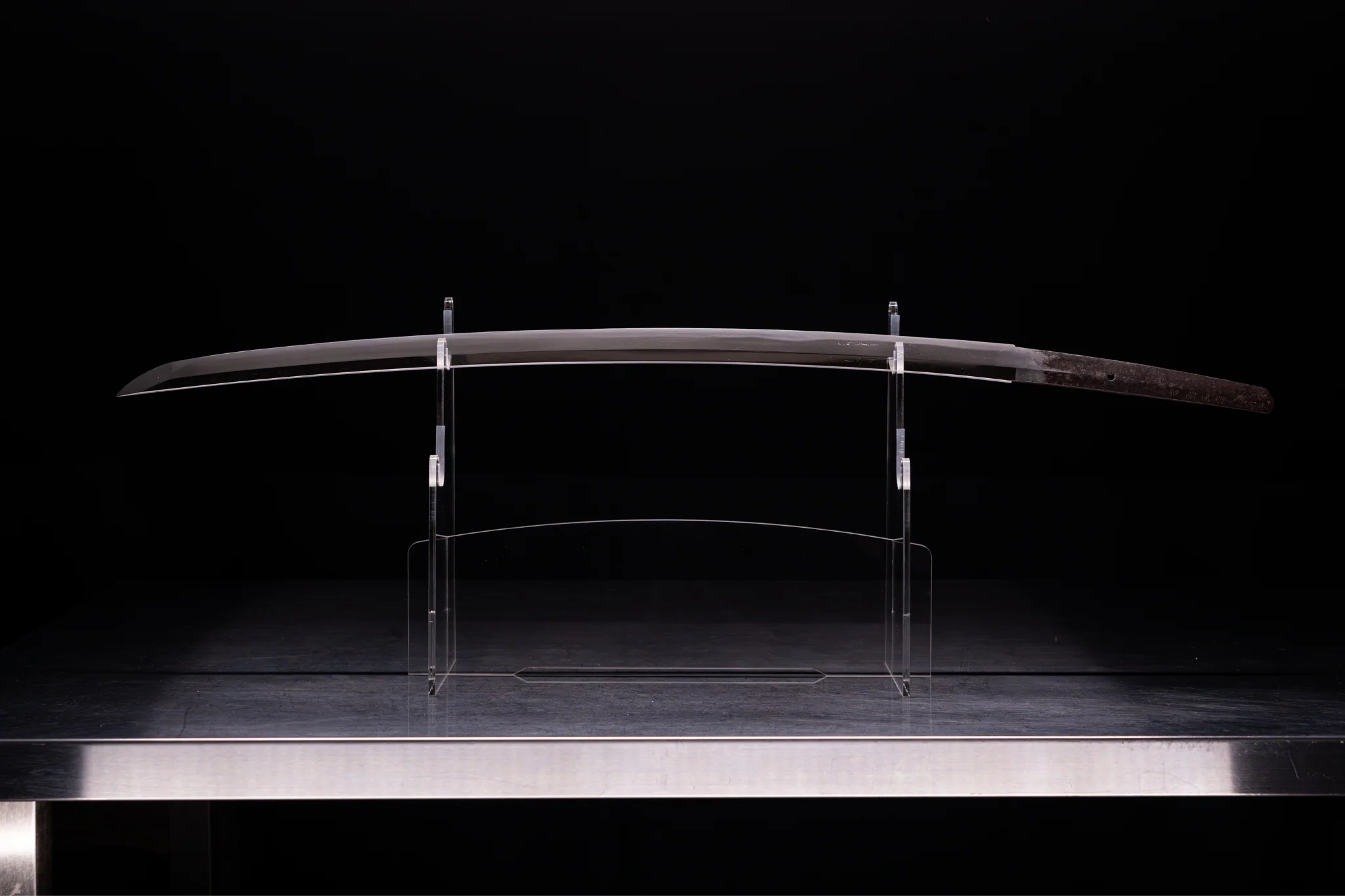
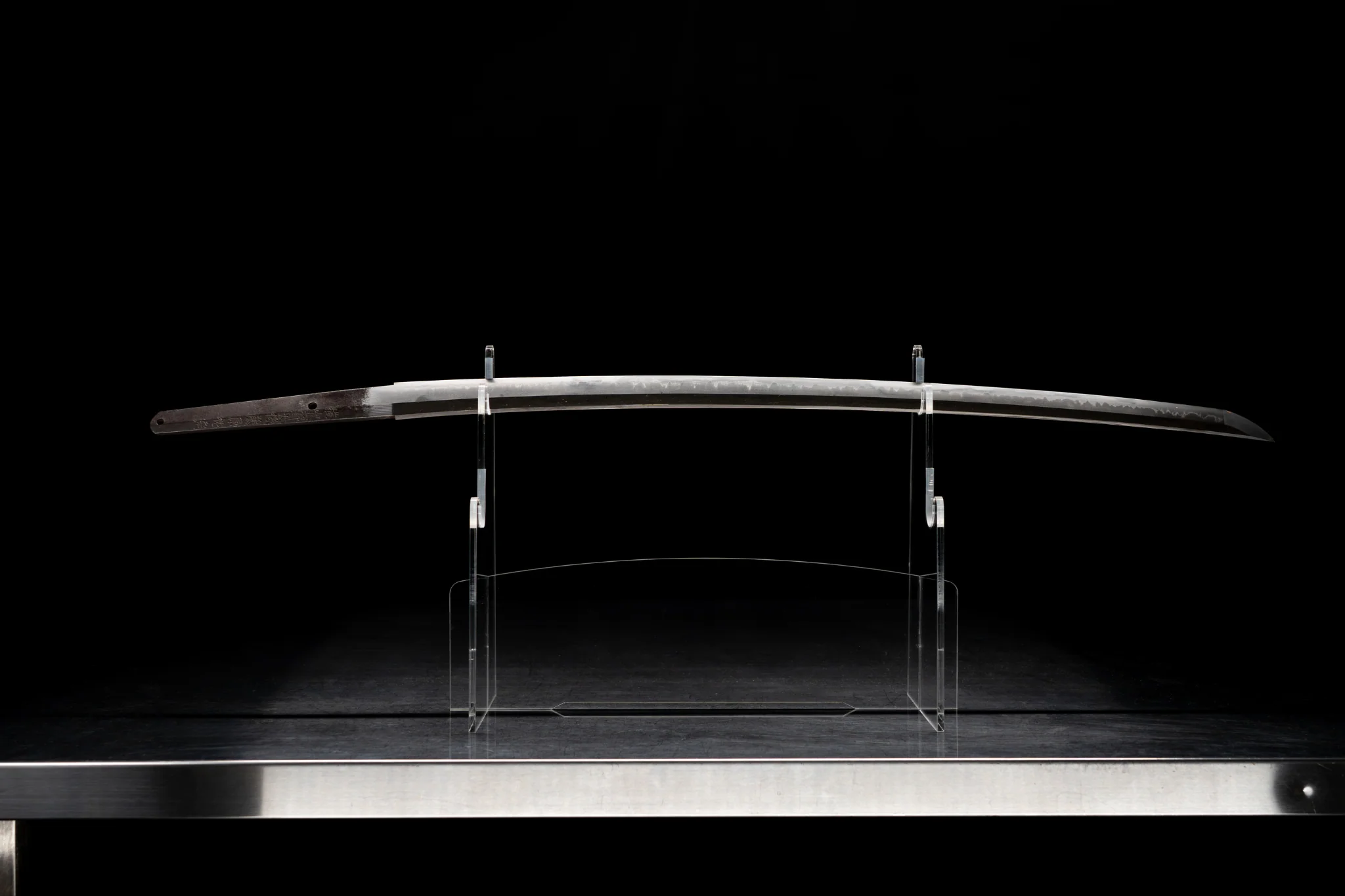
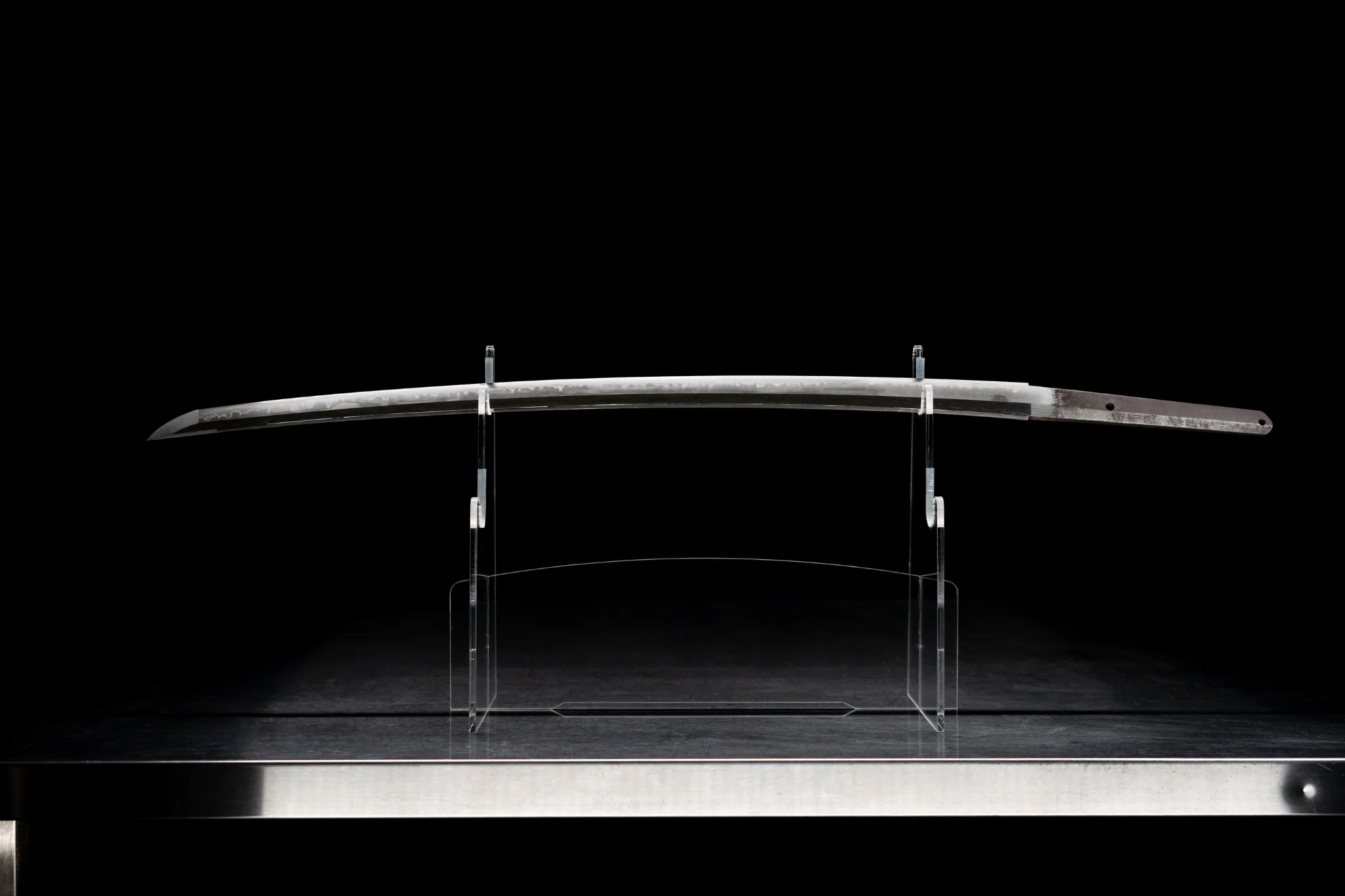
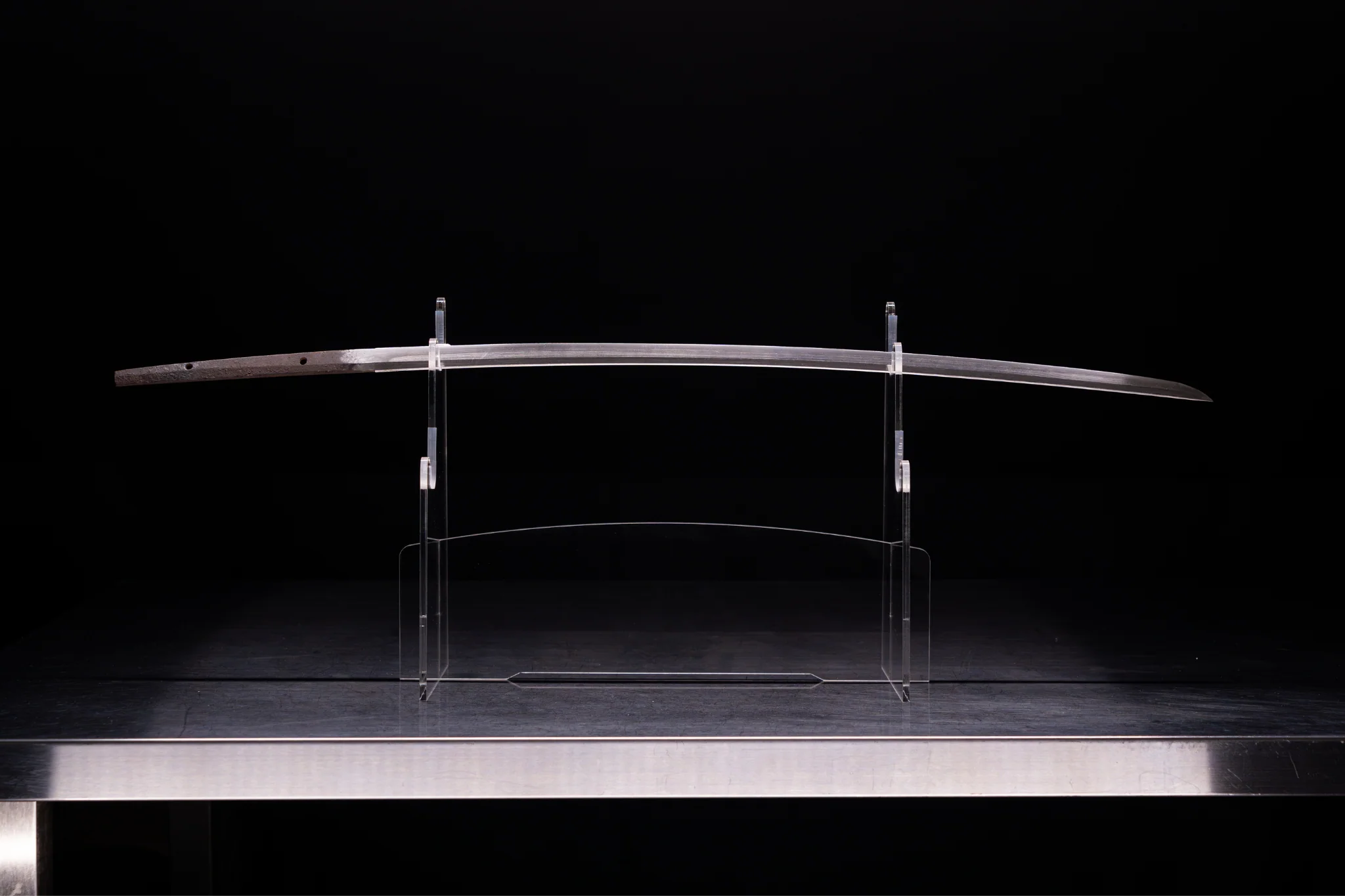
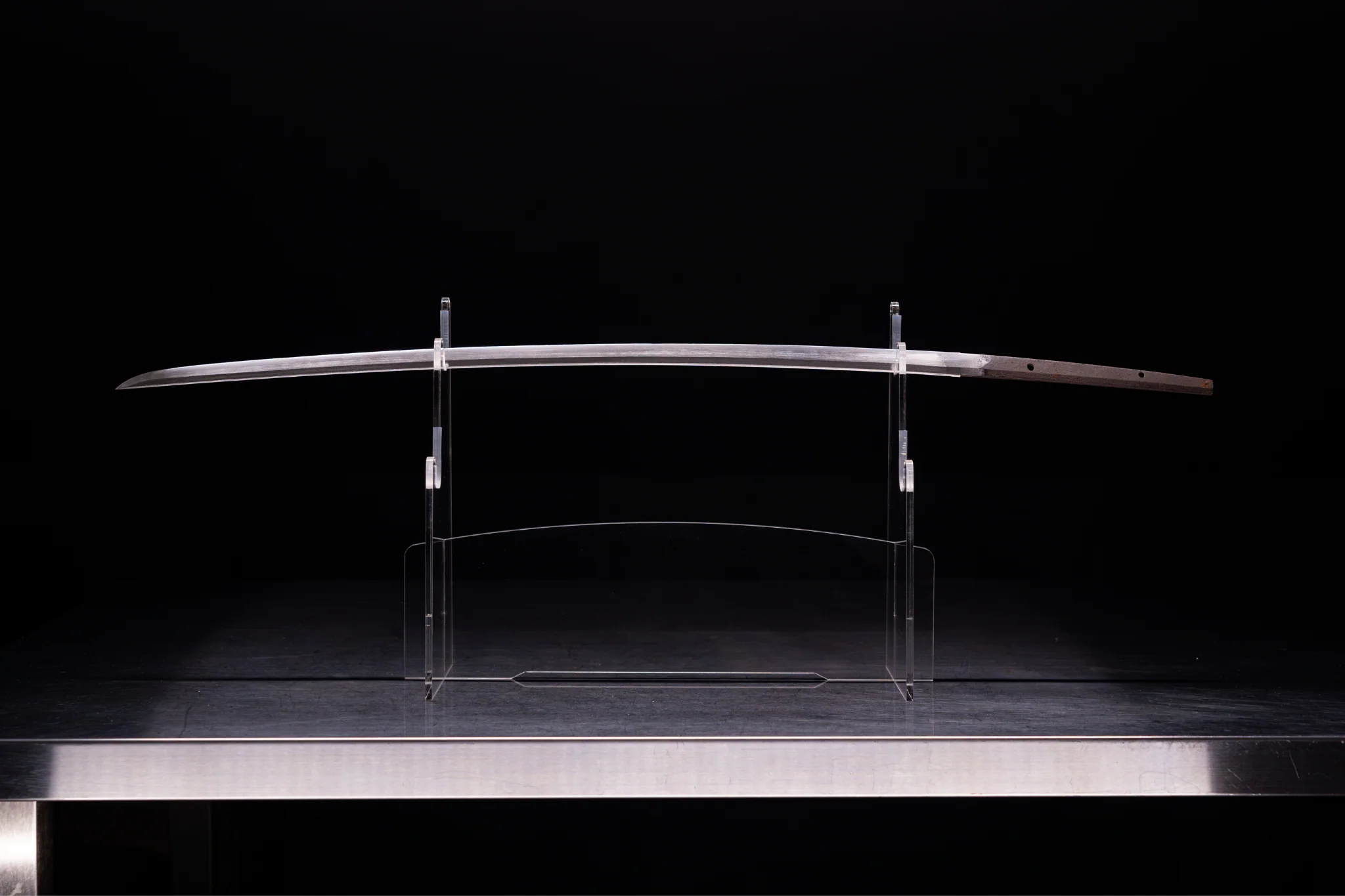
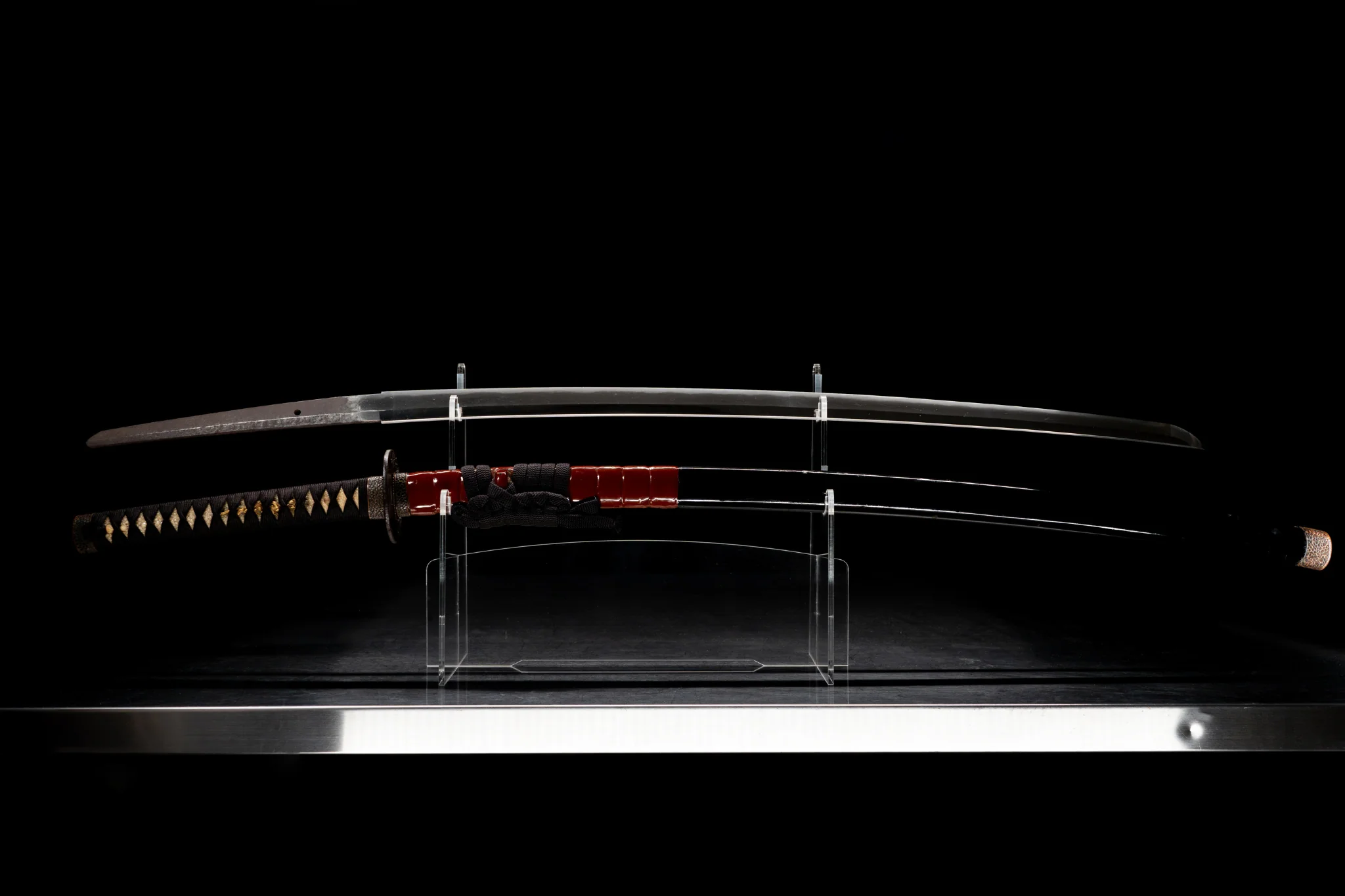
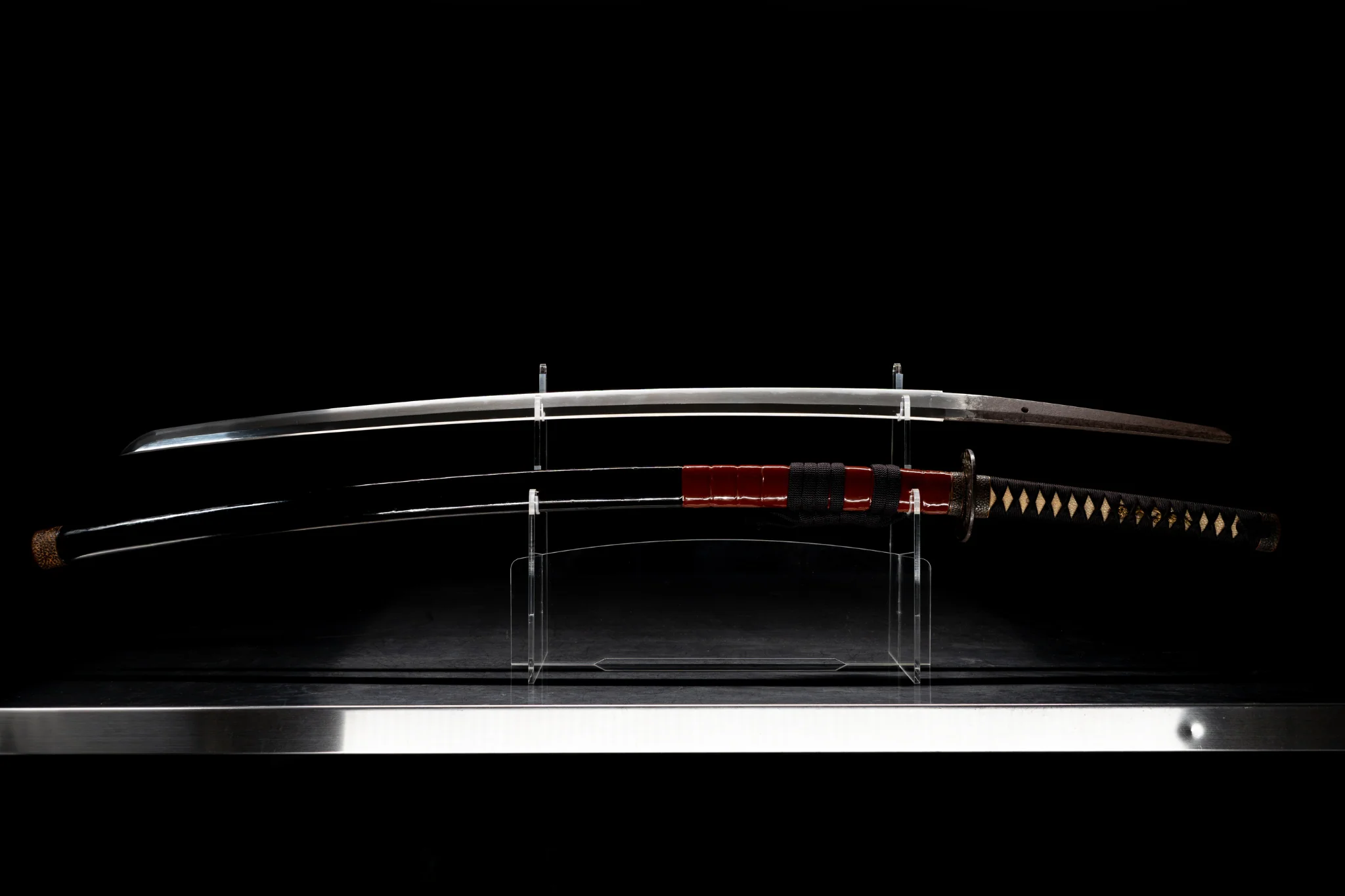
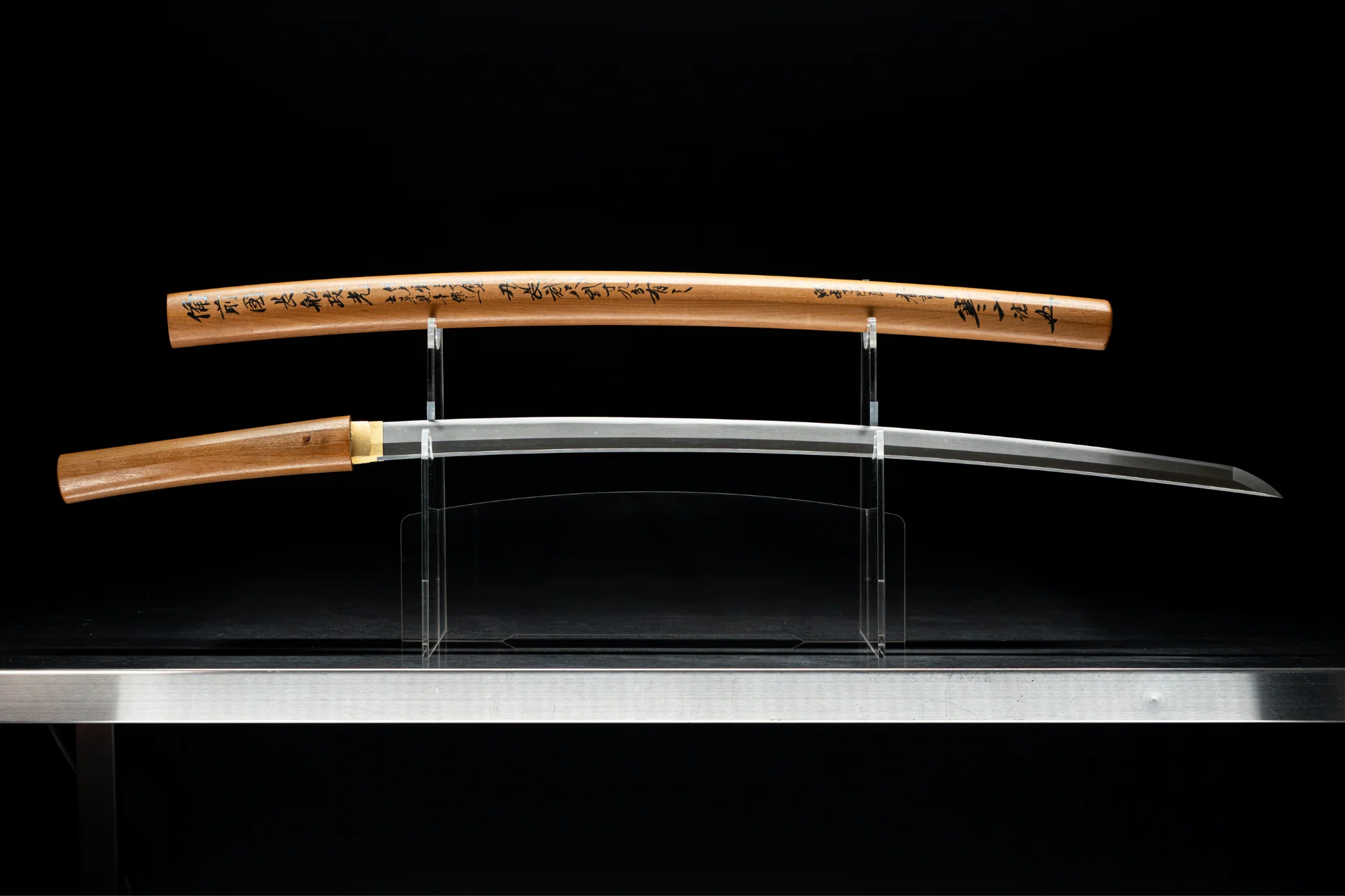
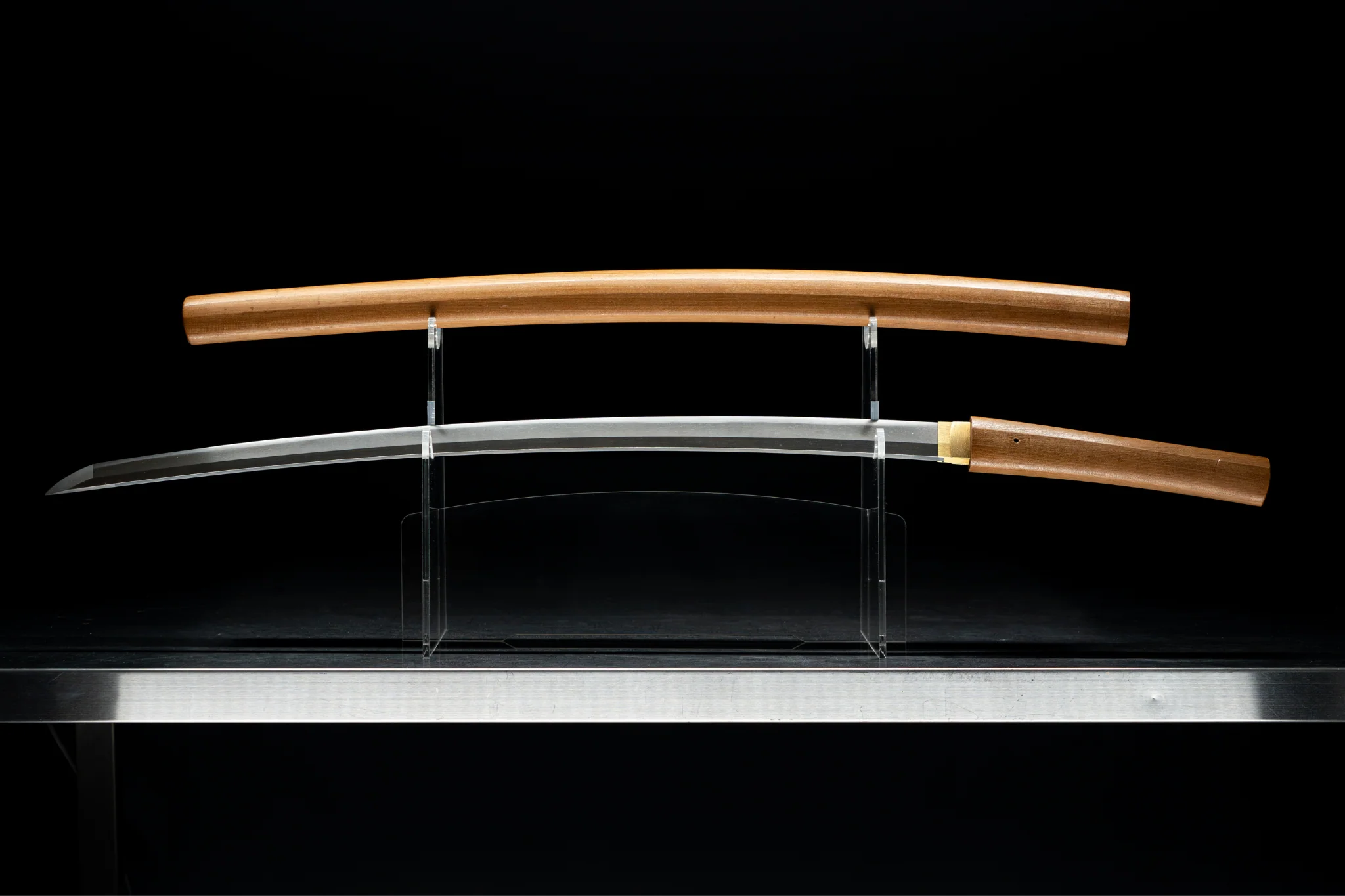
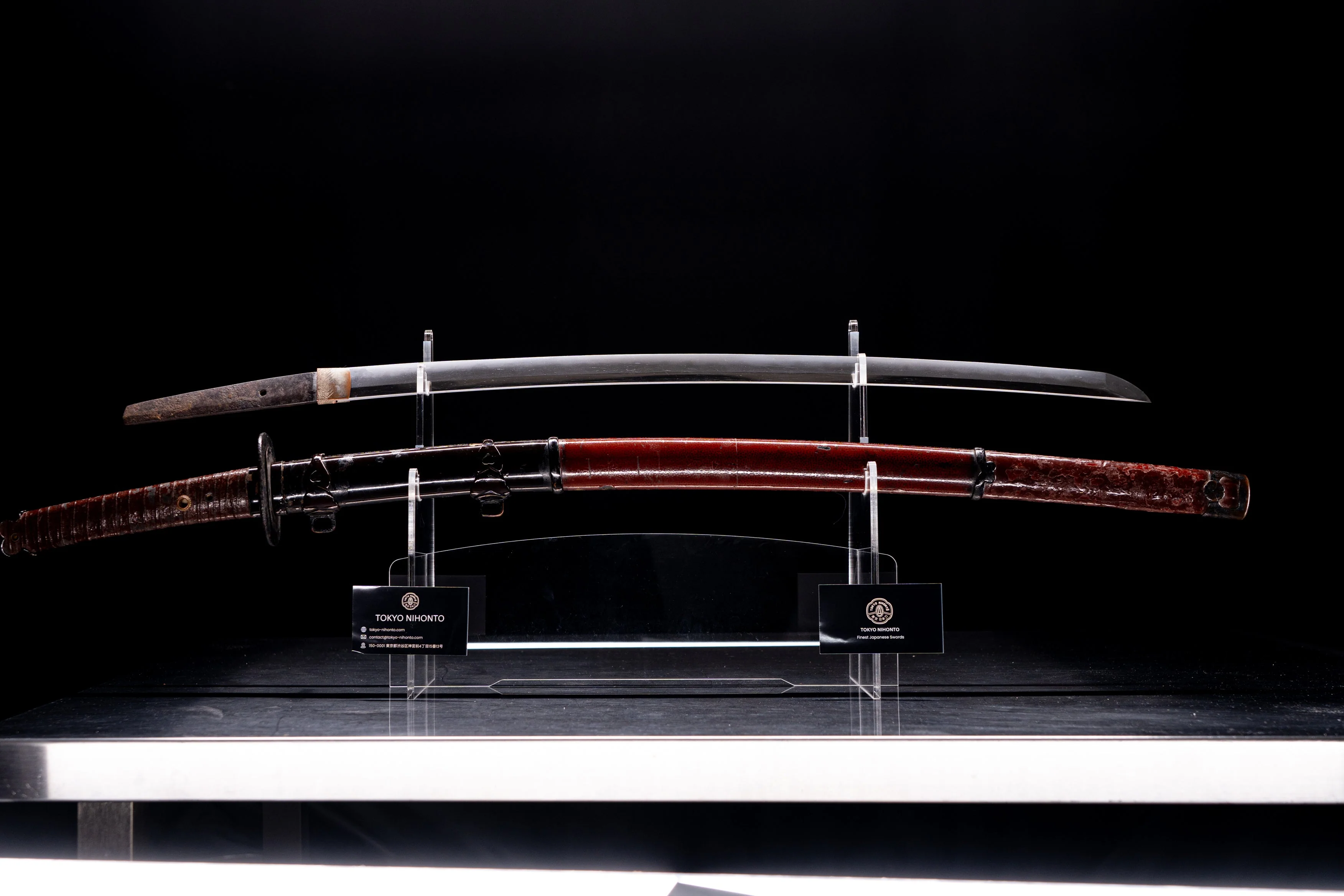
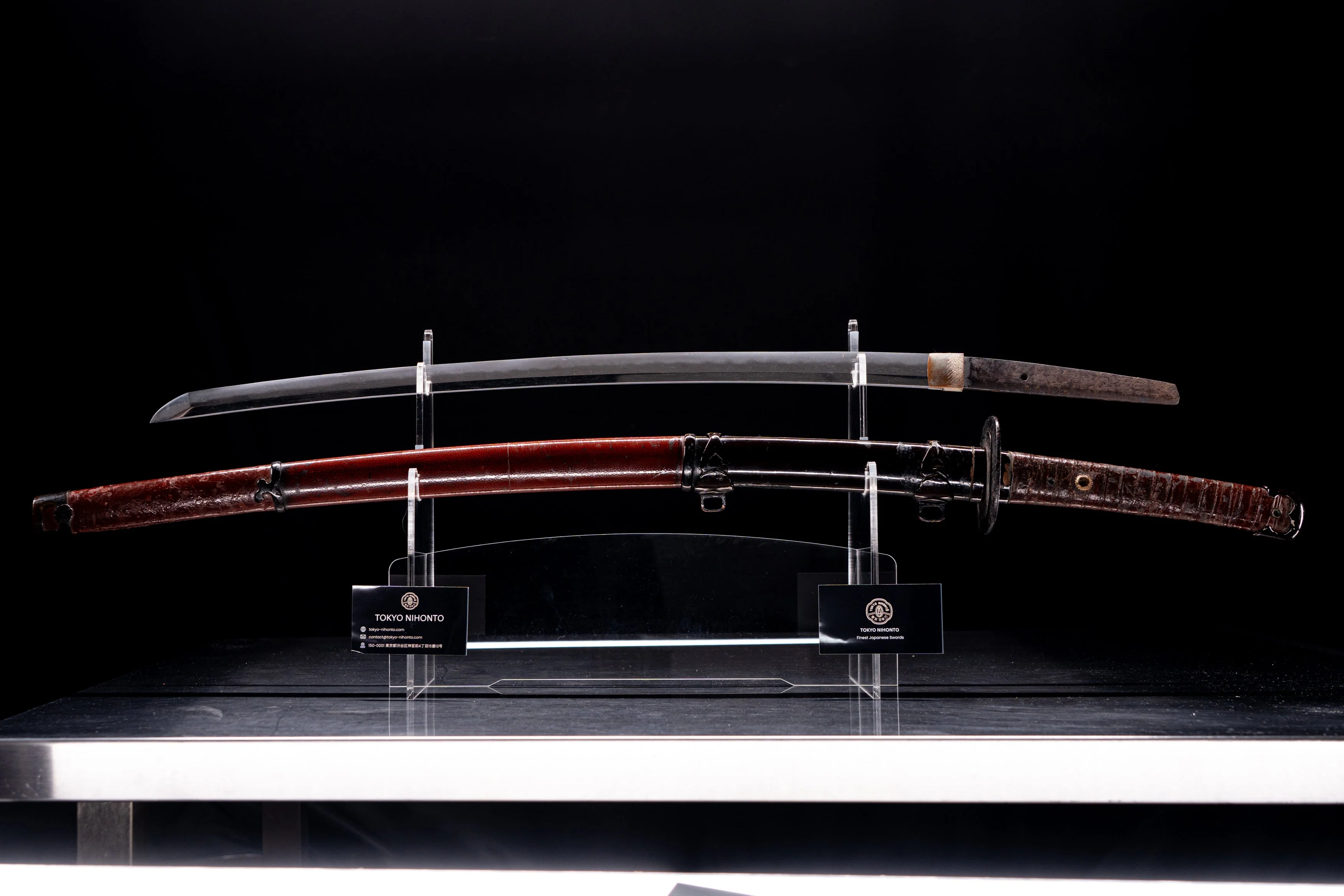
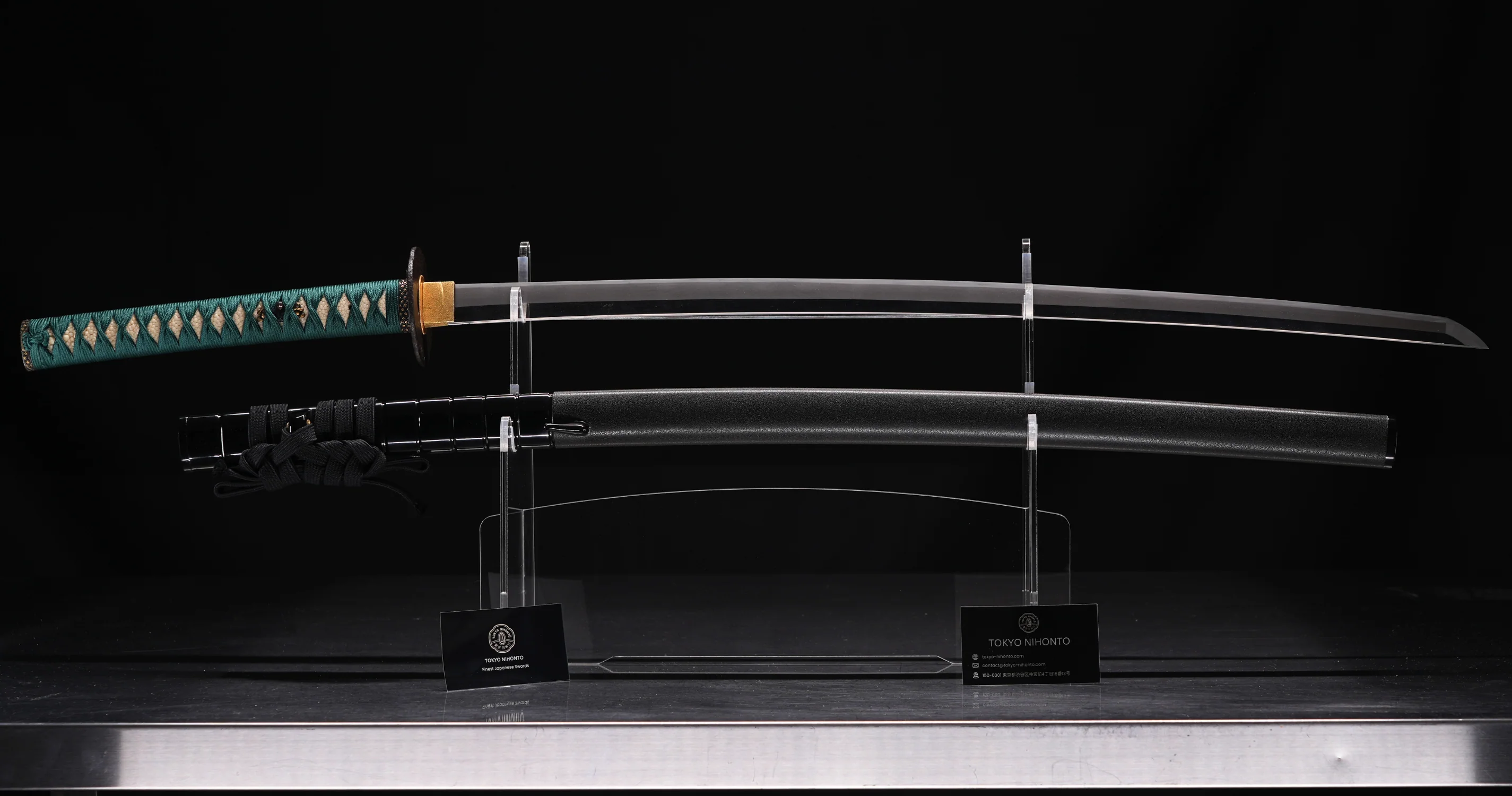
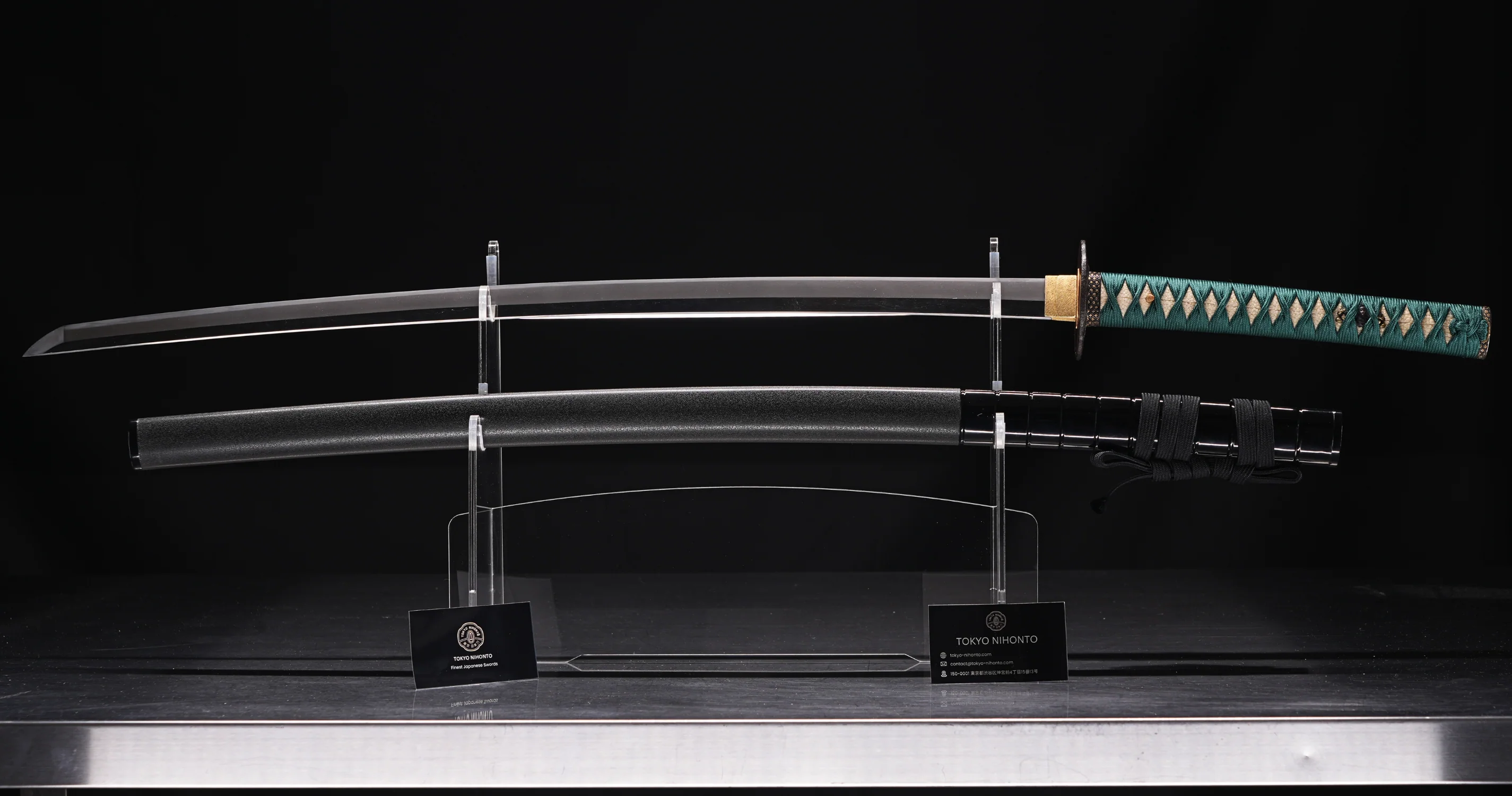
This unsigned (mumei) katana from the Edo period is a good example of traditional Japanese sword craftsmanship.
Specifications:
- Overall Length: 89.4 cm
- Blade Length: 60.7 cm
- Curvature (Sori): 1.4 cm
- Width at Base (Motohaba): 2.7 cm
- Thickness at Base (Motokasane): 0.7 cm
- Width at Tip (Sakihaba): 1.8 cm
- Thickness at Tip (Sakikasane): 0.4 cm
- Weight (Blade only): 508 g
- Scabbard Length (Saya): 68.4 cm
- Handle Length (Tsuka): 21.0 cm
- Mekugi-ana (Peg Hole): 1
Blade Features:
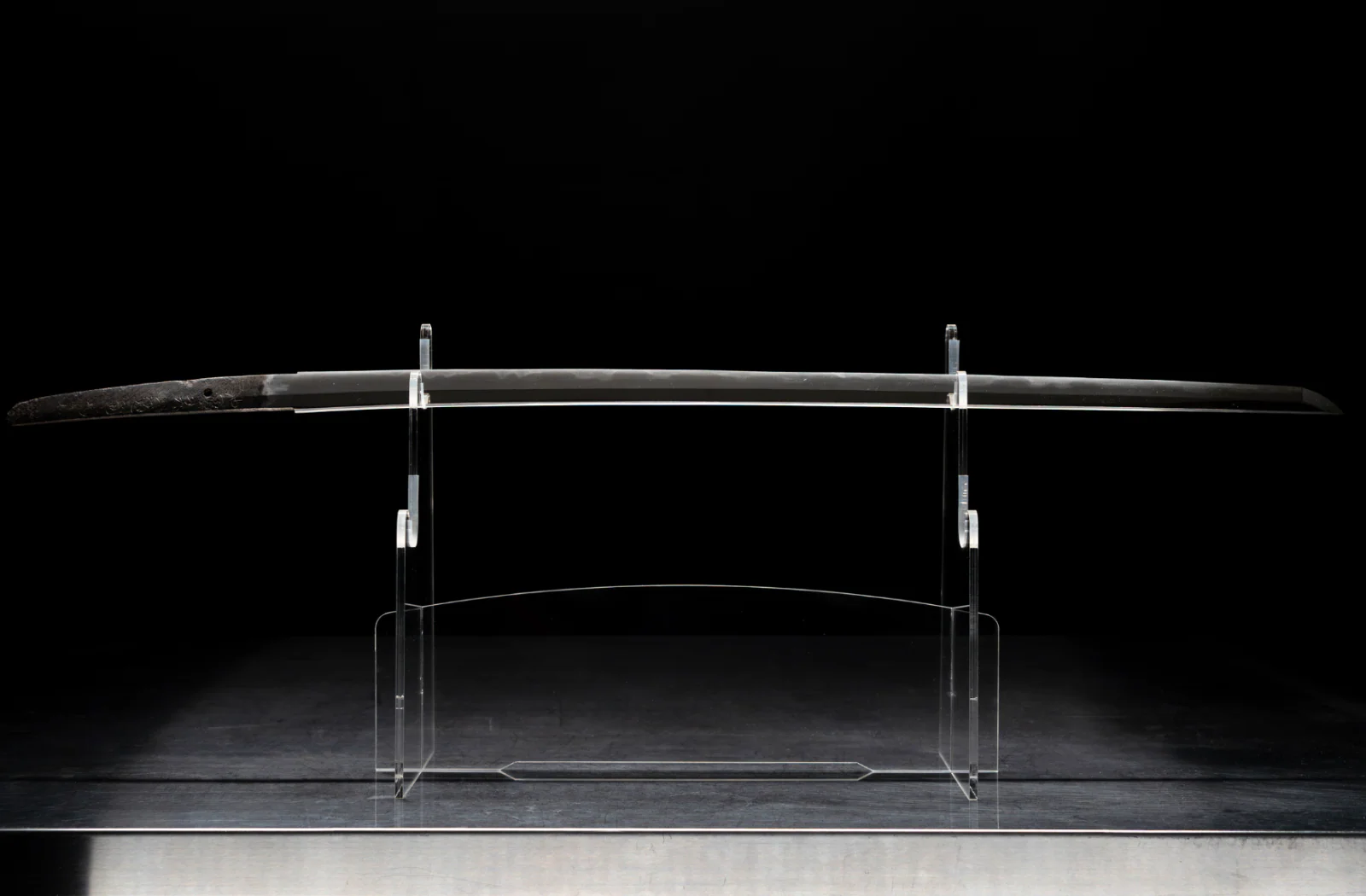
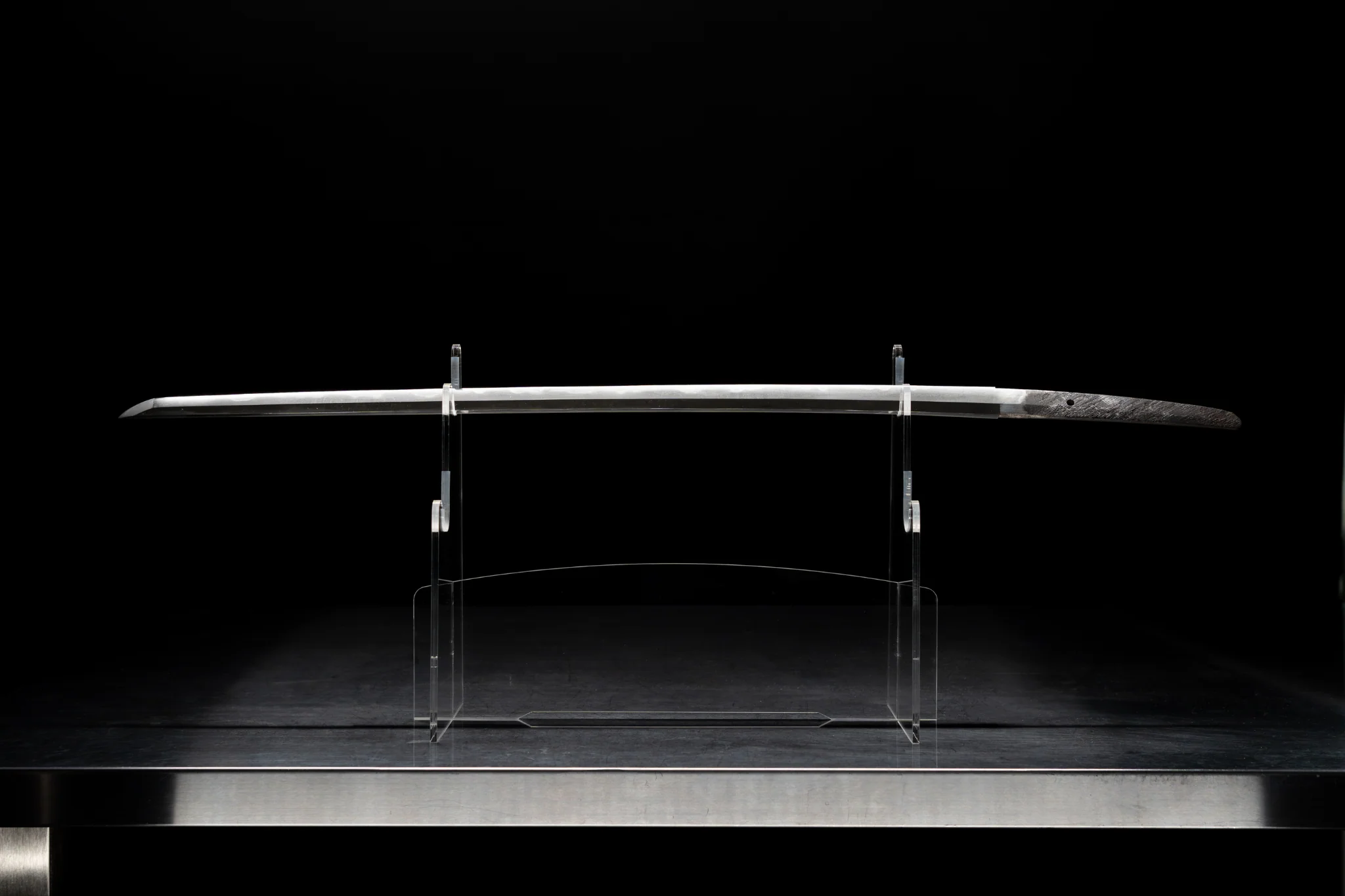
The blade shows a matsukawa-hada pattern, which gives it a unique, bark-like texture. The midare hamon (irregular temper line) runs along the blade’s edge, creating a wavy pattern that is both visually appealing and practical for cutting performance. The blade’s curvature of 1.4 cm gives it a slight curve, typical for katanas from this period.
Mountings (Koshirae):
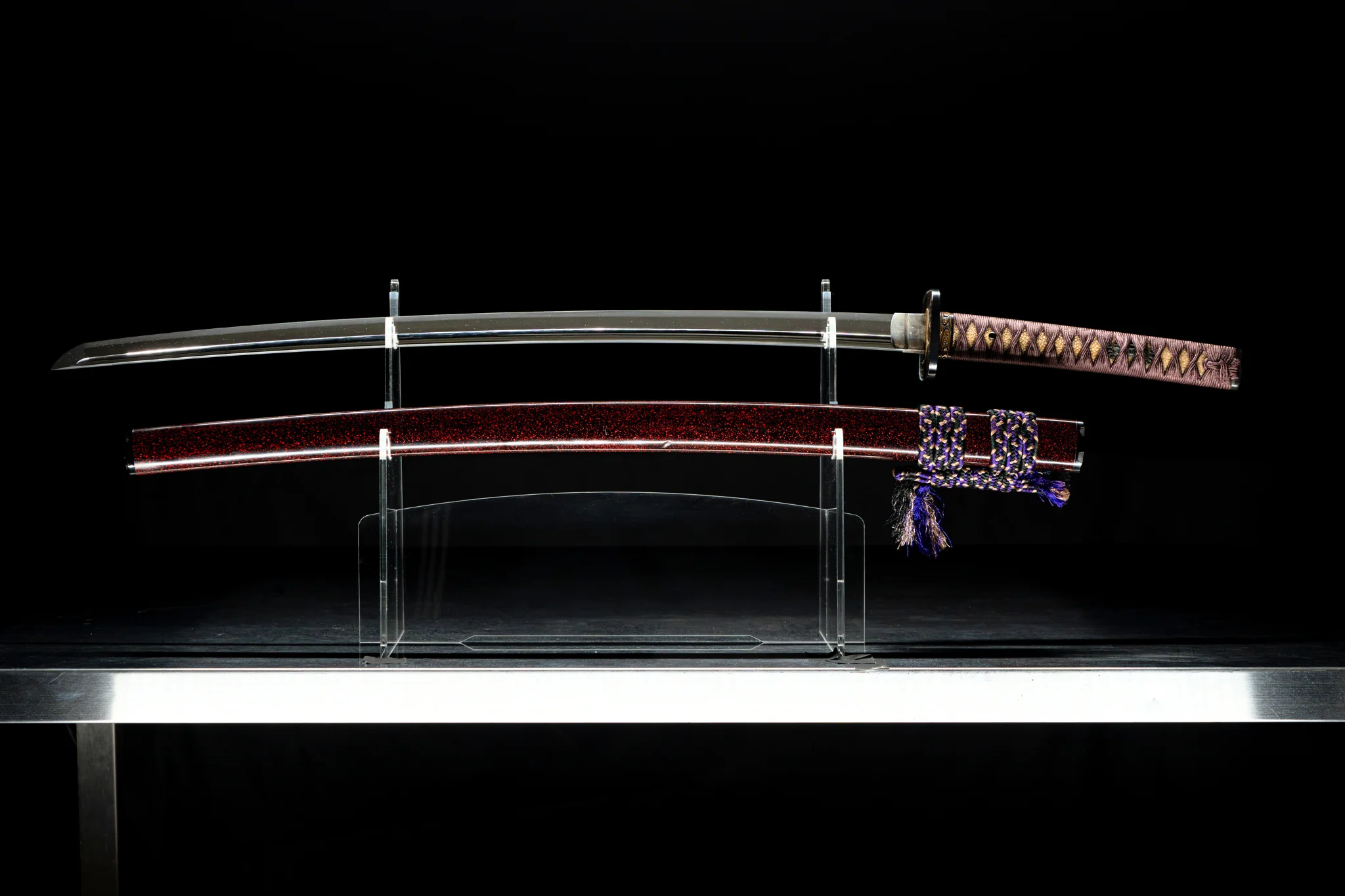
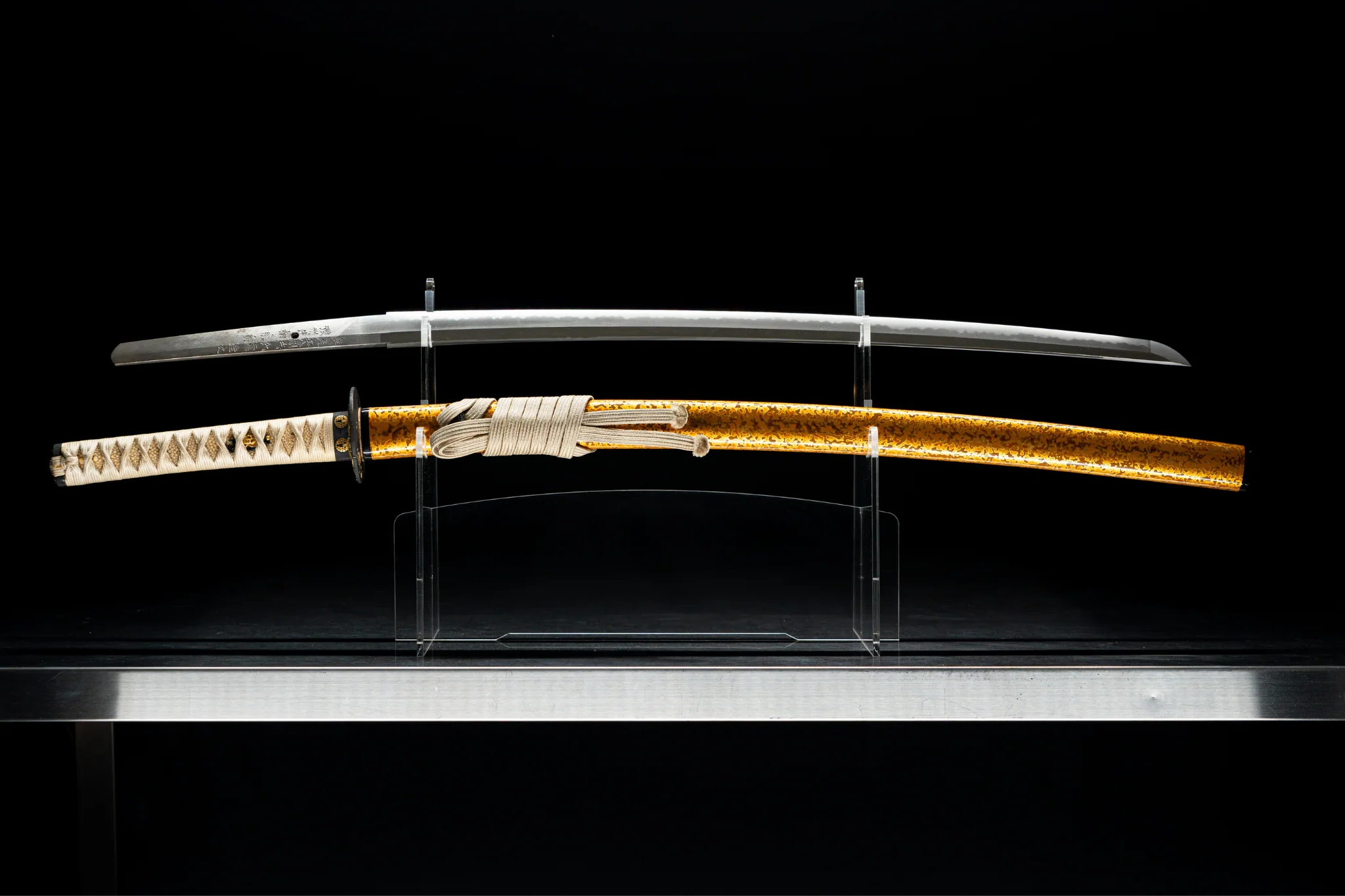
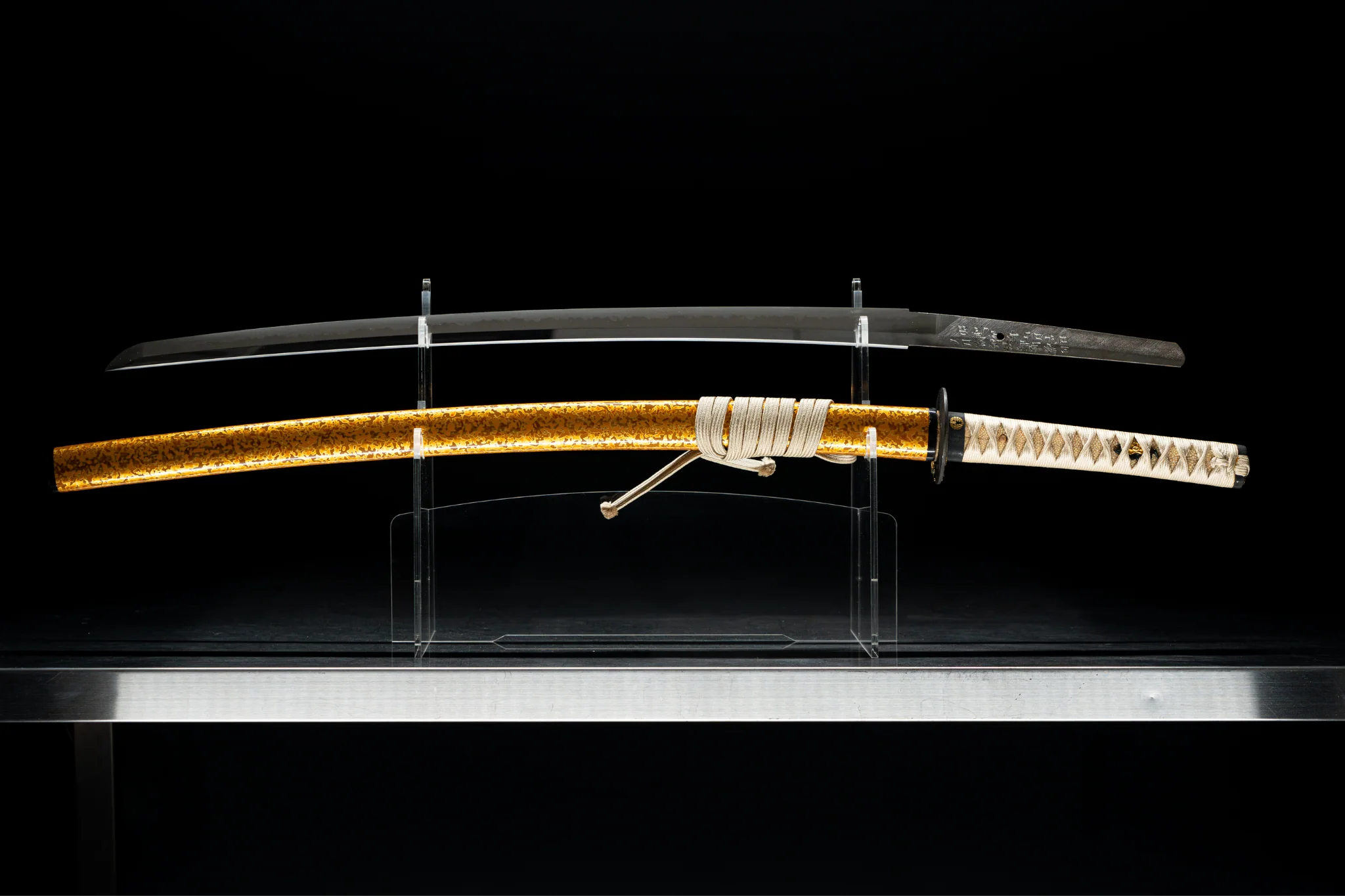
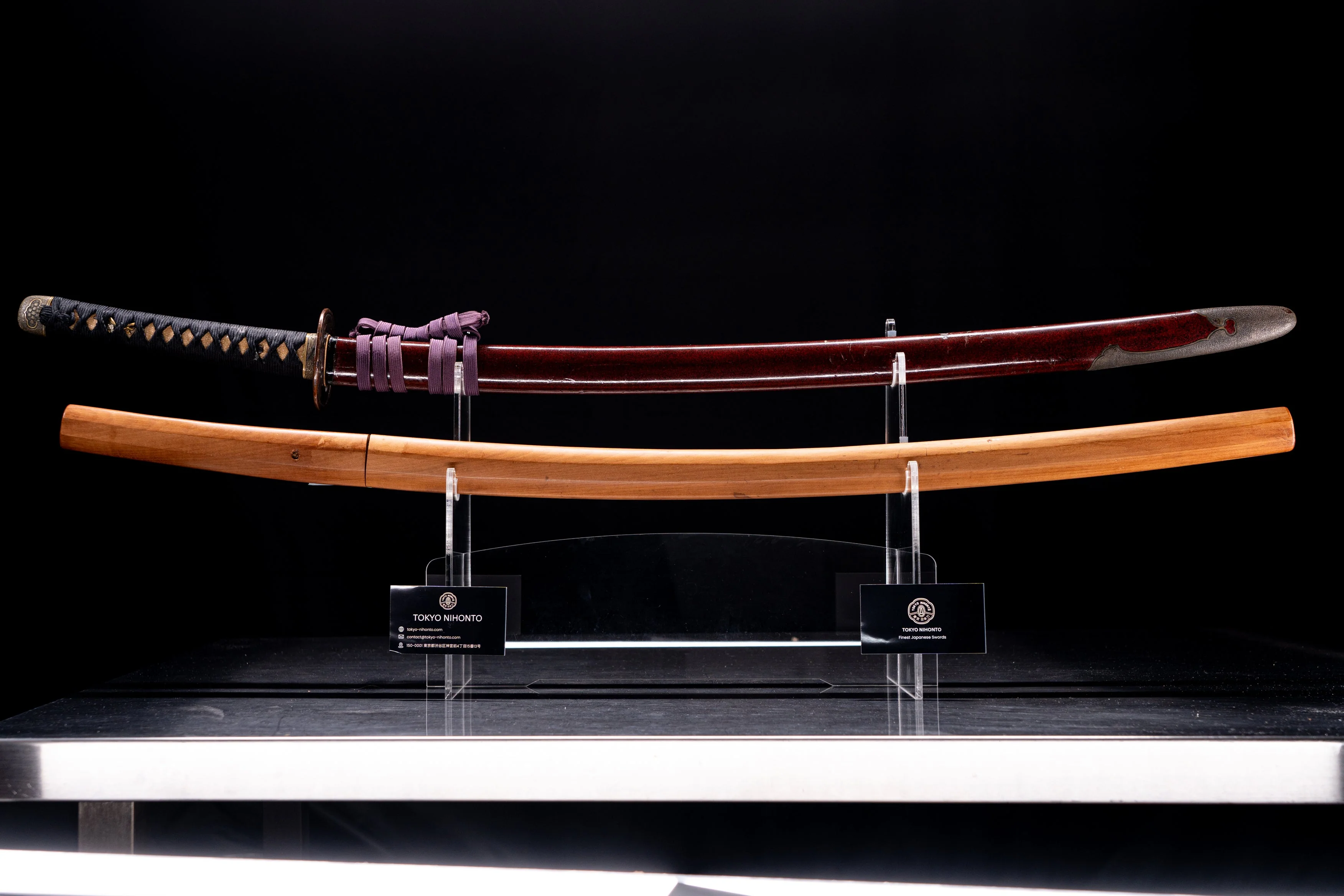
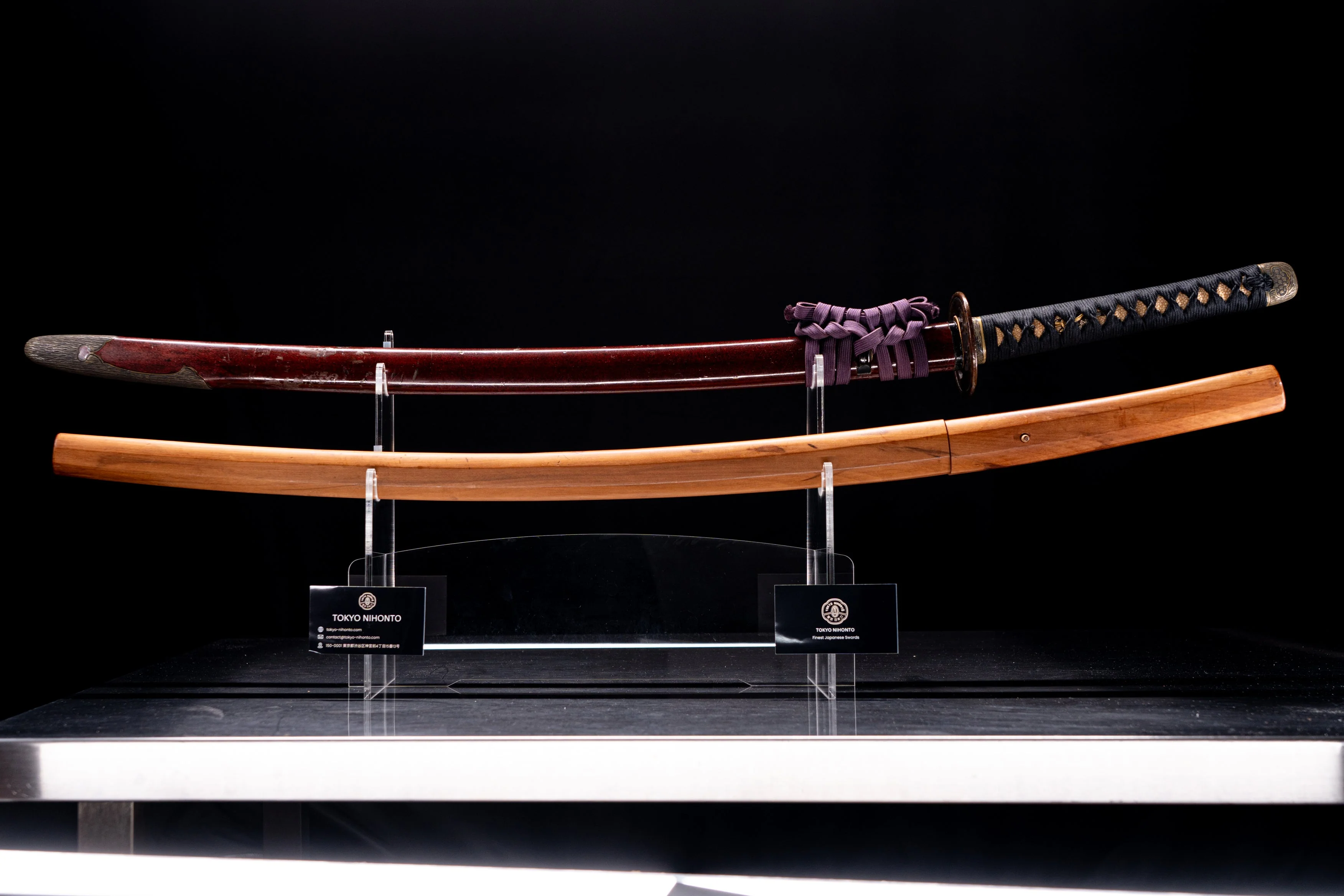
The katana comes with well-made fittings. The sukashi tsuba (handguard) is round and made of iron, with openwork showing designs. The menuki (handle inlays) also show flower patterns, adding a bit of decoration. The saya (scabbard) is lacquered in black, providing a smooth and protective cover for the blade.
Original: $2,800.00
-65%$2,800.00
$980.00Product Information
Product Information
Shipping & Returns
Shipping & Returns
Description
This unsigned (mumei) katana from the Edo period is a good example of traditional Japanese sword craftsmanship.
Specifications:
- Overall Length: 89.4 cm
- Blade Length: 60.7 cm
- Curvature (Sori): 1.4 cm
- Width at Base (Motohaba): 2.7 cm
- Thickness at Base (Motokasane): 0.7 cm
- Width at Tip (Sakihaba): 1.8 cm
- Thickness at Tip (Sakikasane): 0.4 cm
- Weight (Blade only): 508 g
- Scabbard Length (Saya): 68.4 cm
- Handle Length (Tsuka): 21.0 cm
- Mekugi-ana (Peg Hole): 1
Blade Features:
The blade shows a matsukawa-hada pattern, which gives it a unique, bark-like texture. The midare hamon (irregular temper line) runs along the blade’s edge, creating a wavy pattern that is both visually appealing and practical for cutting performance. The blade’s curvature of 1.4 cm gives it a slight curve, typical for katanas from this period.
Mountings (Koshirae):
The katana comes with well-made fittings. The sukashi tsuba (handguard) is round and made of iron, with openwork showing designs. The menuki (handle inlays) also show flower patterns, adding a bit of decoration. The saya (scabbard) is lacquered in black, providing a smooth and protective cover for the blade.