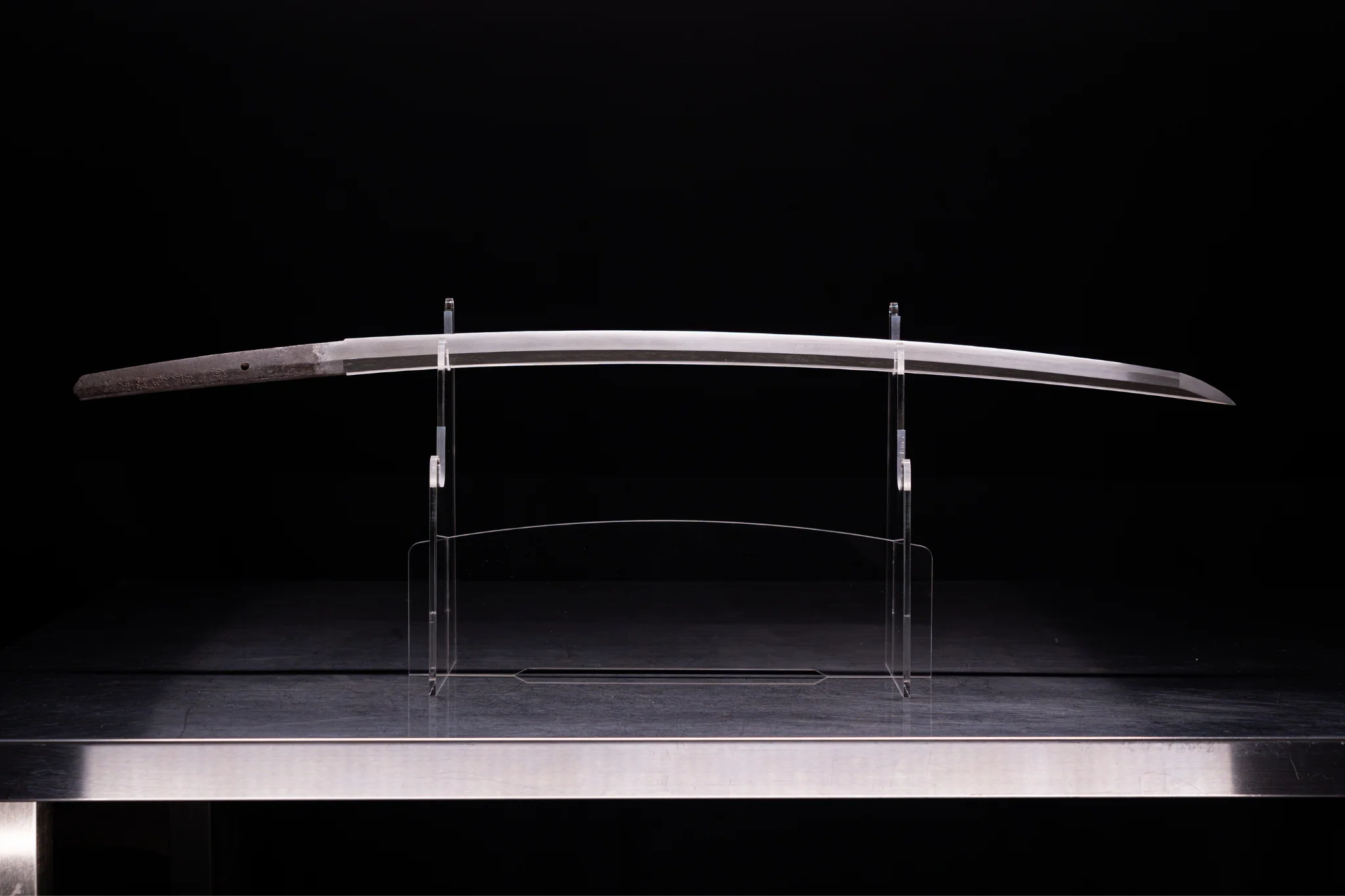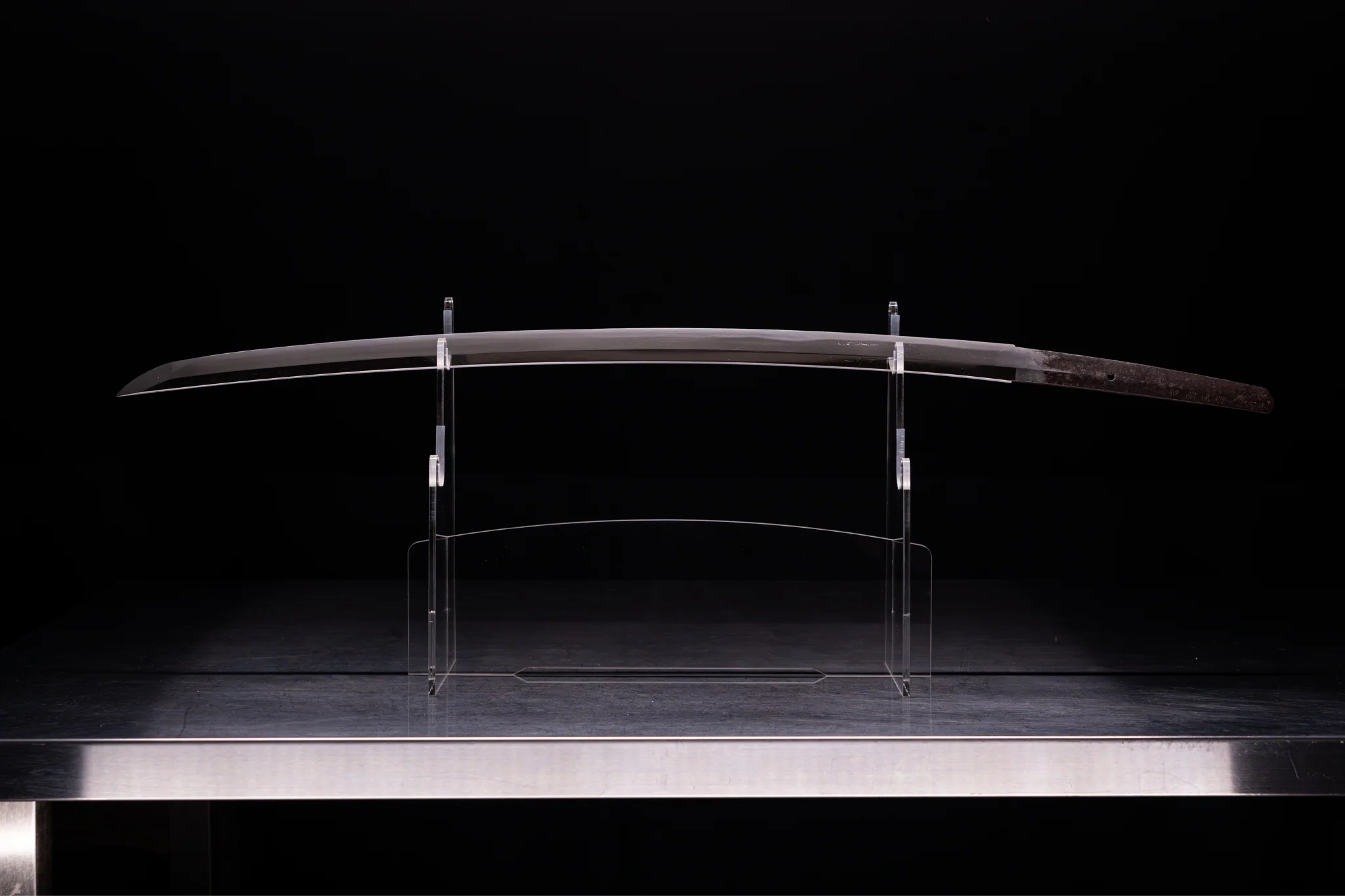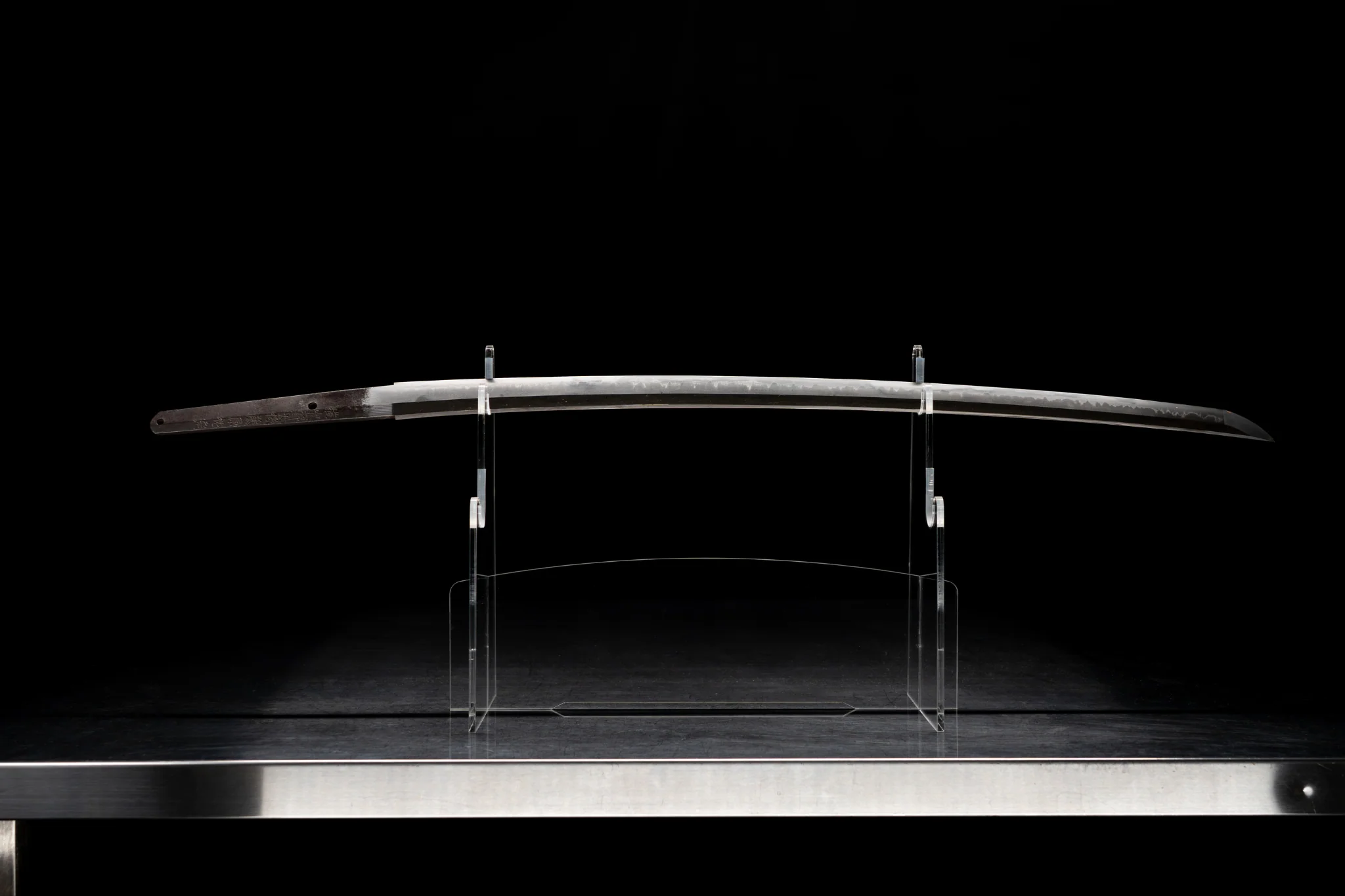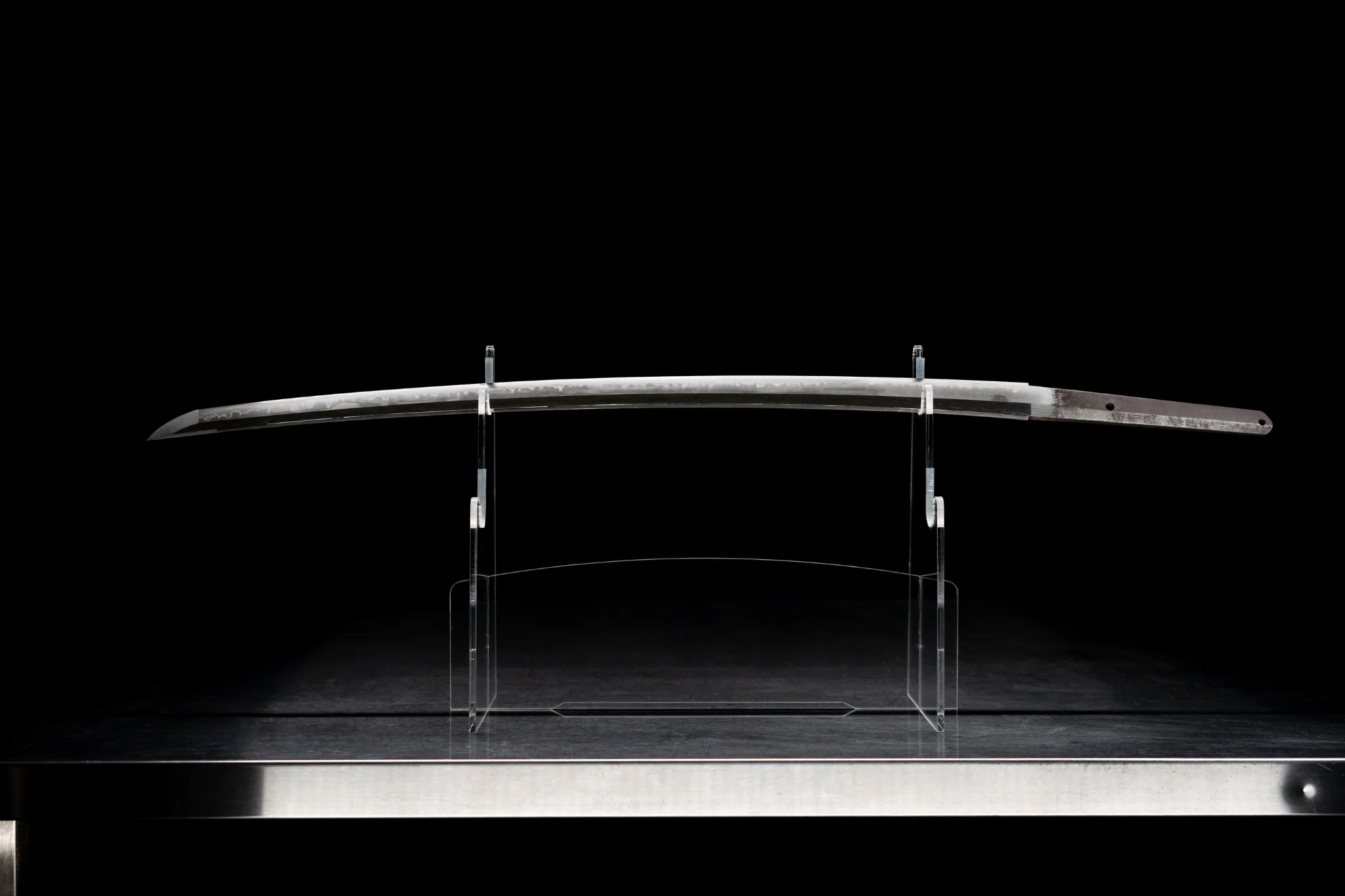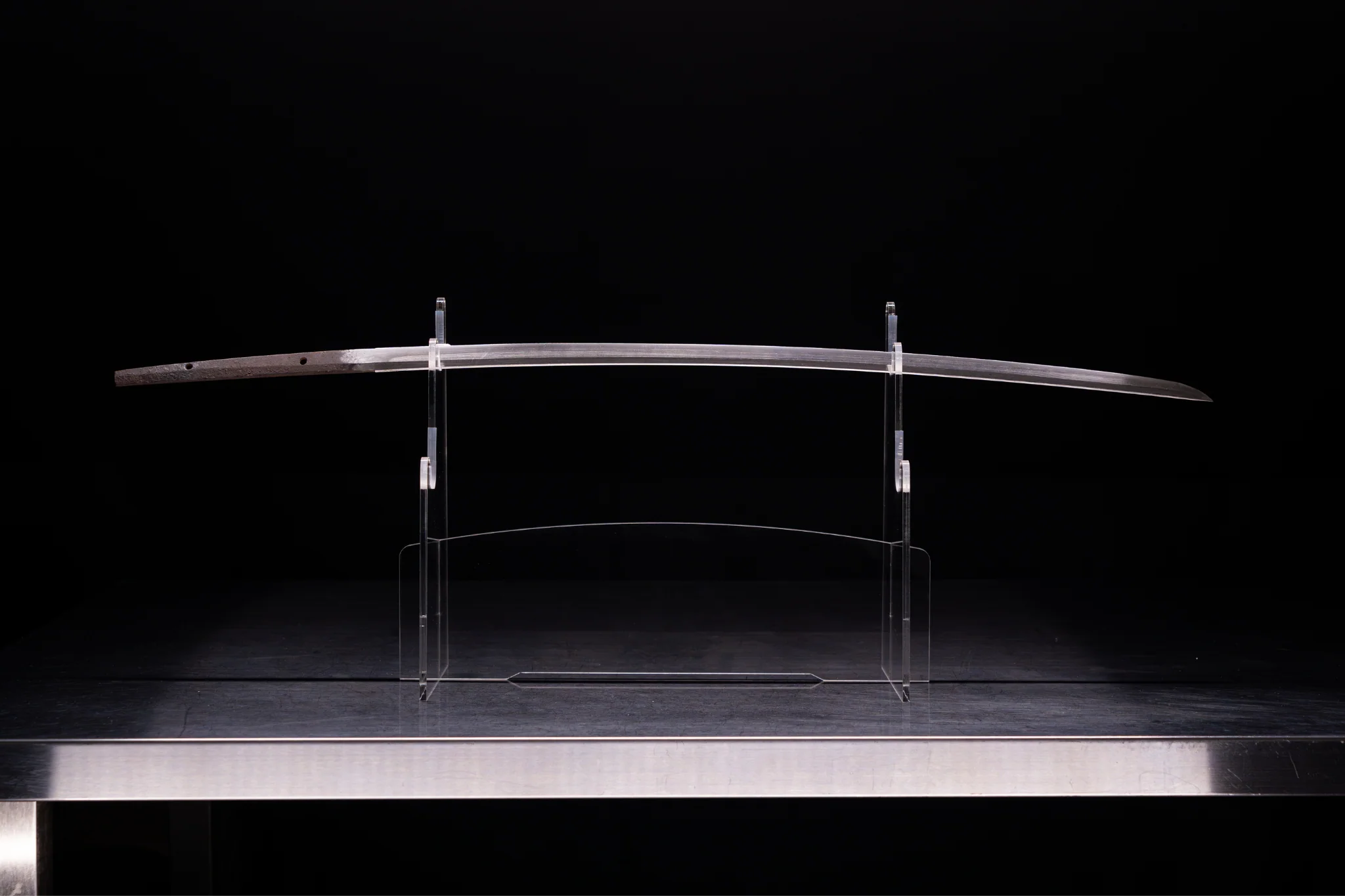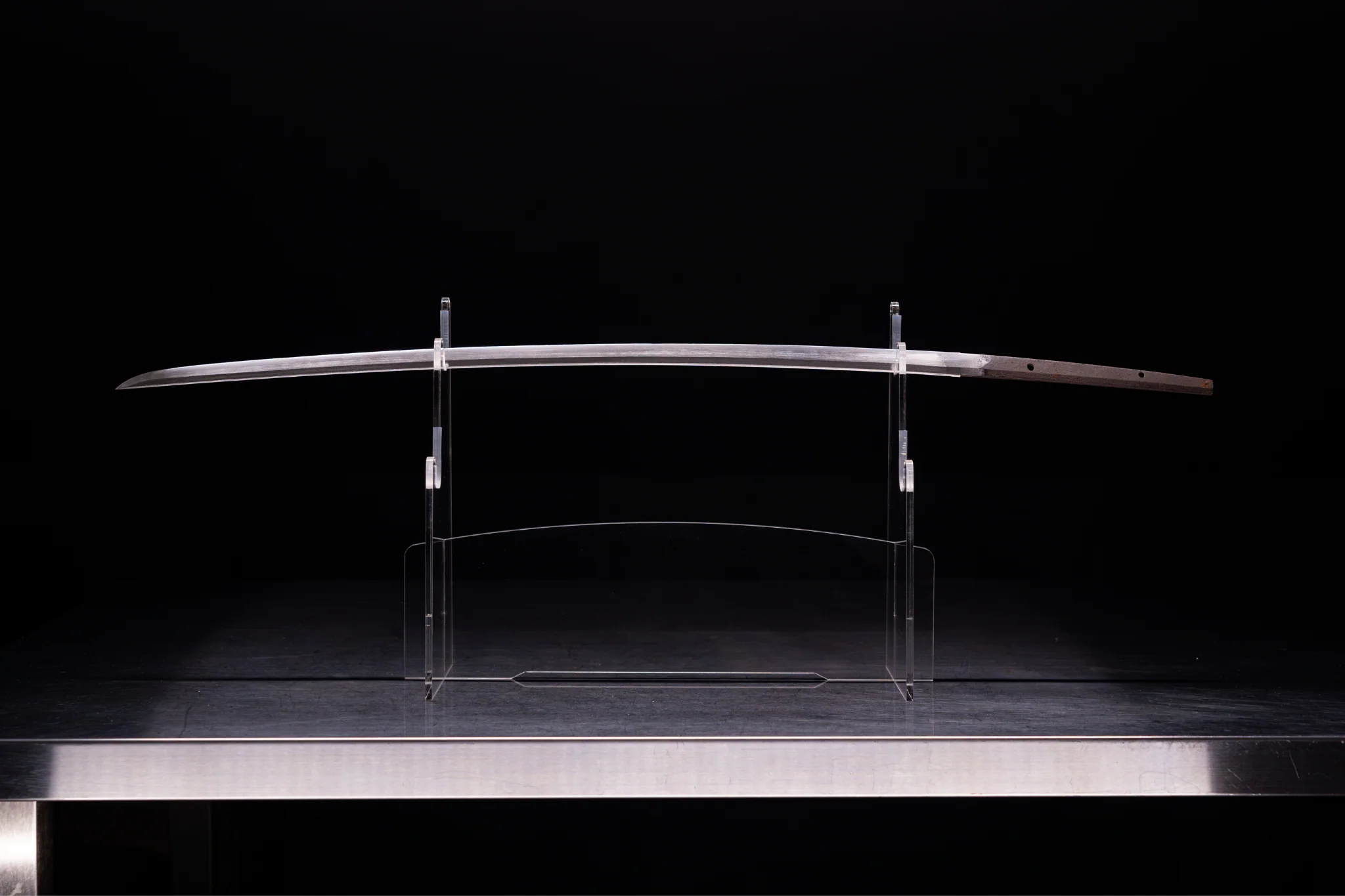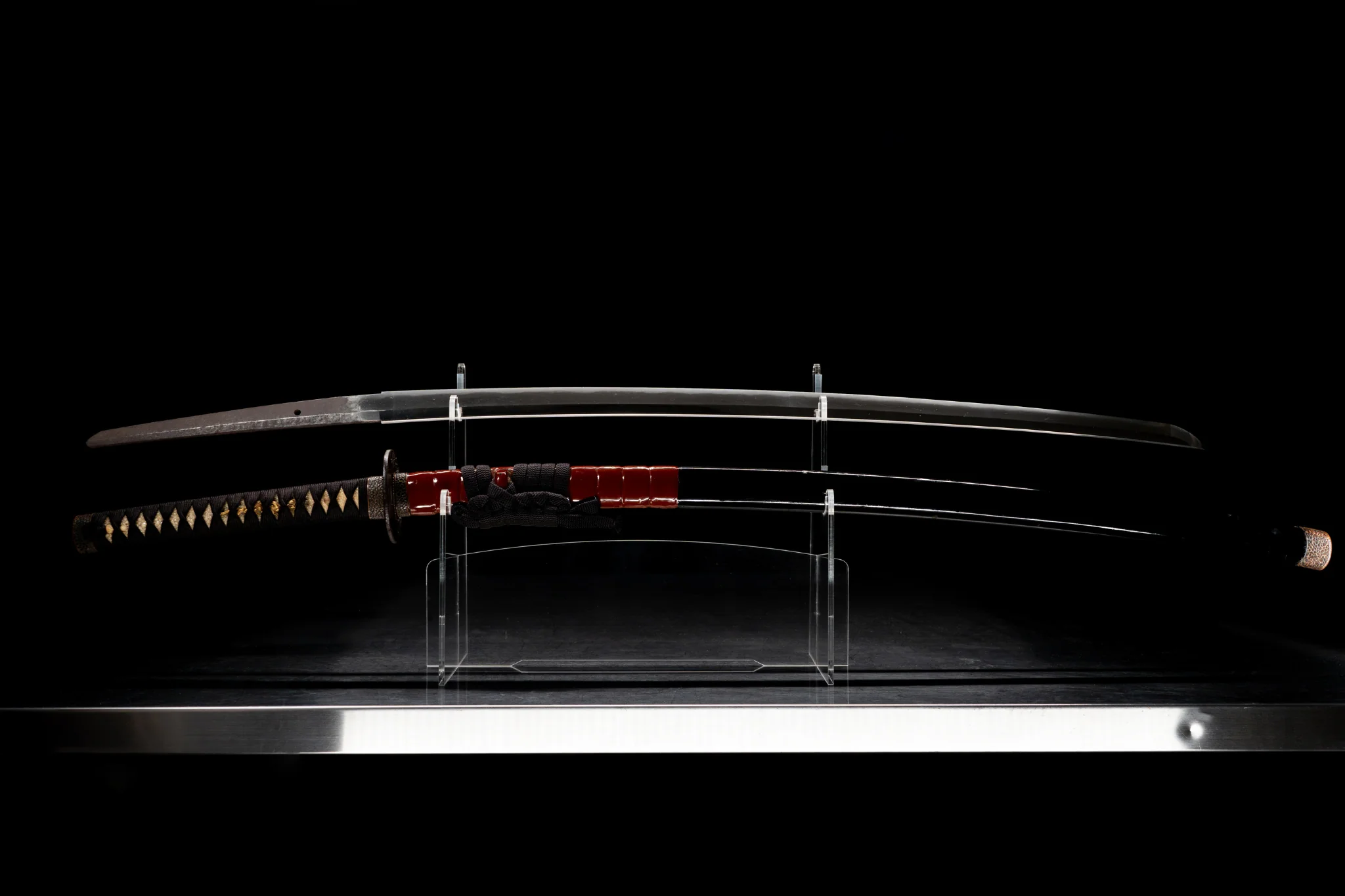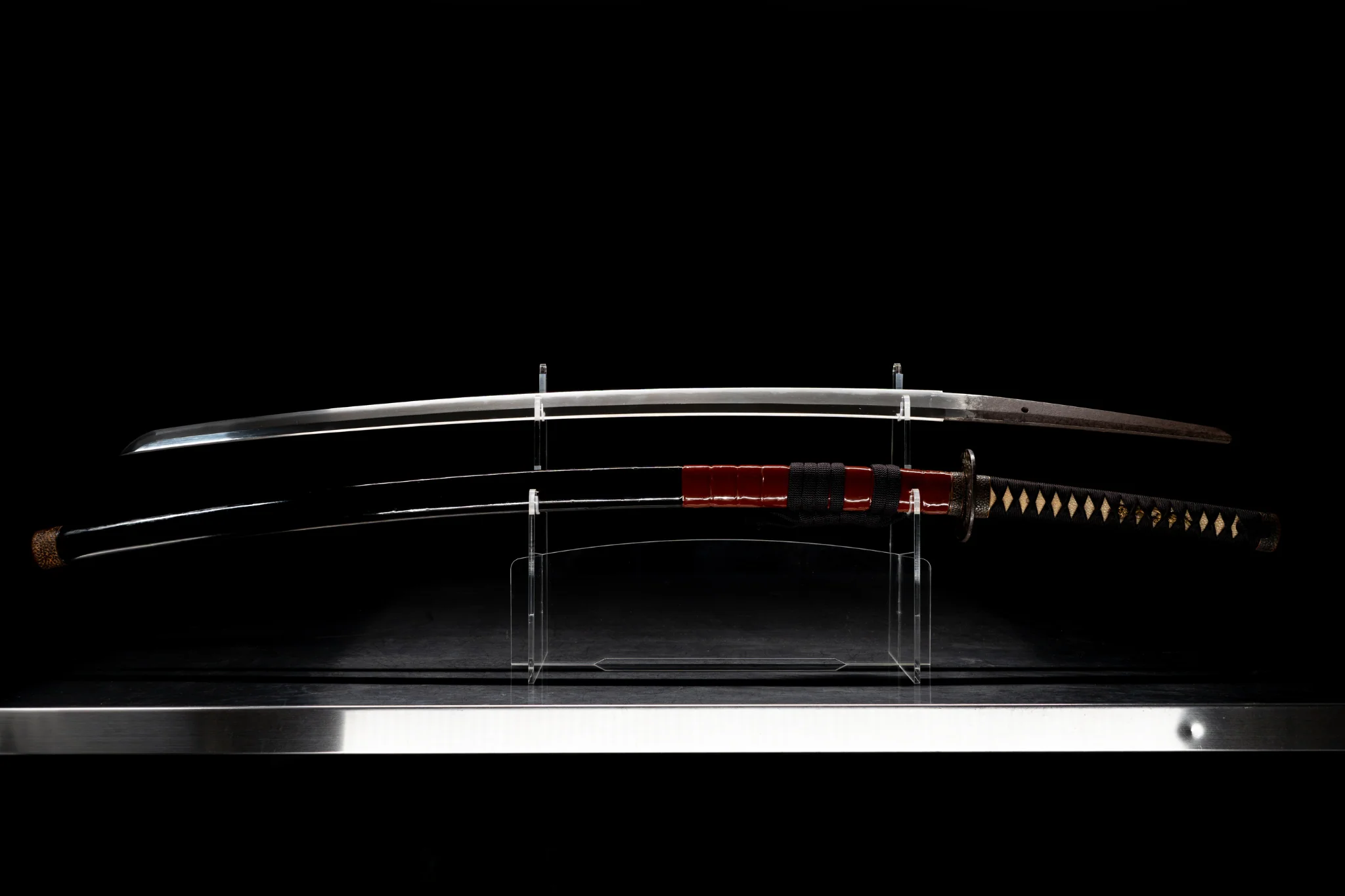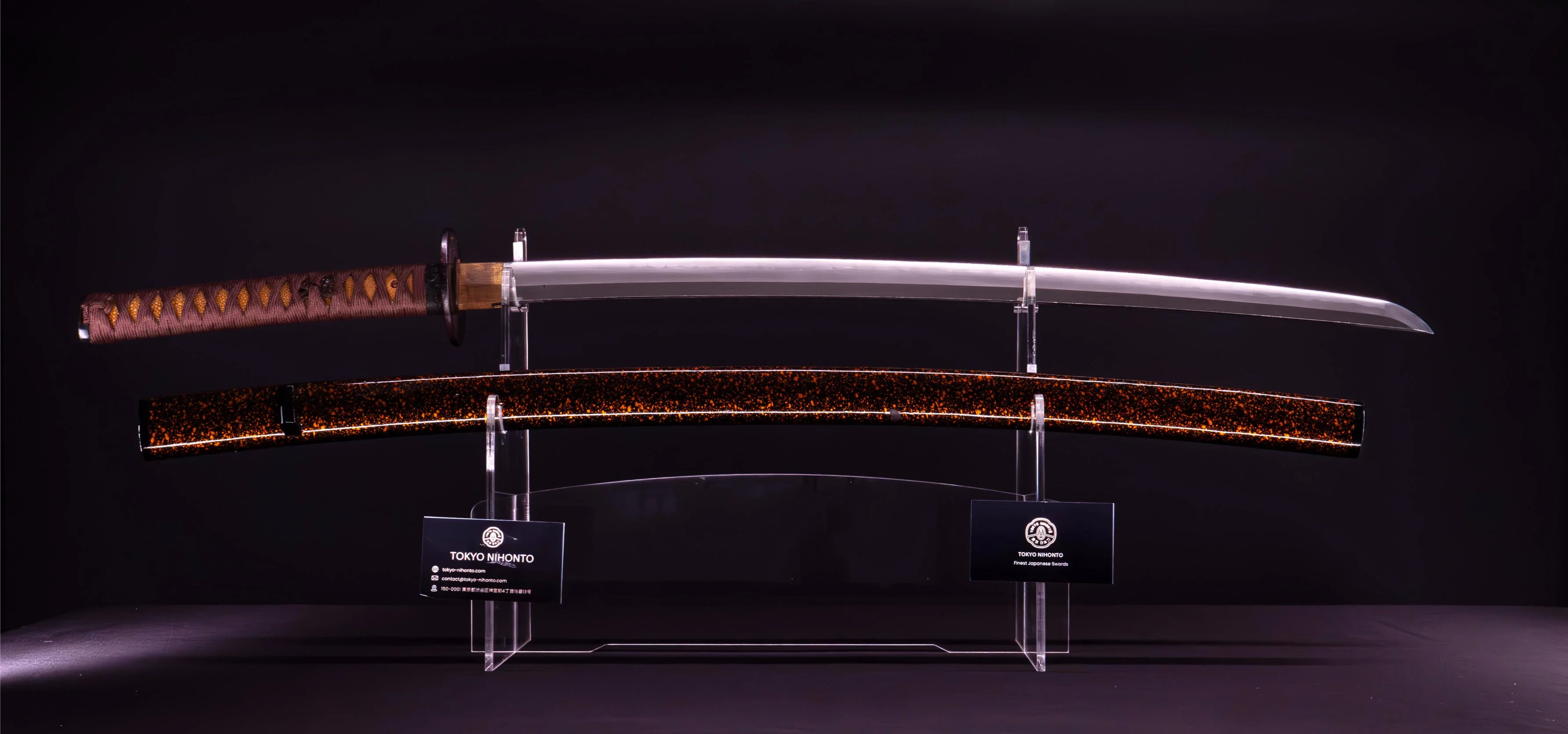
Antique Japanese Sword Katana signed Masachika
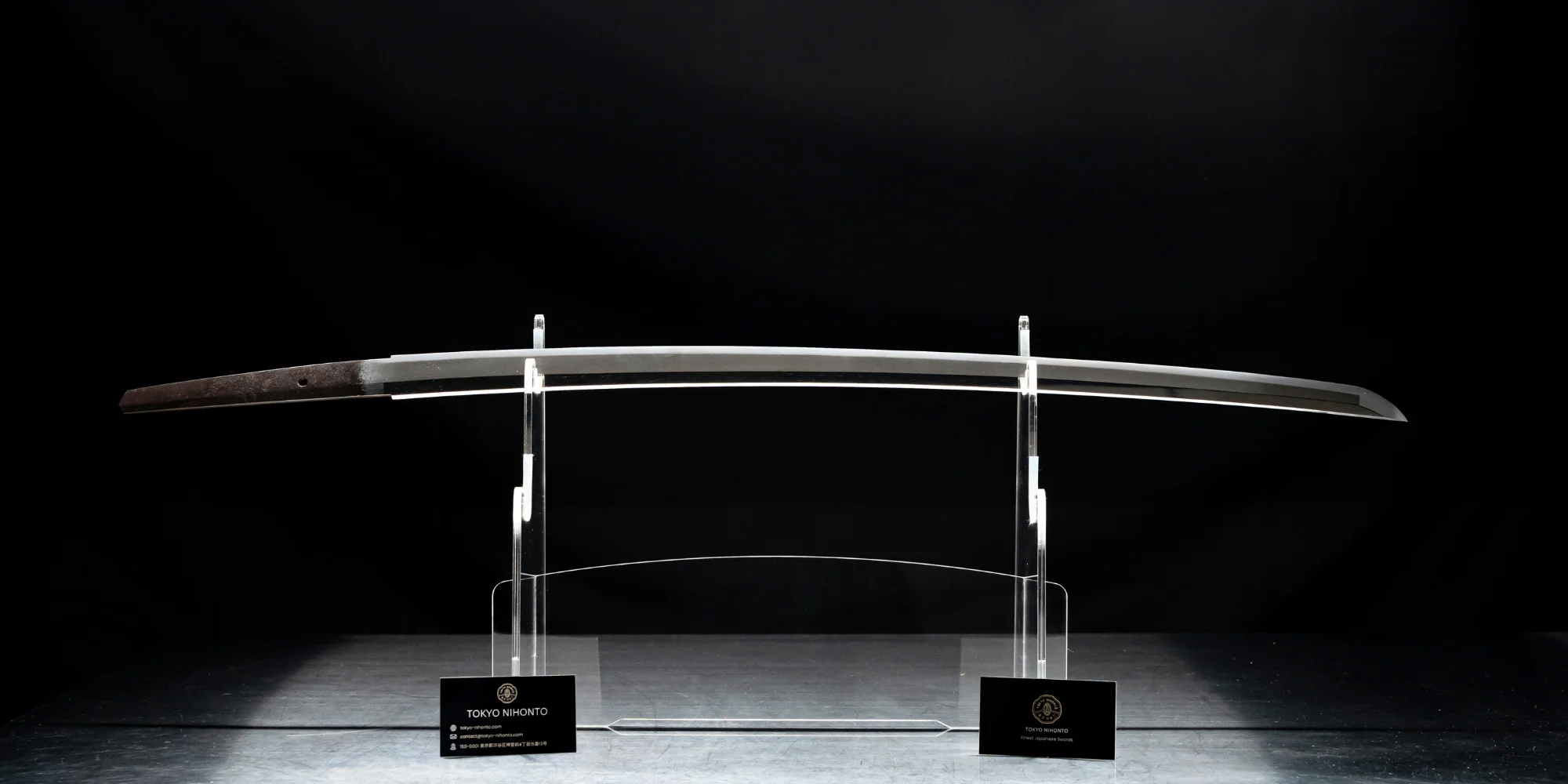
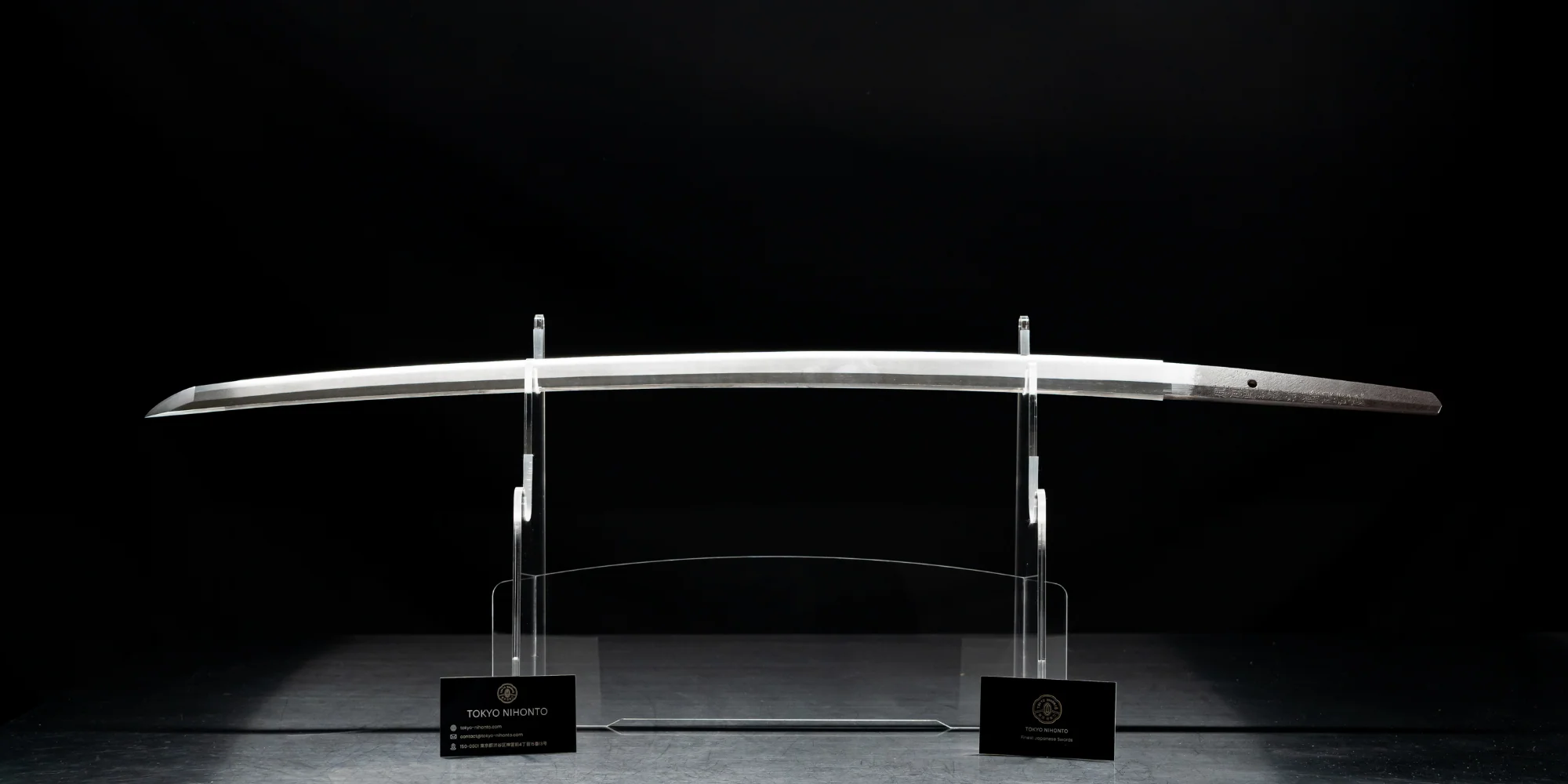
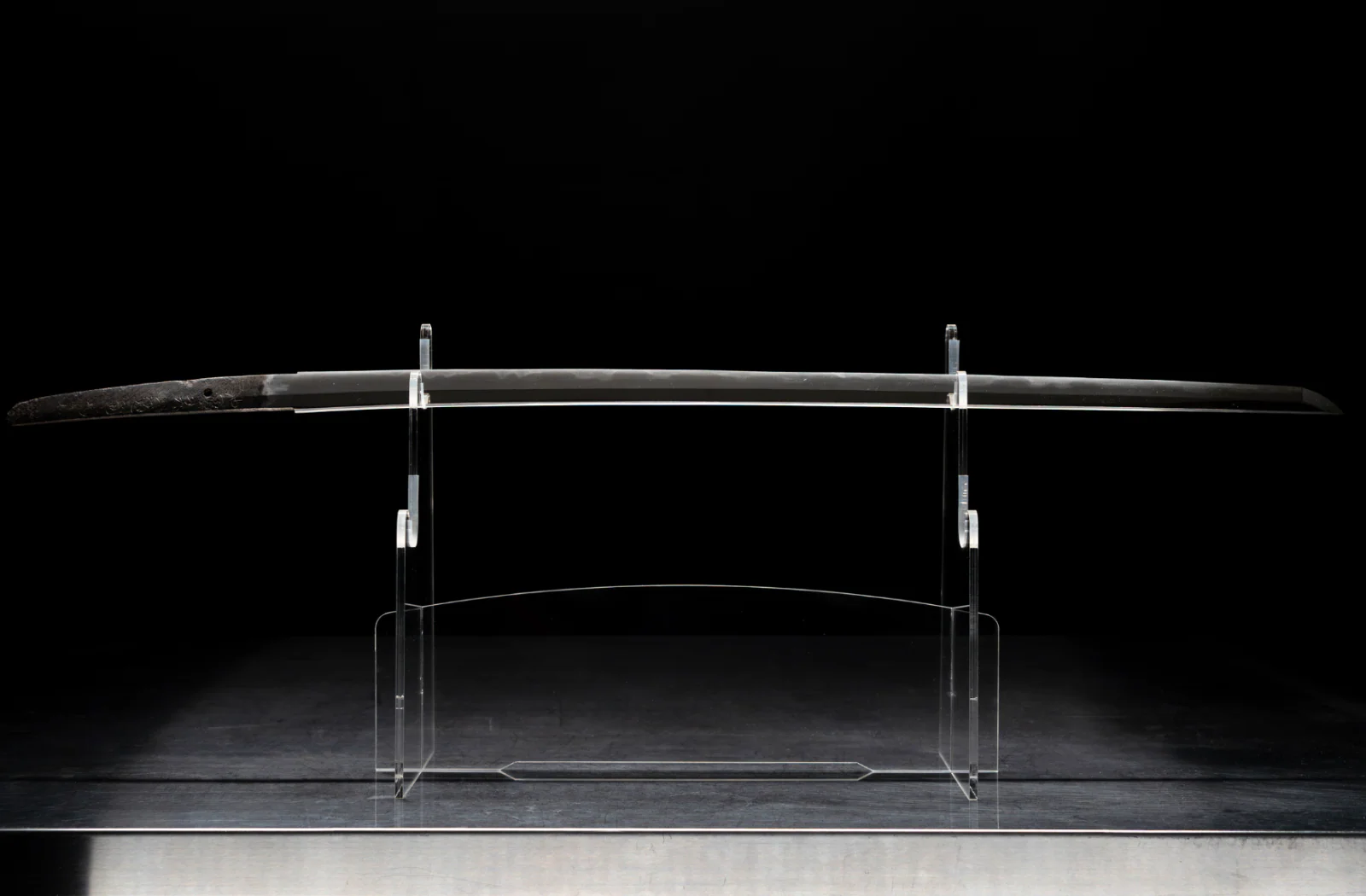
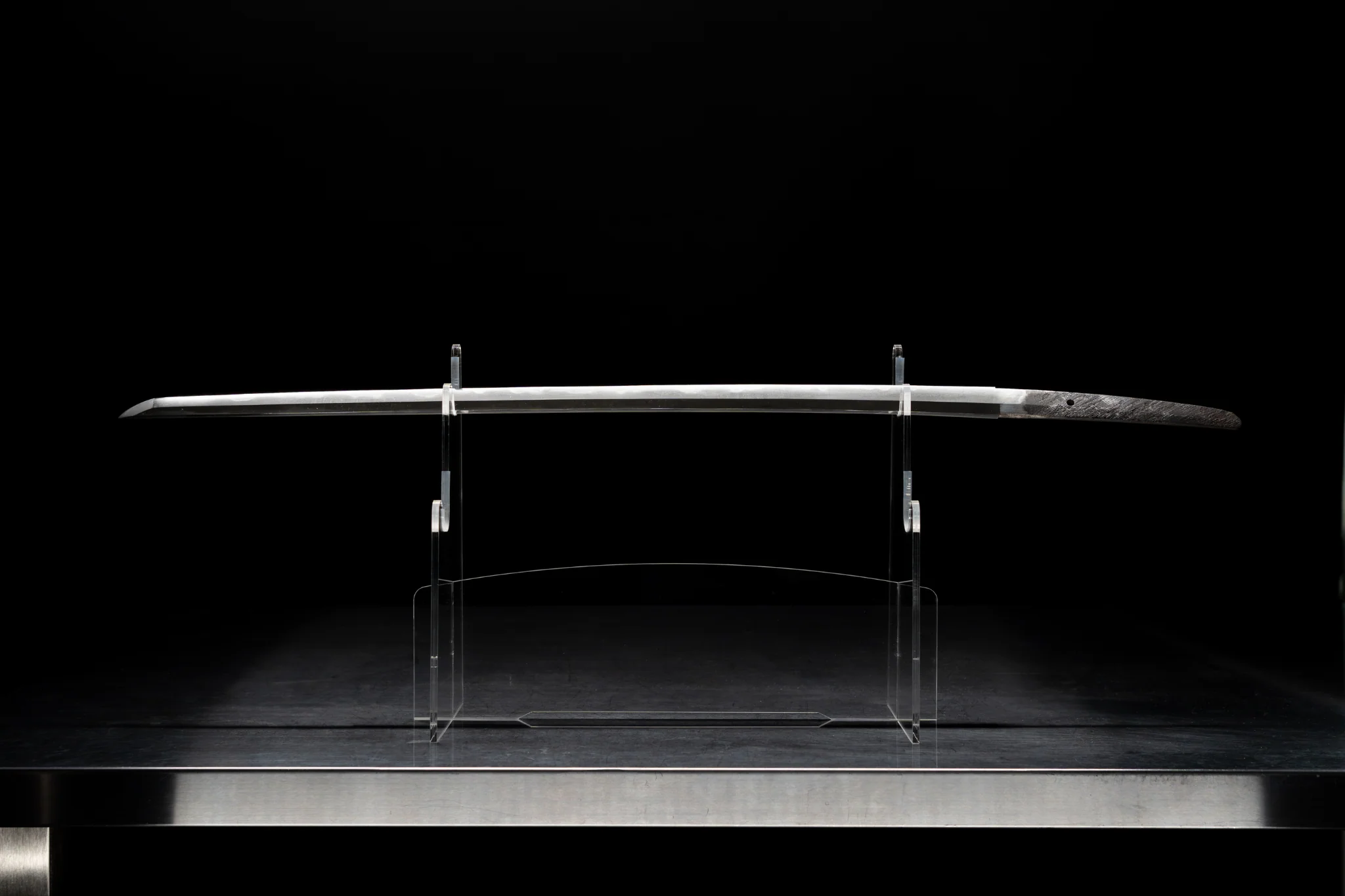
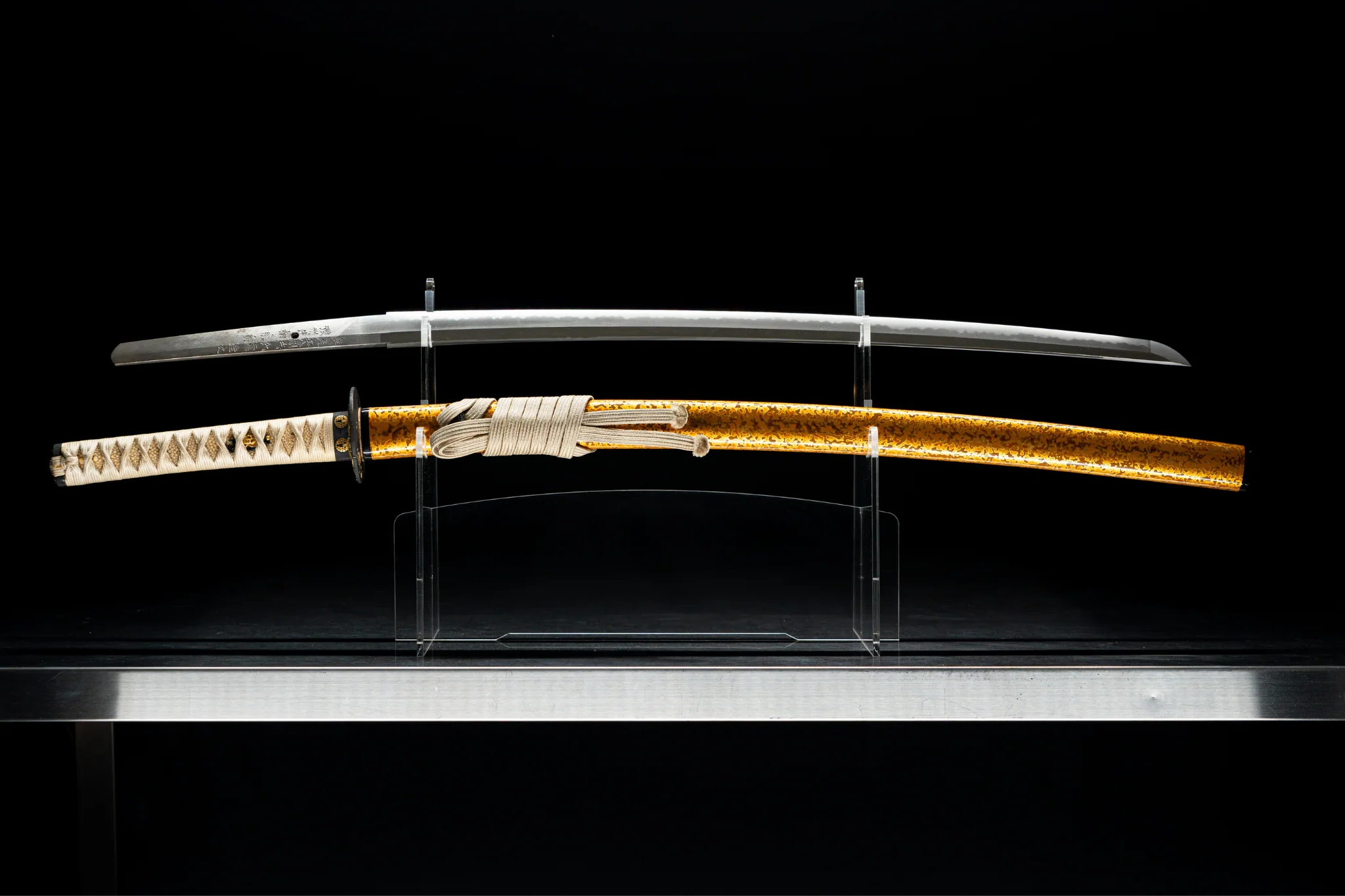
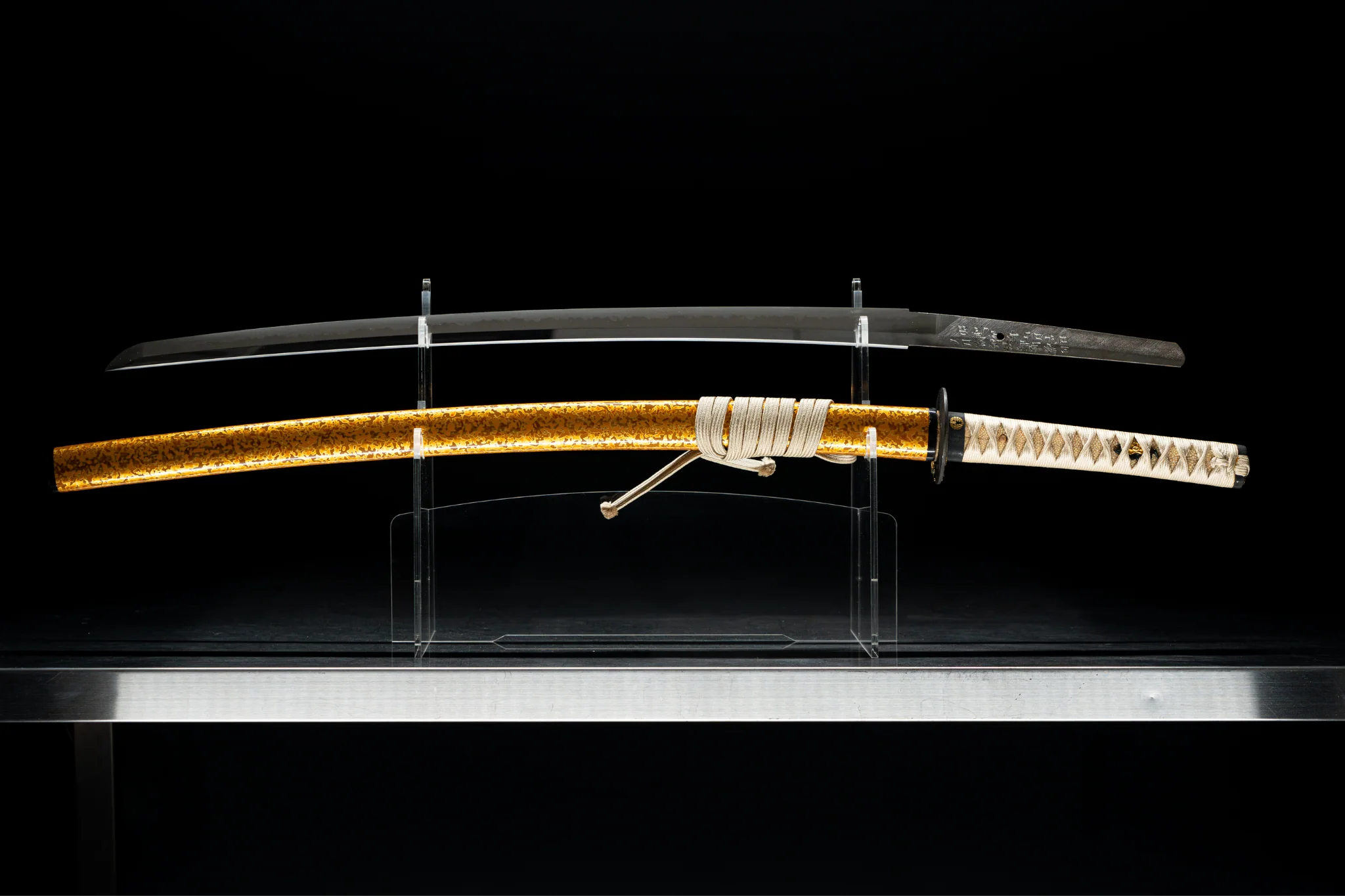
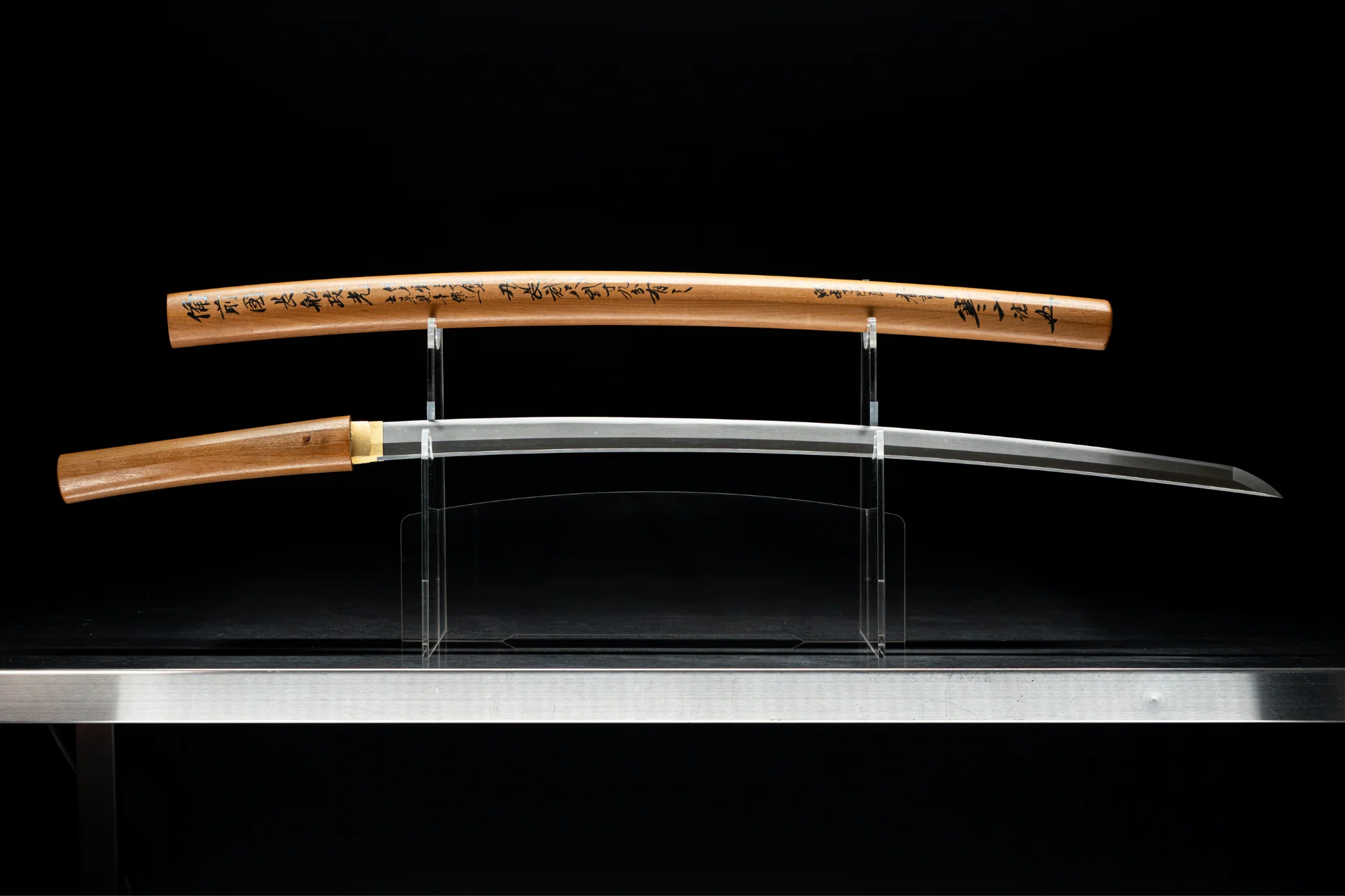
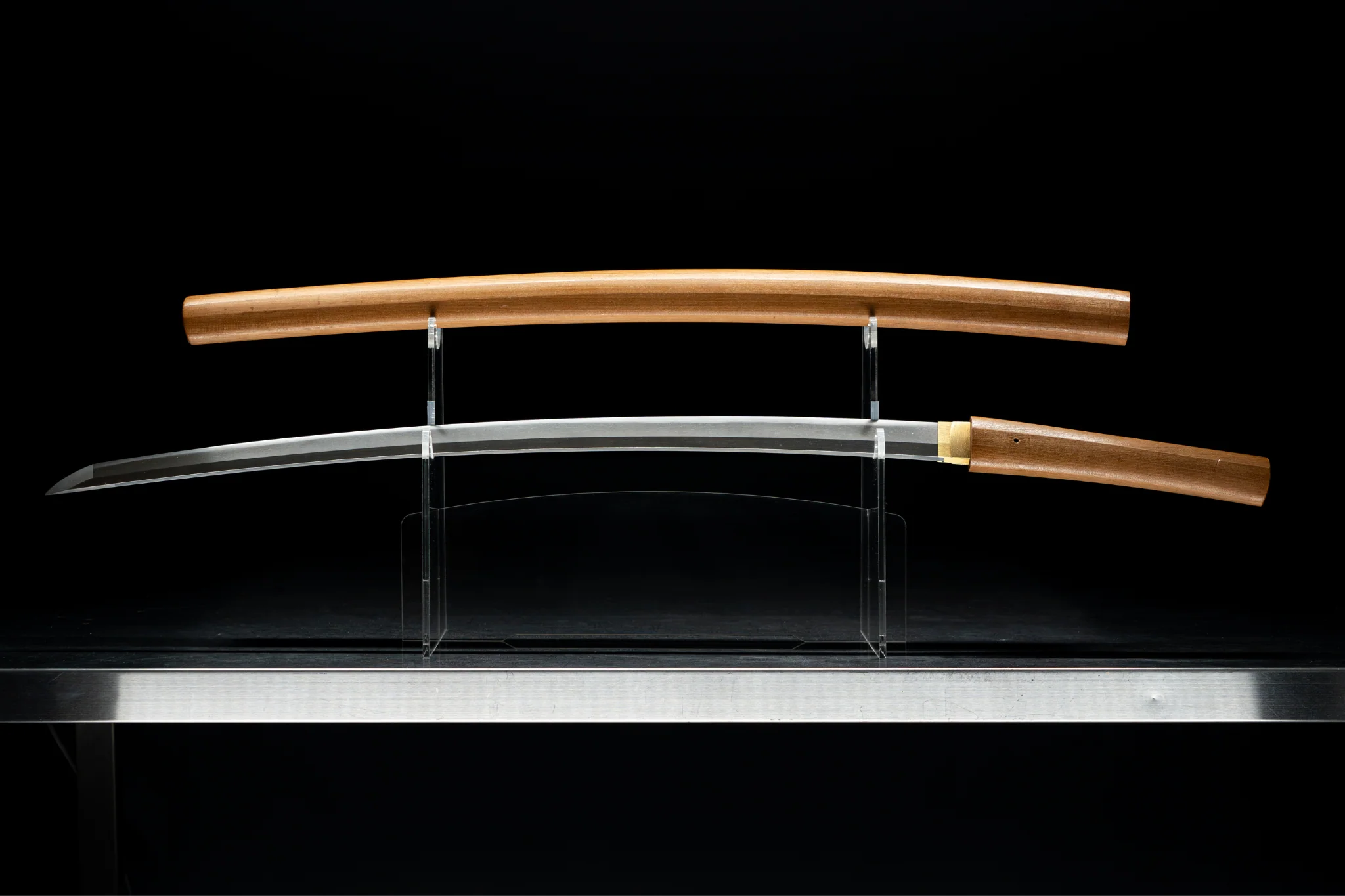
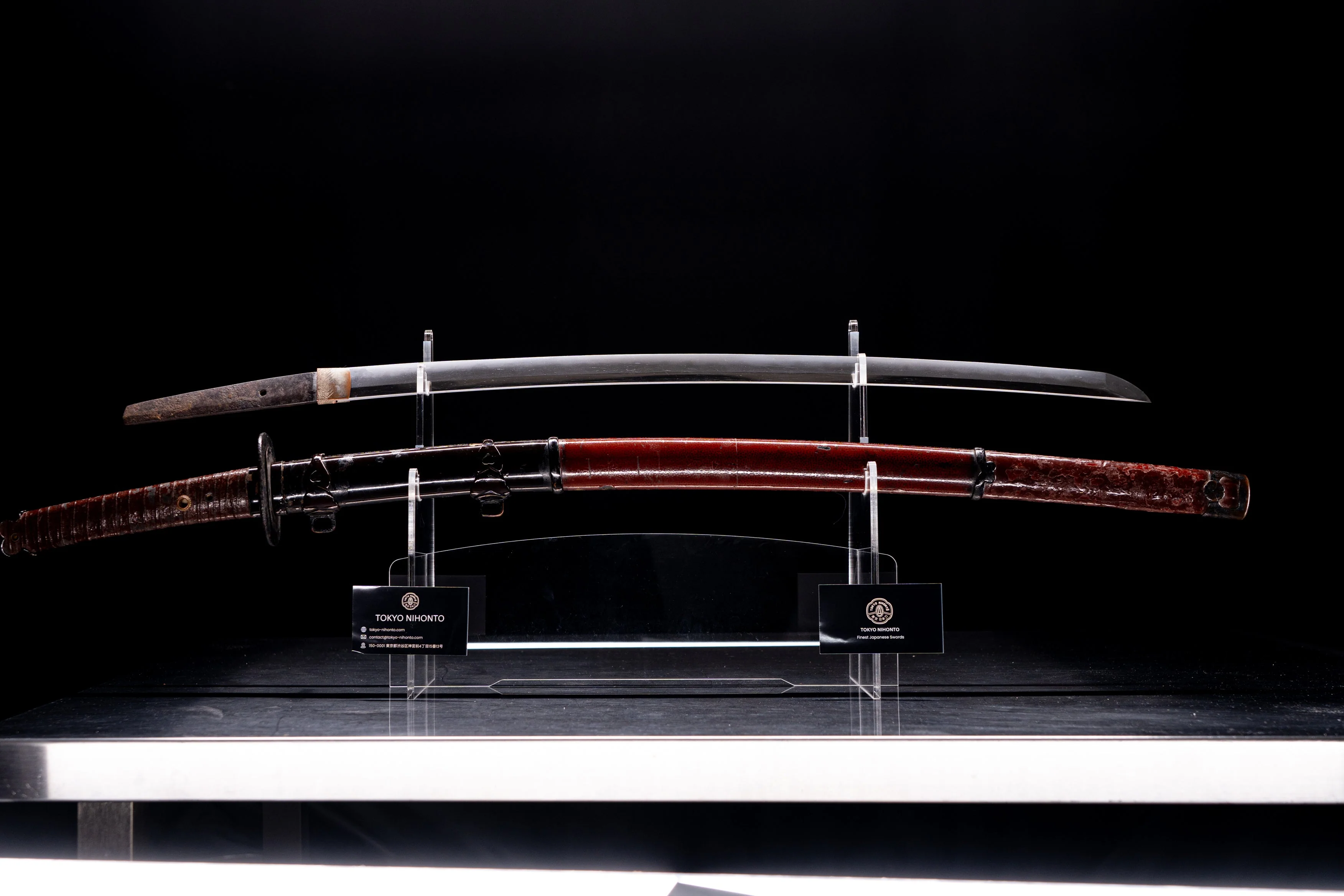
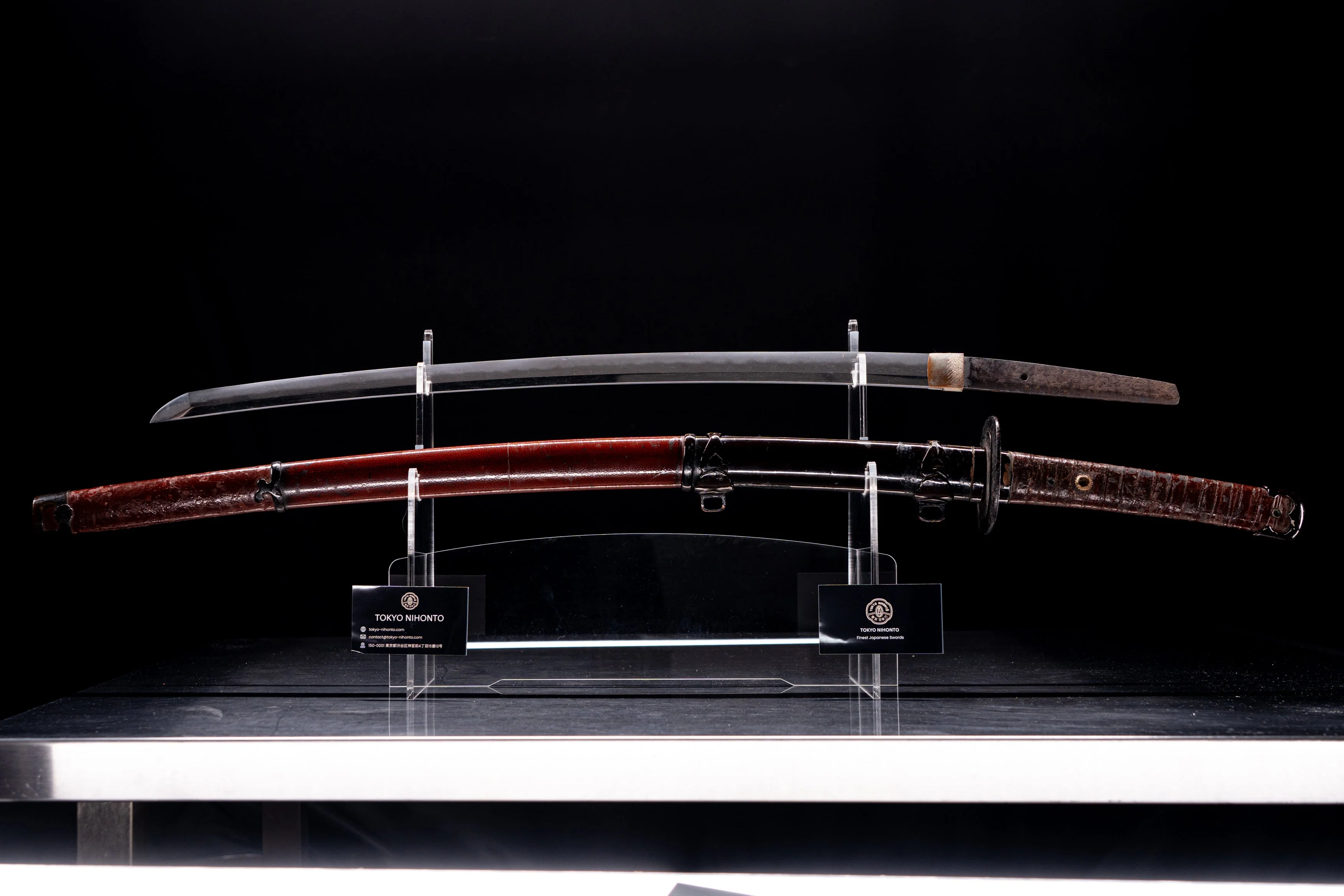
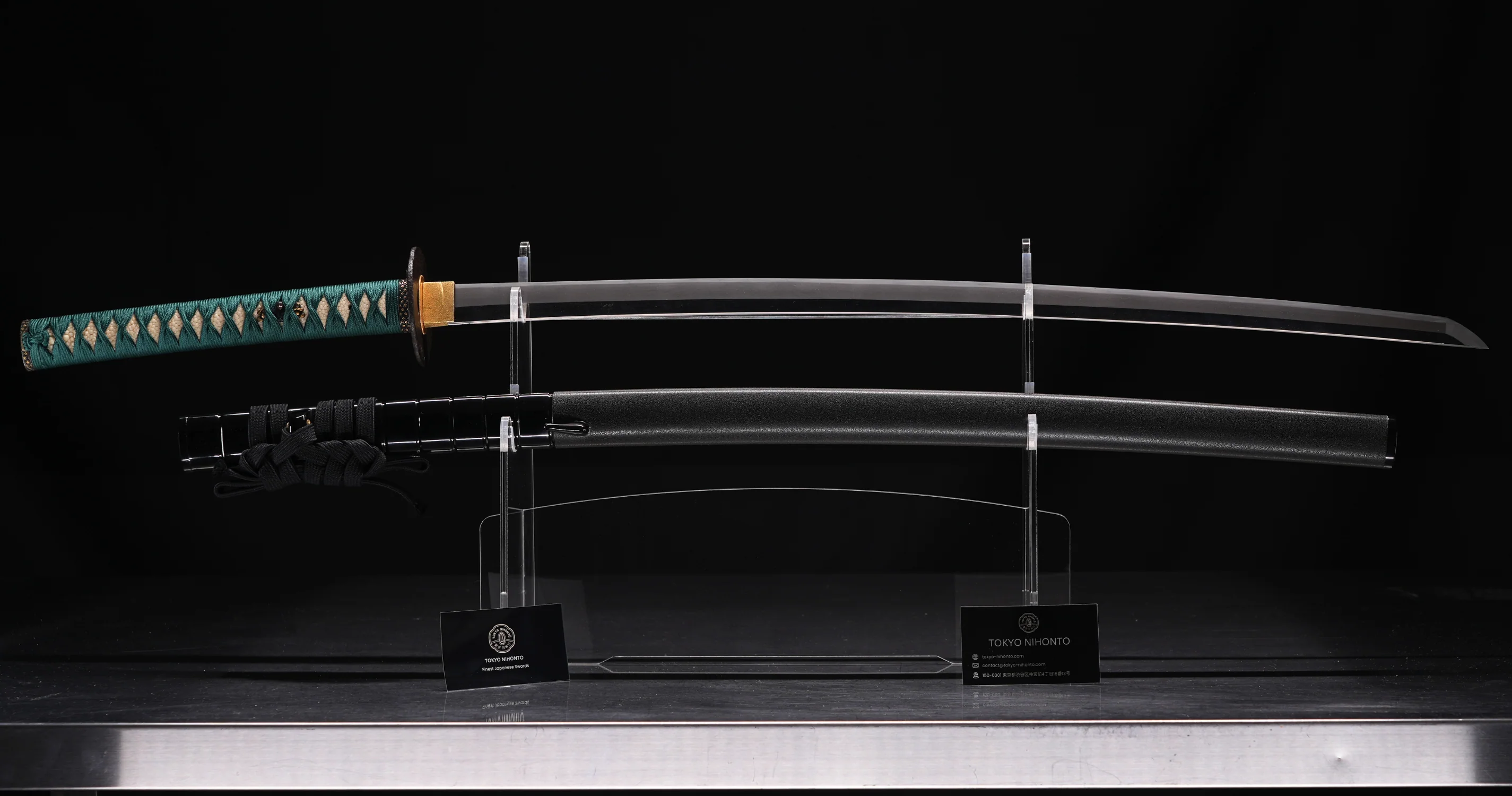
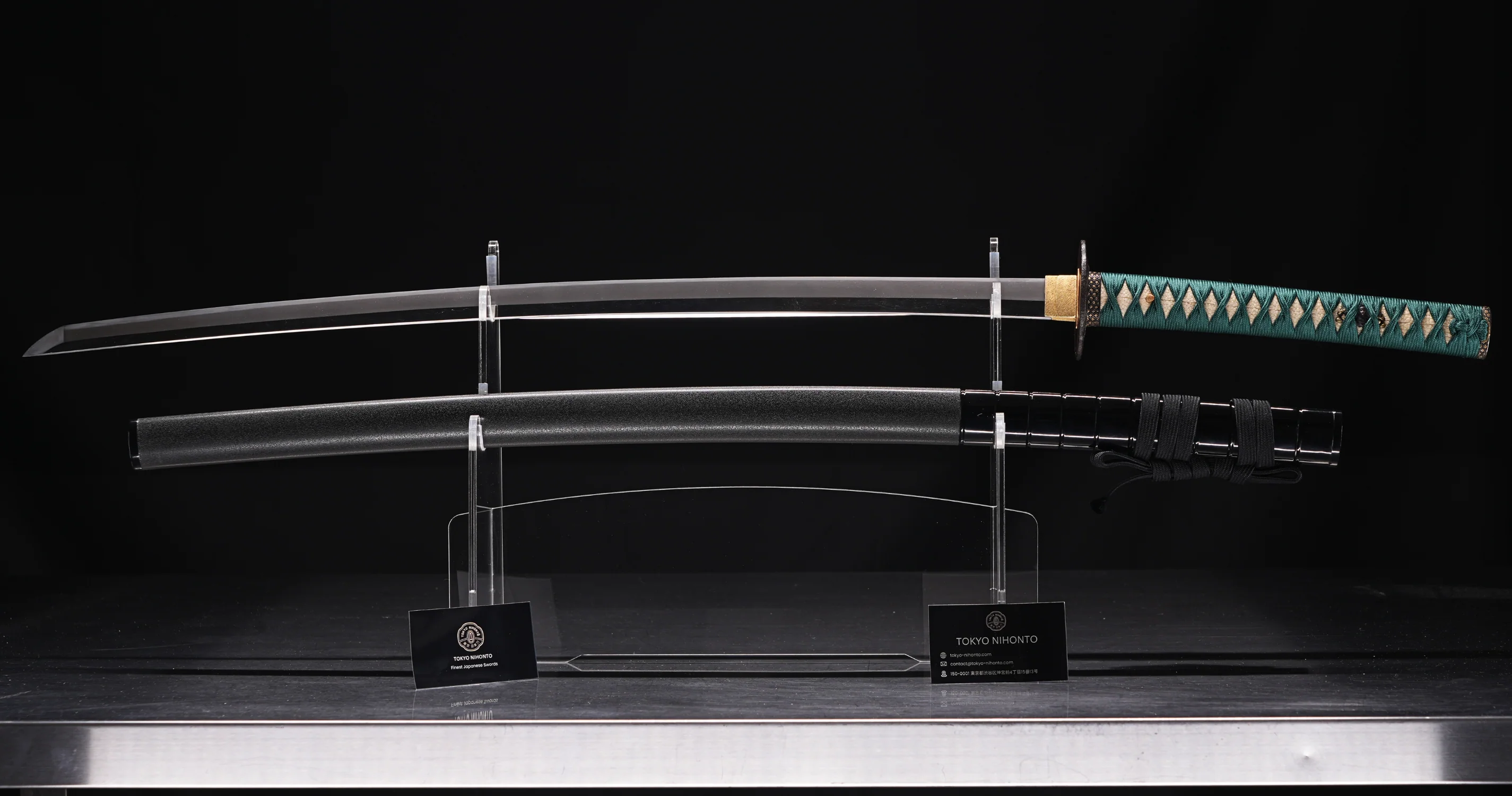
Experience the exceptional craftsmanship of this katana, forged by the skilled swordsmith Masachika, who resided in Iwama, Jōshū. The sword was crafted on an auspicious day in August 1969, during the Shōwa era. Masachika’s mastery in traditional Japanese sword-making techniques is reflected in every aspect of this blade, from the balance of the sword to the aesthetic beauty of the hamon and the fittings.
Specifications
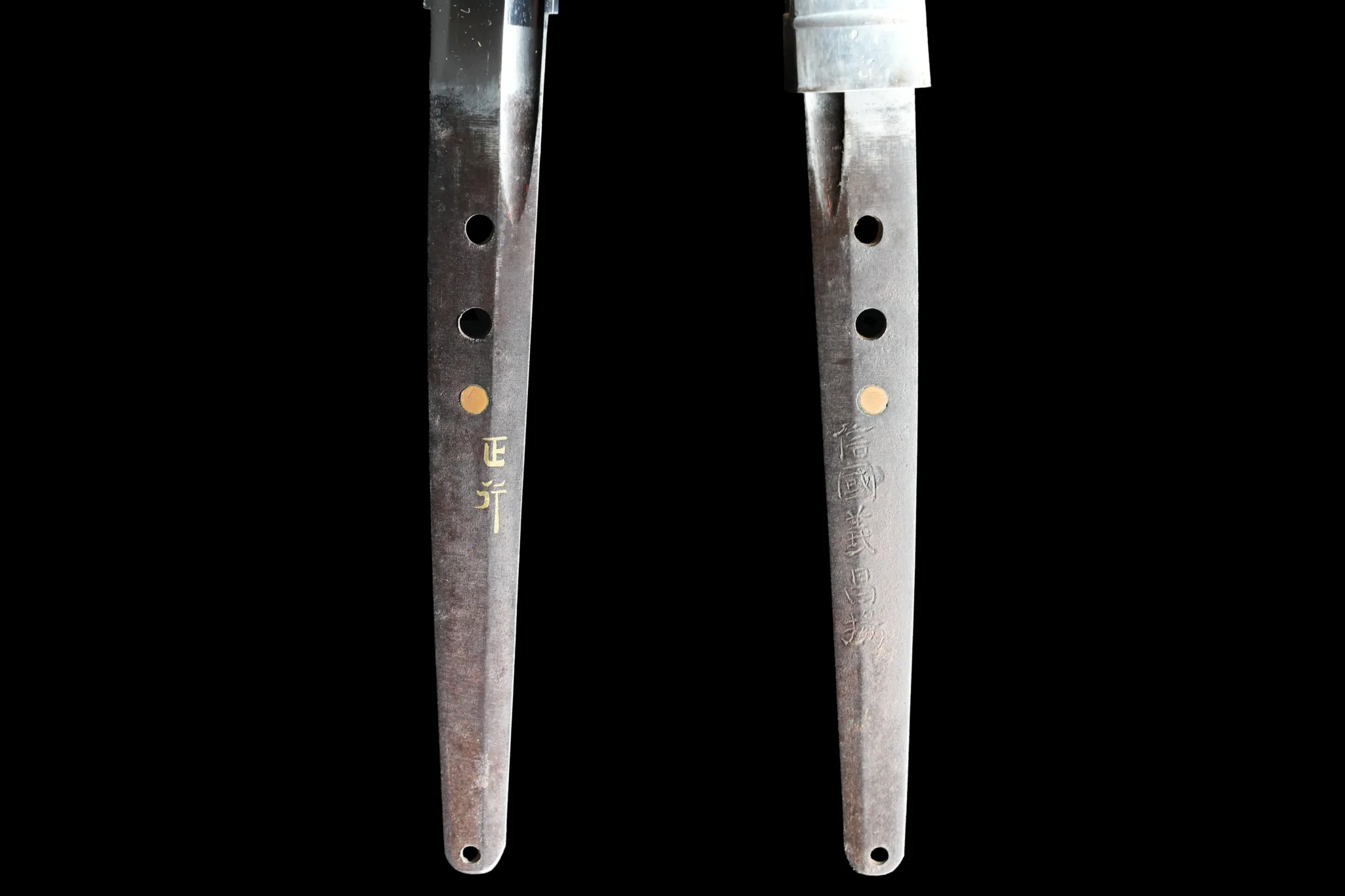
- Signature : Jōshū Iwama jū Masachika saku
- Shōwa yonjūyonnen hachigatsu hi (August 1969)
- Blade Length (刃長): 63.1 cm
- Sori (反り - Blade Curvature): 1.3 cm
- Width at Base (元幅): 32.0 mm
- Thickness at Base (元重): 7.0 mm
- Width at Tip (先幅): 21.3 mm
- Thickness at Tip (先重): 4.3 mm
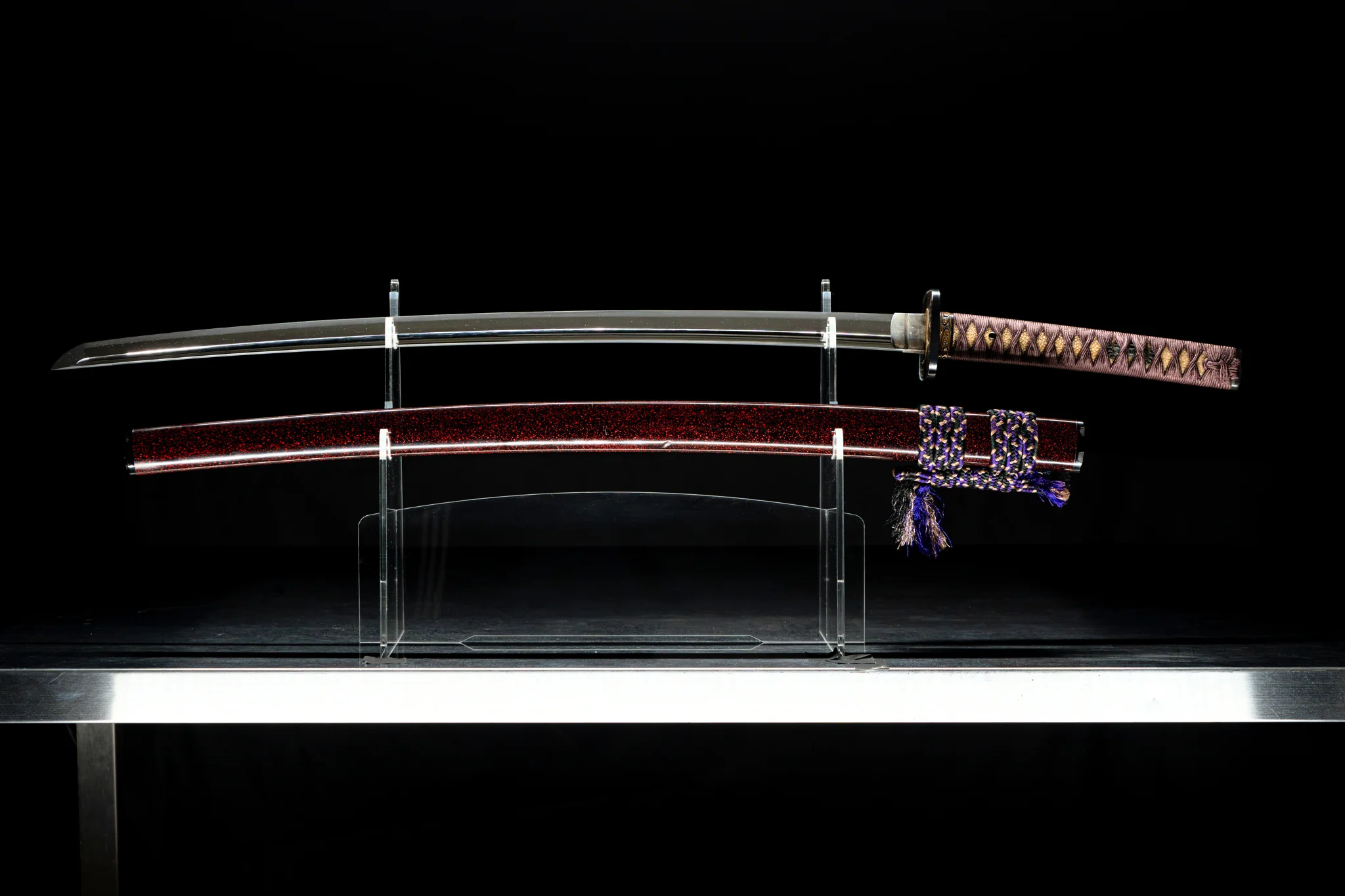
- Overall Length with Mountings (拵全長): 103.2 cm
Blade Characteristics
The katana features a finely detailed blade with a prominent choji-ba hamon, known for its clove-like patterns that give the blade both elegance and strength. The masame hada steel grain pattern, running in a straight grain along the blade, ensures excellent cutting performance while showcasing the swordsmith’s refined technique. Every element of the blade design reflects traditional sword-making at its finest.
Signature (Mei)
- Face Side: 常州岩間住正近作 (Jōshū Iwama jū Masachika saku)
- Reverse Side: 昭和四十四年八月日 (Made on an auspicious day in August 1969, Shōwa 44)
Koshirae (拵え - Mountings)
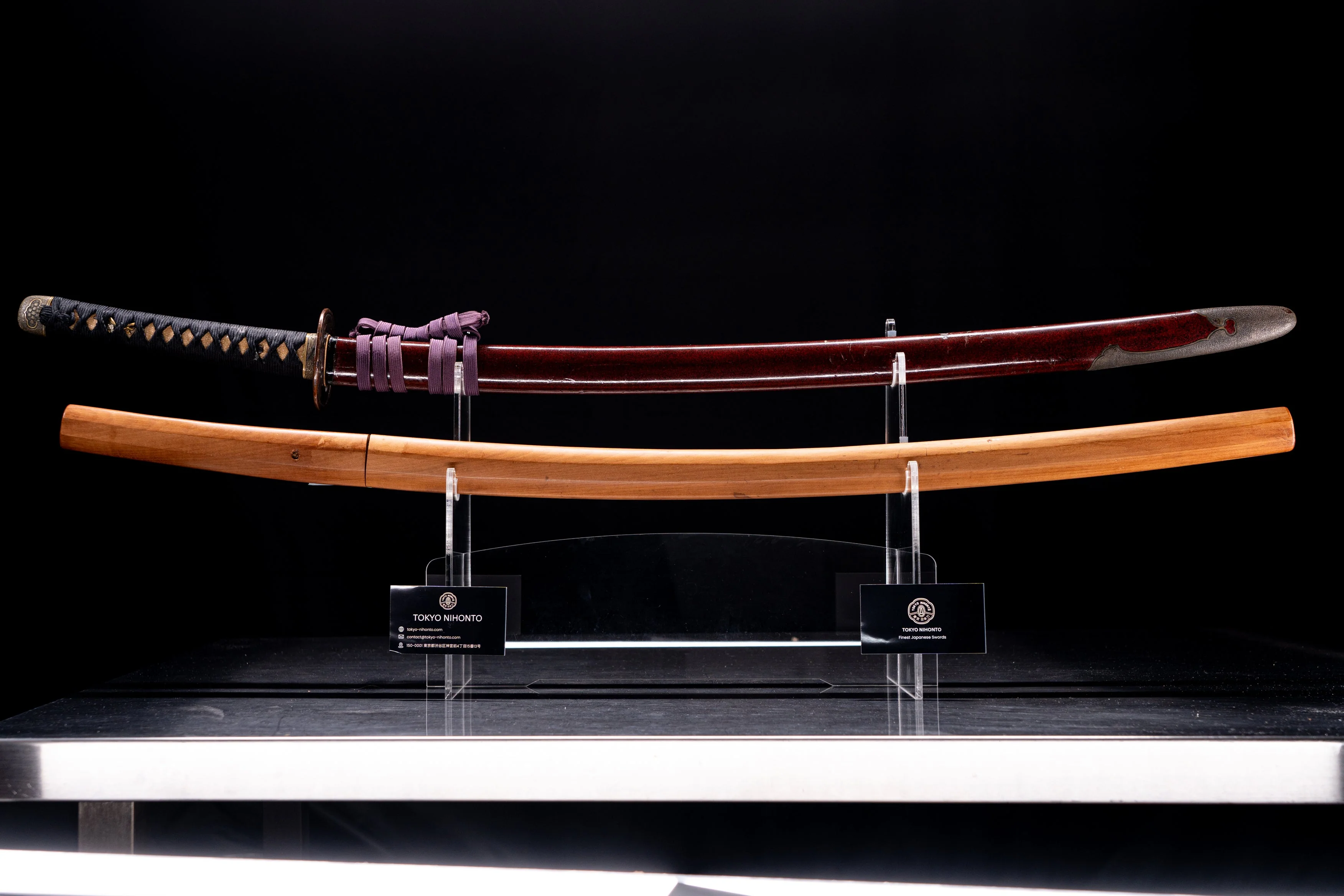
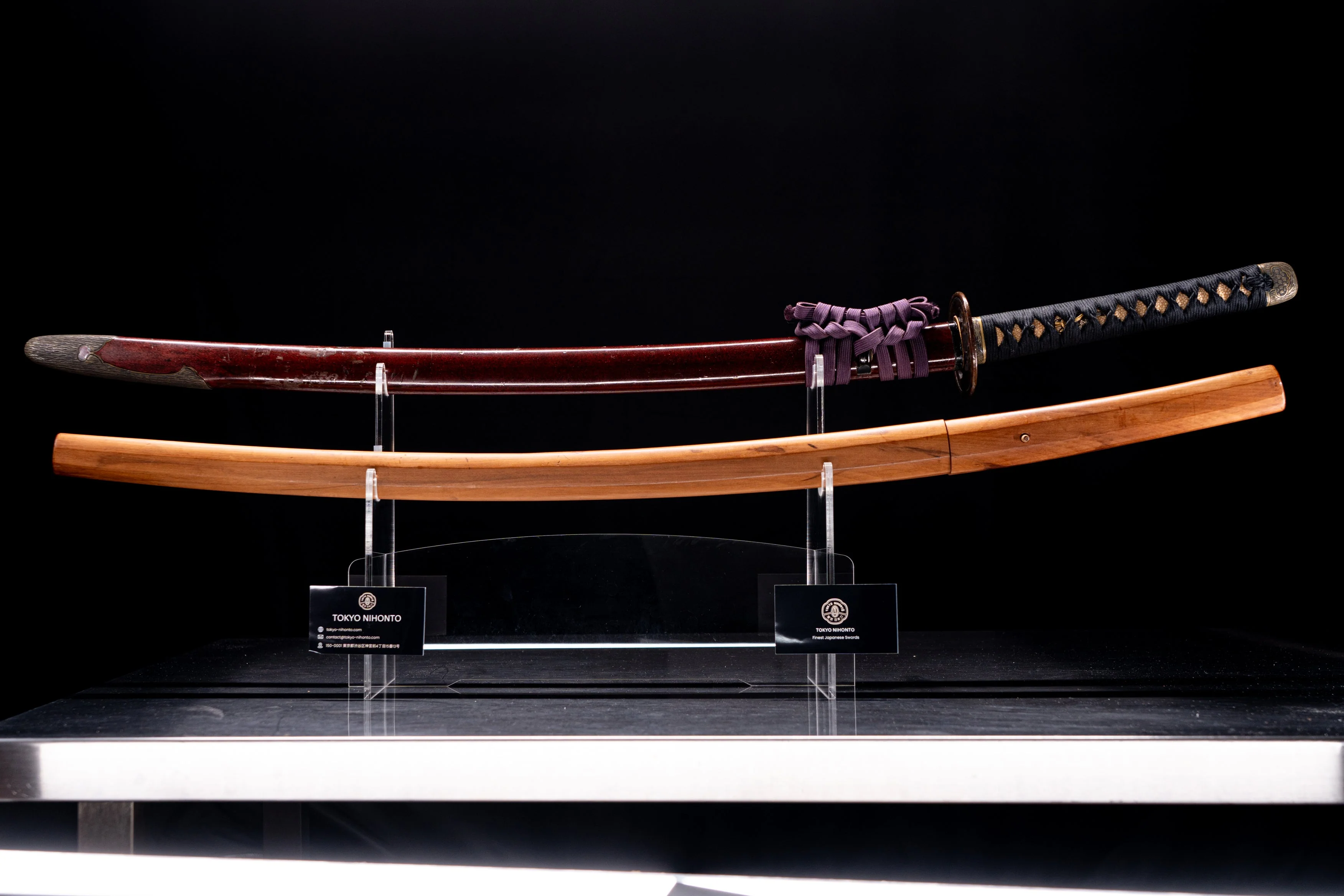
The sword is housed in a sturdy and beautifully crafted koshirae, designed to complement the blade’s functionality and traditional aesthetic. The fittings are robust, providing the perfect balance for practical use while enhancing the visual appeal of the katana.
Historical Context
The swordsmith Masachika, whose full mei reads Jōshū Iwama jū Masachika saku, was active during the Shōwa period (1926-1989). He worked primarily in the Hitachi province and was particularly active between 1968 and 1989. Masachika produced swords known for their fine craftsmanship during the later years of traditional sword-making in Japan, as swordsmiths continued the ancient practices despite the significant changes in Japanese society.
Original: $2,700.00
-65%$2,700.00
$945.00Product Information
Product Information
Shipping & Returns
Shipping & Returns
Description
Experience the exceptional craftsmanship of this katana, forged by the skilled swordsmith Masachika, who resided in Iwama, Jōshū. The sword was crafted on an auspicious day in August 1969, during the Shōwa era. Masachika’s mastery in traditional Japanese sword-making techniques is reflected in every aspect of this blade, from the balance of the sword to the aesthetic beauty of the hamon and the fittings.
Specifications
- Signature : Jōshū Iwama jū Masachika saku
- Shōwa yonjūyonnen hachigatsu hi (August 1969)
- Blade Length (刃長): 63.1 cm
- Sori (反り - Blade Curvature): 1.3 cm
- Width at Base (元幅): 32.0 mm
- Thickness at Base (元重): 7.0 mm
- Width at Tip (先幅): 21.3 mm
- Thickness at Tip (先重): 4.3 mm
- Overall Length with Mountings (拵全長): 103.2 cm
Blade Characteristics
The katana features a finely detailed blade with a prominent choji-ba hamon, known for its clove-like patterns that give the blade both elegance and strength. The masame hada steel grain pattern, running in a straight grain along the blade, ensures excellent cutting performance while showcasing the swordsmith’s refined technique. Every element of the blade design reflects traditional sword-making at its finest.
Signature (Mei)
- Face Side: 常州岩間住正近作 (Jōshū Iwama jū Masachika saku)
- Reverse Side: 昭和四十四年八月日 (Made on an auspicious day in August 1969, Shōwa 44)
Koshirae (拵え - Mountings)
The sword is housed in a sturdy and beautifully crafted koshirae, designed to complement the blade’s functionality and traditional aesthetic. The fittings are robust, providing the perfect balance for practical use while enhancing the visual appeal of the katana.
Historical Context
The swordsmith Masachika, whose full mei reads Jōshū Iwama jū Masachika saku, was active during the Shōwa period (1926-1989). He worked primarily in the Hitachi province and was particularly active between 1968 and 1989. Masachika produced swords known for their fine craftsmanship during the later years of traditional sword-making in Japan, as swordsmiths continued the ancient practices despite the significant changes in Japanese society.