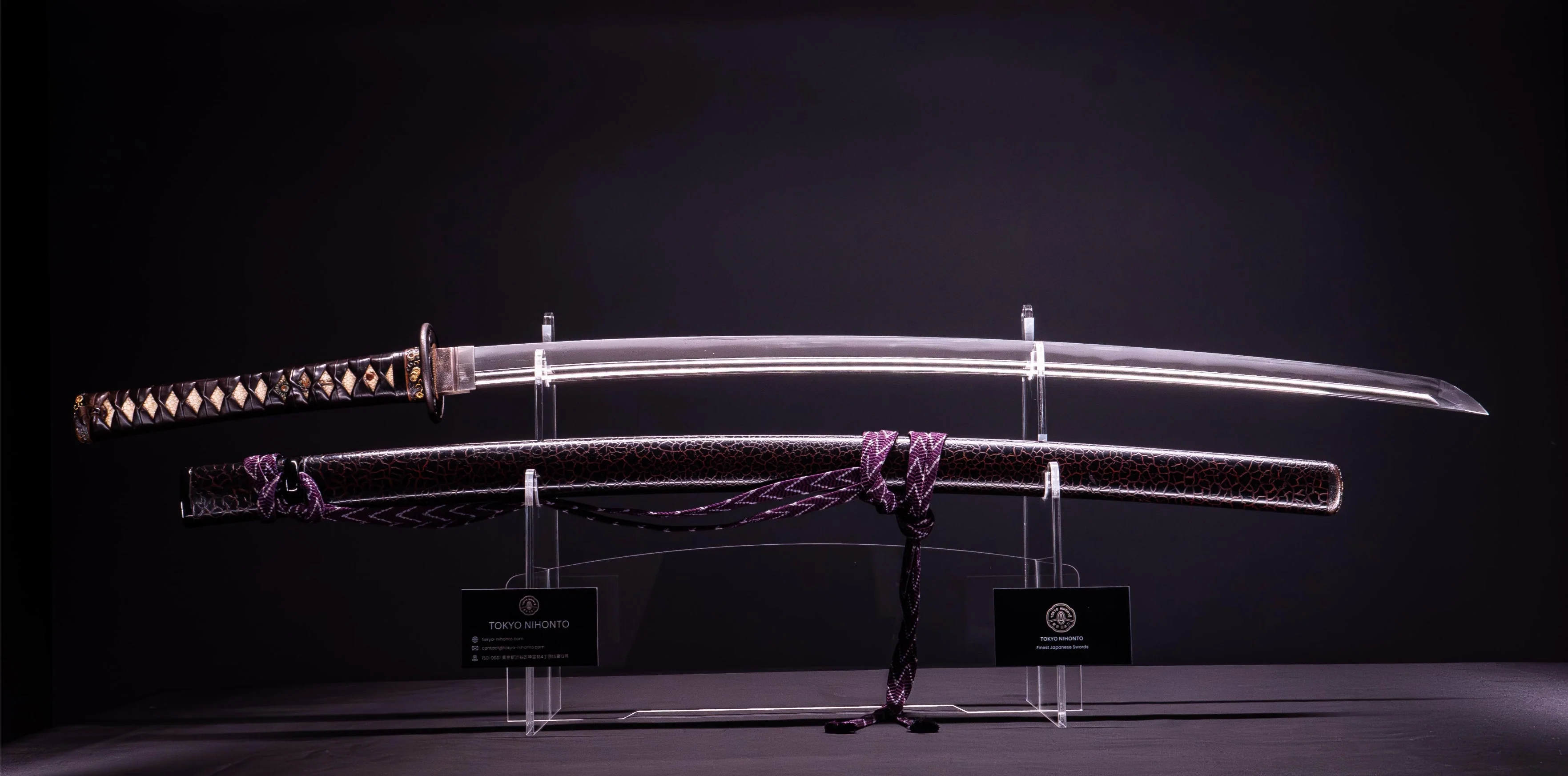
Antique Japanese Sword Katana signed Seki Ju Kanemichi
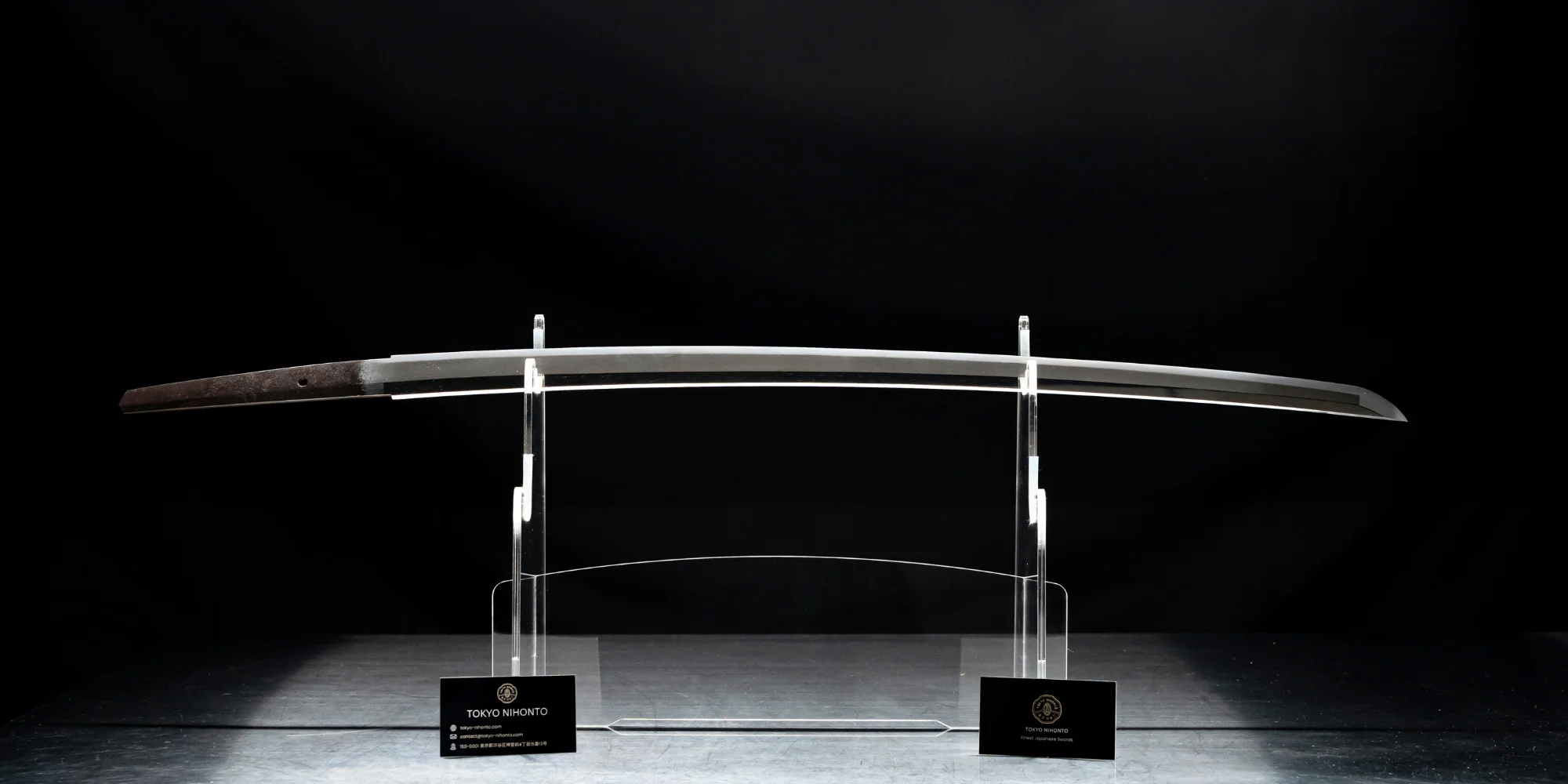
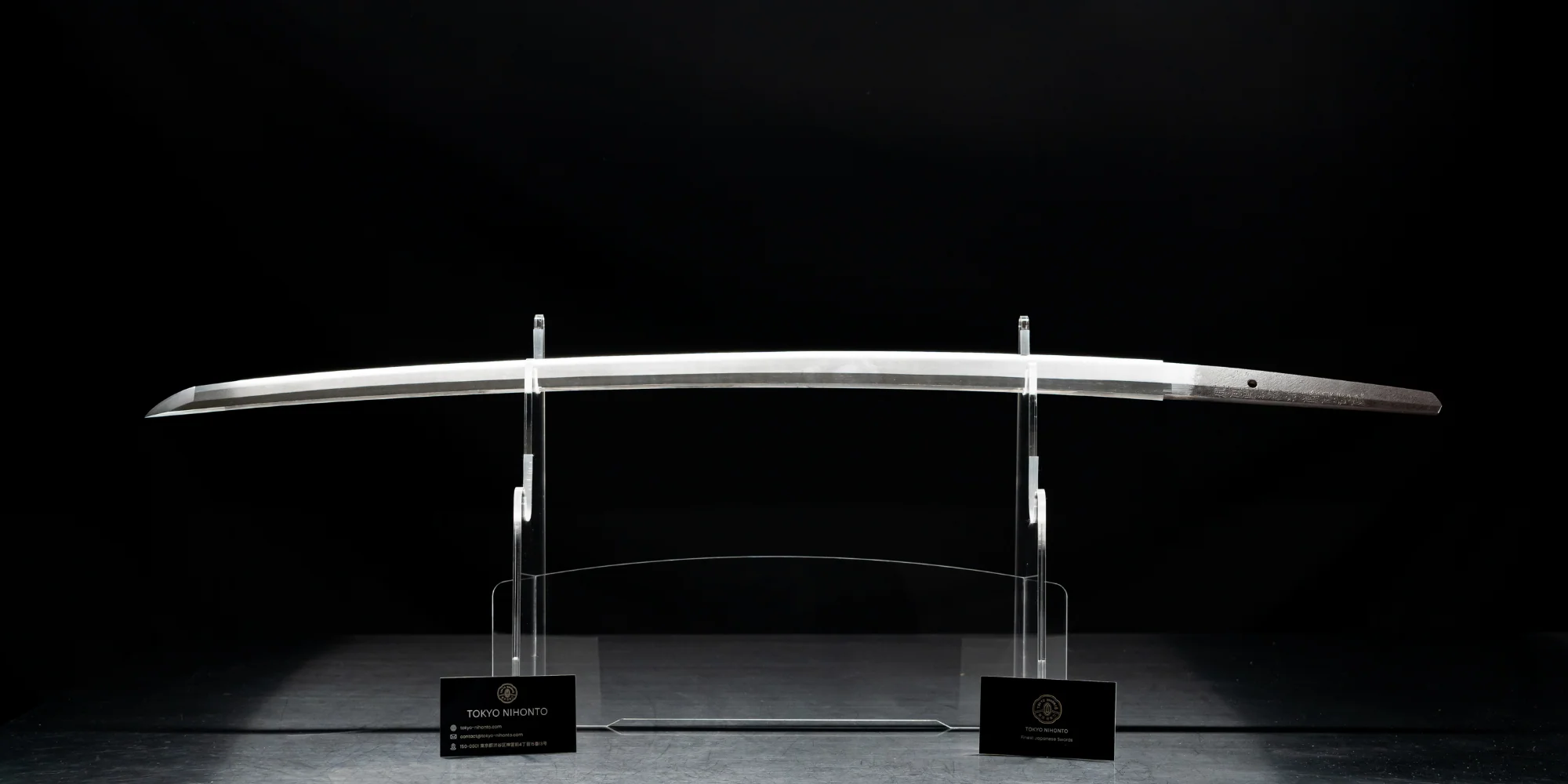
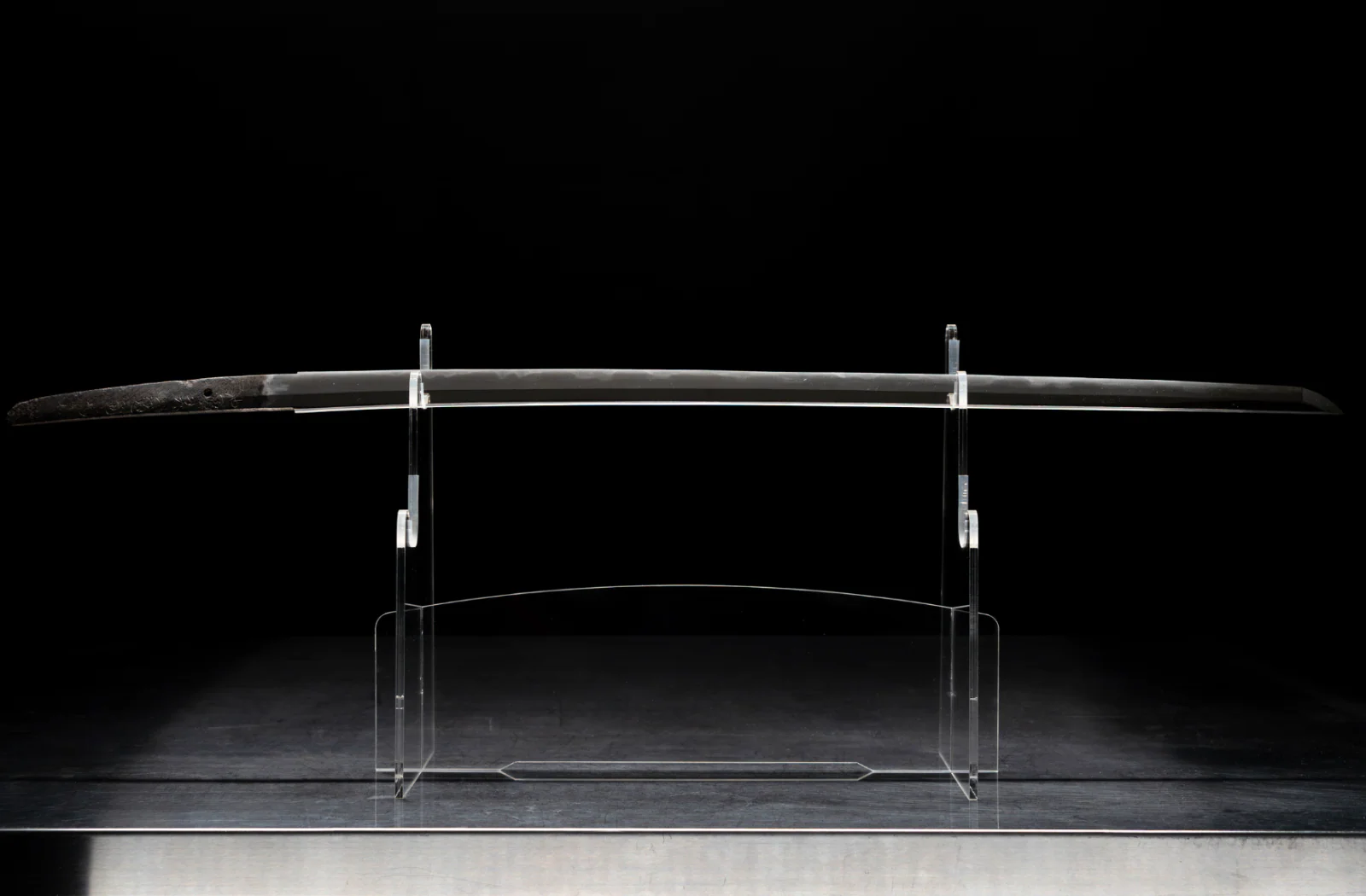
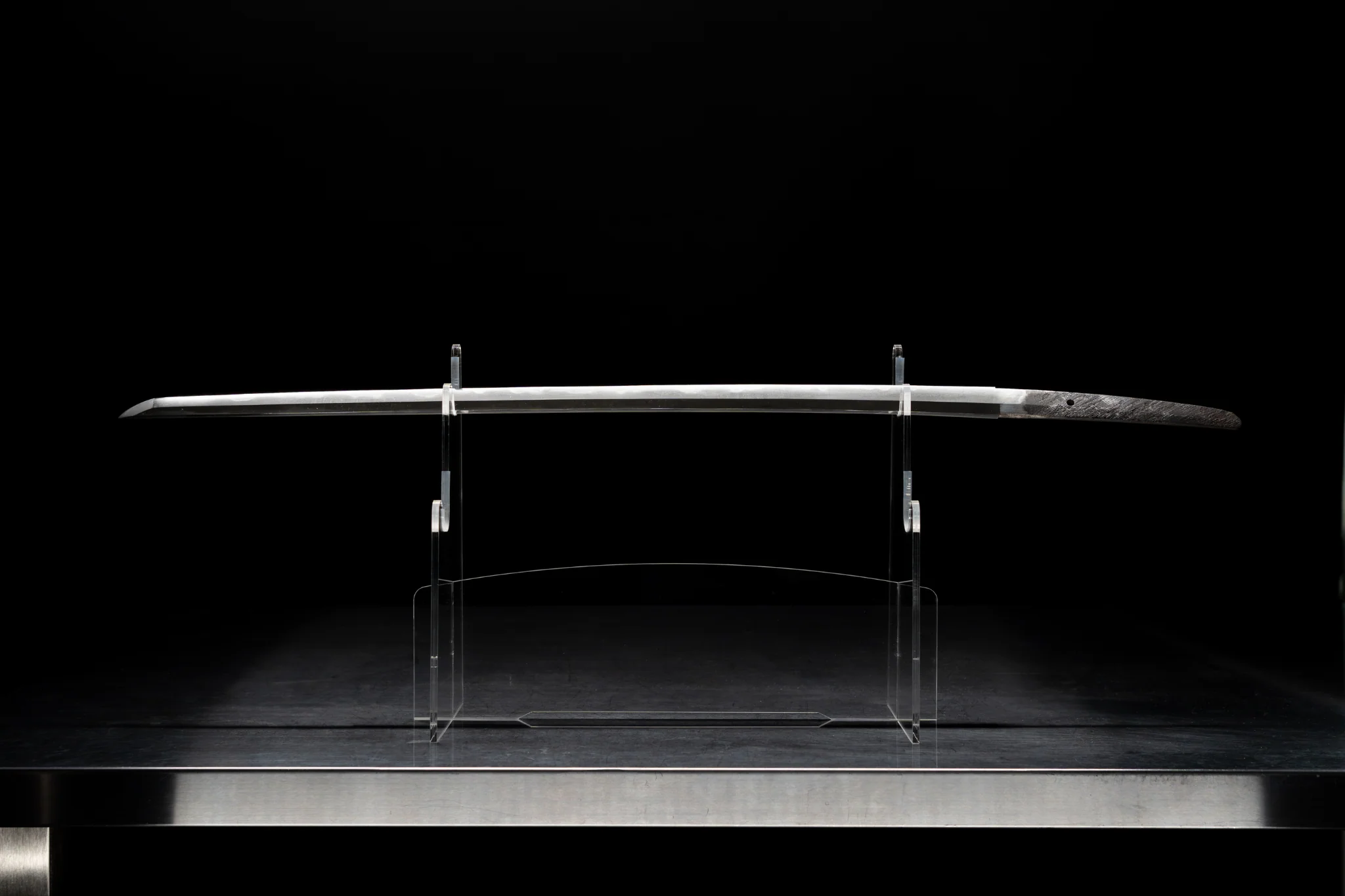
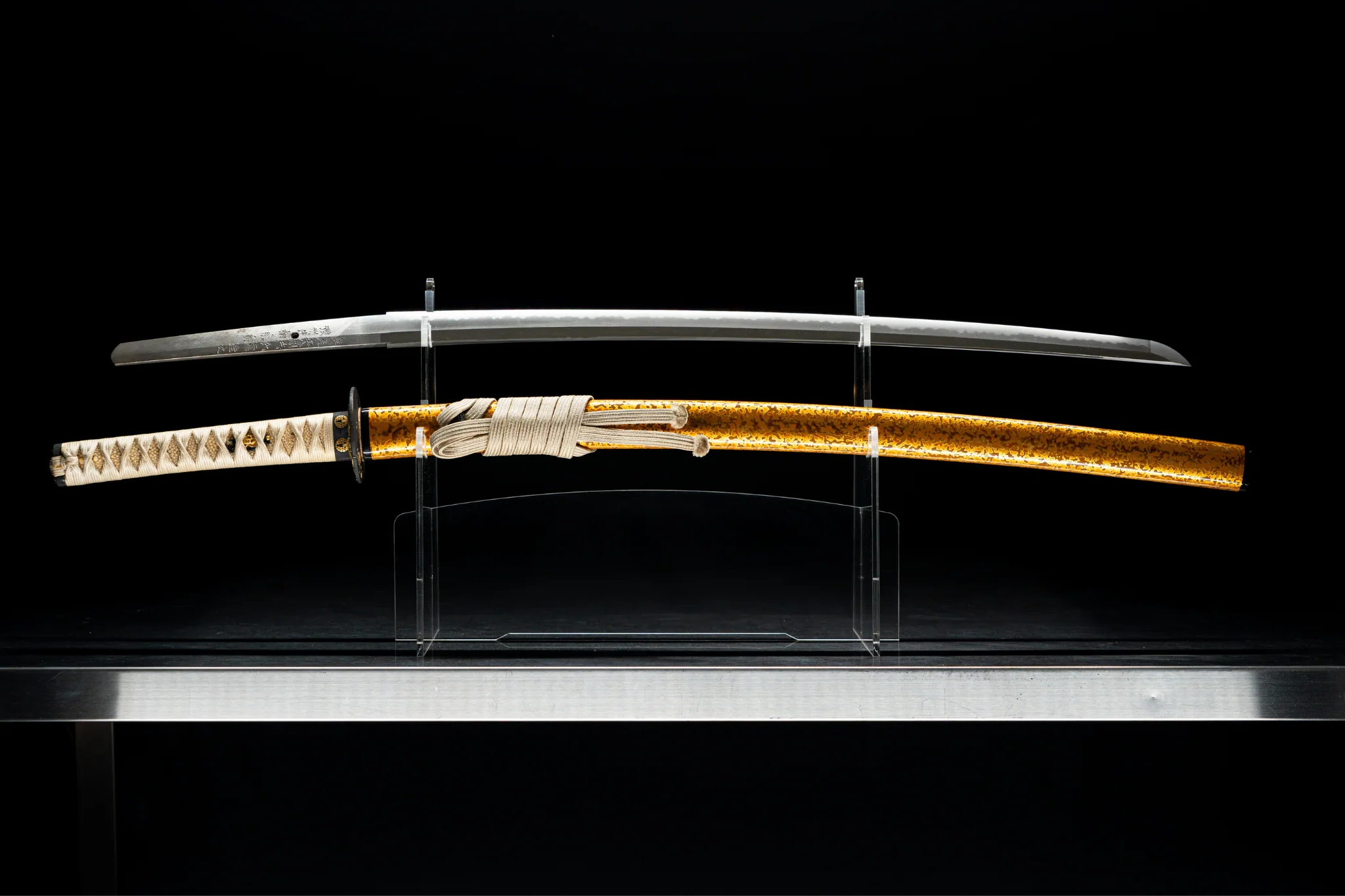
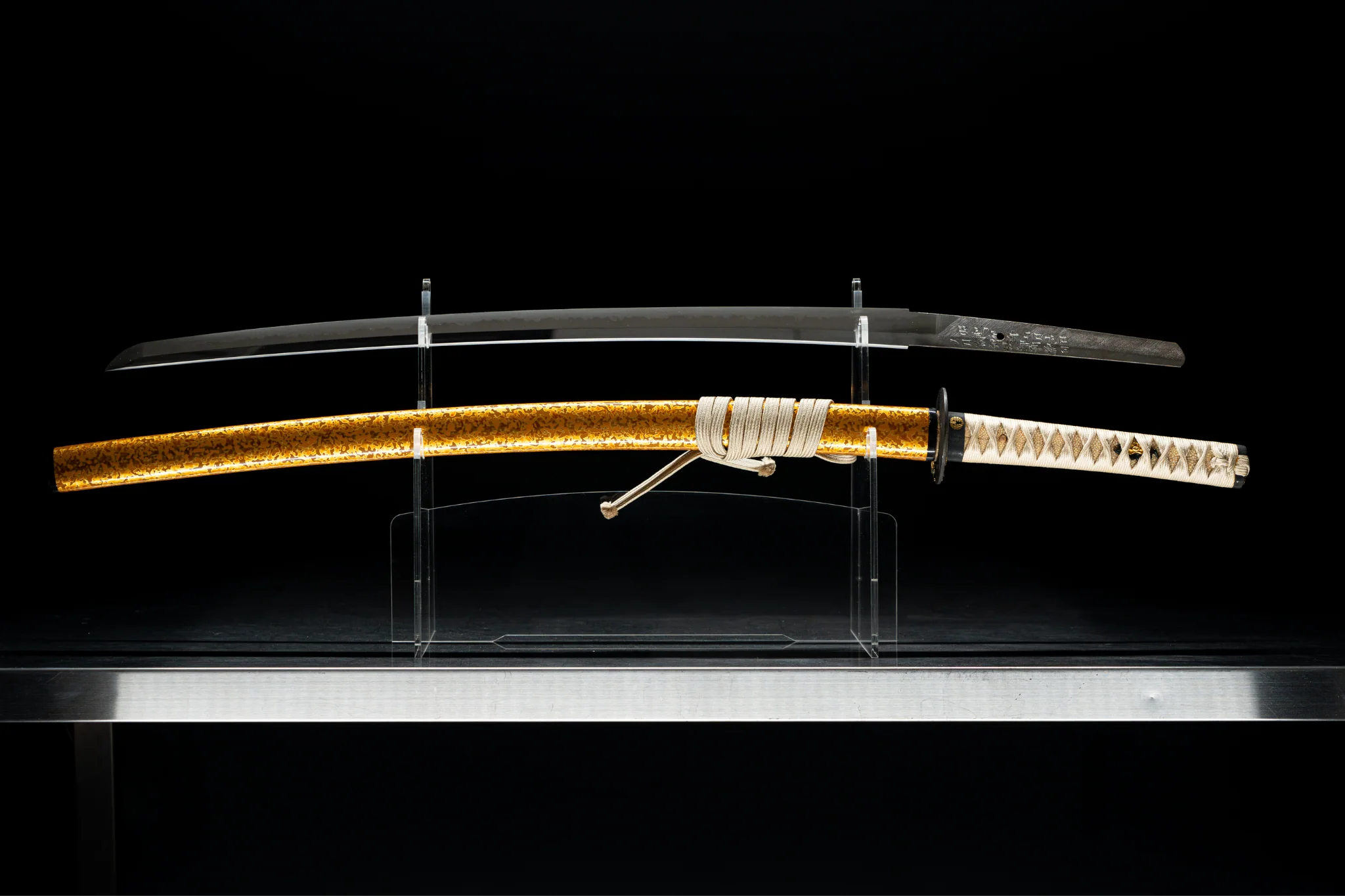
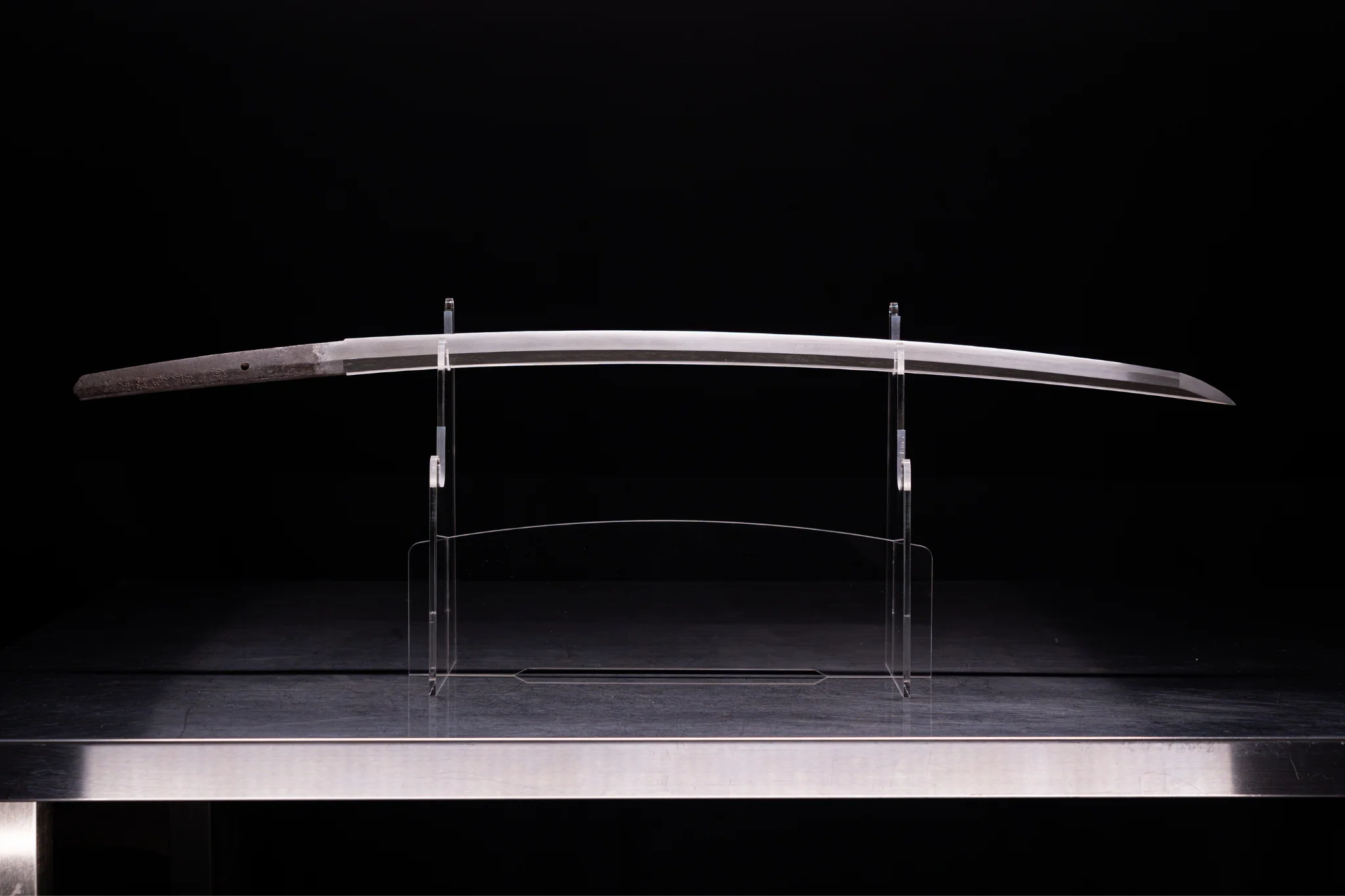
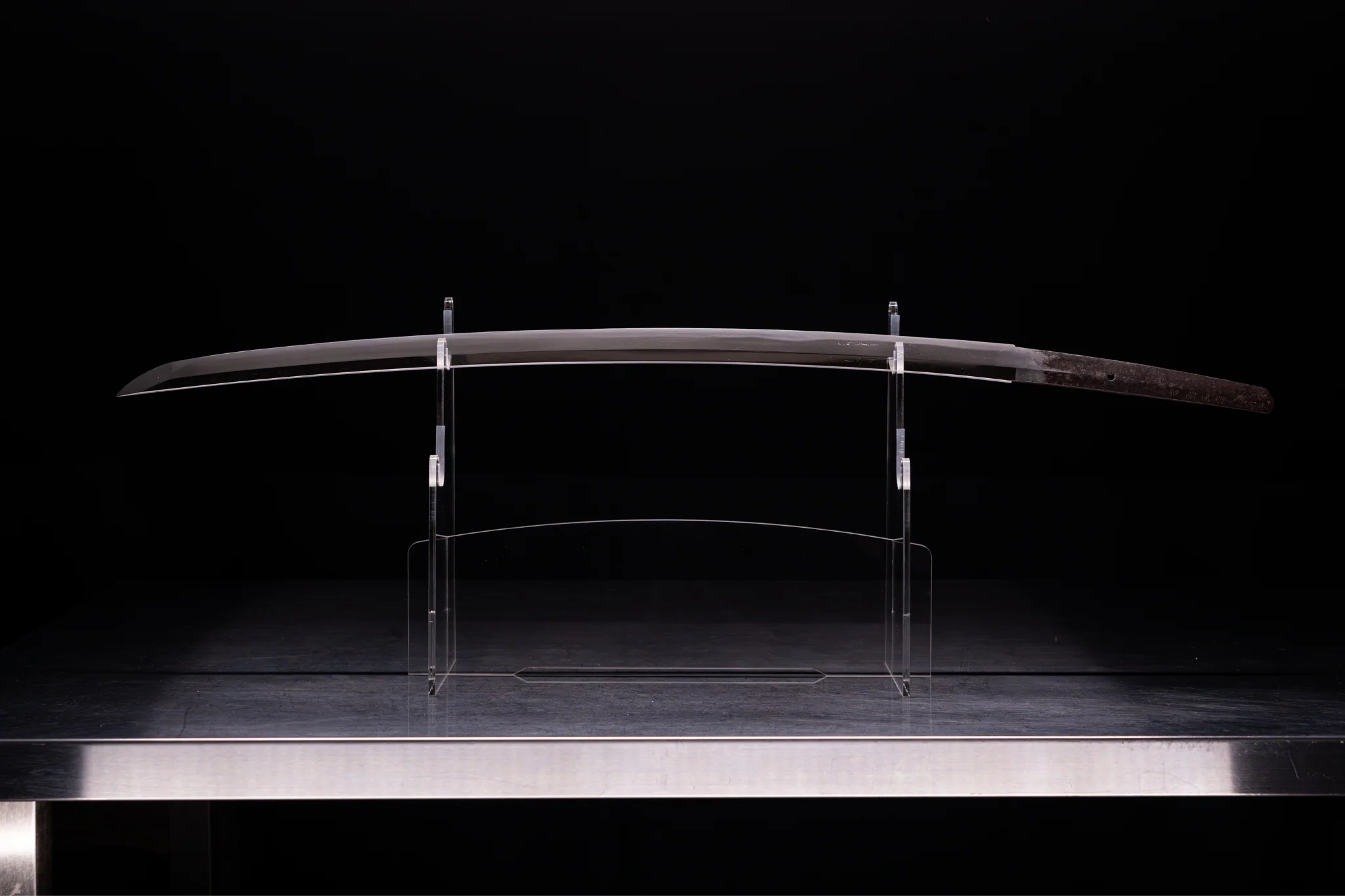
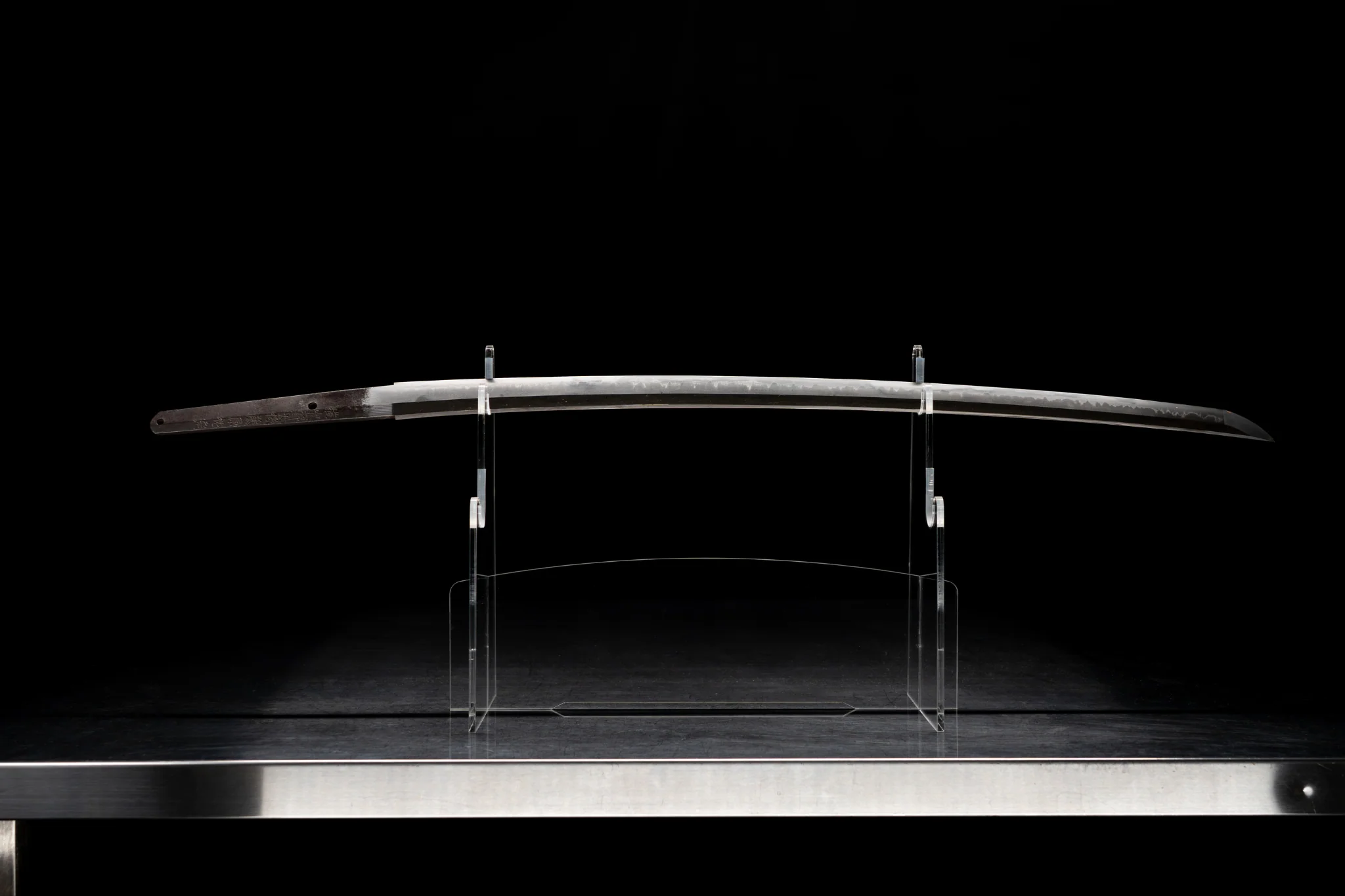
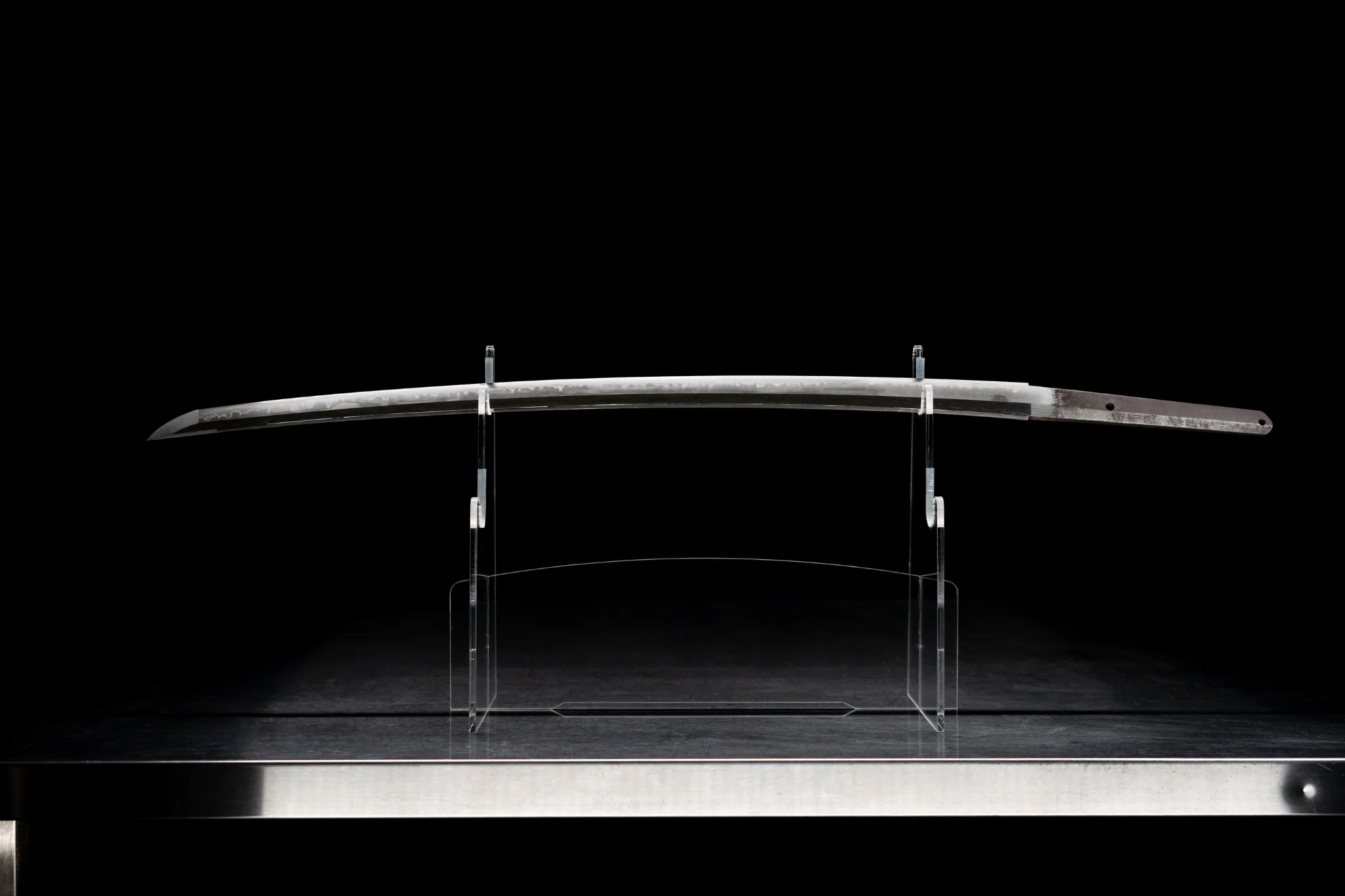
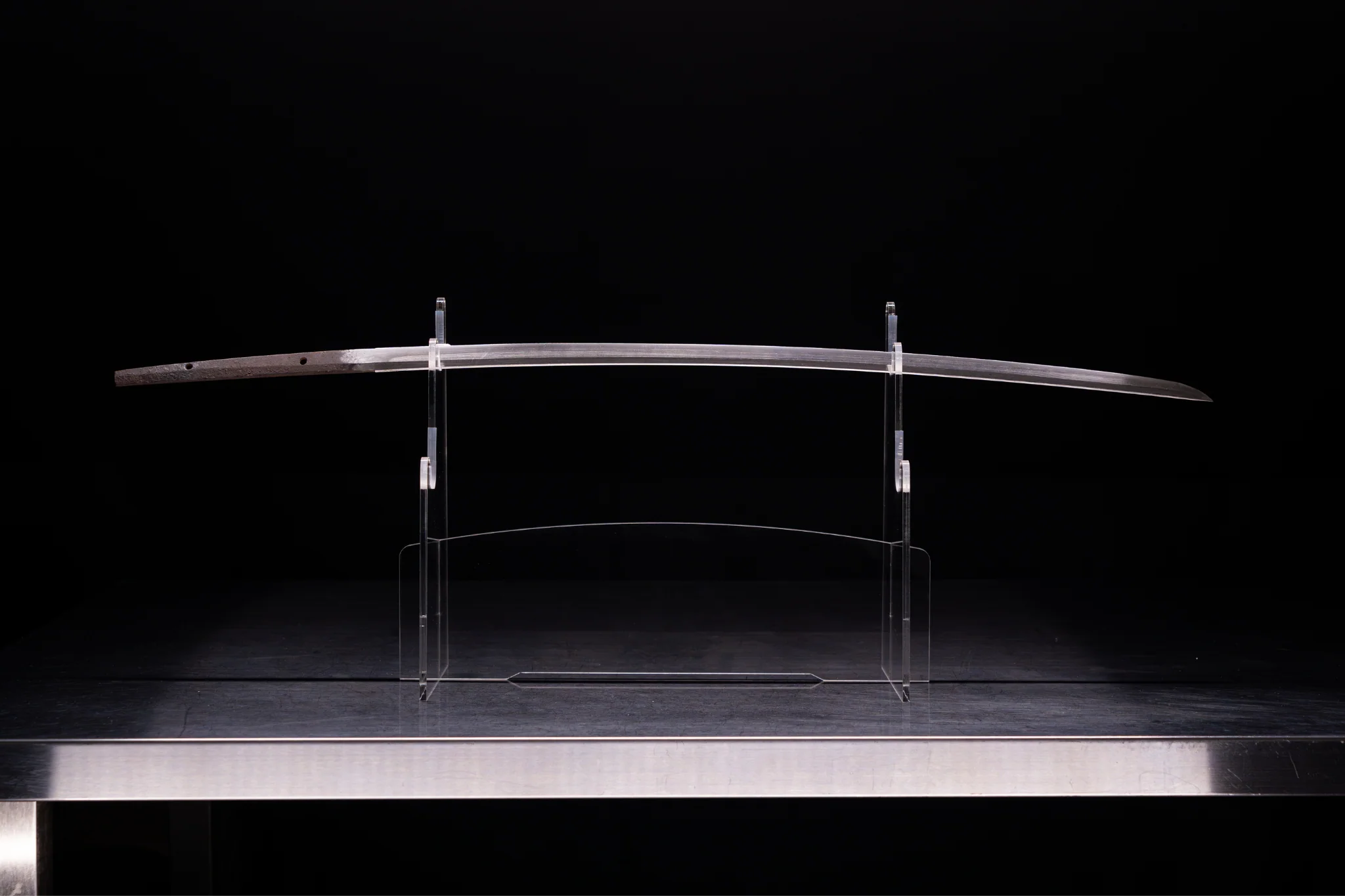
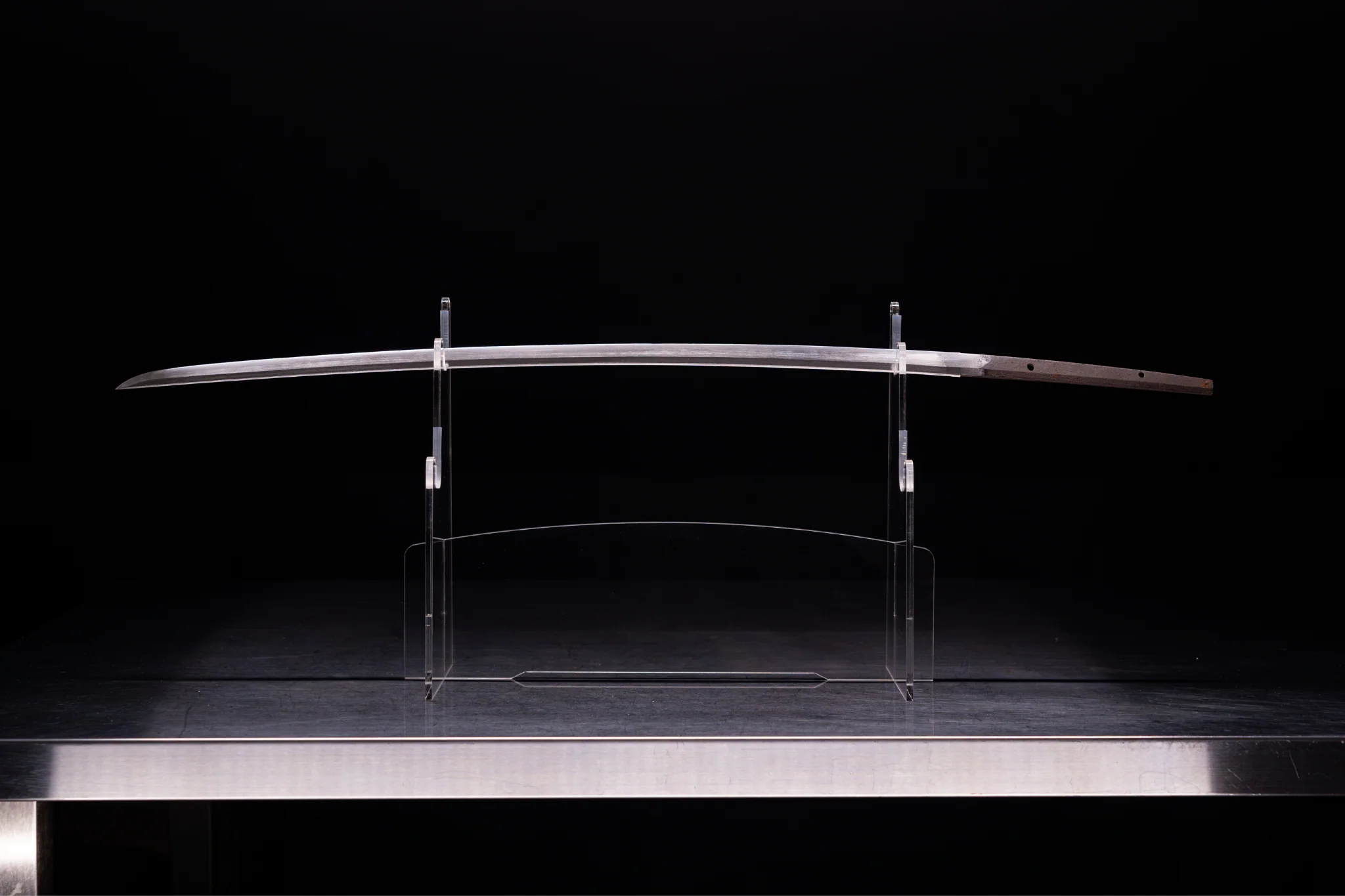
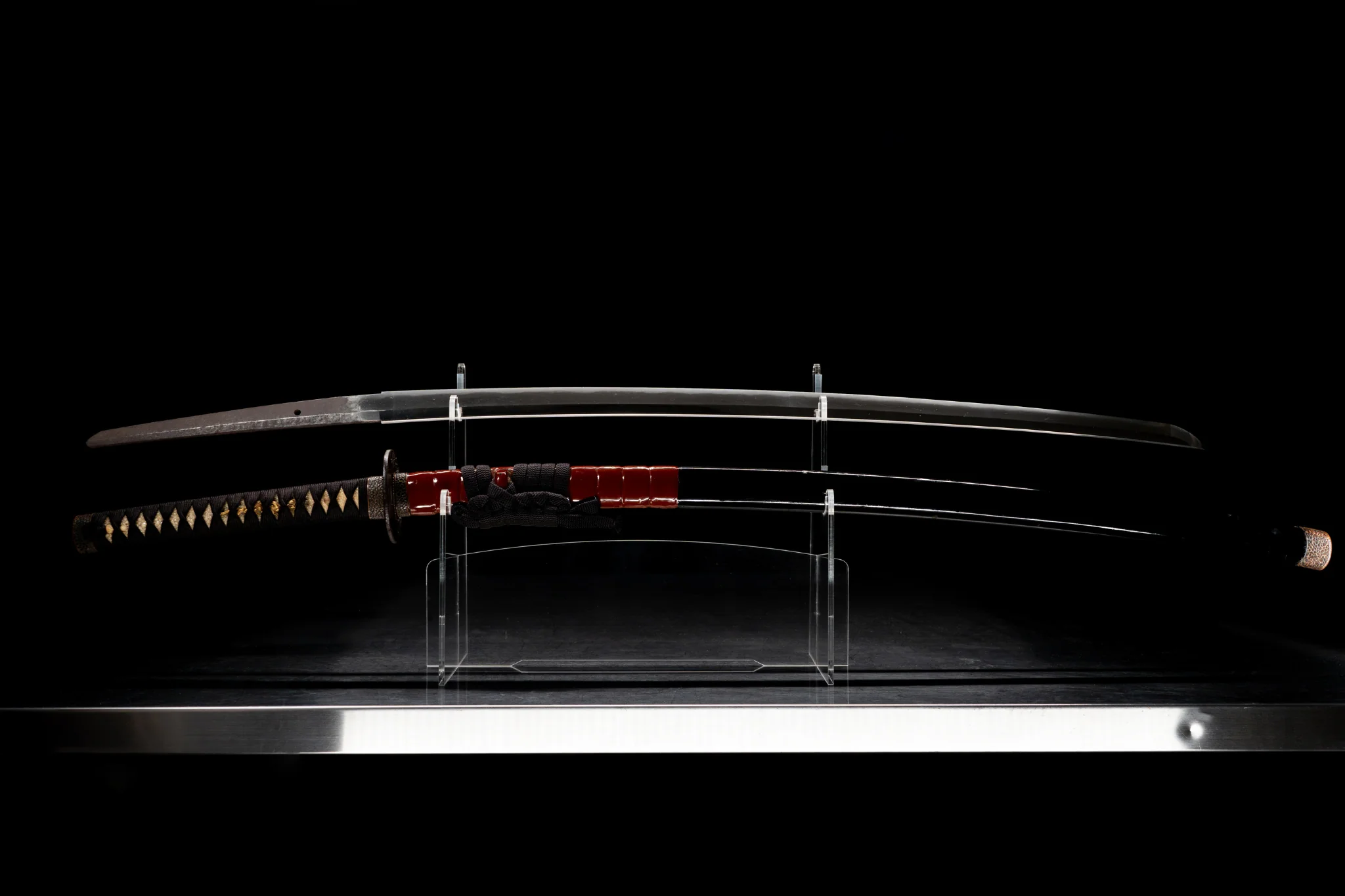
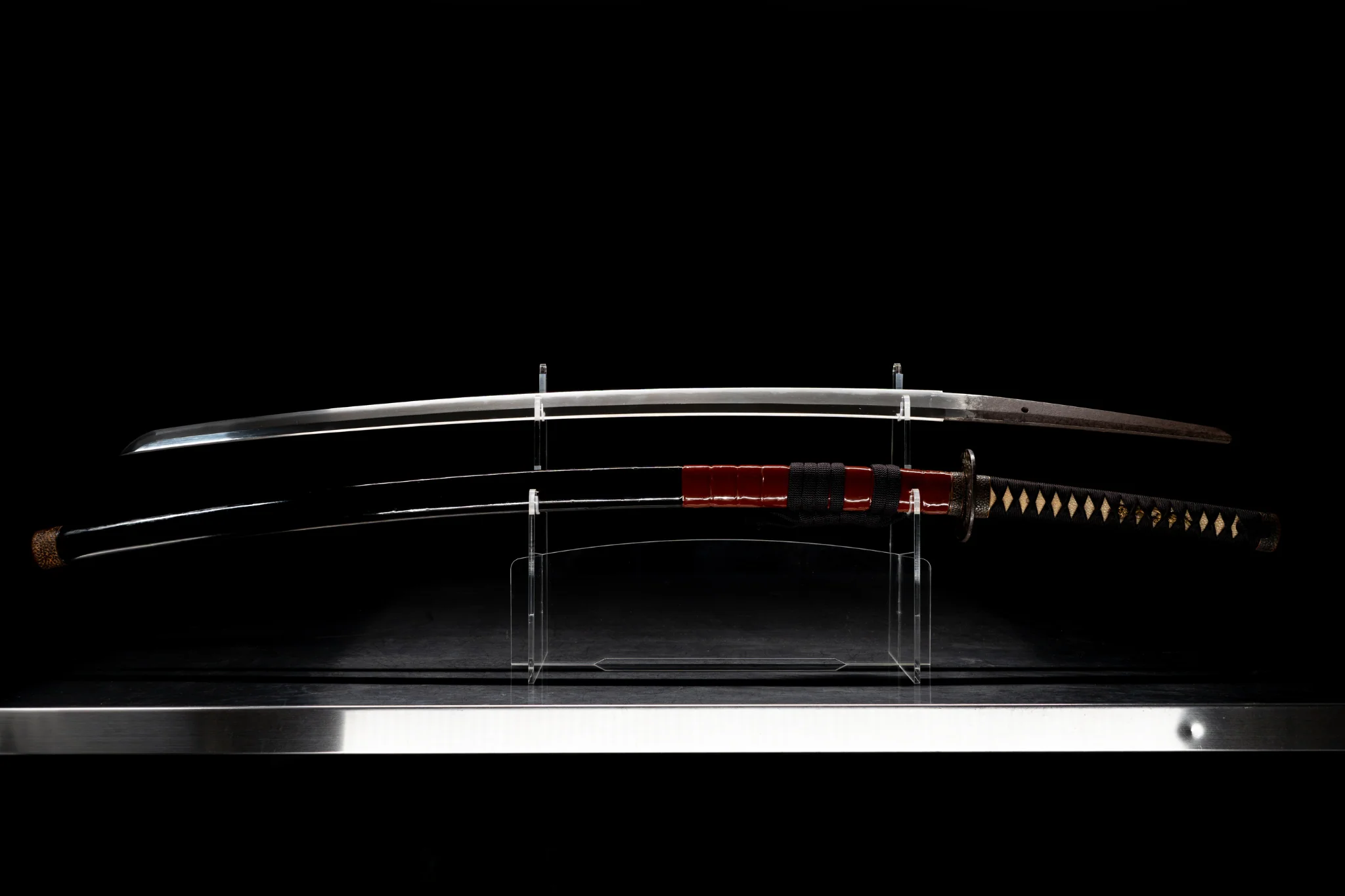
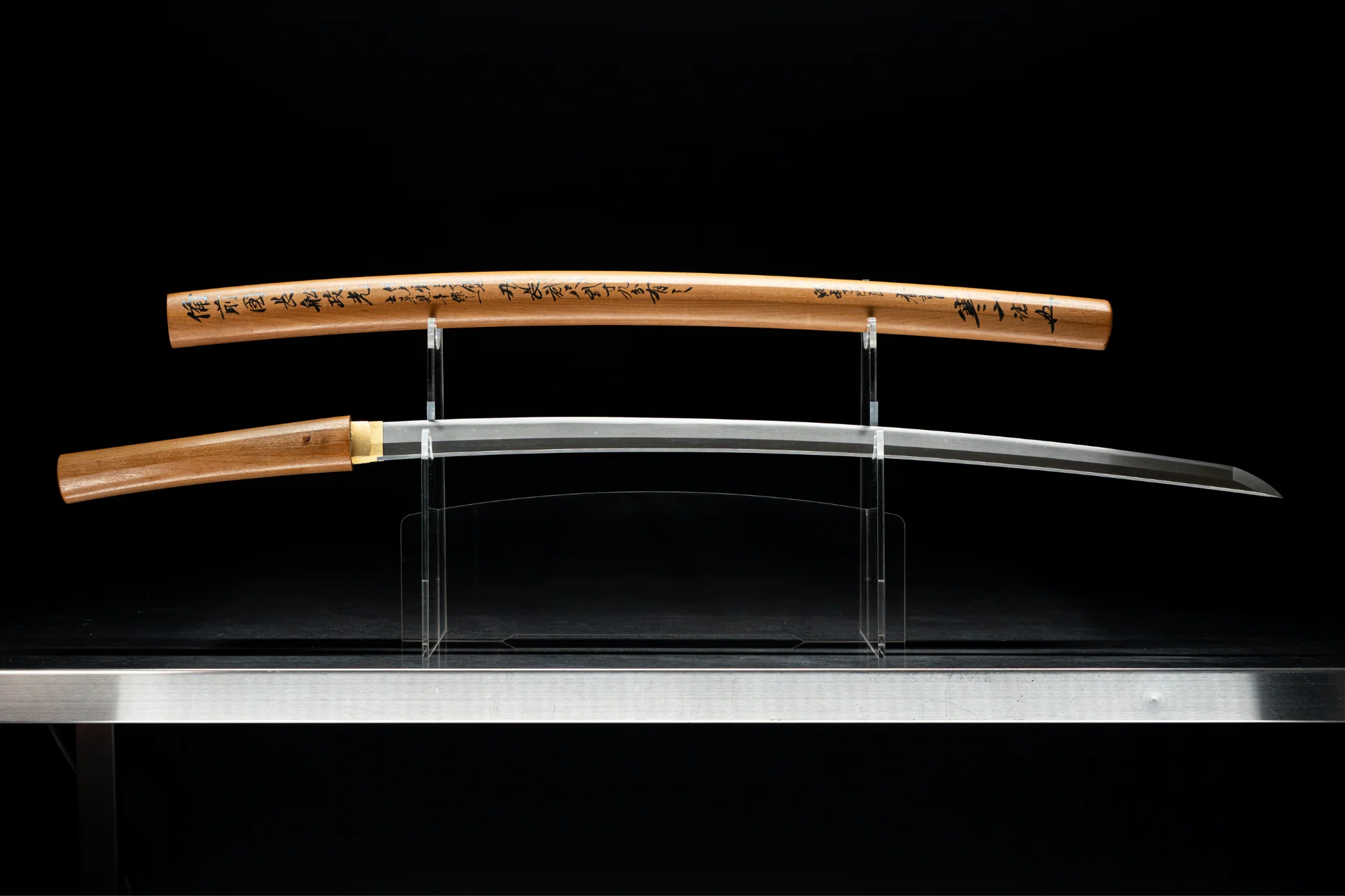
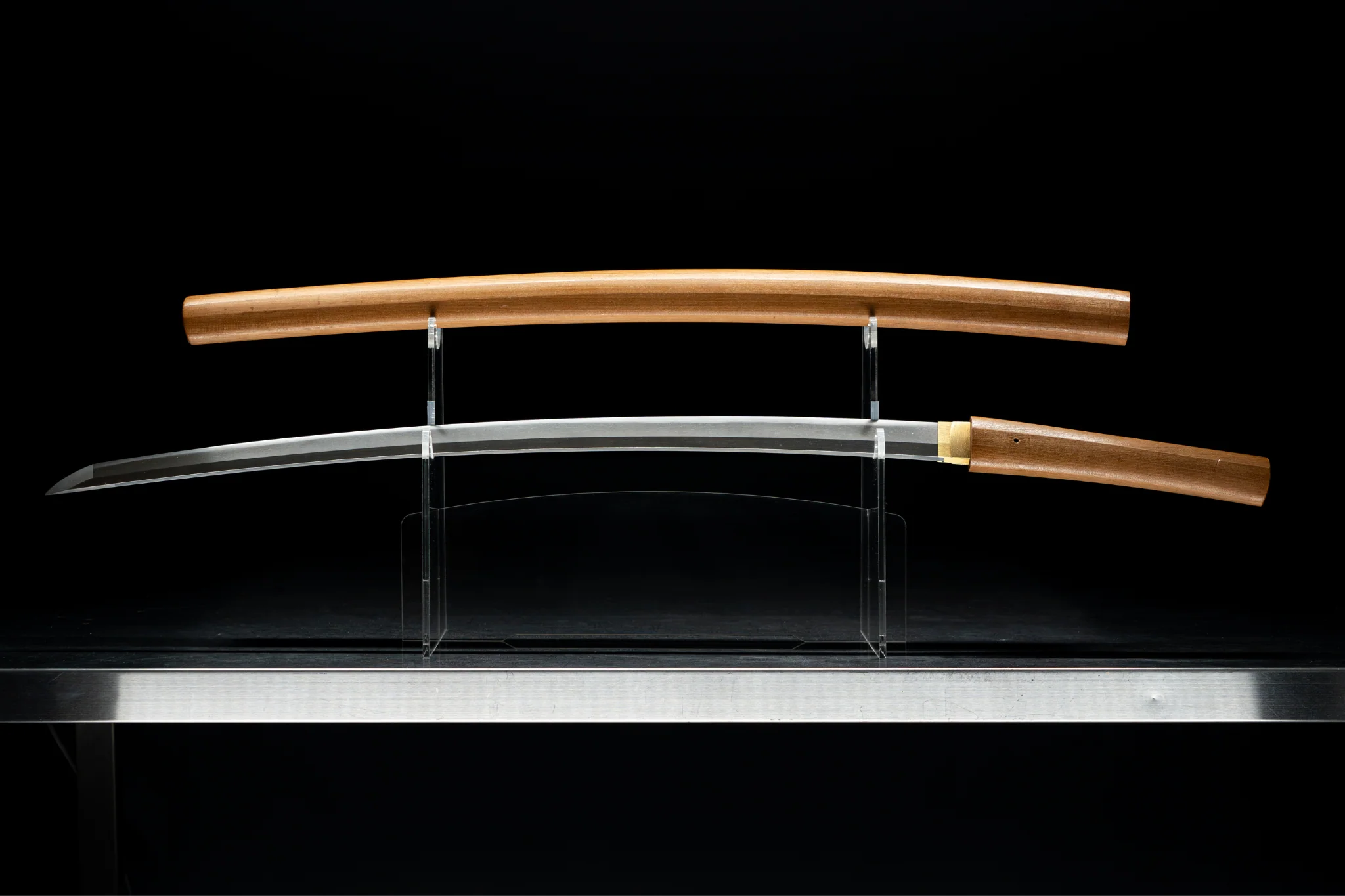
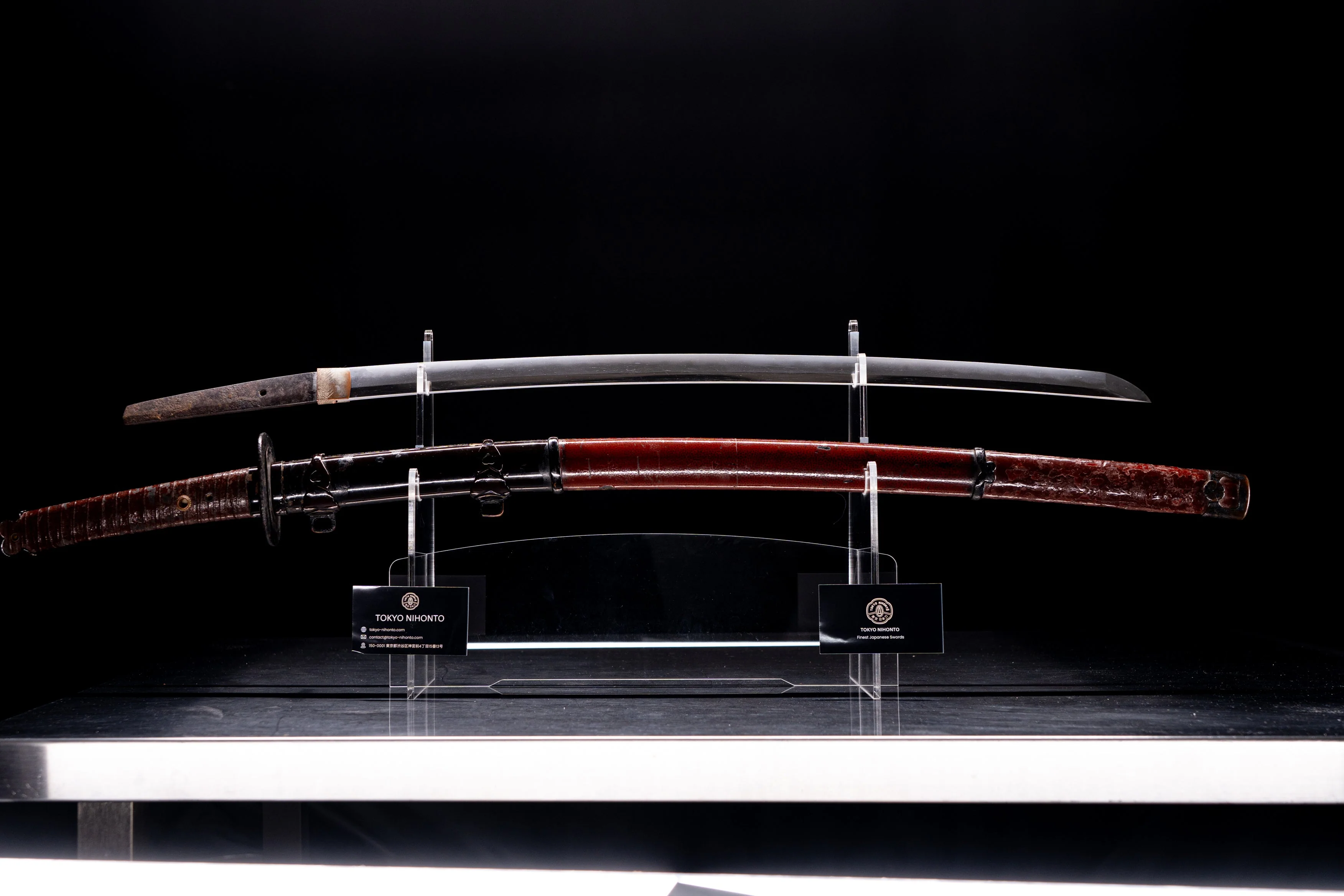
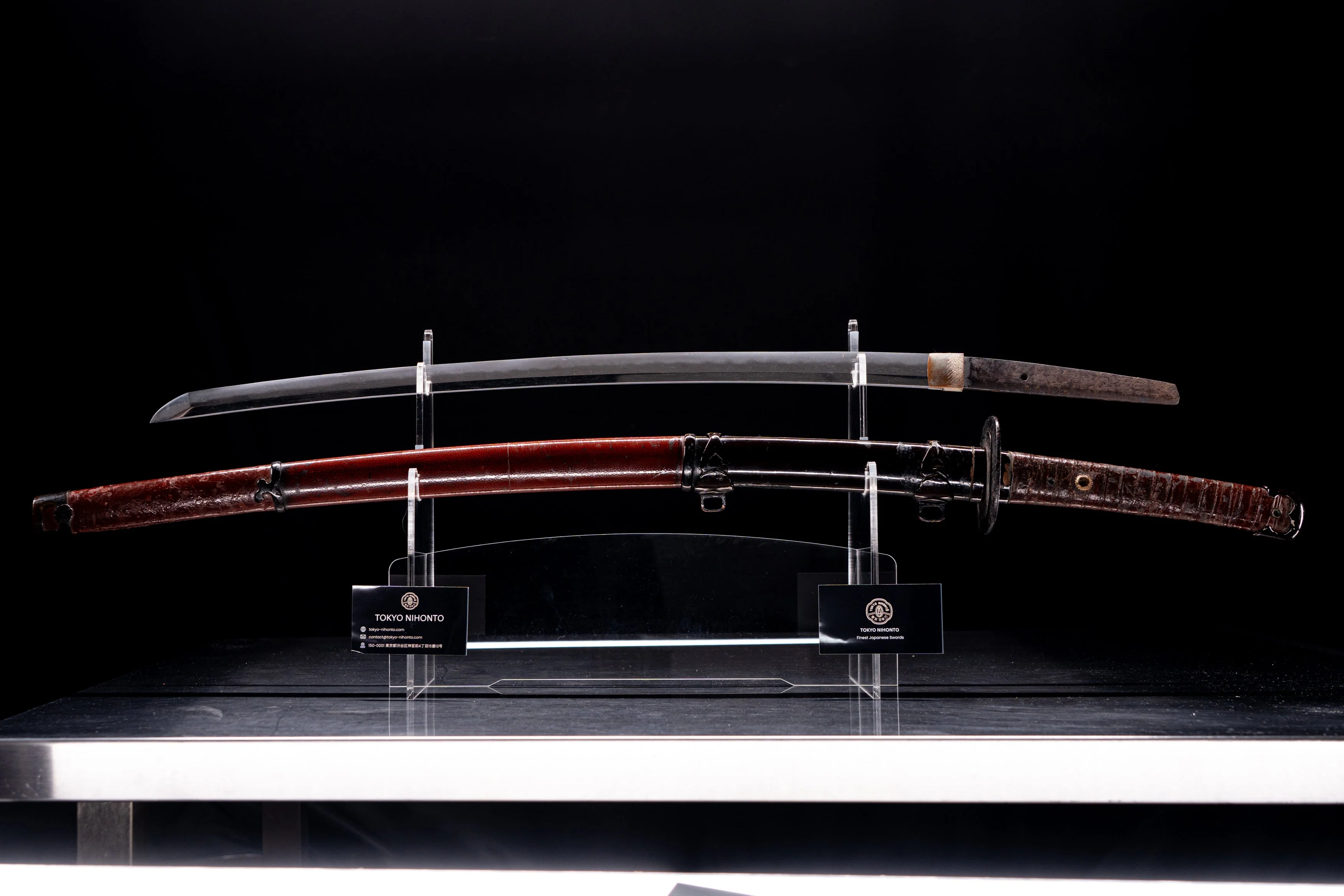
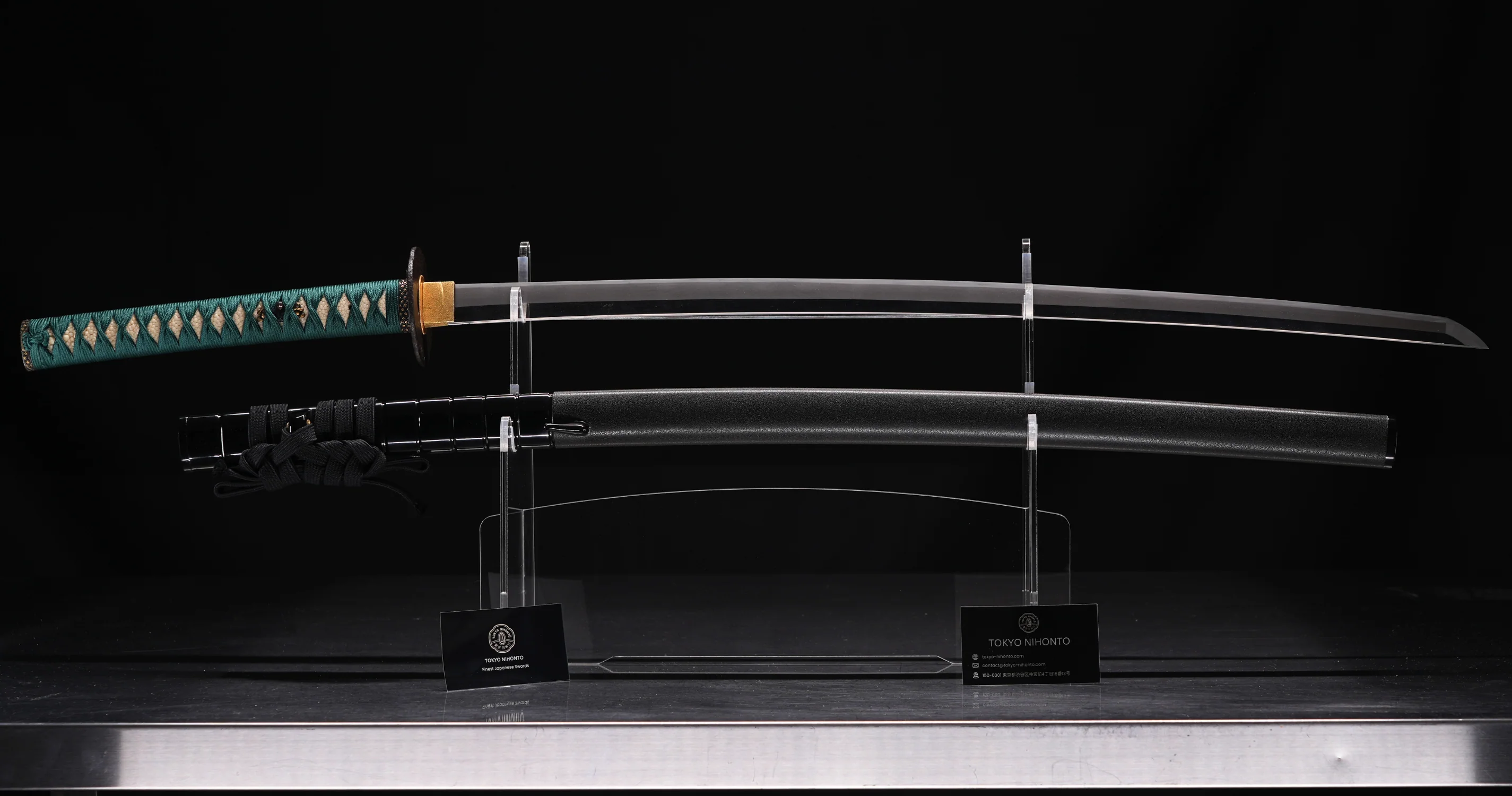
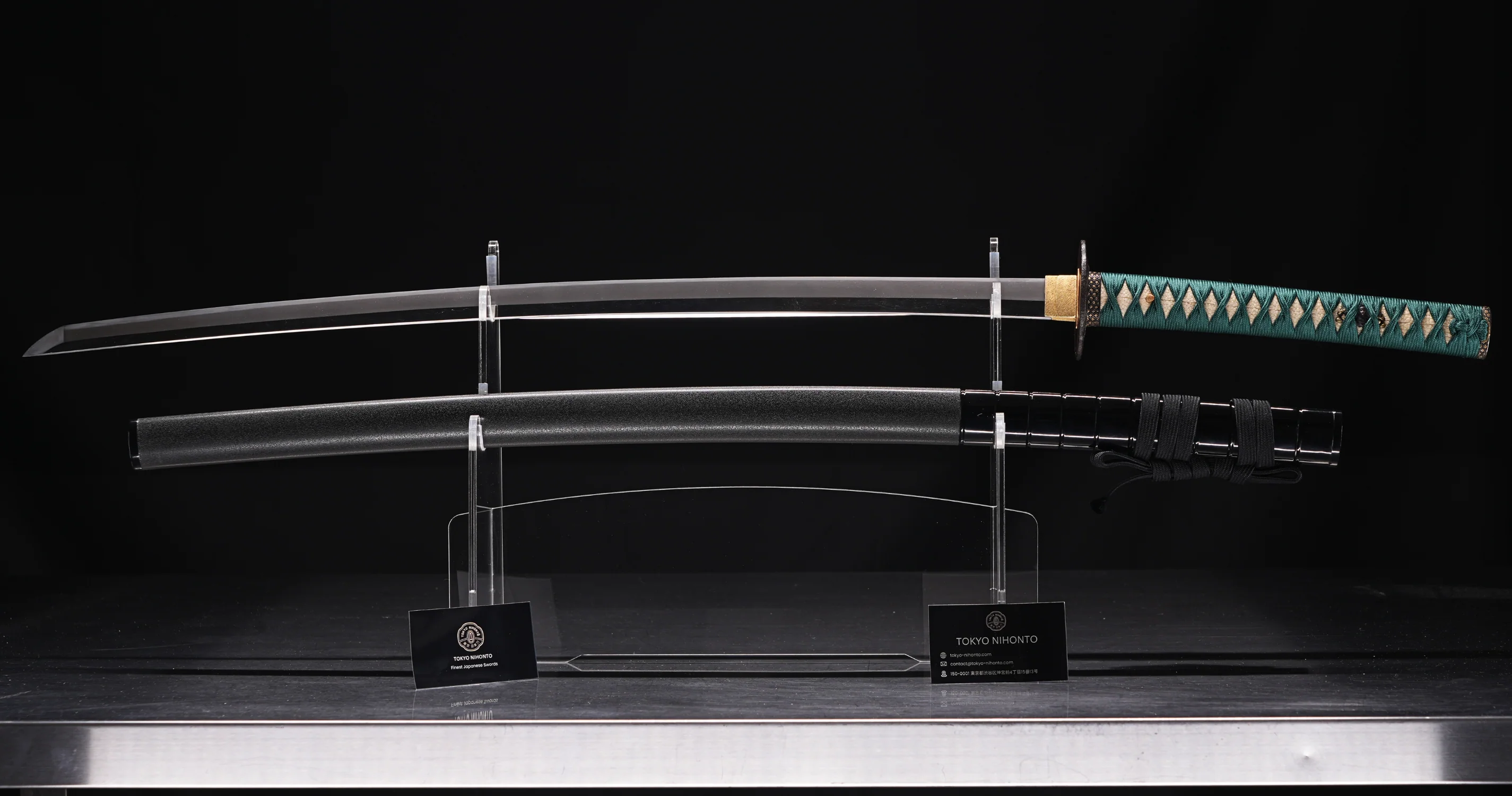
This exceptional katana, signed by the renowned swordsmith Seki-jū Kanemichi, is a perfect example of the revival of the Mino-den tradition. Crafted in Showa 61 (1986), this katana embodies the highest standards of traditional Japanese sword-making, combining both aesthetic beauty and functionality.
Sword Specifications:
- Period : Showa, 1986
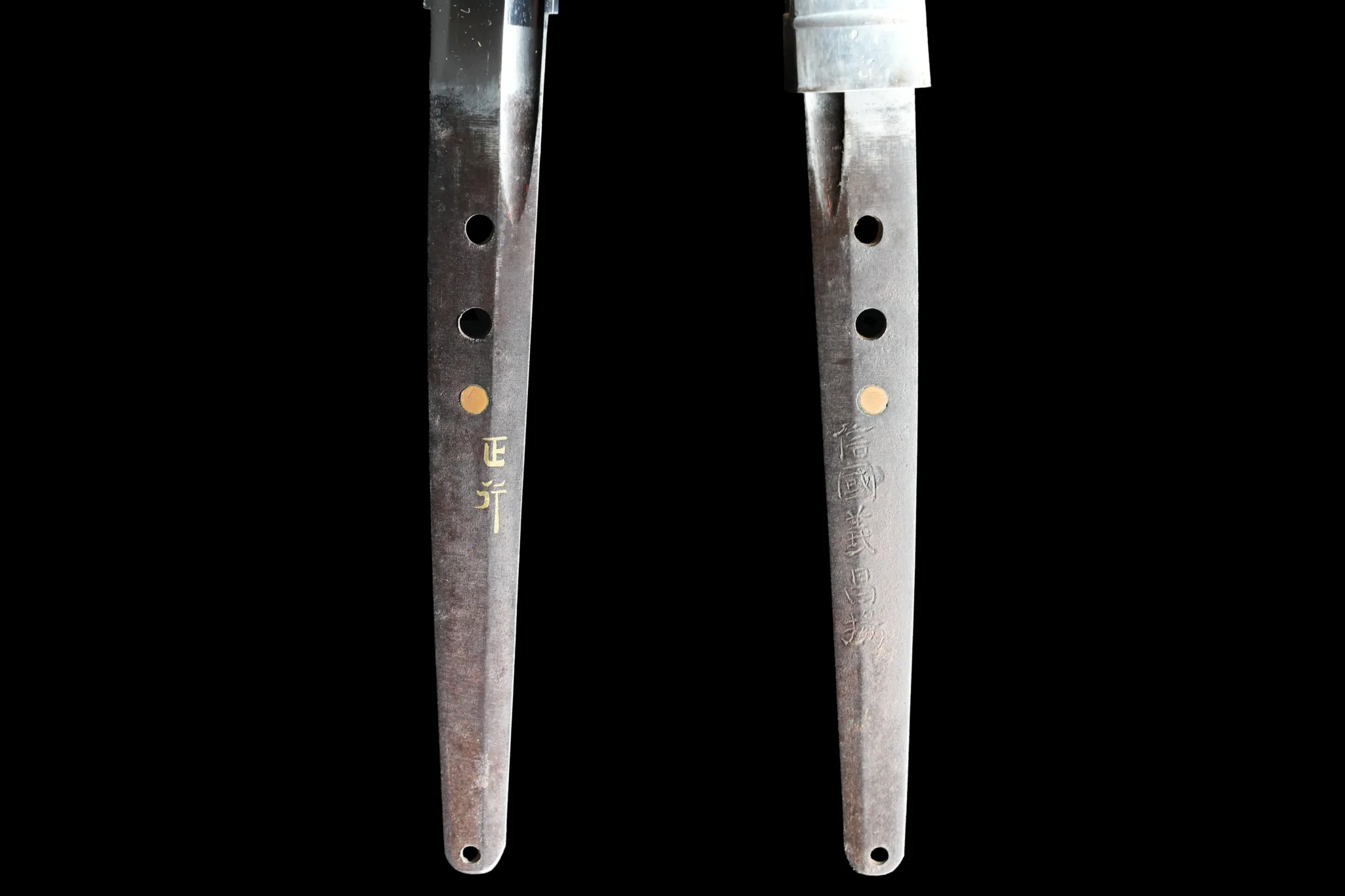
- Signed : Seki-jū Kanemichi, Shōwa Roku-jū Ichi-nen Gendai
- Blade Length: 72.2 cm
- Curvature : 1.9 cm
- Blade Width at Base : 31.5 mm
- Blade Thickness at Base : 7 mm
- Blade Shape : Shinogi-zukuri
- Tip : Medium-sized tip
- Hamon : Features a gunome pattern
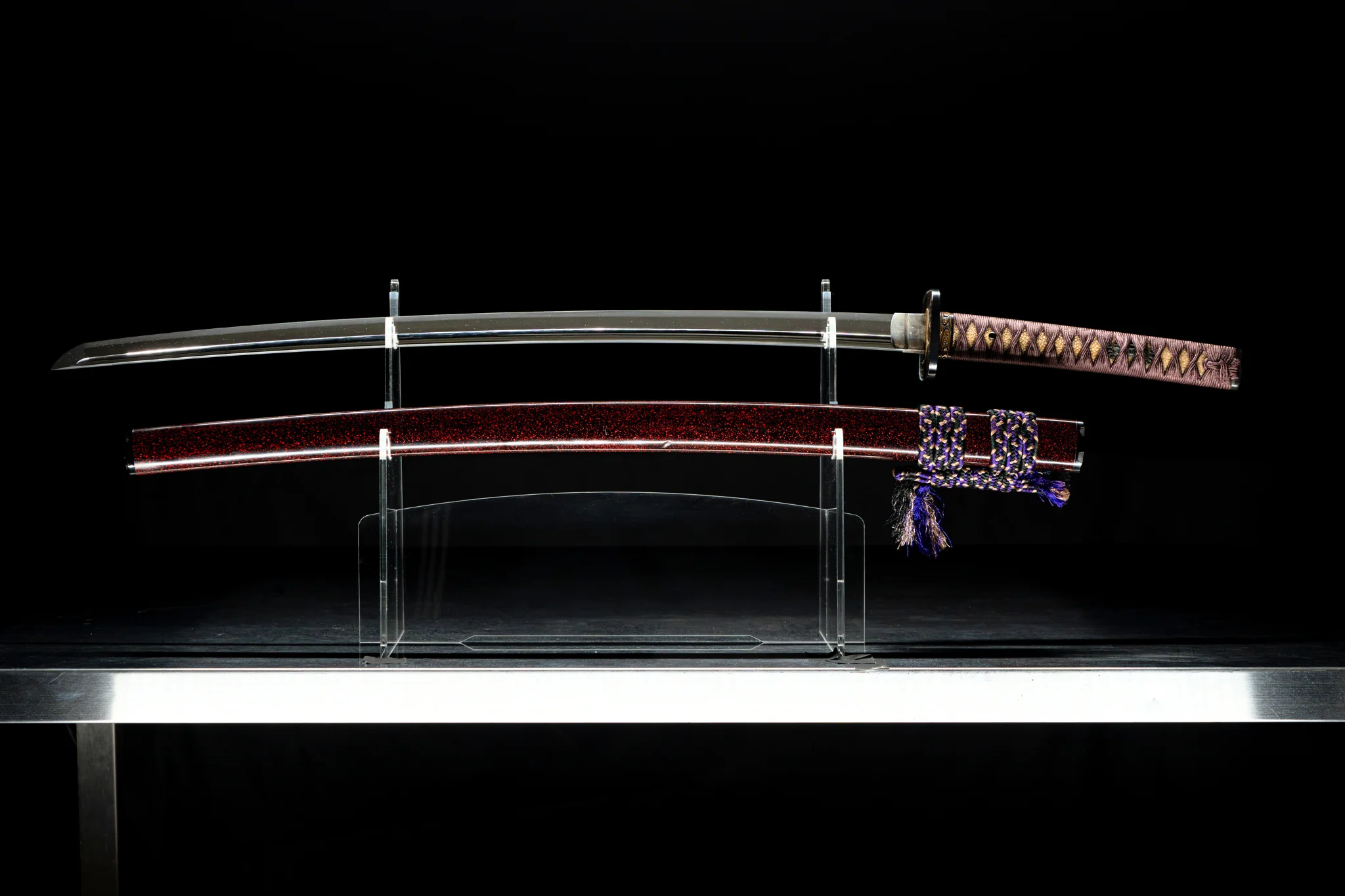
Fittings (Koshirae):
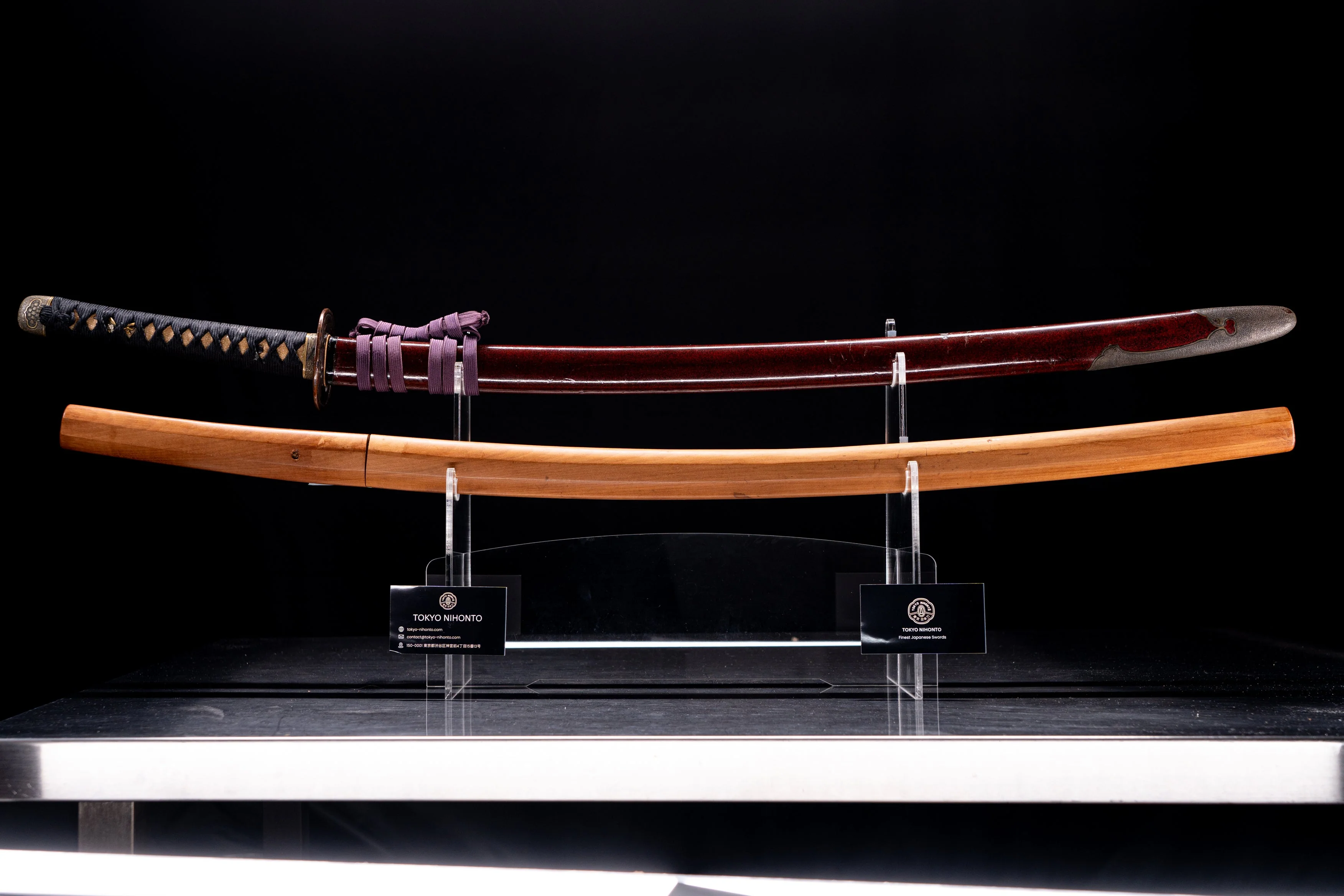
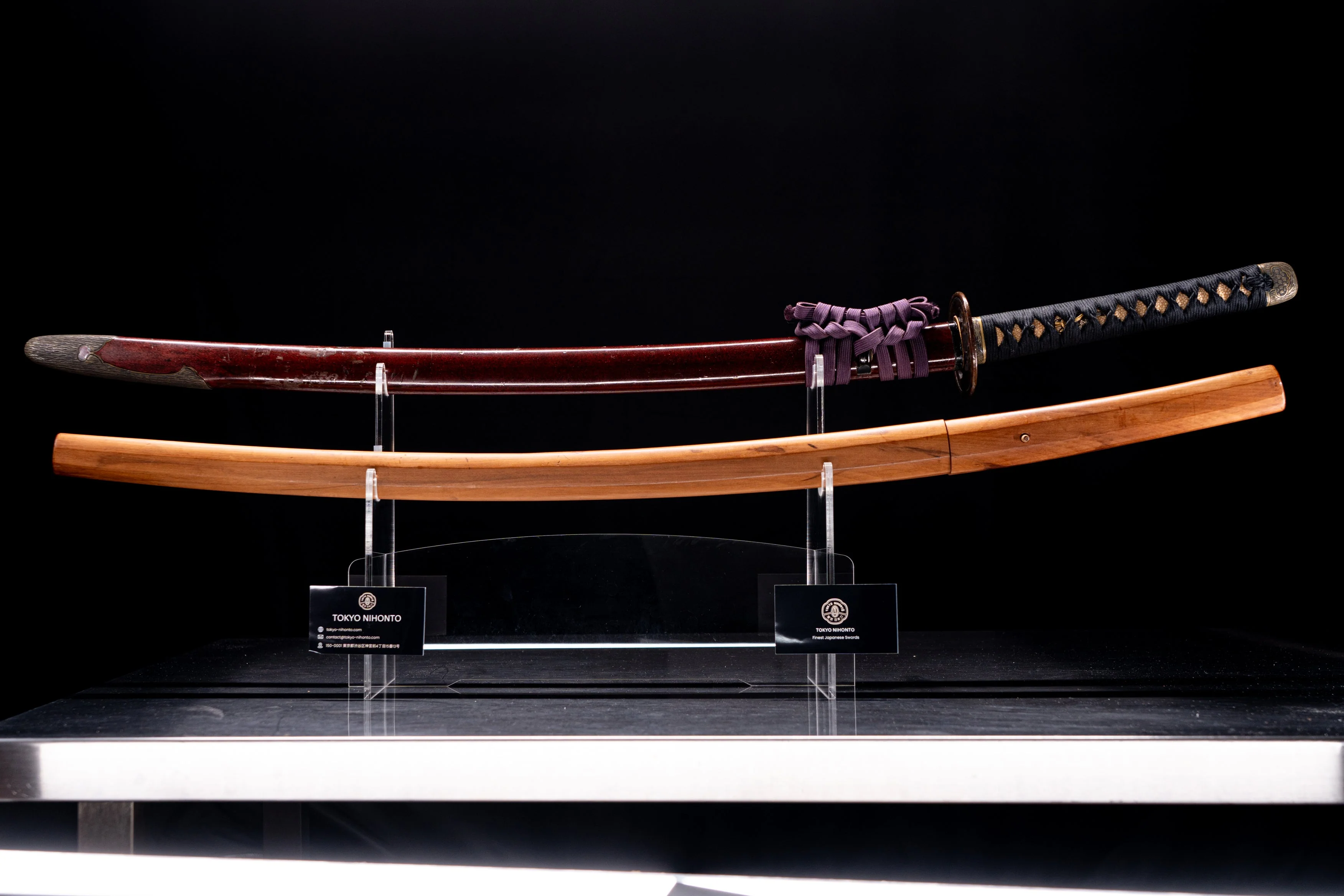
- Overall Length with Fittings: 103.5 cm
- Handle (Tsuka): 25 cm
- Habaki: Solid silver
- Saya (Scabbard): The scabbard is equipped with metal fittings at the end.
Weight:
- With Saya (Scabbard): Approximately 950 g
- Blade Only (with Habaki): Approximately 725 g
Background
The creator of this katana, Seki-jū Kanemichi, was born Tokijiro Kojima in July 1902 in Nagaju-cho, Seki City, an area renowned for its long history of producing high-quality swords. Kanemichi began his apprenticeship under Zenjo Kaneyoshi and later studied under Watanabe Kanenaga, where he refined his craft. Initially known as "Kanetoki," he later adopted the name "Kanemichi" after receiving the character "michi" from Nakayama Hiromichi.
Kanemichi’s exceptional skill and dedication earned him the highest honors in the sword-making community. In 1941, he was designated as the "Special Honored Swordsmith General" at the New Japanese Sword Exhibition, and in 1942, he was ranked as the Yokozuna, the highest rank in the "Precious Ranking" of modern swordsmiths by Professor Kuriyama Hikosaburo. After World War II, Kanemichi became the chairman of the Mino-den Sword Preservation Association, playing a pivotal role in training many current Seki swordsmiths and reviving the Mino-den tradition.
This katana, forged under Kanemichi’s expert craftsmanship, is a testament to his legacy.
Product Information
Product Information
Shipping & Returns
Shipping & Returns
Description
This exceptional katana, signed by the renowned swordsmith Seki-jū Kanemichi, is a perfect example of the revival of the Mino-den tradition. Crafted in Showa 61 (1986), this katana embodies the highest standards of traditional Japanese sword-making, combining both aesthetic beauty and functionality.
Sword Specifications:
- Period : Showa, 1986
- Signed : Seki-jū Kanemichi, Shōwa Roku-jū Ichi-nen Gendai
- Blade Length: 72.2 cm
- Curvature : 1.9 cm
- Blade Width at Base : 31.5 mm
- Blade Thickness at Base : 7 mm
- Blade Shape : Shinogi-zukuri
- Tip : Medium-sized tip
- Hamon : Features a gunome pattern
Fittings (Koshirae):
- Overall Length with Fittings: 103.5 cm
- Handle (Tsuka): 25 cm
- Habaki: Solid silver
- Saya (Scabbard): The scabbard is equipped with metal fittings at the end.
Weight:
- With Saya (Scabbard): Approximately 950 g
- Blade Only (with Habaki): Approximately 725 g
Background
The creator of this katana, Seki-jū Kanemichi, was born Tokijiro Kojima in July 1902 in Nagaju-cho, Seki City, an area renowned for its long history of producing high-quality swords. Kanemichi began his apprenticeship under Zenjo Kaneyoshi and later studied under Watanabe Kanenaga, where he refined his craft. Initially known as "Kanetoki," he later adopted the name "Kanemichi" after receiving the character "michi" from Nakayama Hiromichi.
Kanemichi’s exceptional skill and dedication earned him the highest honors in the sword-making community. In 1941, he was designated as the "Special Honored Swordsmith General" at the New Japanese Sword Exhibition, and in 1942, he was ranked as the Yokozuna, the highest rank in the "Precious Ranking" of modern swordsmiths by Professor Kuriyama Hikosaburo. After World War II, Kanemichi became the chairman of the Mino-den Sword Preservation Association, playing a pivotal role in training many current Seki swordsmiths and reviving the Mino-den tradition.
This katana, forged under Kanemichi’s expert craftsmanship, is a testament to his legacy.